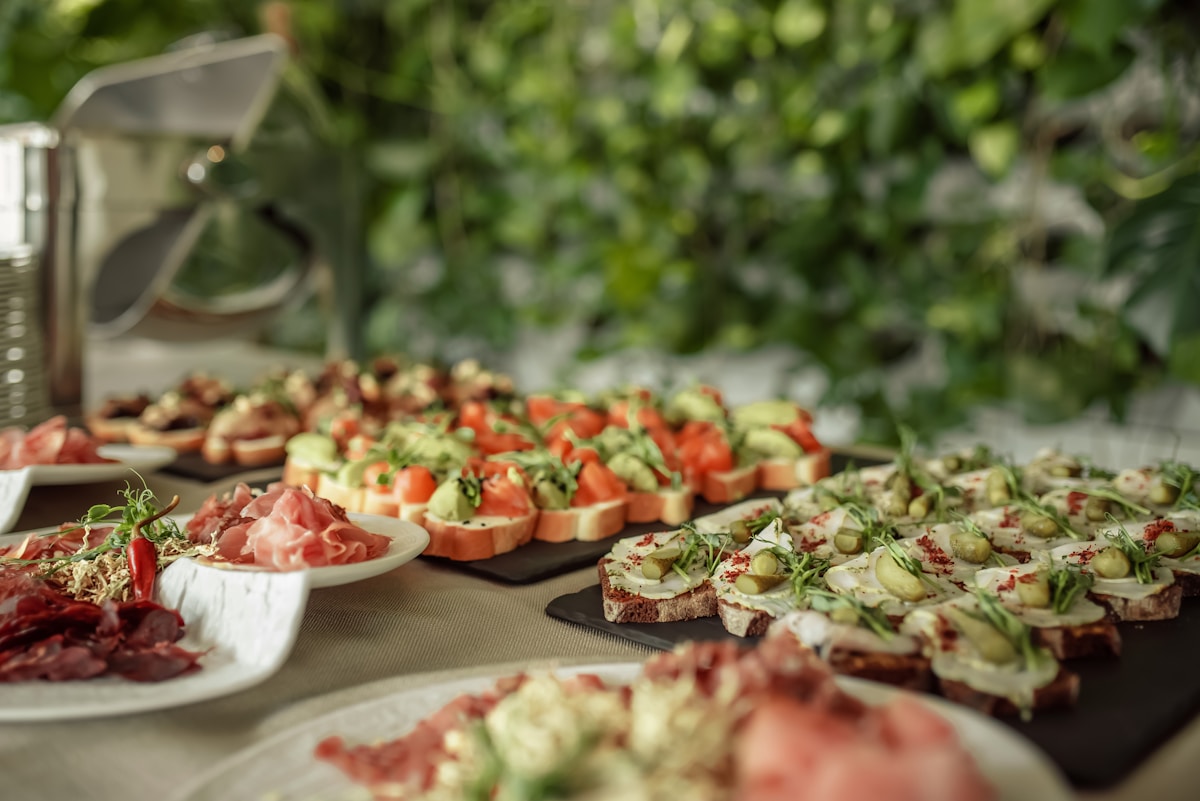
There’s a unique magic to gathering people around a table. The clinking of glasses, the murmur of conversation, the shared delight in a beautifully prepared meal—it’s a story we write together. But then comes that little wave of panic. Your cousin is gluten-free, your best friend just went vegan, and your neighbor’s child has a severe nut allergy. Suddenly, your joyful vision of hosting feels more like a logistical nightmare. How can you possibly create a delicious, welcoming meal that is also safe for everyone?
Take a deep breath. This isn’t about becoming a short-order cook. It’s about adopting a mindset of thoughtful hospitality, and I’ve learned a brilliant trick from professional caterers that makes it all manageable. With a little planning, you can turn that feeling of anxiety back into the pure joy of sharing food.
The ‘First and Separate’ Rule
When professional caterers are faced with preparing 300 meals, including a handful with severe dietary restrictions, they don’t wing it. They have a system, and the most important part is this: they prepare the allergen-free meals first. Before the flour flies, before the main batch of sauce is simmering, before the kitchen hits its chaotic crescendo, they focus. The gluten-free, nut-free, or kosher plate is prepared in a clean, controlled environment, then sealed, labeled, and set safely aside.
You can bring this exact principle into your home kitchen. Let’s say you’re making pasta with a traditional meat sauce, but you also need a gluten-free, vegan option. Before you do anything else, cook the gluten-free pasta in fresh, clean water. Prepare the simple vegan sauce with fresh herbs and tomatoes in a separate, clean pan. Plate that single meal, cover it, and put it somewhere safe. Now, you can proceed with your main meal prep without the constant, nagging worry of cross-contamination. You’ve built a firewall of safety right at the start.
Create Your Safe Zone Kitchen
Cross-contamination is the silent enemy of the allergy-conscious host. It’s the microscopic trace of peanut on a knife or the wheat flour dust that settles on a supposedly gluten-free cutting board. The pros use completely separate prep stations. You can create a mini version at home.
- Dedicated Tools: If you frequently host guests with allergies, consider investing in a set of color-coded cutting boards. A purple board is often the industry standard for allergens. If not, just decide that your large wooden board is for general prep, but the small plastic one is only for the allergen-free ingredients today. Use a different knife and different mixing bowls.
- Wash, Rinse, Repeat: Wash your hands and all surfaces thoroughly before you begin your ‘First and Separate’ prep. It sounds simple, but in the rush of cooking, it’s easy to forget.
- Parchment is Your Friend: My favorite kitchen hack for this is using parchment paper or aluminum foil as a barrier. Roasting vegetables? You can cook the ones for your allergic guest on a separate, foil-lined section of the same baking sheet, creating a physical divide. (Easy cleanup is just a bonus!)
Plan a Menu That Includes, Not Excludes
The most graceful way to handle diverse dietary needs is to design a menu that is naturally inclusive. Instead of thinking of it as one “normal” meal and several “special” meals, think in terms of components that everyone can enjoy. This makes everyone feel cared for, not singled out.
A build-your-own-meal concept is fantastic for this:
- Taco Bar: Offer corn and flour tortillas. Have bowls of seasoned ground beef, black beans, grilled veggies, and assorted toppings like salsa, guacamole, cheese, and a dairy-free sour cream alternative. Everyone builds their perfect plate.
- Grain Bowls: Start with a base that works for everyone, like quinoa. Then set out bowls of roasted sweet potatoes, chickpeas, grilled chicken, fresh greens, and various dressings. Be sure to label the dressings, especially if one contains nuts or dairy.
- Roasted Dinner: A beautiful roasted chicken or piece of fish alongside a medley of roasted root vegetables is a crowd-pleaser. You can easily keep a portion of the vegetables seasoned simply with olive oil, salt, and herbs before adding other ingredients to the main batch.
The Art of the Gentle Inquiry
As professional chefs on forums often lament, the most stressful thing is a last-minute dietary surprise. Don’t let that happen to you. Communication is the foundation of great hospitality.
When you invite your guests, make the inquiry a standard part of your process. A simple, warm message works wonders: “I’m so excited to have you over for dinner on Saturday! As I plan the menu, please let me know if you or your family have any food allergies or dietary restrictions I should be aware of.” Phrasing it this way isn’t awkward; it’s an act of profound care. It shows you want to create an experience where your guests can relax and feel completely safe. Get the details you need. Is it a preference or a life-threatening allergy? Are they okay with an ingredient being in the kitchen, as long as it’s not in their dish? The more you know, the better you can prepare.
Serve with Clarity and Confidence
You’ve done all the hard work. The food is cooked, and the aromas are filling your home. The final step is to serve with clarity. Remember the caterers’ brightly colored tickets? Your home version can be just as effective and much more charming.
- Use Place Cards or Food Tents: A few simple, handwritten cards placed in front of dishes on a buffet can be a lifesaver. “Roasted Root Vegetables (Vegan, Gluten-Free)” or “Quinoa Salad with Almonds” gives guests the information they need to serve themselves safely.
- Announce and Present: If you’re serving plates individually, present the specially prepared meal directly to your guest. A quiet, “Here is your gluten-free plate I made for you,” is reassuring and personal.
Hosting is an act of love. And accommodating someone’s dietary needs is simply an extension of that love. It’s telling them, “I see you, I care about you, and I want you to be nourished and happy at my table.” By systemizing your prep, planning a smart menu, and communicating clearly, you can remove the stress and focus on the magic of the meal.