You set a saucepan of oatmeal or cream sauce over the lowest flame, stir for a minute, and still find a scorched patch in the center. Meanwhile, the food around the edges barely seems warm. That is the problem a heat diffuser is designed to address—but it is not a universal upgrade for every pan or recipe.
The short answer: a stovetop heat diffuser can help with uneven gas stove heating when you need gentle, steady heat. It can soften a concentrated hot center and make delicate simmering easier to manage. In return, it slows heating and reduces the quick response that makes gas useful for searing, browning, and boiling.
Key Takeaways
- A heat diffuser places a heat-spreading layer between the flame and cookware, which can reduce the intensity of gas stove hot spots.
- It is most useful for low, steady cooking jobs such as sauces, porridge, melting chocolate, and long simmers.
- A diffuser usually slows preheating, boiling, browning, and fast temperature adjustments.
- It cannot fix a burner with an abnormal flame, incorrectly seated parts, or another appliance problem.
- Try matching your pan to the burner, lowering the flame, and using heavier cookware before adding another tool.
The short answer: helpful for gentle heat, not a fix for every pan
A heat diffuser is a metal plate placed between a gas burner and your cookware. The flame heats the plate first, then the plate transfers heat to the pot or pan above it. That extra layer can spread some of the burner’s concentrated heat over a broader area.
For a heat diffuser uneven gas stove problem, think of it as a moderator rather than a repair. It may make a small burner less aggressive under a small saucepan and reduce the pattern where a sauce catches in the middle while the outer ring stays cooler.
The trade-off is straightforward: gentler heat comes with slower heat. The pan will generally take longer to warm up, and turning the burner up or down will not affect the food as immediately. That is helpful for a long, quiet simmer but usually unhelpful when you want a skillet very hot.
Results vary with several factors:
- The burner’s diameter and flame pattern
- Whether the burner parts are correctly seated
- The diffuser’s size, thickness, and design
- The size and construction of the cookware
- Whether you are simmering, melting, frying, or boiling
A diffuser cannot fix an appliance problem. If the flame is irregular, lifts away from the burner, looks unusually yellow, or the burner cap and grate do not sit correctly, consult your stove manual and consider qualified service rather than treating the diffuser as the solution.
What a stovetop heat diffuser does—and why gas burners create hot spots
Gas burners deliver heat in a relatively tight pattern. On a small burner, that pattern may be much smaller than the base of a wide skillet or saucepan. The middle heats quickly because it sits closest to the flame, while the perimeter needs more time for heat to travel through the pan.
That difference is especially noticeable with lightweight cookware. A thin pan can develop a very hot zone over the burner before its edges have had time to catch up. You may see oil smoking in one spot, pancakes browning unevenly, or thick foods sticking at the center.
A stovetop heat diffuser sits on the grate, with cookware placed on top. It absorbs heat from the flame and releases it across its own surface before the heat reaches the pan. The goal is not perfect uniformity. It is to reduce the intensity of the most concentrated heat and make low-to-medium cooking more forgiving.
The diffuser still needs time to warm up, and so does the pan. Do not assume food is heating evenly just because a diffuser is in place. Stir where food tends to stick, scrape the bottom of sauces, and use visual cues—such as steady, small bubbles—rather than relying on the burner dial alone.
A diffuser makes the most sense when the problem is a hot center caused by a concentrated flame. It is less likely to help if the pan itself is warped, very thin, or much larger than the burner beneath it.
When a heat diffuser is most useful
A diffuser earns its storage space when controlled, patient heat matters more than speed. It is particularly useful for foods that scorch before they have time to cook through or thicken evenly.
Good uses include:
- Keeping porridge, oatmeal, or thick grain dishes at a gentle simmer
- Warming milk-based sauces that catch at the bottom
- Holding soups, stews, and braises at a low simmer
- Melting chocolate with close attention
- Making custard-like sauces cautiously
- Warming leftovers or small portions in a small pot over an aggressive burner
For example, if a small saucepan of cheese sauce repeatedly scorches in the same center spot even on low heat, a diffuser may reduce the direct punch of the flame. You will still need to stir, especially along the bottom and sides, but you may have a little more time between stirs.
Small burner cooking can also benefit when the burner’s lowest setting remains too forceful for the pot. A diffuser will not turn every burner into a precision simmer burner, but it can make an overly hot low flame easier to manage.
Try a simple comparison before deciding whether it belongs in your routine. Make one familiar recipe, such as oatmeal or a basic cream sauce, using your normal low flame. On another day, make the same recipe with the diffuser, using the same pan, batch size, and stirring pattern. Compare scorching, simmer behavior, and total cooking time.
First, however, try the lowest stable flame without the diffuser. If lowering the flame solves the problem, you may not need another tool. A diffuser is most useful for a recurring issue, not a one-time overheat caused by using too much flame.
When a diffuser can make cooking worse or slower
The extra layer that protects delicate food also slows the path from flame to pan. That delay can work against recipes that depend on direct, fast heat.
Remove the diffuser for these jobs whenever possible:
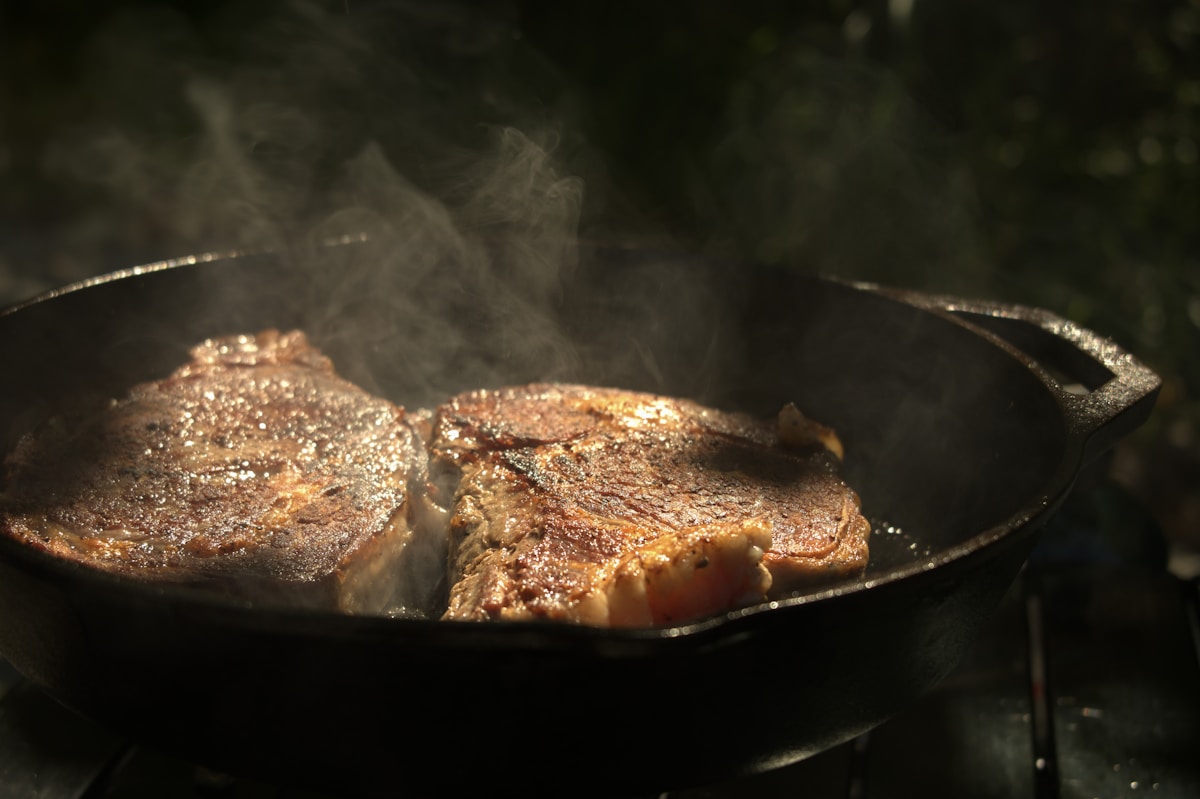
- Searing steak, chops, burgers, or mushrooms
- Browning onions quickly or developing deep color on vegetables
- Stir-frying and other fast, high-heat cooking
- Bringing a large pot of water to a boil
- Reducing a sauce quickly
- Recipes requiring frequent, immediate changes between high and low heat
With a diffuser under a skillet, the pan may heat more slowly and recover more slowly after cold food is added. That can weaken browning and extend cooking time. It may also tempt you to turn the flame much higher, which defeats the purpose and can create an excessively hot setup.
A diffuser does not transform poor cookware into even heating cookware. A thin, warped pan can still cook unevenly. A broad skillet on a tiny burner can still have cooler edges, even with a diffuser underneath.
If your main frustration is uneven searing, start with the skillet itself. A heavier pan with a stable, thicker base is often a more useful long-term purchase than a diffuser. If your main frustration is slow boiling, a diffuser will likely make it worse.
Choosing and using a diffuser safely on a gas stove
Before buying or using a diffuser, check your stove manual and the diffuser instructions. Compatibility guidance from the appliance and diffuser manufacturers should come first, especially if your range has unusual grates, specialty burners, or restrictions on accessories.
Match the size carefully. The diffuser should sit securely on the grate and support the cookware base without making the pot unstable. A very small diffuser under a wide, heavy pot may not provide useful coverage. An oversized plate may crowd neighboring burners or create an awkward surface that is easy to bump.
Check the complete stack before lighting the burner: grate, diffuser, then pan. The cookware should sit level and should not rock when lightly nudged. Do not use a warped plate, bent rack, or improvised metal object. Foil, baking sheets, random lids, and other unapproved items are poor substitutes for a purpose-made stovetop heat diffuser.
Material is a trade-off, not a universal ranking. Heavier diffuser plates often feel more stable and may hold heat longer, but they can be bulky and slow to cool. Lighter designs are easier to store and move but may offer less heat retention. A copper heat diffuser may appeal to cooks looking for responsive heat spreading, but design, thickness, fit, and manufacturer instructions matter as much as the material name.
Consider the handle as part of the safety decision. A handle can make placement easier before cooking, but the plate and handle may become hot during use. Position any handle so it does not extend into a walkway or over another active burner. Use appropriate heat protection rather than grabbing it with bare hands.
Keep the flame beneath the diffuser. Flames that curl up the sides create unnecessary heat around the cookware and handle area. Start lower than you think you need, let the diffuser and pan warm gradually, then adjust based on the food’s behavior.
Never leave the setup unattended. A diffuser adds another hot surface that stays hot after the burner is switched off. Let it cool fully before moving, washing, or storing it, and keep children and pets away from the cooking area while it is hot.
For cleaning, wait until the plate is completely cool. Follow its care instructions rather than assuming it is dishwasher-safe or suitable for soaking. Remove cooked-on residue using the least aggressive method recommended by the manufacturer, dry it thoroughly, and inspect it for warping, loose parts, or damage before the next use.
Try these simpler fixes before buying a diffuser
A diffuser is less expensive than replacing a stove, but it should not be the automatic first purchase. Several simple changes may solve gas stove hot spots more directly.
First, match the pan to the burner. A smaller saucepan on a small burner generally heats more sensibly than a wide sauté pan with a much larger base. If you regularly cook for one or two people, a smaller pot may be the easiest fix.
Second, lower the flame. Keep it under the cookware base rather than allowing it to climb around the sides. With gas, a modest adjustment can make a noticeable difference in how aggressively the center of the pan heats.
Third, preheat gradually. A thin pan placed over a high flame can develop one overheated zone quickly. Start at low-to-medium heat, give the pan time to warm, and rotate it when the recipe allows. Rotation is not practical for every dish, but it can help with pancakes, flatbreads, and other foods cooked in batches.
Fourth, consider better cookware. Heavier cookware with a flat, stable base often handles concentrated burner heat more calmly than a lightweight pan. This does not mean every heavy pan is automatically better, but a solid pan-to-burner match usually matters more than an accessory.
Finally, inspect the burner basics using the manufacturer’s guidance. Make sure the burner cap and grate are correctly seated. Follow the manual’s approved cleaning and troubleshooting directions. If the flame remains abnormal or heating is persistently erratic across several pans and burners, treat that as a stove issue rather than a cookware issue.
The practical decision rule is simple: choose a diffuser if gentle simmering, melting, and delicate sauces repeatedly scorch over a normal low flame. Skip it for fast boiling and high-heat browning. If uneven heating affects nearly every task, start with burner condition, pan size, and cookware quality before expecting a diffuser to solve it.
FAQ: Do Heat Diffusers Help on Gas Stoves With Uneven Heating?
Will a heat diffuser make every pan heat evenly on a gas stove?
No. It can reduce the effect of a concentrated flame, especially for low, steady heat, but it cannot guarantee perfectly even heating. Pan construction, pan size, burner shape, preheating, and stirring still matter.
Is a copper heat diffuser better than other diffuser materials?
Not automatically. Copper heat diffuser options, heavier steel plates, and other designs involve trade-offs in weight, heat response, durability, cleaning, price, and storage. Choose a purpose-made model that fits your burner and cookware, and follow both product and stove compatibility instructions.
Can I use an improvised metal plate as a gas-stove heat diffuser?
It is better not to. An improvised plate may warp, become unstable, trap heat in unintended ways, or be unsuitable for direct burner use. Use a diffuser designed for stovetop cooking and check that your stove manual permits it.