The Sticky Ice Cube Dilemma
We have all been there. You reach into the freezer, grab the ice cube tray, and give it a good twist. Nothing. You run it under warm water. Still nothing. Eventually, you resort to banging the tray on the counter until a few sad, cracked cubes fly out. Ice sticking to plastic trays is one of those tiny kitchen frustrations that somehow feels bigger than it should. So when a Reddit user shared a supposed hack — wiping canola oil onto a paper towel and then spreading a thin film over the tray to make ice slide out like magic — it sounded almost too good to be true. But is it safe? And does it actually work?
We dug into the USDA Food Safety guidelines, talked to home cooks who tried it, and tested the method ourselves. Here is the honest, practical breakdown of greasing ice cube trays with canola oil — and what you should reach for instead.
What the USDA Says About Canola Oil and Ice Trays
First, the safety question. According to the USDA Food Safety and Inspection Service, canola oil is generally recognized as safe for incidental contact with food. Its smoke point sits at around 400°F (204°C), which is high enough that it remains stable at freezer temperatures. So technically, a very thin layer of canola oil on an ice cube tray is not a food safety hazard in the traditional sense — it is not going to grow bacteria or leach harmful chemicals into your ice at -18°C (0°F).
However, there is a catch that the Reddit hack glosses over. When you repeatedly oil a plastic tray, the oil does not fully disappear. Over time, a film builds up. At room temperature — while the tray is sitting out on the counter before refilling — that thin oil layer can slowly oxidize and turn rancid. Rancid oil smells like old paint or soggy cardboard. Your ice might pick up that off-flavor, especially if the tray is not washed between uses. The USDA does not explicitly ban this practice, but their guidelines emphasize that any food-contact surface should be cleaned regularly. A greasy tray that never gets scrubbed? That is where problems start.
The Taste Test: Does Oil Affect Your Drink?
We filled a standard plastic ice tray (the kind your grandmother probably used, from Rubbermaid or a generic store brand) with water and gave it a light wipe of canola oil using a paper towel. We froze the cubes overnight. The next day, we dropped a few into a glass of plain water and another into a whiskey on the rocks. The results were… noticeable. The water had a faint, almost greasy mouthfeel. The whiskey? The oil clung to the glass and dulled the aroma. It was not overpowering, but once you knew it was there, you could not un-taste it.
Multiple Reddit users in the original thread reported the same: “My martini tasted like a salad dressing accident,” one wrote. If you are making ice for cocktails or even just a pitcher of lemonade, any oil residue will compromise clarity and flavor. Canola oil is neutral in flavor, but neutral does not mean absent. A thin film is enough to make your drink feel slightly slick. For most of us, that is a dealbreaker.
Better Alternatives That Actually Work
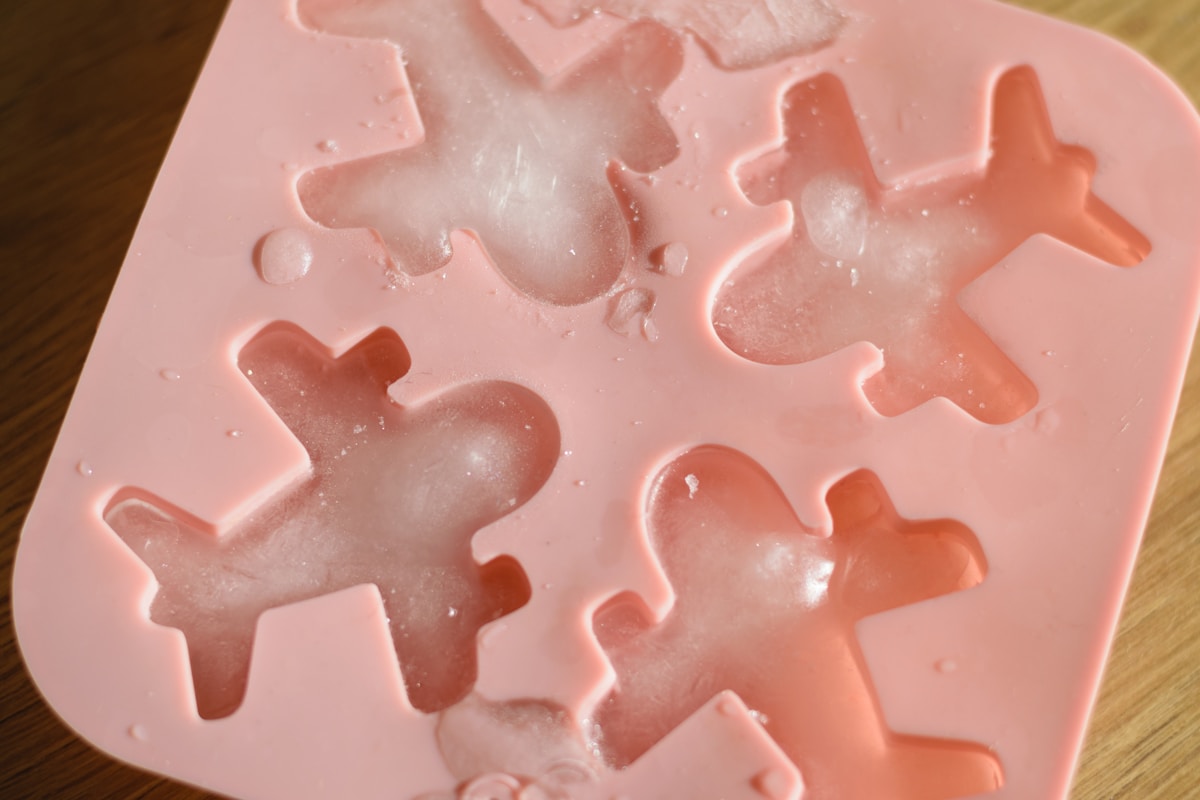
The simplest, most effective solution is one that experts at Wirecutter and America’s Test Kitchen have been recommending for years: silicone ice cube trays. Silicone is flexible, non-stick by nature, and does not require any oil or lubricant. You fill it, freeze it, then simply pop the cubes out by pushing from the bottom. No banging, no warm water, no oil.
Popular models include the OXO Good Grips Silicone Ice Cube Tray (about $10-$12) and the kitchen-favorite Siliperfect Extra Large Silicone Tray. These trays are heat-resistant to 450°F (232°C), so they are safe for hot liquids as well — great for making flavored ice cubes with coffee or broth. They are also dishwasher safe, which means cleaning is effortless. Silicone does need to be rinsed or run through the dishwasher occasionally to prevent odors from the freezer, but that is a quick fix.
If you absolutely must stick with your plastic trays because of space constraints or because you already own a dozen of them, here is the best way to make them less sticky: After filling the tray, let the water sit at room temperature for 5 minutes before freezing. This allows any trapped air to escape and reduces the formation of cloudiness and surface tension that makes cubes cling. Then, when you want to release them, dip the bottom of the tray in warm (not hot) water for 10 seconds. Flip it over and twist gently. The cubes should drop right out.
The Verdict: Is the Canola Oil Hack Worth It?
Honestly? No. While canola oil is safe for incidental contact, the taste impact and the potential for rancid buildup over weeks of use make it a poor choice. Your ice cubes are essentially flavor delivery vehicles — if they taste like anything other than pure, clean water, your drinks will suffer. Silicone trays are inexpensive (often under $15) and solve the problem permanently. If you are looking for a budget trick, the warm water method works fine without any oil. Save the canola oil for your cast iron skillet or your salad dressing, not your freezer.
A final kitchen hack: If you want crystal-clear ice that releases effortlessly, consider making a large block of ice in a silicone loaf pan and then cracking it with an ice pick. That is a whole different level of cocktail geekery, but it works because silicone does not bond to ice at all. For everyday use, a good silicone tray is the one investment that pays you back in convenience and better-tasting drinks. (Trust me on this one — your whiskey will thank you.)