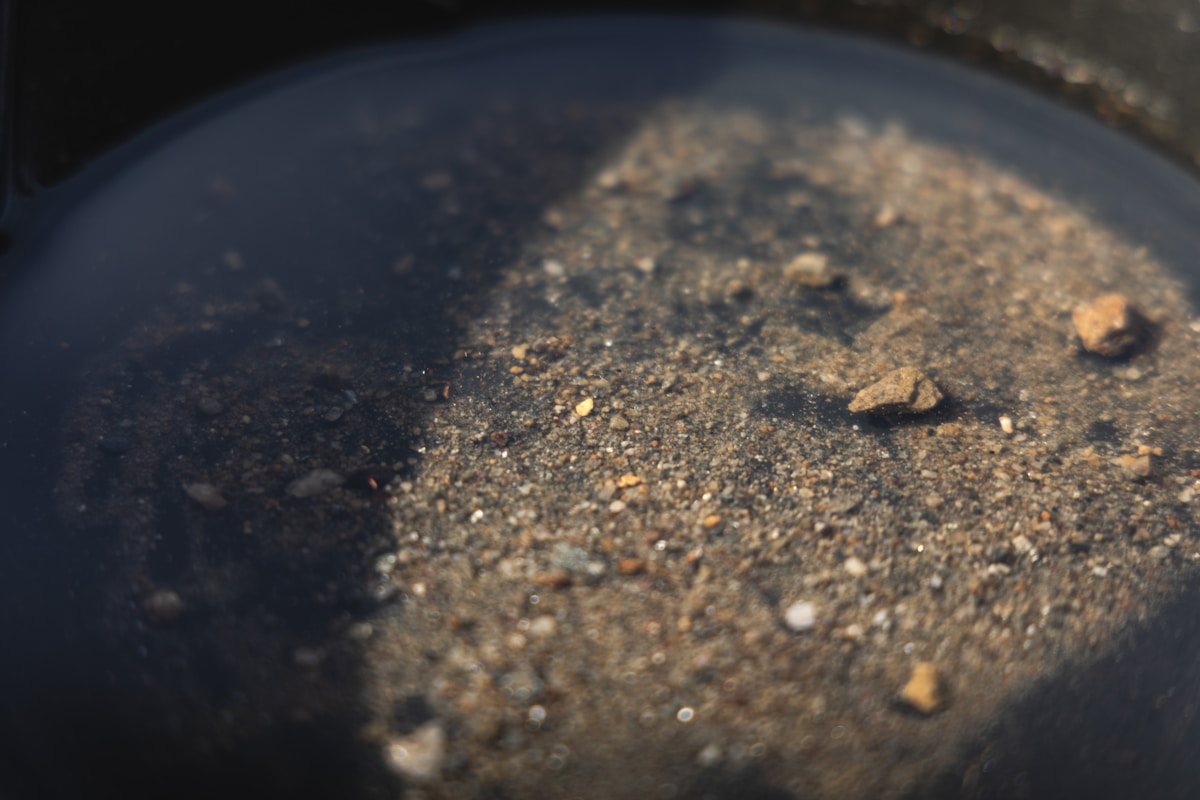
You pull off a perfect marinated steak from your cast iron skillet. The crust is great, the inside is juicy. Then you look at the pan. There’s a rough, brown layer that wasn’t there before. It doesn’t feel like the usual slick seasoning. Your first thought might be panic. But before you reach for steel wool or consider tossing the pan, take a breath. That rough layer is almost certainly burnt marinade residue, not permanent damage. This article will show you how to clean cast iron after marinade and get your skillet back to normal.
Key Takeaways
- Burnt marinade feels sticky or flaky; seasoning damage appears as bare silver metal.
- Clean while the pan is still warm using hot water, a stiff brush, and a salt scrub.
- Avoid soaking the pan; instead, use a brief simmer for stubborn residue.
- Most cases do not require a full strip — continued cooking with fats will rebuild the surface.
- Prevent buildup by preheating over medium heat and deglazing immediately after cooking.
Is It Burnt Marinade or Damaged Seasoning?
The key is to look and feel. Burnt marinade residue usually feels sticky, flaky, or crusty. It may come off in bits when you rub it with your finger. Sugars from soy sauce, Worcestershire, honey, or brown sugar in marinades burn easily on cast iron at high heat. That creates a carbonized layer that clings to the surface.
Damaged seasoning, on the other hand, looks different. You’ll see patches of dull, silvery metal where the polymerized oil has worn away. This often happens after cooking acidic ingredients like vinegar or citrus for a long time. A single marinated steak is unlikely to strip seasoning all the way to bare metal. If you see silver spots, that’s seasoning loss. But most of the time, what you have is just burnt-on marinade.
To check, try scraping gently with a wooden spoon or your fingernail after the pan has cooled. If it flakes off easily, it’s residue. If the surface feels rough but solid and won’t budge, it might be a mix of burnt food and seasoning that needs a little more work. The good news: both problems are fixable.
Immediate Cleaning Steps: Hot Water and Gentle Scrub
Start cleaning while the pan is still warm, but not hot enough to burn you. Hot water helps loosen the residue. Rinse the skillet under hot running water. Use a stiff nylon brush or a wooden scraper to gently dislodge the loose bits. Avoid metal scouring pads or steel wool at this stage – they can scratch the seasoning you want to keep.
Do this without soap for now. Many home cooks find that hot water alone handles most of the mess. If the residue is stubborn, don’t soak the pan. Soaking leads to rust. Instead, keep the water running and scrub for a minute. Dry the skillet thoroughly with a clean towel or by placing it over low heat on the stove. Then rub a very thin layer of vegetable oil or grapeseed oil over the entire surface, inside and out. This prevents rust and maintains the seasoning.
For a quick clean after a light marinade, this method might be all you need. The key is acting promptly before the residue hardens further.
Tackling Stubborn Burnt-On Residue with Salt or Baking Soda
If hot water and a brush didn’t remove all the brown rough layer, bring out coarse kosher salt or baking soda. Sprinkle a generous amount into the warm pan – about two tablespoons. Use a damp paper towel or a sponge to scrub the salt into the surface. The salt acts as a gentle abrasive. It scrapes off the carbonized marinade without harming the seasoning.
Keep scrubbing in circles for a minute or two. Rinse with hot water and check the results. Repeat if needed. Baking soda works similarly but may feel a bit finer. Both are safe for cast iron. Avoid using soap with this method – the salt scrub is enough.
For severe buildup that won’t budge, try a short simmer. Add about half a cup of water to the pan and bring it to a gentle simmer over medium heat. Let it bubble for two to three minutes. The steam and hot water soften the residue. Use a wooden spoon or a silicone spatula to scrape the softened bits loose. Pour out the water and scrub with your salt or baking soda method. This is far safer than soaking the pan overnight.
A word of caution: do not use dish soap in this step. While modern mild soap is not the enemy of cast iron that older myths claim, for this specific problem the salt or simmer method does a better job without risking any soap residue interfering with seasoning. Stick to hot water and abrasives.
When to Fully Strip and Reseason Your Pan
Most cases of burnt marinade do not require stripping the pan completely. After cleaning, you might see some discolored patches or a slightly uneven surface. That’s normal. Continue cooking with fatty foods like bacon, fried chicken, or sautéed vegetables. The natural oils will gradually rebuild the seasoning and even out the surface.
You only need to consider a full strip and reseason if you have persistent rust after cleaning, large areas of bare silver metal, or if the pan feels rough even after several cleaning attempts. Rust shows up as orange or reddish patches. If you see that, strip off the old seasoning, remove the rust with a rust eraser or fine sandpaper, and start fresh.
To reseason, wash the pan with mild soap and water to remove any dust or oil. Dry thoroughly. Coat the entire skillet with a thin layer of high-smoke-point oil like flaxseed, grapeseed, or canola. Place it upside down on the middle rack of your oven at 450 degrees Fahrenheit for one hour. Put a baking sheet on the lower rack to catch drips. Let it cool in the oven. For best results, repeat this process two or three times.
But remember: many home cooks go years without ever needing to fully strip their cast iron. The burnt marinade layer is a temporary nuisance, not a life sentence. A few rounds of cooking will often incorporate the residue into the seasoning and make the surface smooth again.
Prevention Tips for Cooking Marinated Steaks in Cast Iron
The easiest way to avoid the burndown is to adjust your cooking technique. Preheat the skillet over medium heat for about five minutes before adding the steak. Cast iron holds heat well, so medium is often enough for a good sear. Add a little oil – about a tablespoon – right before the steak goes in. The oil creates a barrier between the marinade and the pan surface.
Avoid high heat when the marinade contains sugar, soy sauce, or Worcestershire sauce. Those ingredients caramelize and burn rapidly above 400 degrees Fahrenheit. If you want a ripping-hot sear, pat the steak dry first and skip the sugary marinade. Or use a different pan, like stainless steel, for heavily sweetened marinades if your cast iron seasoning is still young.
Another prevention trick: deglaze the pan immediately after removing the steak. Add a splash of water, broth, or wine while the pan is still hot. Scrape up the browned bits with a wooden spoon. This loosens any marinade that started to stick, turning it into a quick pan sauce and preventing it from hardening into that rough layer. Pour the sauce over your steak and rinse the pan right away.
If you cook marinated steak often, consider keeping a dedicated cast iron skillet that you don’t mind developing a bit of a patina. Over time, the seasoning will become more resilient. Many home cooks find that after several uses, their pan handles sugary marinades much better. The key is patience and consistent care.
Frequently Asked Questions
How can I tell if the rough layer is burnt marinade or ruined seasoning? Burnt marinade feels sticky, flaky, or crusty and can be scraped off. Seasoning damage appears as dull, silvery patches where the polymerized oil has worn away. Sticky = residue. Silver = seasoning loss.
Can I use soap to clean a cast iron skillet after cooking marinated steak? A small amount of mild dish soap is acceptable for stubborn residues, but for this specific problem, a hot-water rinse and salt scrub work better without affecting the seasoning. Save soap for the rare occasions when you need to strip the pan.
How do I prevent marinade from burning onto my cast iron skillet in the future? Use moderate heat, preheat with oil, and avoid sugary marinades on high heat. If residue starts to form during cooking, deglaze immediately with a splash of liquid. A well-seasoned pan also helps.
Will a single marinated steak ruin my cast iron seasoning? No. One cooking session with a marinade can leave residue, but it very rarely strips seasoning to the point of requiring a full reseason. Clean it promptly and continue cooking with fats to maintain the surface.
Is it okay to use a metal spatula on cast iron? Yes, a metal spatula can actually help smooth the seasoning over time. Just be gentle with the edges to avoid gouging. For cleaning, stick to wooden scrapers or nylon brushes until the residue is gone.