Have you ever followed a recipe, tasted the final result, and just felt… underwhelmed? You did everything right, but the magic just wasn’t there. It’s a common kitchen frustration, and it almost always comes down to understanding the why behind the ingredients.
A little story from the internet recently made me smile. Someone shared that their coworker brought in a homemade “pico de gallo” that skipped the lime and cilantro, and instead used garlic and green onions. The result, they said, was… alarming. This isn’t to poke fun! It’s actually the perfect example of how a few key ingredients can be the entire soul of a dish. If you’ve ever wondered why your salsa fell flat, I promise you, there’s a simple answer.
So let’s break down the beautiful, simple science of pico de gallo and make sure you can whip up a batch that tastes bright, fresh, and absolutely delicious, every single time. Everyone starts somewhere, and today we’re starting with one of the most rewarding and easy dishes you can master.
What Makes Pico de Gallo So Special?
First, let’s get our terms straight. Pico de gallo translates to “rooster’s beak,” but in the kitchen, its other name tells you everything you need to know: salsa fresca. Fresh salsa. Unlike the cooked, jarred salsas you might buy at the store, pico de gallo is a celebration of raw, vibrant ingredients. It’s less of a sauce and more of a chopped salad.
The classic, non-negotiable lineup is simple:
- Ripe Tomatoes
- White Onion
- Jalapeño or Serrano Chile
- Fresh Cilantro
- Fresh Lime Juice
- Salt
That’s it. The beauty is in its simplicity. Each ingredient plays a critical role, and when they come together, they create something much greater than the sum of their parts. When you remove one of those core pillars, the whole structure starts to wobble.
The MVP of Flavor Why Lime Juice is Everything
If pico de gallo had a Most Valuable Player award, it would go to lime juice. Hands down. It does so much more than just add a sour taste. Think of it as the conductor of the orchestra.
First, it’s all about acidity. The bright, sharp acid in lime juice is like turning on a light in a dark room—suddenly, you can see all the other colors. It makes the sweetness of the ripe tomatoes pop. It enhances the subtle heat of the jalapeño. It balances the salt. Without it, the other flavors are muted and muddled.
But here’s the real magic: lime juice chemically changes the other ingredients through a process called maceration. When the acidic juice hits the sharp, pungent white onion, it begins to break down the cell walls. This softens the onion’s fiery bite, making it pleasantly crisp instead of overwhelmingly harsh. (It’s a chemical romance!) It’s a gentle form of “cooking” without any heat at all. Skipping the lime means you’re left with the full, unbridled force of raw onion, which can easily overpower everything else in the bowl.
Finally, the acid acts as a natural preservative, keeping your pico de gallo looking and tasting fresh for longer. It’s a culinary triple-threat: flavor enhancer, texture transformer, and preservative.
The Freshness Factor The Unmistakable Role of Cilantro
Now, let’s talk about that other critical player: cilantro. This fresh herb is what gives pico de gallo its signature, unmistakable aroma and flavor. It’s bright, a little peppery, and has a clean, citrusy note that cuts through everything and screams fresh.
I know what some of you might be thinking. “Beatrice, cilantro tastes like soap to me!” And you’re not wrong! For a small part of the population, a specific gene makes cilantro taste soapy. If that’s you, I see you, and it’s okay. A common substitute is fresh flat-leaf parsley with an extra squeeze of citrus (like lemon or even a tiny bit of orange). It won’t taste the same, but it will give you that fresh, green, herbaceous quality.
However, for the rest of us, cilantro is key. Going back to our friend’s coworker, they substituted cilantro with garlic and green onion. Here’s the problem: garlic and green onion are both alliums, just like the white onion already in the pico. Instead of adding a contrasting, fresh herbal note, they just piled on more of the same pungent, savory, sulfurous flavor. This completely throws the dish out of balance, moving it from a bright, acidic salsa to a heavy, onion-forward relish. There’s no lift, no freshness, just a clash of pungent flavors.
My Foolproof Recipe for Perfect Pico de Gallo
Ready to put this knowledge into practice? This recipe is simple and scalable. The key is to taste as you go and find the balance you love. The measurements here are a great starting point.
You’ll Need:
- 4-5 ripe Roma tomatoes (they have fewer seeds and less water)
- 1/2 medium white onion, finely chopped
- 1 jalapeño, finely minced (remove seeds and membranes for less heat, leave them in for more)
- 1/2 cup loosely packed fresh cilantro, chopped
- Juice of 1 large lime (about 2 tablespoons)
- 1/2 teaspoon of salt, plus more to taste
Step-by-Step Guide:
-
Prep Your Tomatoes: This is my number one kitchen hack for amazing pico! Cut the tomatoes in half and use a small spoon to scoop out the watery seeds and pulp. This prevents your pico from becoming a soupy mess. (Your future self will thank you.) Now, dice the firm tomato flesh into a small, even dice.
-
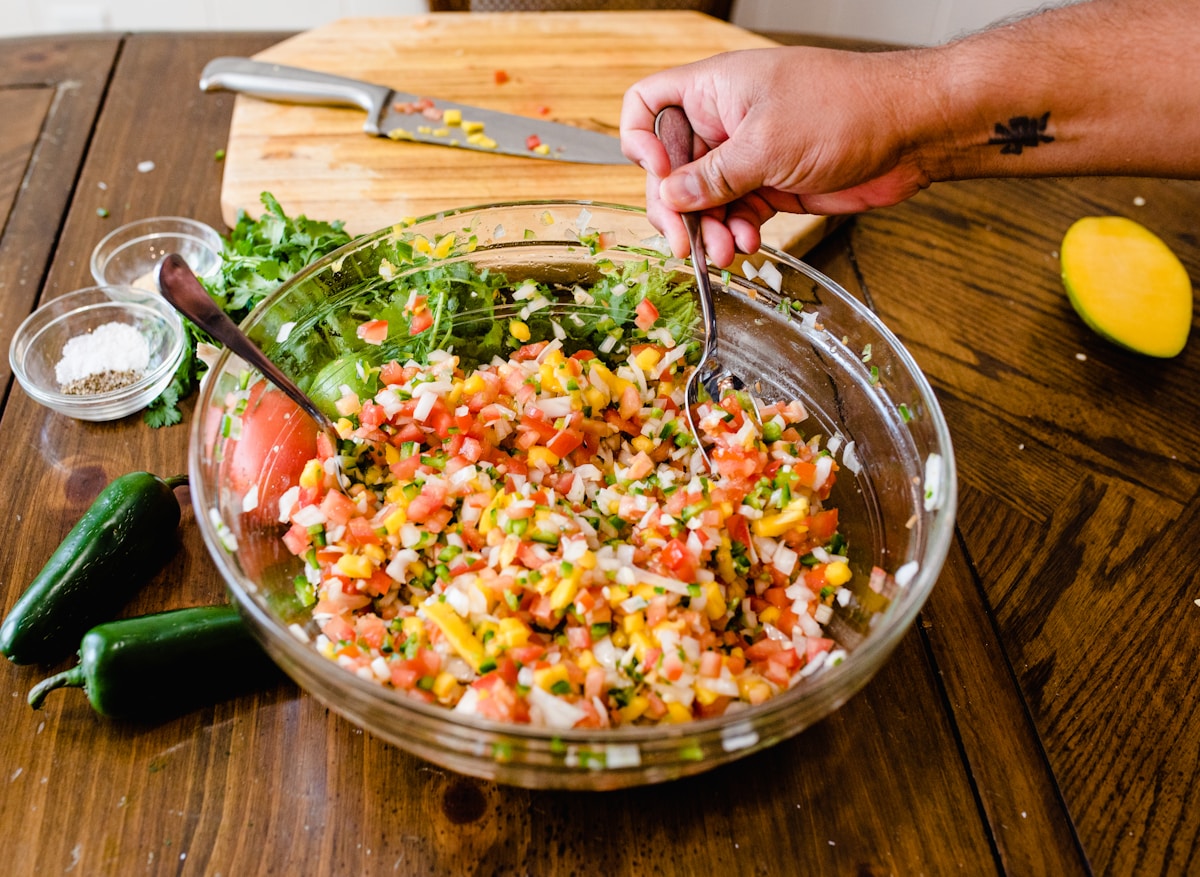
Combine the Veggies: In a medium bowl, combine your diced tomatoes, finely chopped white onion, and minced jalapeño. Give it a gentle toss.
-
Add the Magic: Add the chopped cilantro, the lime juice, and the 1/2 teaspoon of salt. Stir everything together gently until it’s well combined. Don’t overmix!
-
Let It Rest: This is the hardest part. Let the pico de gallo sit for at least 15-20 minutes at room temperature. This gives the lime juice time to work its magic on the onions and allows all the flavors to meld together.
-
Taste and Adjust: After it has rested, give it a final stir and taste it with a chip. Does it need more salt? A little more lime juice to brighten it up? More jalapeño for a kick? Now is the time to adjust it to your perfect preference.
Everyone Starts Somewhere
The story of the cilantro-less, lime-less pico de gallo isn’t about a mistake; it’s about a learning opportunity. The kitchen is more forgiving than you think, and every dish you make teaches you something new. Experimenting is wonderful! But understanding the function of core ingredients is what turns a home cook into a confident one.
Lime isn’t just a flavor; it’s a balancer and a tenderizer. Cilantro isn’t just a garnish; it’s a fresh, bright counterpoint to the other ingredients. Once you understand that, you can make substitutions with confidence, knowing what you need to replace not just the taste, but the role that ingredient played.
Try This Tonight: You don’t have to make a giant batch. Grab one single Roma tomato, a small slice of onion, one sprig of cilantro, and a wedge of lime. Chop it all up, add a pinch of salt, and let it sit for ten minutes. Eat it with a single tortilla chip. In that one bite, you’ll taste the perfect balance of sweet, acidic, sharp, and fresh. You’ll understand. And from there, you can do anything.