


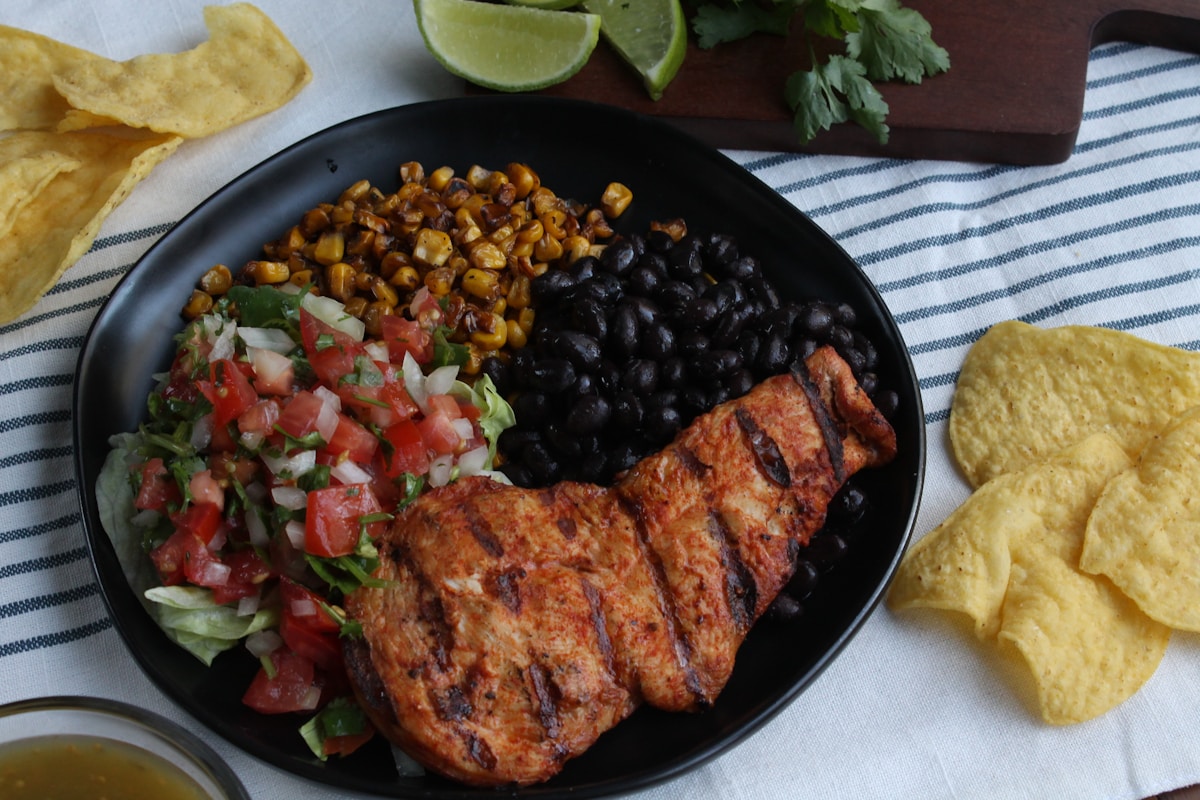
Have you ever dipped a chip into a bowl of pico de gallo expecting a burst of bright, zesty flavor, only to be met with… well, a sad, watery pile of chopped vegetables? It’s a common kitchen heartbreak. You see the vibrant red tomatoes, the sharp white onion, the flecks of green, and you think, “How hard can this be?” You chop, you mix, and yet, the magic isn’t there.
That magic, my friend, isn’t in the chopping. It’s in two ingredients that beginners often underestimate or even skip: fresh lime juice and cilantro. It’s so tempting to think of them as optional garnishes, but in the world of pico de gallo, they are the heart and soul of the dish. They aren’t just adding flavor; they are actively changing the chemistry in the bowl.
So, can you make pico de gallo without them? The short answer is no, not really—at least, not the classic, vibrant salsa you’re dreaming of. But don’t worry! Understanding why they are so crucial is the first step to mastering this simple, perfect condiment. And if you absolutely can’t use them, I have some surprisingly good workarounds for you.
The Two Pillars Lime and Cilantro
Think of a classic pico de gallo—sometimes called salsa fresca—as a small, perfectly balanced team. You have tomatoes for sweetness and body, onion for a sharp pungent kick, and jalapeño for a little heat. But they’re just individuals hanging out in a bowl until the coach and the star player show up.
-
Lime Juice is the Coach: Lime juice isn’t just there to make things sour. Its acidity is a powerful tool. It acts like a chemical conductor, brightening every other flavor in the bowl. It cuts through the richness of avocado, stands up to the saltiness of a tortilla chip, and makes the tomato taste more, well, tomato-ey. More importantly, as we’ll see, it chemically tames the raw onion.
-
Cilantro is the Star Player: Cilantro brings that unmistakable fresh, herbaceous, slightly peppery note that we instantly associate with Mexican and Latin American cuisine. It’s the high note in the flavor symphony. It provides a cool, green counterpoint to the heat of the jalapeño and the sharpness of the onion. Without it, the whole dish can feel flat and one-dimensional.
Skipping either of these is like trying to bake a cake without baking soda or sing a song without the melody. You’ll end up with something, but it won’t be what you were hoping for.
The Science What Happens When You Skip the Lime
Let’s put on our little kitchen lab coats for a second. This is where it gets really cool. The biggest challenge in making pico de gallo is controlling the raw onion. Straight out of the gate, a chopped white onion has a very aggressive, sulfurous bite that can easily overpower everything else.
This is where lime juice works its magic. The citric acid in the lime juice performs a little trick called denaturation. It’s a gentle form of “cooking” without any heat at all. The acid starts to break down the harsh compounds in the onion, mellowing its flavor significantly. That sharp, aggressive bite transforms into a pleasant, sweet crunch.
If you skip the lime juice, you’re left with what is essentially a raw vegetable salad. The onion will remain harsh and dominant, and the flavors will never truly merge or “marry.” That’s why letting your pico sit for at least 15 minutes after mixing is so important—it gives the lime juice time to do its job!
What if you’re out of limes? In a true emergency, you could use a splash of red wine vinegar. It will provide acidity, but it won’t be the same. Vinegar has a much sharper, more fermented flavor profile compared to the bright, floral notes of fresh lime. It’s a B-team substitute, but it’s better than nothing. (Please, never use bottled lime juice. Its flavor is cooked and metallic, and it will ruin your fresh salsa. Trust me on this one.)
The Great Cilantro Debate And What to Do About It
Now we come to the most controversial herb on the planet: cilantro. For most of us, it’s fresh, bright, and delicious. But for a significant portion of the population, a specific gene (hello, OR6A2) makes cilantro taste like a mouthful of soap.
If you’re in the “tastes-like-soap” club, please know you are not a picky eater! It’s real, it’s genetic, and you have my full sympathy. Forcing yourself to eat it won’t change anything. So, what can you do?
While nothing can perfectly replicate cilantro’s unique flavor, you still need a fresh herb to lift the pico and provide that necessary green counterpoint. Here are your best options:
- Best Substitute: Italian Parsley. Finely chopped flat-leaf (Italian) parsley is your number one choice. It provides a similar fresh, green, slightly peppery note and looks almost identical. It won’t taste like cilantro, but it will taste clean, fresh, and delicious in its own right.
- A Creative Twist: Parsley + Mint. For a little more complexity, try a mix of mostly parsley with just a tiny amount of finely minced fresh mint. The mint adds a surprising and delightful brightness that can help fill the void left by the cilantro.
- The Absolute No-Go: Dried Herbs. Whatever you do, do not use dried cilantro or dried parsley. Pico de gallo is all about freshness. Dried herbs have a dusty, muted flavor that has no place here. (Your future self will thank you for heeding this warning.)
My Never-Fail Classic Pico de Gallo Recipe
Ready to make the real deal? This recipe is simple, classic, and lets the fresh ingredients shine. The key is in the quality of your ingredients and the dicing technique.
Ingredients:
- 4-5 firm Roma tomatoes (they have fewer seeds and less water, which is key!)
- 1/2 a medium white onion
- 1 fresh jalapeño
- 1/2 cup packed fresh cilantro leaves, chopped
- The juice of 1 to 2 large limes (start with one, add more to taste)
- 1/2 teaspoon kosher salt (or more, to taste)
Instructions:
-
Prep the Tomatoes: Slice the tomatoes in half lengthwise. Use a small spoon to scoop out the watery seeds and pulp. This is the most important step to prevent a watery salsa! Now, dice the firm tomato flesh into a small, even 1/4-inch dice. Place it in a medium bowl.
-
Prep the Aromatics: Dice the white onion as finely as you can. The smaller the pieces, the better they will meld. For the jalapeño, slice it in half and, if you want less heat, scrape out the seeds and white membrane with a spoon. Mince it very, very finely. Add the onion and jalapeño to the bowl with the tomatoes.
-
Chop the Herb: Roughly chop your cilantro. Don’t pulverize it into a paste; you want to see the little green flecks.
-
Combine and Season: Add the chopped cilantro, the juice of one whole lime, and the 1/2 teaspoon of salt to the bowl. Stir everything together gently with a spoon.
-
Let it Marry! This step is non-negotiable. Cover the bowl and let it sit at room temperature for at least 15-30 minutes. This allows the salt to draw moisture from the tomatoes and the lime juice to work its magic on the onion. The flavors will meld and become so much more than the sum of their parts.
-
Taste and Adjust: After it has rested, give it one last stir and taste it with a chip. Does it need more salt? More lime for a brighter zing? Now is the time to adjust. Serve immediately.
Try This Tonight
You don’t need a party to practice. Tonight, just take one single Roma tomato, a small slice of onion, and a little bit of cilantro or parsley. Dice them up, squeeze a wedge of lime over the top, and add a pinch of salt. Mix it and let it sit for just 10 minutes while you prepare the rest of your meal. Spoon it over a simple grilled chicken breast, some scrambled eggs, or a baked potato. You’ll be amazed at how five minutes of effort can bring a world of fresh, vibrant flavor to your plate. Happy chopping!

