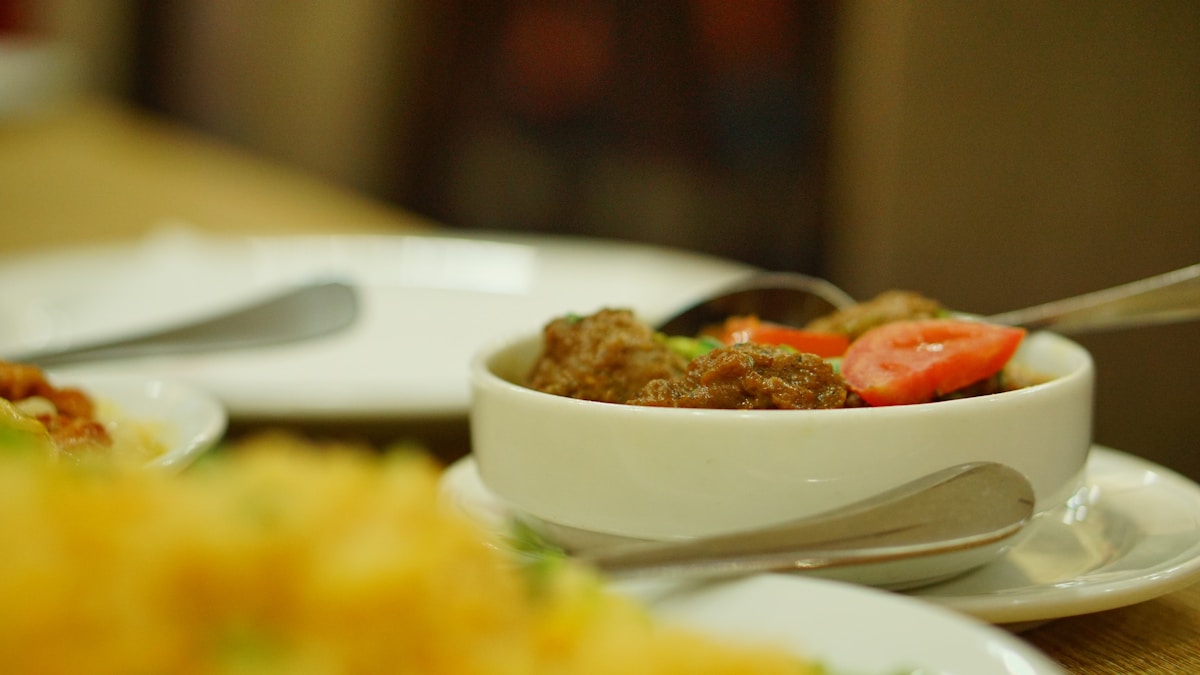
You peek under the lid of your slow cooker after six hours, expecting a rich, hearty stew that rivals your grandmother’s. Instead, you’re met with pale, gray meat floating in thin broth. The carrots are mushy, the potatoes are falling apart, and the flavor is… flat. Sound familiar? You’re not alone. Beef stew is one of the most comforting dishes in the world, but it’s also a classic place where small missteps add up to disappointment. The good news? Every single one of those mistakes is easy to fix. Let’s walk through the critical steps that turn a pot of tough meat and watery broth into a bowl of deep, savory comfort.
Why Browning the Meat Is Non-Negotiable
The biggest mistake beginners make is skipping the sear. I once thought browning was just for looks, but it’s the foundation of flavor. When you sear chunks of beef at high heat (around 400°F – 450°F on the stovetop), you trigger the Maillard reaction – a chemical process that creates hundreds of flavor compounds. Without it, your stew tastes like boiled meat. Here’s the trick: Pat your beef cubes dry with paper towels. Moisture is the enemy of browning – it creates steam, not crust. Then, heat a tablespoon of oil in a heavy pot (a Lodge cast-iron Dutch oven is perfect) until it shimmers. Add the beef in a single layer – don’t crowd the pan. Work in batches if needed. Let each side develop a deep, dark brown crust before flipping. (Trust me on this one.) Once all the meat is seared, set it aside and deglaze the pan with a splash of broth or wine, scraping up the browned bits. Those bits are pure gold.
Choosing the Right Cut – Don’t Waste Money on Sirloin
Another classic mistake is using a lean, expensive cut like sirloin or tenderloin. Stew needs tough, collagen-rich meat that breaks down into fork-tenderness during long, slow cooking. Your best friend is beef chuck roast. It’s well-marbled with fat and connective tissue, which melts into the broth and creates that silky, unctuous texture. I always buy a 2- to 3-pound chuck roast and cut it into 1½-inch cubes myself (pre-cut “stew meat” is often inconsistent and may include scrap pieces that cook unevenly). If you can’t find chuck, brisket or bottom round work, but chuck is king. And here’s a pro tip from the Reddit r/Cooking community: season the meat generously with salt and pepper before browning. Don’t be shy – a lot of flavor rides on that initial seasoning.
Stovetop, Slow Cooker, or Oven? The Temperature Truth
You have three main paths to tender stew: a slow cooker (around 200°F), a stovetop simmer (around 180°F – 200°F), or a 300°F oven. All work, but each has quirks. Slow cookers are fantastic for set-it-and-forget-it convenience, but they don’t reduce liquid well. If you use a slow cooker, you’ll likely need to thicken the sauce later (more on that in a moment). Stovetop simmering gives you more control – you can adjust the flame to maintain a gentle bubble – but you have to watch it. I love using a Dutch oven in the oven: 300°F for 2½ to 3 hours. The even heat surrounds the pot, so nothing scorches on the bottom. Whichever method you choose, keep the liquid at a gentle simmer, not a rolling boil. Boiling toughens the meat and turns vegetables to mush. The target internal temperature for the stew liquid should hover around 185°F – 195°F. If you’re using a slow cooker, that’s the “low” setting; most models run at about 200°F. For stovetop, use the lowest flame that still produces small bubbles.
Vegetable Timing – Don’t Let Everything Turn to Paste
For years I tossed carrots and potatoes in at the start, only to retrieve sad, translucent lumps three hours later. Root vegetables can handle a long cook, but they have different tolerances. Carrots, parsnips, and celery can go in early (after the aromatics), but they should be cut into large chunks – 1½ to 2 inches – so they hold their shape. Potatoes are trickier. Russet potatoes break down and thicken the stew, which some people love (hello, loaded stew!). But if you want distinct potato pieces, use waxy varieties like Yukon Gold or red potatoes, and add them halfway through cooking. For a 6-hour slow-cooker stew, add potatoes at the 3-hour mark. For a 3-hour oven braise, add them after 1½ hours. Also – and this is a game-changer – peas should always go in during the last 10 to 15 minutes. Overcooked peas turn into sad, olive-green specks. Stir in frozen peas right before serving, and they’ll warm through perfectly without turning drab.
Thickening – The Cornstarch Slurry vs. Flour Roux Debate
Thin, watery “gravy” is a common gripe in r/Cooking threads. There are two main ways to fix it. The traditional French method: make a roux. At the start, after browning the meat and before adding liquid, sprinkle 2–3 tablespoons of all-purpose flour over the onions and cook for a minute. This creates a thickening agent from the start. But if you forgot (or you’re using a slow cooker), a cornstarch slurry works beautifully. Whisk 2 tablespoons of cornstarch with 2 tablespoons of cold water until smooth, then stir it into the hot stew 15 minutes before you’re done. Let it simmer gently to activate the starch. (Your future self will thank you for this quick fix.) Another trick: mash some of the cooked potatoes directly into the broth – the natural starch thickens without altering flavor. I often do a combination: a light flour dredge on the meat before browning (season the flour with salt, pepper, and a pinch of smoked paprika) and then a slurry if needed at the end.
The Final Touch – Herbs and Acids for Balance
A great stew isn’t just savory – it needs brightness. Dried thyme and bay leaves are classic (add them with the liquid), but try a sprig of fresh rosemary too. And here’s a secret that professional cooks use: a splash of acid at the end. A tablespoon of red wine vinegar or a squeeze of lemon juice cuts through the richness and makes the flavors pop. Taste before you serve; if it seems flat, that’s your cue. Also, don’t forget salt. Season in layers – a pinch at each step – and taste at the end. You might need another ½ teaspoon of salt, especially if you used low-sodium broth.
A Simple Recipe to Try Tonight
Here’s a timeline that works every time:
- Prep (15 min): Cut 2 lbs chuck roast into 1½-inch cubes. Pat dry, season with 1 tsp salt and ½ tsp pepper. Dice 1 onion, 2 carrots, 2 celery stalks. Mince 3 garlic cloves.
- Browning (15 min): Heat 2 tbsp vegetable oil in a Dutch oven over medium-high heat. Brown beef in batches, about 4 minutes per batch. Set aside. Reduce heat to medium, add onion, carrot, celery; cook 5 minutes until softened. Add garlic and 2 tbsp tomato paste, cook 1 minute. Deglaze with ½ cup red wine (or broth).
- Simmer (3 hours): Return beef to pot. Add 4 cups beef broth, 1 tsp dried thyme, 2 bay leaves. Bring to a simmer, then cover and transfer to a 300°F oven. Cook for 1½ hours.
- Add potatoes (1½ hours in): Stir in 1 lb Yukon Gold potatoes, cut into 1-inch chunks. Return to oven, covered, for another 1½ hours.
- Finish (10 min): Remove from oven. Discard bay leaves. Stir in 1 cup frozen peas. If you want thicker gravy, mix 1 tbsp cornstarch with 1 tbsp cold water and stir in, simmering on stovetop for 2 minutes. Stir in 1 tbsp red wine vinegar. Taste and adjust salt.
- Serve: Ladle over mashed potatoes or crusty bread. (Yes, really.)
Try This Tonight
You don’t need to be a pro to make a stew that tastes like it simmered all day in a country kitchen. The key is remembering three things: brown the meat deeply, add potatoes halfway, and thicken if needed. Pick one of my 3-hour oven method or your slow cooker, and give it a shot. The first time you lift the lid and see that rich, glossy gravy, you’ll wonder why you ever settled for pale stew. Happy cooking!