It is Saturday morning, the bacon is ready, the toast is cooling, and suddenly you need six eggs without turning breakfast into three separate rounds. That is when skillet size matters more than an impressive-looking rim diameter.
For most smaller family breakfasts, a 10-inch to 10.25-inch cast iron skillet is the best cast iron skillet size to start with. It is manageable enough for everyday cooking but roomy enough for a modest batch of eggs, pancakes, bacon, and simple dinners. Choose a 12-inch skillet if you regularly cook several eggs with potatoes, vegetables, or bacon at the same time and can comfortably manage its weight, burner fit, and storage.
Key Takeaways
- A 10-inch to 10.25-inch skillet is the most versatile first cast iron pan for many households.
- A 12-inch skillet is better for frequent one-pan breakfasts and several fried eggs served at once.
- An 8-inch cast iron egg pan is useful for one or two eggs, but it is usually too small as a family’s main breakfast pan.
- The flat cooking surface matters more than the advertised rim diameter when comparing egg capacity.
- Better egg release depends on seasoning, gradual preheating, cooking fat, and moderate heat—not skillet size alone.
The Quick Answer: Choose by Household, Not Rim Diameter Alone
A 10-inch or 10.25-inch skillet is a sensible first choice for many households of two to four people. It handles a few fried eggs with reasonable spacing, a small pancake batch, bacon for a lighter breakfast, and everyday jobs such as sautéing vegetables or browning ground meat.
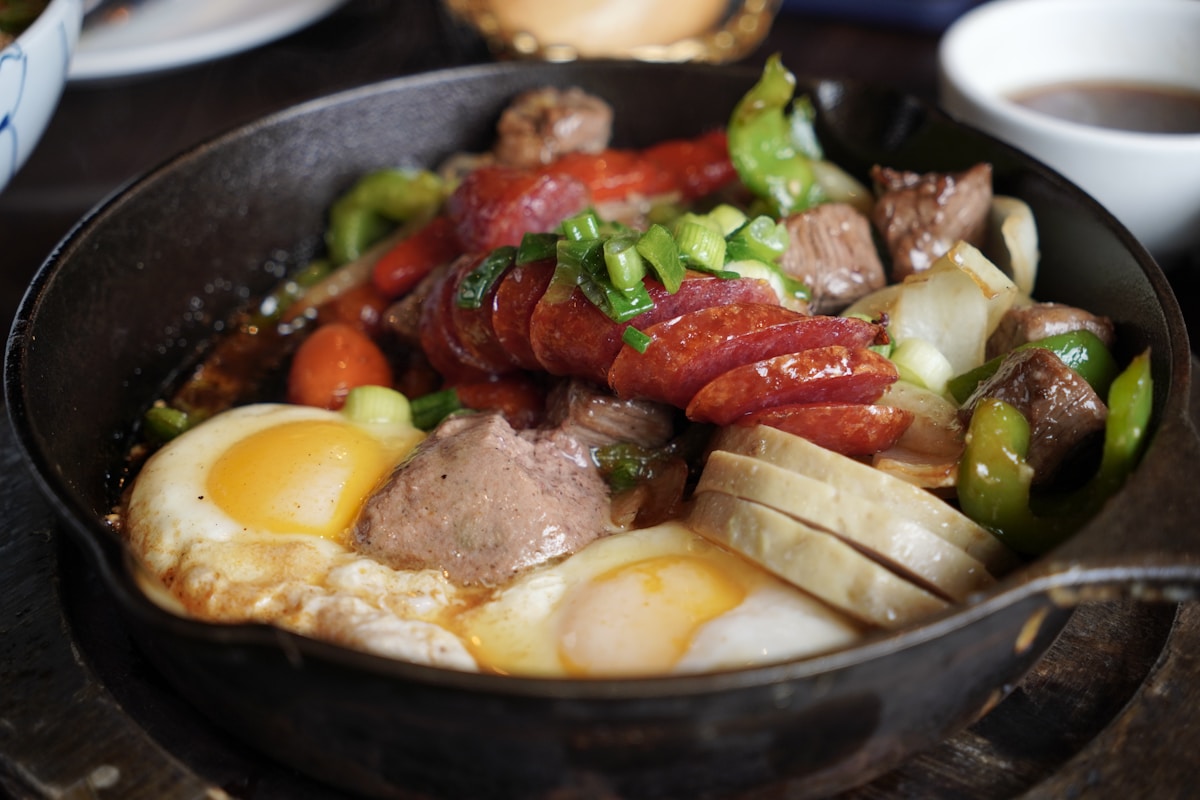
A 12-inch cast iron skillet is the stronger choice when breakfast is regularly a one-pan event. If you want eggs beside hash, peppers, sausage, or bacon, the extra room is genuinely useful. You are less likely to crowd ingredients or stack cooked food on top of food that still needs heat.
The trade-off is practical: a 12-inch skillet takes more effort to lift, more room to store, and more attention on a small burner. Bigger is not automatically better if it stays in the cabinet because it feels awkward to wash or move while full.
An 8-inch skillet is best viewed as a specialist. It is handy for one or two eggs, a personal frittata, reheating a small portion, or making a side dish while a larger pan handles the main breakfast. It is rarely large enough to be a family’s only cast iron pan for eggs.
Compare 8-Inch, 10-Inch, and 12-Inch Cast Iron Skillets for Eggs
The ranges below are planning guides, not universal capacities. Skillet walls, the size of the flat center, egg size, and the spacing you want between whites all affect what fits comfortably. Check the actual interior cooking-surface measurement for a specific model before buying.
| Skillet size | Usable space in practice | Approximate fried egg range with spacing | Best fit | Common breakfast jobs | Main trade-off |
|---|---|---|---|---|---|
| 8-inch | Small flat center; rim measurement overstates egg room | 1 to 2 eggs | One person, side dish, second pan | Personal eggs, small omelet, warming leftovers | Too small for a family’s main breakfast pan |
| 10-inch to 10.25-inch | Moderate working area for everyday cooking | About 3 to 4 eggs | Smaller families, batch cooking, first skillet | Eggs, pancakes, a few bacon strips, vegetables | May require a second egg batch for four hungry people |
| 12-inch | More room for separated eggs and add-ins | About 5 to 6 eggs, sometimes more depending on shape | Families and one-pan breakfasts | Eggs with hash, bacon, pancakes, larger dinners | Heavier, bulkier, and less forgiving on a small burner |
An 8-inch cast iron egg pan keeps a small egg batch close together, which can be useful when cooking for one. It also has less empty surface to manage. But once you cook eggs for several people, the whites can run together and serving becomes fiddly.
A 10-inch cast iron skillet is the all-purpose middle ground. It is often large enough to cook breakfast for two adults, or to make eggs in two quick batches while bacon or toast stays warm. For many cooks, that flexibility is more valuable than maximum capacity.
A 12-inch cast iron skillet gives fried eggs room to stay separate. That matters because crowded whites merge, edges can cook at different rates, and it becomes harder to slide a spatula under each egg without breaking yolks. The added area also makes a 12-inch family breakfast skillet better for cooking eggs alongside other ingredients rather than waiting for each component to finish.
For pancakes, surface area matters in the same way. A 10-inch pan generally supports a small batch, while a 12-inch pan is more comfortable for several pancakes at once. If you routinely make a large stack for a family, a griddle may be more efficient than either skillet.
What Skillet Size Means in Real Kitchen Use
A skillet’s advertised diameter commonly refers to the distance across the top rim. That is useful for comparing general pan size, but it is not the same as the flat area where eggs actually sit. Sloped sides can take away a surprising amount of working room, especially on smaller pans.
When comparing a cast iron pan for eggs, look for the interior flat cooking surface in the product details if it is provided. If it is not, inspect the pan in person when possible. A pan with a broad, flatter center can be more useful for fried eggs than another pan with the same rim diameter but steeper sides.
Egg spacing makes a noticeable difference. Leave a little room between eggs whenever possible so the whites do not flow together, the edges can cook more evenly, and a spatula can reach beneath each egg. This is why a pan that technically holds six eggs may not be the pan that comfortably cooks six fried eggs.
Burner fit is the next check. A 12-inch pan can sit on a standard range, but a small burner concentrates heat in the middle. Careful preheating helps reduce the difference between the center and outer edges, but it does not make every burner-and-pan combination behave identically.
Start with moderate heat rather than turning the burner high immediately. Let the skillet warm gradually, then adjust the heat before adding eggs. If your range tends to heat unevenly, moving or rotating the skillet carefully during preheating may help.
Weight should influence the decision as much as capacity. Cast iron is durable and retains heat well, but it is heavier than thin cookware. A large skillet loaded with eggs, bacon, and potatoes is harder to move from burner to table than an empty pan in a store display.
A helper handle is especially useful on a 12-inch skillet. It does not remove the weight, but it gives you a second point of control. Before buying, imagine lifting the pan with both hands while using dry oven mitts or dry heat-resistant grips.
Storage is another real constraint. Measure the cabinet, drawer, oven, or wall rack where the skillet will live. Also consider handle length: the body of a skillet may fit on a shelf while the handle prevents the cabinet door from closing.
Use this pre-purchase checklist:
- Measure your largest burner and compare it with the pan’s base, not only its rim.
- Measure the storage spot, including clearance for the long handle.
- Decide whether you will often lift the skillet while it is full.
- Consider how many eggs you cook at one time, not only how many people eat breakfast.
- Decide whether you prefer cooking in batches or serving everything from one pan.
- If possible, hold a similar-size pan before buying, especially a 12-inch model.
Get Cleaner Egg Release in Any Cast Iron Pan
A cast iron pan for eggs is not automatically nonstick because it is seasoned or because it is a certain size. Cleaner release comes from several factors working together: a maintained seasoning layer, gradual preheating, enough cooking fat, and controlled heat.
Start with a clean, dry skillet. Warm it over low to moderate heat for a few minutes instead of rushing it over high heat. Cast iron needs time to heat through, and aggressive heat can leave the center too hot before the rest of the cooking surface catches up.
Add your preferred fat after the skillet has warmed. Butter adds flavor but can darken quickly if the pan is too hot, while oil is often more forgiving. Let the fat coat the cooking surface, then add the eggs gently rather than dropping them into a smoking-hot pan.
For fried eggs, leave room between each egg whenever possible. Space helps keep whites separate and gives your spatula a clear path under the edges. It also makes it easier to notice when one egg is cooking faster than another.
If eggs stick, do not assume the pan is ruined or that you bought the wrong size. The pan may not have been preheated enough, the heat may have been too high, there may not have been enough fat, or the eggs may have been moved before the cooked edges released.
After cooking, let the skillet cool enough to handle safely and clean it according to the manufacturer’s current instructions. Dry it thoroughly after washing, since lingering moisture can lead to rust, then maintain the cooking surface as directed for your skillet.
Cast iron handles and helper handles become hot during cooking. Use a dry mitt or dry heat-resistant grip when moving the pan, and keep the handle position in mind around a busy breakfast workspace.
Choose One Versatile Skillet, Two Sizes, or a Breakfast Griddle
Buy one 10-inch to 10.25-inch skillet if you want the simplest starting point. It is the most balanced option for cooks who make eggs for one or two people most days, occasionally feed a small family, and do not mind making a second batch when needed.
Choose one 12-inch skillet if your normal breakfast includes multiple eggs plus other ingredients. It earns its cabinet space when you frequently cook hash, vegetables, sausage, or bacon and want to bring everything together at the end. Make sure your largest burner and your grip can support that plan.
Consider two skillet sizes if your cooking changes from day to day. An 8-inch skillet plus a 12-inch skillet is a practical pairing for someone who makes solo eggs on weekdays and larger breakfasts on weekends. The small pan avoids heating and cleaning a large piece of cookware for one egg, while the 12-inch is ready for family meals.
A 10-inch plus 12-inch pairing is another useful option for households that cook often. Use the 10-inch pan for eggs or vegetables while the 12-inch handles bacon, potatoes, or a main dish. Two pans also reduce the pressure to crowd every breakfast component into one skillet.
Choose a griddle instead when pancakes or bacon are the main reason you want more area. A broad griddle gives more open space for several pancakes or strips of bacon. It can be a better tool than an oversized skillet if you regularly cook a large breakfast spread.
The decision rule is simple: choose an 8-inch pan for one or two eggs, a 10-inch to 10.25-inch pan for everyday versatility and smaller family breakfasts, and a 12-inch pan for frequent multi-egg, one-pan meals. If the bigger pan feels too heavy, does not suit your burner, or creates a storage headache, a 10-inch skillet plus a second pan is usually the better long-term choice.
FAQs
What is the best cast iron skillet size for cooking eggs for a family?
For many families, a 10-inch to 10.25-inch skillet is the most versatile first purchase, especially if breakfast is cooked in batches. A 12-inch skillet is better for regularly cooking several fried eggs at once or combining eggs with bacon, potatoes, and vegetables.
Is a 10-inch cast iron skillet large enough for breakfast for four?
It can be large enough if you cook in stages or if eggs are only one part of the meal. For four people who each want fried eggs served together, a 12-inch skillet usually offers more comfortable spacing. The exact result depends on the pan’s flat cooking area and the size of the eggs.
Why do eggs stick to a cast iron skillet even when it is seasoned?
Seasoning helps, but it is only part of the result. Sticking often comes from adding eggs before the pan is properly warmed, using too much heat, using too little fat, or trying to move the eggs before the cooked edges release. A clean, maintained pan and a calmer preheat routine usually make a noticeable difference.