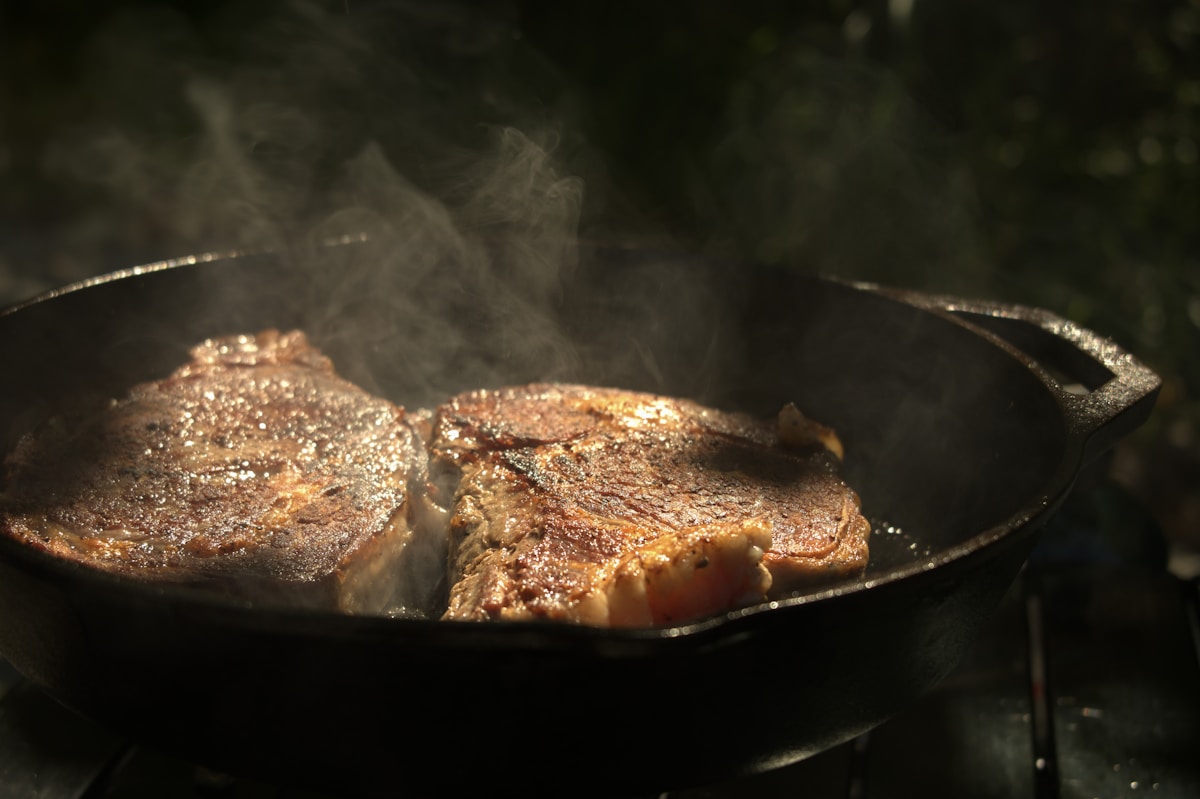
You are halfway through dinner when the skillet suddenly feels heavier than expected. The food is ready, the sink is small, and you are wondering whether a smoother, more expensive pan would have been easier to use.
The best cast iron skillet for a beginner is not automatically the smoothest, heaviest, or most expensive model. It is the pan you can comfortably lift, heat, clean, dry, and store regularly. For many kitchens, that means a medium round skillet with factory seasoning, manageable weight, and a handle that feels secure.
Key Takeaways
- Choose skillet size according to your usual portions, burner space, storage, and lifting comfort.
- A smooth surface can feel easier to use, but a textured preseasoned skillet can still cook very well and often costs less.
- Factory seasoning is a starting layer, not permanent nonstick coating; regular use and proper drying still matter.
- Uneven color is often cosmetic, while active rust, cracks, severe warping, deep pitting, or obstructive buildup deserve attention.
- For many beginners, a 10-inch or 10.25-inch round skillet offers a practical balance of capacity, control, and storage.
Choose the right cast iron skillet size for everyday meals
Start with the food you normally cook, not the largest pan you can fit on the stove. A skillet that is too small crowds ingredients, while an oversized model takes more storage space and can be awkward to lift when full.
| Nominal size | Usually suits | Main advantages | Main drawbacks |
|---|---|---|---|
| 8 inches | One person, small sides, eggs, grilled sandwiches | Easier to lift and store | Limited space for larger portions |
| 10 inches | One or two people, small dinners, cornbread | Good balance of capacity and weight | May feel tight for several servings |
| 10.25 inches | Two to three people, steaks, vegetables, skillet meals | Versatile everyday size | Heavier than a small skillet when full |
| 12 inches | Several people, frying, batch cooking | More surface and less crowding | Heavier and harder to wash and store |
The label does not always equal the usable cooking surface. Manufacturers may measure the rim, the outside diameter, or use a traditional size number. Before buying, check the listed dimensions and compare them with your largest burner, oven rack, sink, and storage shelf.
For one person, an 8-inch or 10-inch skillet can make sense if you usually cook one portion at a time. For two people, a 10-inch or 10.25-inch model is often more flexible. A household cooking for several people may prefer a 12-inch skillet, but only if the cook can comfortably move it and has somewhere practical to keep it.
A medium round skillet is the most versatile starting point for many kitchens. It works for searing, frying, roasting vegetables, baking cornbread, and making one-pan meals. Its curved shape also suits round burners and common lids.
A square cast iron pan can be useful for brownies, cornbread, toasted sandwiches, or foods that fit naturally into corners. It may provide convenient space for some baked dishes, but it is not automatically more versatile. Square pans can be less convenient to pour from, store, or match with a lid. Choose one because its shape fits your cooking, not simply because it looks different.
Compare smooth, textured, and preseasoned cooking surfaces
A smooth cast iron pan usually feels more polished under a spatula. A traditional factory finish may feel visibly or noticeably textured. Both can cook well, and surface texture is only one part of the experience.
A smoother surface may make delicate foods feel easier to release once the pan is properly heated and seasoned. It can also make scraping away residue feel simpler. However, smoothness does not guarantee effortless eggs, and a textured skillet is not automatically poor quality. Heat control, cooking fat, seasoning condition, and the food itself still matter.
Traditional affordable skillets, including common Lodge Classic-style designs, often appeal to beginners because they are widely available and commonly sold as preseasoned cookware. More polished lines, such as Lodge Blacklock, Victoria Signature, Field Company, Smithey, or similar models, may emphasize a smoother finish, lighter construction, or more refined handle details. Those features can improve the feel of daily use, but they do not make a lower-priced skillet incapable of searing or baking.
“Preseasoned” means the manufacturer has applied an initial oil-based seasoning layer to the iron. It is a useful starting point, not a permanent nonstick coating and not a promise that the pan needs no care.
Expect seasoning to develop gradually. Cooking with some oil, avoiding trapped moisture, and following the manufacturer’s cleaning and drying instructions generally matter more than trying to create a perfect finish immediately. You do not need to judge a new skillet by whether an egg slides around on its first use.
Color variation is also common. Bronze areas, dull patches, darker edges, or an uneven-looking surface can be cosmetic, particularly on a new or recently maintained pan. Look more closely if you see active orange or red rust, a crack, severe warping, deep pits, or rough buildup that catches food and interferes with cooking.
A small area of discoloration is different from flaking material or a structural defect. If the cooking surface has a raised layer of carbonized residue, do not assume it is normal seasoning simply because it is dark. Routine cleaning and restoration are separate tasks, and the product’s care instructions should guide the approach.
Weigh handle design, helper handles, and everyday control
Weight affects nearly every part of ownership. A heavy skillet can feel stable and retain heat effectively, but that benefit is less useful if you hesitate to lift, pour from, or wash it. A lighter design can be easier to maneuver, especially for people with limited grip strength or a small sink, but it may cost more or have different proportions.
Do not compare weight in isolation. A skillet’s balance depends on the body, long handle, helper handle, and where the food sits. Imagine lifting the pan empty with one hand, then carrying it with a meal inside using two hands. If that sounds uncomfortable, choose a smaller or lighter option.
The long handle should leave enough room from the burner and fit your hand without forcing your wrist into an awkward angle. Some handles are broad and flat, while others are rounded or narrow. A wide handle can feel stable but may occupy more cabinet or stovetop space. A short handle can make storage easier but may put your hand closer to the hot pan.
A helper handle is especially useful on a 12-inch skillet or any model that feels front-heavy. It gives you a second grip for moving the pan from the stovetop to the oven or sink. It does not remove the need for caution: the pan and its handles can become hot, and a full skillet is still heavy.
Pour spouts are convenient for draining fat, pouring sauce, or transferring batter. Two spouts can help left- and right-handed cooks, but they also reduce the uninterrupted rim area. If you mostly serve directly from the skillet or use it for baking, spouts may be optional.
Storage deserves a buying check. Measure shelf height, cabinet depth, and the space around your cookware. A skillet wedged behind other pans is less likely to become your everyday pan.
Compare beginner-friendly cast iron skillet options
The following comparison describes design categories rather than universal rankings. Exact dimensions, weights, seasoning details, oven limits, and prices vary by size and model, so check the current manufacturer listing before purchasing.
| Option type | Typical size range | Surface | Handle features | Preseasoning | Best for | Price tier |
|---|---|---|---|---|---|---|
| Traditional affordable skillet, such as Lodge Classic | Small to large | More textured factory finish is common | Long handle; larger sizes may include a helper handle | Commonly sold preseasoned | First-time buyers and regular cooking | Budget to moderate |
| Lighter traditional design, such as Lodge Blacklock | Several everyday sizes | Finish varies by model | Designed around lower weight and handling | Check the current model listing | Cooks who want classic cast iron with easier lifting | Moderate |
| Refined mid-priced design, such as Victoria Signature | Several sizes | A smoother finish may be offered | Split or shaped handle designs vary | Check the current model listing | Buyers who value finish and handle details | Moderate to premium |
| Vintage-style premium skillet, such as Field Company or Smithey | Everyday medium and large sizes | Smooth or polished-style surface | Design-led handles and helper features vary | Check the current model listing | Buyers willing to pay for finish and balance | Premium |
| Square cast iron pan | Commonly medium to large | Textured or smooth, depending on maker | Shape may change grip and storage needs | Often available preseasoned | Brownies, cornbread, sandwiches, and corner-fitting foods | Budget to premium |
Paying more may be worthwhile if you strongly value a smoother surface, lighter body, refined balance, or a handle that suits your hand. It is less worthwhile if the skillet will be used only occasionally or if a basic model already fits your kitchen well.
An affordable preseasoned pan remains a good value for many beginners. The money saved could go toward a lid, heat-resistant handle cover, or a second smaller skillet. A premium pan is a preference purchase, not a requirement for learning cast iron cooking.
Match the skillet to cooking, care, and storage habits
Cast iron is useful for foods that benefit from steady heat and a sturdy cooking surface. Common examples include steaks, burgers, roasted vegetables, fried foods, cornbread, brownies, and oven-to-table dishes. These tasks can also be done in other cookware, so buy cast iron for the way you cook rather than because it is supposedly necessary.
For searing, follow the recipe and heat the pan appropriately for your stovetop. Avoid judging performance after dropping cold, wet food into a barely heated skillet. For baking, verify that the pan’s handles and any lid or accessory are suitable for the intended oven use.
Delicate foods and dishes with acidic ingredients may require more attention to the seasoning and the manufacturer’s guidance. If a recipe involves a long simmer, delicate sauce, or ingredients that commonly cling, another pan may be more convenient.
Routine cleaning should begin with removing food residue while the pan is still practical to handle. Use the cleaning method recommended for your specific skillet, then dry it thoroughly before storage. If the manufacturer recommends a light coating of oil after drying, apply enough to protect the surface without leaving it wet.
Do not store the skillet while damp, and avoid trapping moisture beneath another pan. If stacking cookware, use a separator that will not hold water against the iron or scratch nearby surfaces. Store the pan where you can reach it without pulling a heavy stack down onto yourself.
Rust removal, old carbon buildup, and a neglected pan require a different process from everyday washing. Follow the manufacturer’s care guidance, and inspect the cookware afterward for cracks, deep pitting, or warping. If the base rocks noticeably on a flat surface or the cooking surface has a structural defect, replacement may be more sensible than continued restoration.
Also verify whether the pan suits your stovetop. Cast iron may work on many common stovetops, but the pan’s base shape, weight, and surface can affect practicality on glass or induction-style cooking surfaces. Check the manufacturer’s instructions for oven limits, stovetop use, accessory compatibility, and care before relying on a specific model.
Make the final choice: the best cast iron skillet for a beginner
Use this order when choosing your first pan:
- Choose the diameter based on your usual portions and available storage.
- Check the actual weight, not just the nominal size.
- Confirm that the long handle and helper handle feel manageable for your grip and sink.
- Decide whether a traditional texture is acceptable or whether a smoother surface is worth the extra cost.
- Confirm preseasoning, oven use, stovetop compatibility, and care instructions.
- Buy the pan you will use regularly, not the one with the most impressive specifications.
For many beginners, a 10-inch or 10.25-inch round preseasoned skillet is a practical middle ground. Choose smaller for single portions and easier handling, or larger when you regularly cook for several people and can manage the weight. Pick a square pan when brownies, cornbread, sandwiches, or its specific shape are central to your cooking.
The best cast iron skillet may be an affordable Lodge Classic-style pan, a lighter design, or a smoother premium skillet. The right answer depends on whether your priority is low cost, easy lifting, a refined cooking surface, or long-term comfort. A pan with slightly uneven color can still be perfectly usable; a pan that is cracked, severely warped, actively rusting, deeply pitted, or covered in obstructive buildup deserves closer attention.
Before checkout, confirm the diameter, cooking-surface dimensions, weight, handle design, helper handle, pour spouts, preseasoning, oven limits, stovetop compatibility, storage fit, and care requirements. If those details suit your kitchen, you have probably found a better match than a supposedly universal “best” skillet.
Frequently asked questions
What size cast iron skillet is best for a beginner?
A 10-inch or 10.25-inch round skillet is a useful starting point for many people because it handles ordinary meals without the bulk of a large pan. Choose 8 inches for mostly single portions, or 12 inches for several servings if you are comfortable with the added weight and storage needs.
Is a smooth cast iron pan better than a textured preseasoned skillet?
Not automatically. A smooth surface can feel easier to release food from and clean, but a textured preseasoned skillet can still perform well and often costs less. Prioritize a manageable size and weight before paying extra for surface finish.
What does preseasoned mean?
It means the manufacturer has applied an initial oil-based seasoning layer. It gives the pan a useful starting surface, but it is not permanent nonstick coating. Regular use, thorough drying, and the manufacturer’s recommended care help maintain and improve the finish.
How can I tell whether discoloration or roughness is cosmetic?
Uneven color, dull patches, and minor surface variation can be harmless. Active rust, cracks, severe warping, deep pitting, flaking material, or rough buildup that catches food are more serious signs. When in doubt, stop treating the issue as purely cosmetic and inspect the pan against the manufacturer’s guidance.