A tall layer cake looks impressive until you try to make every layer even. You can bake a regular cake, slice it horizontally, and hope the cuts stay level—or use shallow pans designed to bake separate layers from the start.
So, are Wilton Easy Layers pans worth buying? They can be, especially if you regularly make tall birthday cakes, ombré cakes, or colorful multi-layer designs. They are less compelling if you mostly bake ordinary two-layer cakes or want one set of pans that can handle many different jobs.
The key point is that Wilton Easy Layers pans are a specialized workflow, not a universal replacement for standard cake pans. Their value comes from more consistent thin layers, while the costs include extra preparation, cleaning, storage, and limited versatility.
Key Takeaways
- Easy Layers pans can simplify evenly sized thin layers for tall, colorful, or decorated cakes.
- They require more batter portioning, oven space, cooling room, cleanup, and storage than standard pans.
- Weighing the batter into each prepared pan is the most reliable way to keep layers even.
- Thin layers can dry out quickly, so begin checking for doneness earlier than you would with a tall cake.
- Frequent celebration-cake bakers may find the set worthwhile; occasional bakers may get better value from standard pans or borrowing a specialty set.
What Wilton Easy Layers Pans Are Designed to Do
Wilton Easy Layers pans are shallow cake pans intended to bake several thin layers for one stacked cake. Instead of baking two tall layers and cutting each one in half, you divide the batter among the shallow pans and assemble the finished cake with frosting or filling between each layer.
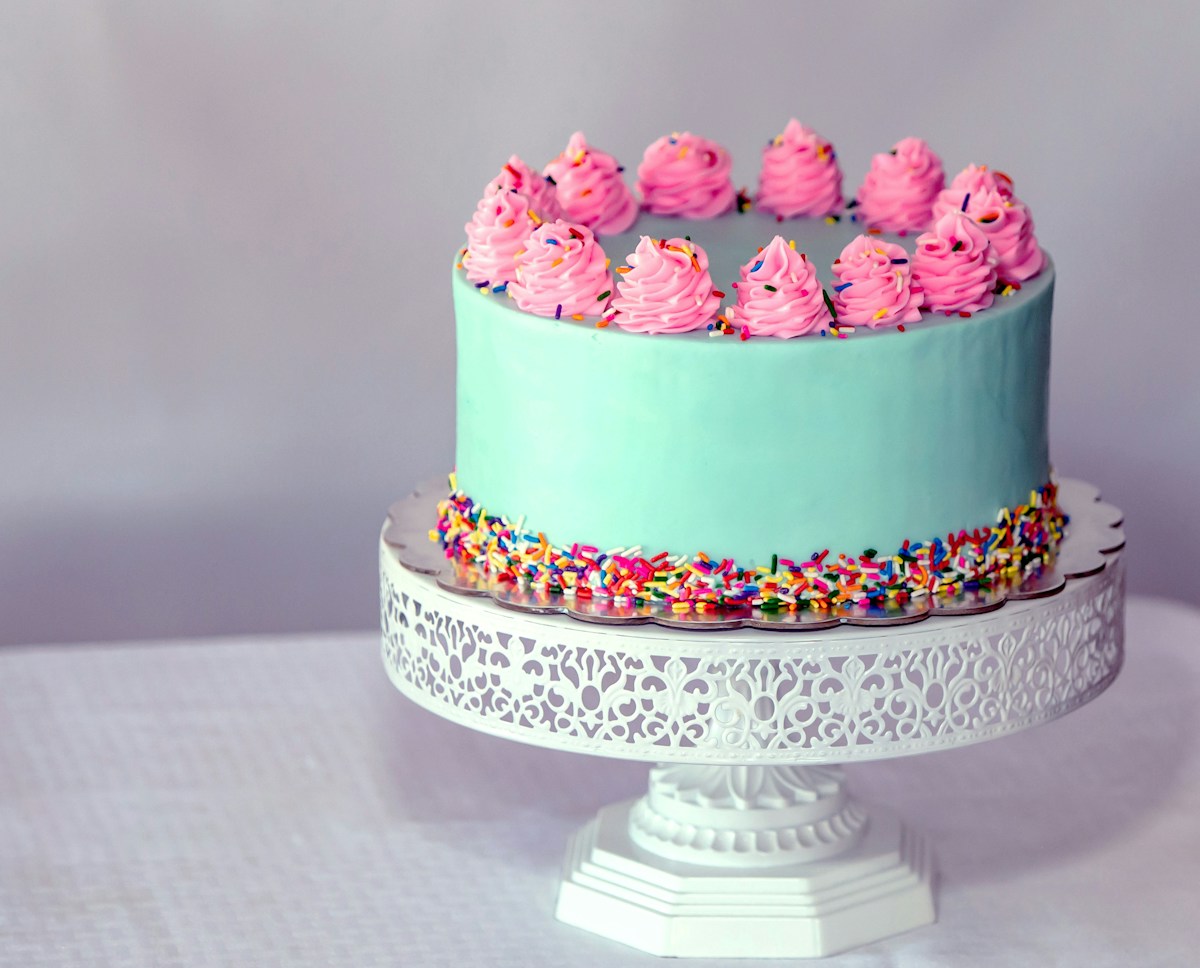
This format suits cakes where the layers are part of the visual effect. A birthday cake with contrasting colors, a rainbow or ombré cake, and a tall celebration cake can all benefit from distinct, evenly sized layers. The pans also reduce the amount of horizontal slicing required after baking.
Before buying, check the exact current package or manufacturer instructions. Wilton has sold different bakeware formats over time, and you should not assume every Easy Layers product has the same pan count, dimensions, material, coating, temperature limit, or cleaning instructions. The box, product page, or included documentation should settle those details.
That verification matters because “five-layer cake pan set” is often used as a general description, while a particular package may differ. Confirm how many pans are included, their diameter and depth, whether they have a coated surface, and the permitted oven and care instructions before planning a recipe.
Compared with standard round cake pans, these small layer cake pans have less capacity and a narrower purpose. Standard pans are useful for two-layer cakes, single-layer cakes, brownies, bars, and other recipes, depending on their shape and material. Easy Layers pans are mainly valuable when you specifically want several thin layers without cutting a tall cake.
Easy Layers Pans Versus Baking and Slicing a Tall Cake
There are two practical ways to make a multi-layer cake.
With Easy Layers pans, you prepare several pans, portion the batter, bake the layers, cool them, and stack them. The layers are already relatively thin, so there is usually less need to split them horizontally. This can make layer thickness more predictable, particularly for bakers who do not feel confident trimming a cake evenly.
With standard pans, you bake two or more taller layers and cut them horizontally after cooling. This uses equipment you may already own and gives you more flexibility over the final cake height. However, slicing introduces another opportunity for uneven layers, crumbs, or a tilted stack.
Direct-baking thin layers has several advantages:
- You can create a clearly defined color or flavor in each layer.
- Each layer starts close to the intended thickness.
- There may be less waste from aggressive trimming.
- The finished cake can have a neat, dramatic appearance.
- You do not need to make a long horizontal cut through a tall, delicate cake.
The disadvantages are just as practical:
- Several pans need to be greased, filled, baked, cooled, and washed.
- Thin layers can dry out quickly if left in the oven too long.
- You need enough counter or rack space for the baked layers.
- The set may occupy cabinet space while doing little outside this one task.
- A tall cake can require more filling, frosting, chilling, and transport care.
For a useful cake-pan comparison, think about frequency rather than novelty. If you make one multi-layer birthday cake every few years, standard pans are probably the better value. If you make decorated celebration cakes several times a year and dislike cutting layers, the convenience becomes easier to justify.
How to Use Easy Layers Pans for More Even Results
Start with the recipe, not a guessed volume. The correct total batter amount depends on the recipe, the pan dimensions, the desired layer height, and the manufacturer’s instructions. Use the guidance supplied for the current model when available. If it is not, a reliable pan-volume method can help you compare the capacity of the shallow pans with the recipe’s original pan size, but it is still wise to make a small test batch before an important event.
Prepare every pan before mixing or dividing the batter. Follow the recipe and pan instructions for greasing and lining. If you use parchment, cut pieces that fit the bottoms without folding up into the batter. Arrange the pans so you can fill them promptly and place them in the oven without leaving some to sit while the batter changes.
For even portions, weighing the batter is the most dependable home method. Place a prepared pan on a kitchen scale, tare it, add batter to the target weight, and repeat for the other pans. If the recipe contains separate colors or flavors, mix each portion thoroughly before weighing so the ingredients do not settle unevenly.
If you do not have a scale, use the same measuring cup for every pan and count the portions carefully. A scale is preferable because small differences become noticeable when several layers are stacked. One thick layer and one thin layer may also bake at different rates.
Do not automatically assume all pans will fit safely in your oven at once. Check the interior width, rack position, and clearance around the pans. The pans should not touch the oven walls, heating elements, or one another, and they need enough room for heat to circulate according to the recipe and manufacturer instructions. If you must use multiple racks, expect that the layers may brown or bake at different rates. Rotate them only if the recipe and oven layout make that practical.
Begin checking for doneness earlier than you would with a tall cake. Thin layers have less distance for heat to travel and can move from underbaked to dry quickly. Look for visual signs appropriate to the recipe, such as a set surface and edges that appear baked, then use a suitable cake tester or gentle-touch test if that method fits the cake.
Avoid relying on a universal baking time. Oven calibration, batter composition, pan material, fill level, and the number of pans in the oven all affect the result. Record what happened with your first batch so you can adjust the next one.
Common problems include:
- Dry edges: The layers stayed in the oven too long, the pans were filled unevenly, or the oven runs hot. Check earlier next time and avoid leaving finished layers in hot pans unnecessarily.
- Uneven thickness: The batter was divided by eye or the pans were not level. Weigh portions and set the pans on a level rack.
- Domed layers: The recipe, oven, or pan arrangement may encourage uneven rising. A thin layer may need little or no trimming, so avoid cutting automatically.
- Underbaked centers: A layer may have been overfilled, the oven may have been crowded, or it may simply need more time. Test the center rather than judging only by color.
- Overfilled pans: Batter can rise over the edges, leaving a distorted layer and difficult cleanup. Use the product guidance and leave appropriate headroom.
Cooling, Stacking, and Decorating a Five-Layer Cake
Let the layers cool according to the recipe and pan instructions before attempting to stack them. Warm thin layers are fragile, and frosting between them can soften or slide while the cake is still releasing heat. Move each layer carefully to a rack or flat surface once it is firm enough to handle.
Do not trim every layer just because you can. If the tops are reasonably flat, a thin filling layer can often disguise minor variation. If a layer has a pronounced dome or uneven edge, level it after it has cooled completely, using a sharp serrated knife and a stable surface.
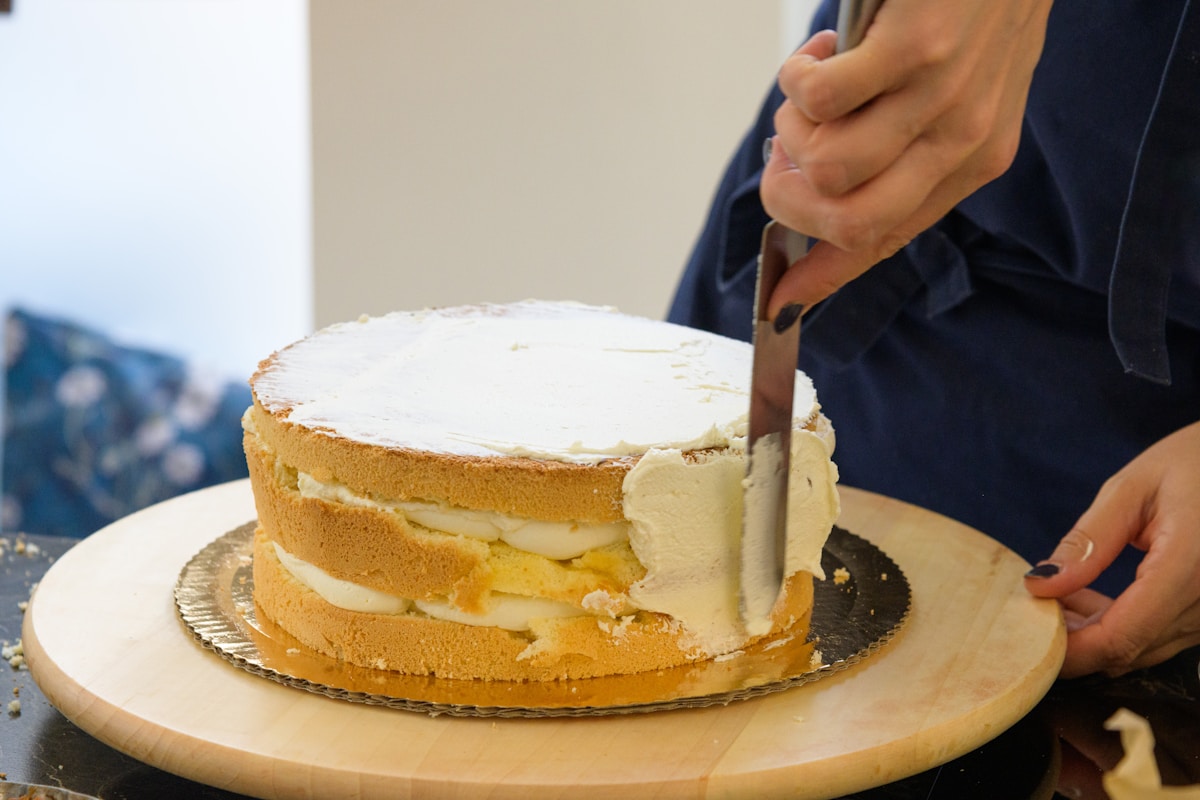
Use a filling with enough body to stay in place, but follow the recipe’s storage and refrigeration guidance. Spread each layer evenly rather than piling filling in the center. A turntable, offset spatula, or measured scoop can help keep the stack centered.
Once assembled, apply a thin crumb coat and chill the cake if the recipe and frosting allow it. Chilling can make the exterior easier to finish, but it does not guarantee that a tall cake will remain stable in every condition. Filling texture, cake softness, frosting, humidity, supports, and transport all matter.
For transport, keep the cake level and cool it as appropriate for the recipe. Use a container that does not press against the decoration, and avoid carrying a tall, freshly assembled cake farther than necessary before it has had time to firm. If the cake will sit out, follow the recipe’s guidance for its particular filling and frosting rather than assuming every finished cake has the same room-temperature tolerance.
Cutting also benefits from patience. A tall cake may compress or slide if the filling is soft. Use a clean, appropriately sized knife and make deliberate cuts rather than pressing hard through the entire stack.
Cleaning, Storage, and Everyday Practicality
Check the current manufacturer instructions before putting the pans in a dishwasher. Do not assume dishwasher safety simply because a pan is metal or coated. If hand-washing is recommended, use warm water, mild dish soap, and a soft sponge, then dry the pans thoroughly.
Coated surfaces deserve extra care. Avoid metal knives, sharp utensils, abrasive pads, and harsh cleaners unless the instructions specifically permit them. Scratches or damaged coating can make release more difficult and may be a reason to replace a pan, particularly if it has also warped or rusted.
The cleanup workload is larger than with two standard pans. You may need to grease several pans, wash several pans, clean the scale and bowls, and clear enough space for multiple cooling layers. That is manageable for a planned celebration cake, but less attractive when you want a quick weeknight bake.
Storage is another trade-off. Shallow pans may nest or stack, but the shape and handles—if the particular model has them—can still take more room than expected. Measure your cabinet or drawer before buying. Keep the pans dry, avoid placing heavy objects on a coated surface, and use a soft separator if stacking risks scratches.
Who Should Buy Wilton Easy Layers Pans?
Buy Wilton Easy Layers pans if you regularly make tall celebration cakes, want clearly defined thin layers, or find horizontal cake slicing frustrating. They are especially useful for bakers who enjoy ombré, rainbow, and multi-flavor cakes and are willing to weigh batter, check layers early, and clean several pans.
Skip them if you mostly make two-layer cakes, have limited cabinet space, or want bakeware that works across many recipes. A pair of versatile standard cake pans is usually the more practical choice for occasional bakers and beginners building a basic bakeware collection.
Borrowing makes sense when you are making one themed cake for a birthday or event and may not repeat the project. Buying secondhand can also be reasonable, provided the complete set is present and the pans are not warped, badly scratched, rusty, or showing damaged coating. Ask for clear photos and verify that the used set matches the instructions you can find for that model.
A sale can improve the value, but price alone should not decide the purchase. Consider the full cost in cabinet space, preparation time, cleaning, and the likelihood that you will make another multi-layer cake.
Verdict: Wilton Easy Layers pans are worth buying for frequent decorated-cake bakers who value consistent thin layers more than versatility. For everyone else, standard pans—or borrowing a specialty set for a one-off project—usually delivers better value.
Frequently Asked Questions
Are Wilton Easy Layers pans easier to use than slicing a tall cake into layers?
They can be easier for achieving several similarly sized layers because the pans bake the layers separately. However, you must divide the batter accurately and manage more pans. Bakers who are comfortable using a serrated knife may prefer standard pans for their greater flexibility.
How much batter goes into each Wilton Easy Layers pan?
There is no reliable universal amount for every recipe or model. Use the current manufacturer guidance and the recipe’s pan-volume requirements. For the most even results, weigh the total batter and divide it equally among the prepared pans, staying within the recommended fill level.
Can Wilton Easy Layers pans be washed in the dishwasher and stored nested together?
That depends on the exact model and its current care instructions. Confirm dishwasher guidance before cleaning them that way. They may stack or nest, but check your cabinet dimensions and protect any coated surfaces from scratches during storage.