What Dish Depth Makes the Best Tiramisu Layers?

Why Your Tiramisu Dish Depth Matters

Picture this: You’ve carefully made the mascarpone cream, brewed strong espresso, and dipped each ladyfinger for just the right amount of time. You layer everything in what you think is a perfectly good baking dish, pop it in the fridge, and wait. Hours later, you pull out a tiramisu that looks… flat. The layers are barely visible, the cream-to-cookie ratio is off, and the whole thing feels more like a pudding than the majestic Italian dessert you dreamed of. I’ve been there, and so have countless others on the r/Baking subreddit. The culprit is almost always the dish depth.

How Do You Cut Lemon Bars Without Them Sticking and Falling Apart?

How Do You Cut Lemon Bars Without Them Sticking and Falling Apart?

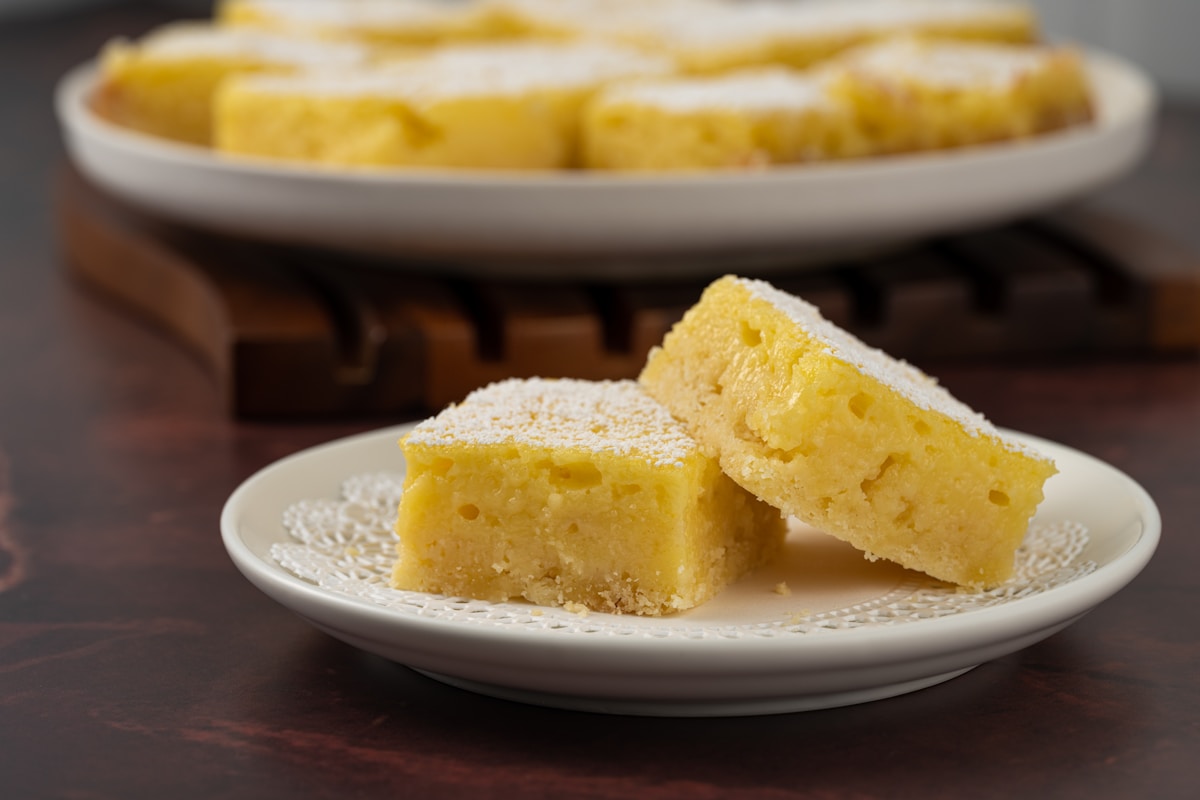
You pull a beautiful pan of lemon bars out of the fridge. The filling is perfectly set, the shortbread crust is golden, and the powdered sugar dusting looks like fresh snow. You grab a knife and confidently make the first cut — only to watch the sticky lemon curd drag across the blade, pulling the top layer apart and leaving behind a sad, smeared mess. Sound familiar? You are not alone. Cutting lemon bars cleanly has stumped home bakers and even professional pastry chefs for ages. In fact, a recent Reddit thread in r/KitchenConfidential showed servers laughing over a pan of lemon bars that was butchered during plating, then neatly fixed by a colleague. The caption simply read “No notes.” So what is the secret to getting those perfect, photogenic squares? It comes down to a few simple techniques that anyone can master. Let me walk you through them.

Why do my homemade dessert photos look so unappetizing

Why do my homemade dessert photos look so unappetizing

You’ve done it. Hours of precise measuring, mixing, and patient waiting have culminated in a masterpiece: a triple-layer chocolate cake with a ganache so glossy you can see your reflection. It tastes divine. You grab your phone to capture its glory for the world to see, and… the photo looks flat. The lighting is a strange shade of yellow, harsh shadows obscure the details, and the ganache looks more like a dull puddle than a shimmering cascade. All that artistry, reduced to a sad, unappetizing snapshot.

How Do You Stop Fresh Strawberries From Making a Cake Soggy

How Do You Stop Fresh Strawberries From Making a Cake Soggy

It’s a heart-sinking moment for any baker. You’ve spent hours creating a masterpiece: a beautiful cake with pristine, white buttercream frosting. For the final touch, you arrange a crown of gorgeous, ruby-red sliced strawberries on top. It looks perfect. But when you pull it out of the fridge a few hours later, disaster has struck. The vibrant red has bled into pinkish, weeping streaks running down the sides, and the frosting around the berries has dissolved into a sugary, watery mess.

How Do You Stop Strawberries from Bleeding on a Cake?

How Do You Stop Strawberries from Bleeding on a Cake?

It’s a scene I know all too well. You’ve baked the perfect vanilla bean cake. The Swiss meringue buttercream is silky, smooth, and flawlessly applied. For the final touch, you arrange a beautiful crown of ruby-red, freshly sliced strawberries on top. It looks like a magazine cover. You place it in the fridge, beaming with pride, ready for the party in a few hours.

How Can I Stop Fresh Strawberries From Making My Cake Frosting Weep

How Can I Stop Fresh Strawberries From Making My Cake Frosting Weep

You’ve done it. The cake layers are perfectly even, the crumb is tender, and the buttercream is as smooth as silk. It’s a work of art. For the final touch, you arrange a beautiful crown of vibrant, fresh strawberries on top. You step back to admire your masterpiece before placing it in the fridge. But when you pull it out hours later, your heart sinks. Angry red streaks have bled from the berries, weeping down the sides of your pristine white frosting, creating a soggy, disheartening mess.