Why Do My Brownies Rise at the Edges and Sink in the Middle?

Why Do My Brownies Rise at the Edges and Sink in the Middle?

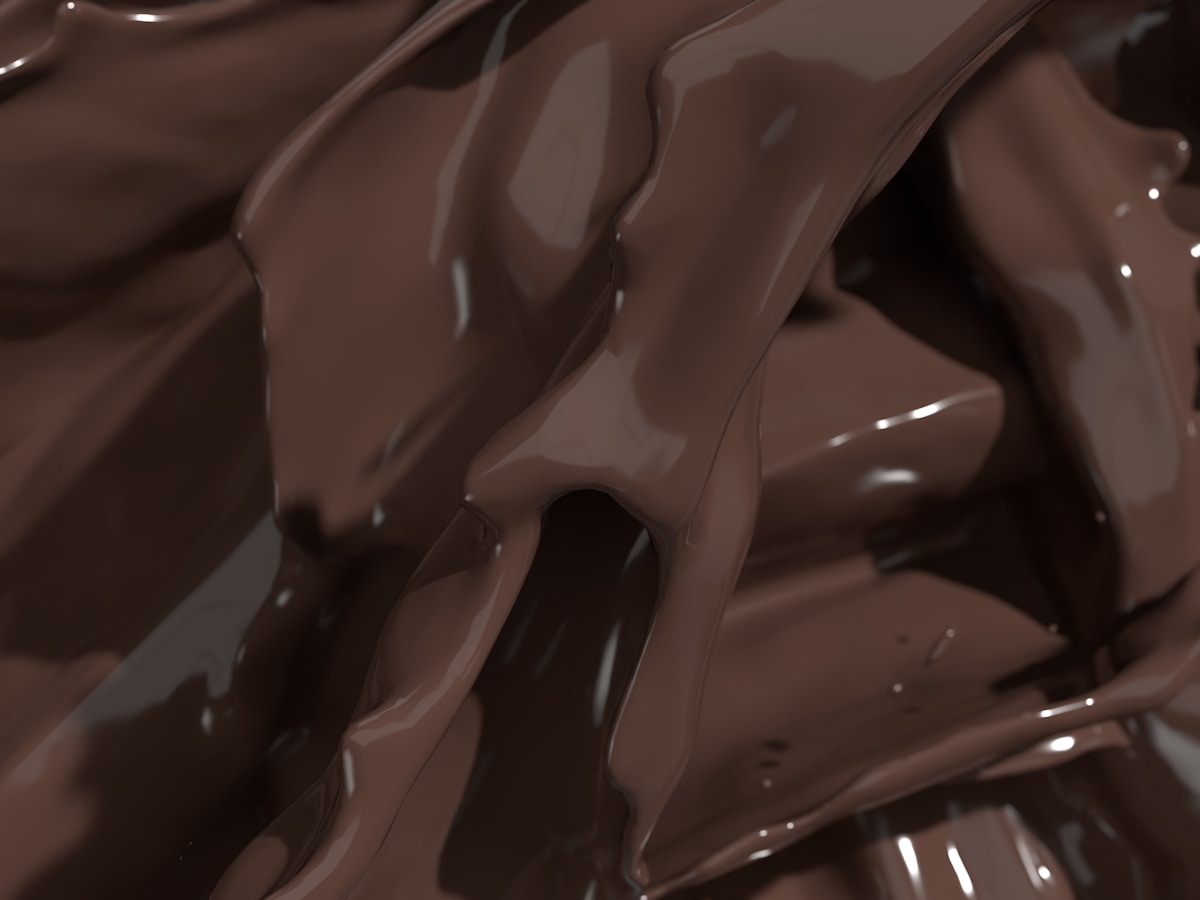
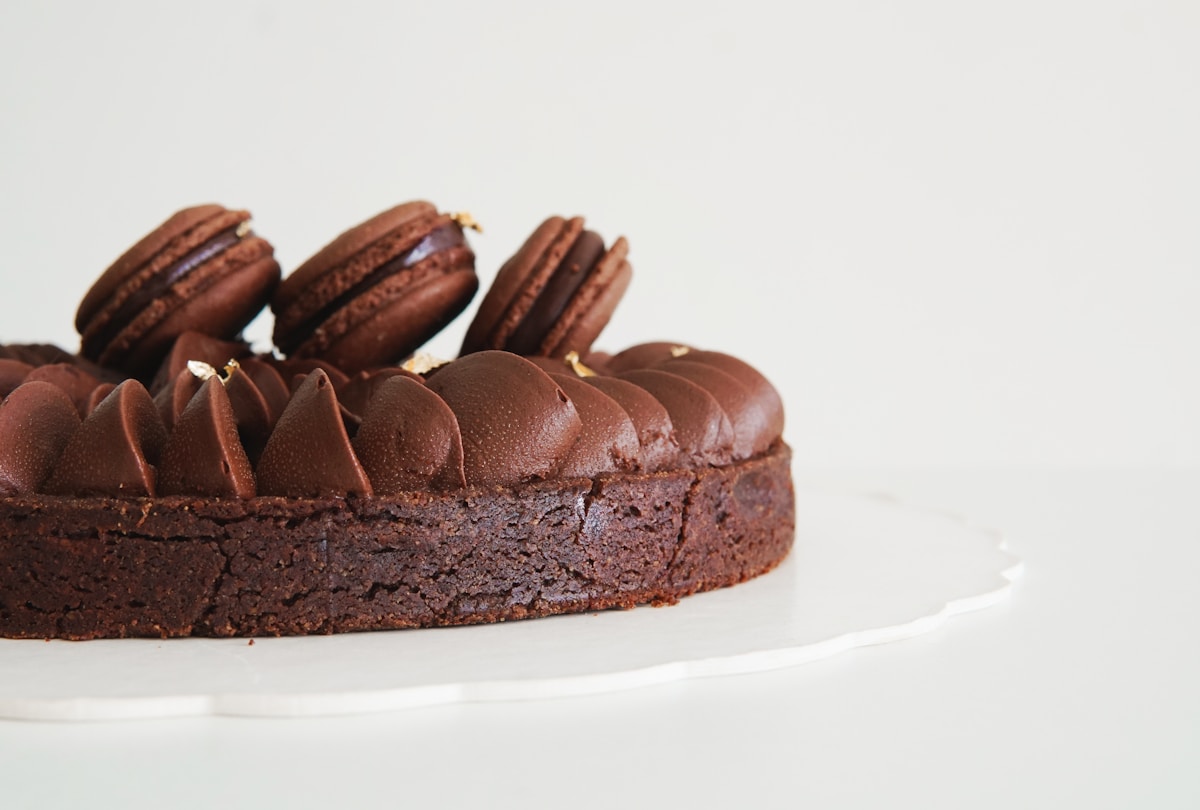
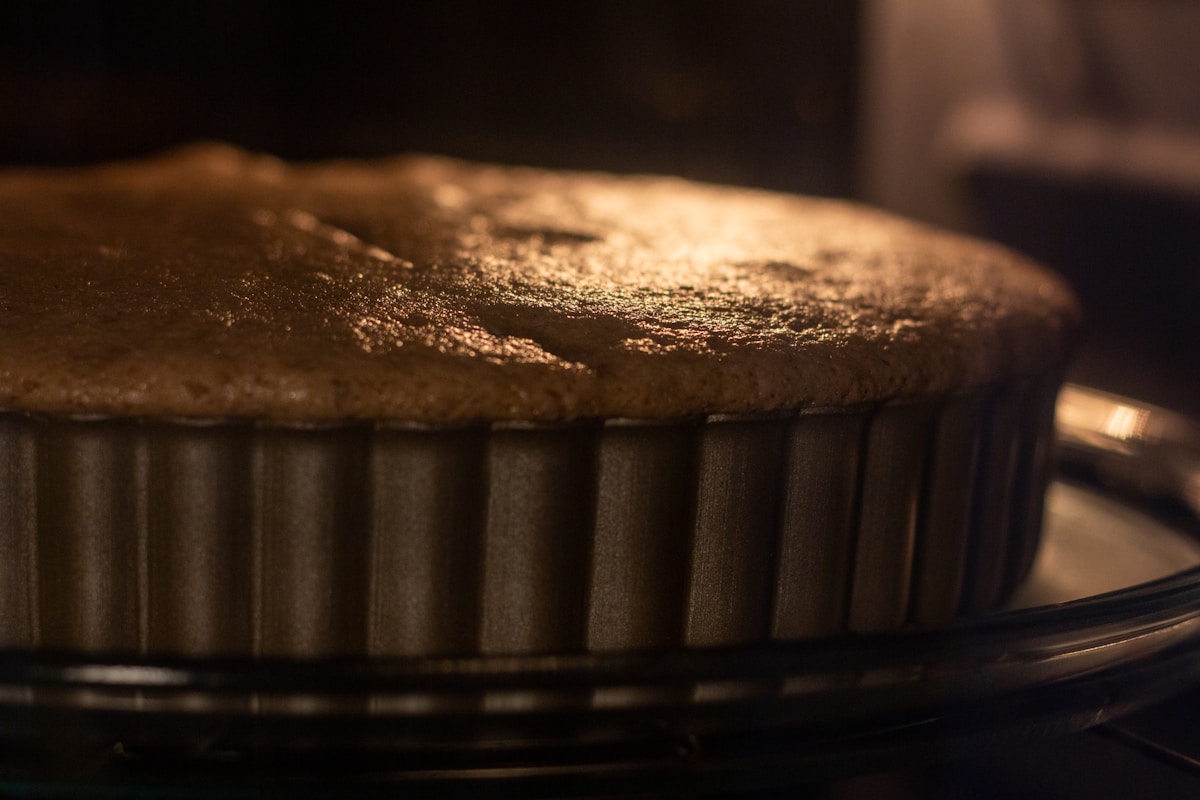
There are few kitchen moments as promising as sliding a pan of rich, chocolatey brownie batter into a hot oven. You watch it bake, smelling the glorious transformation from liquid to solid. And then, the moment of truth. You pull it out, and you see it: the dreaded brownie crater. The edges have climbed halfway up the sides of the pan, forming a dry, cakey wall, while the center has collapsed into a dense, slightly gooey depression. It’s a frustratingly common problem, but I’m here to tell you it’s not a personal failure—it’s a matter of physics.

Can You Bake a Pineapple Upside-Down Tres Leches Cake

Can You Bake a Pineapple Upside-Down Tres Leches Cake

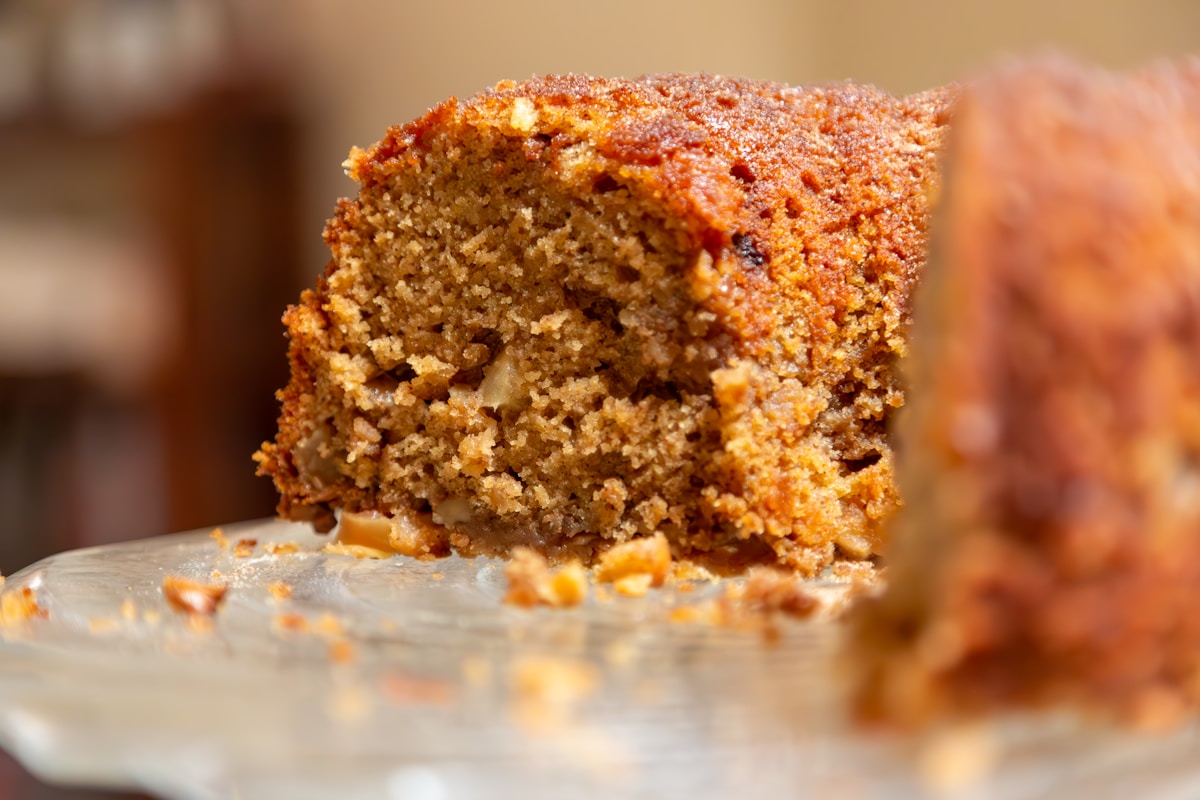
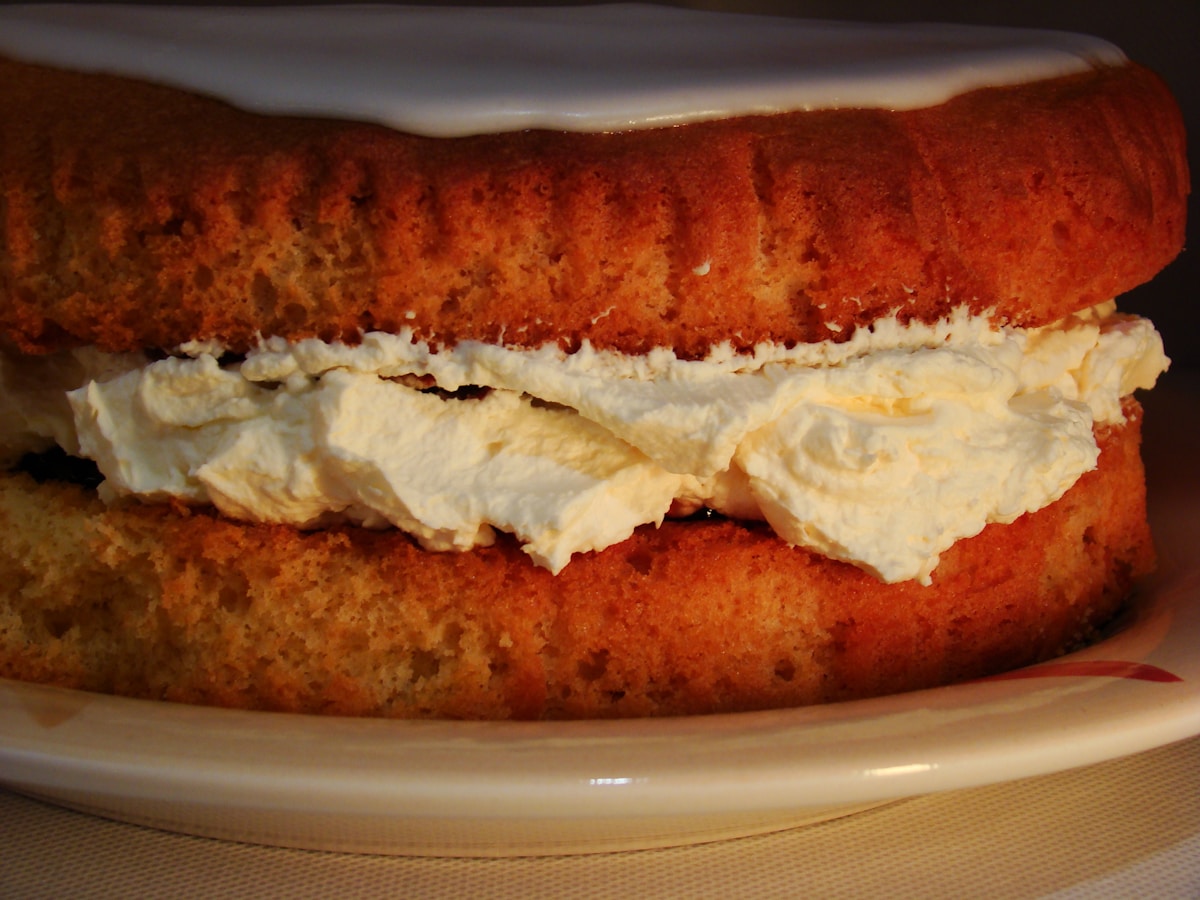
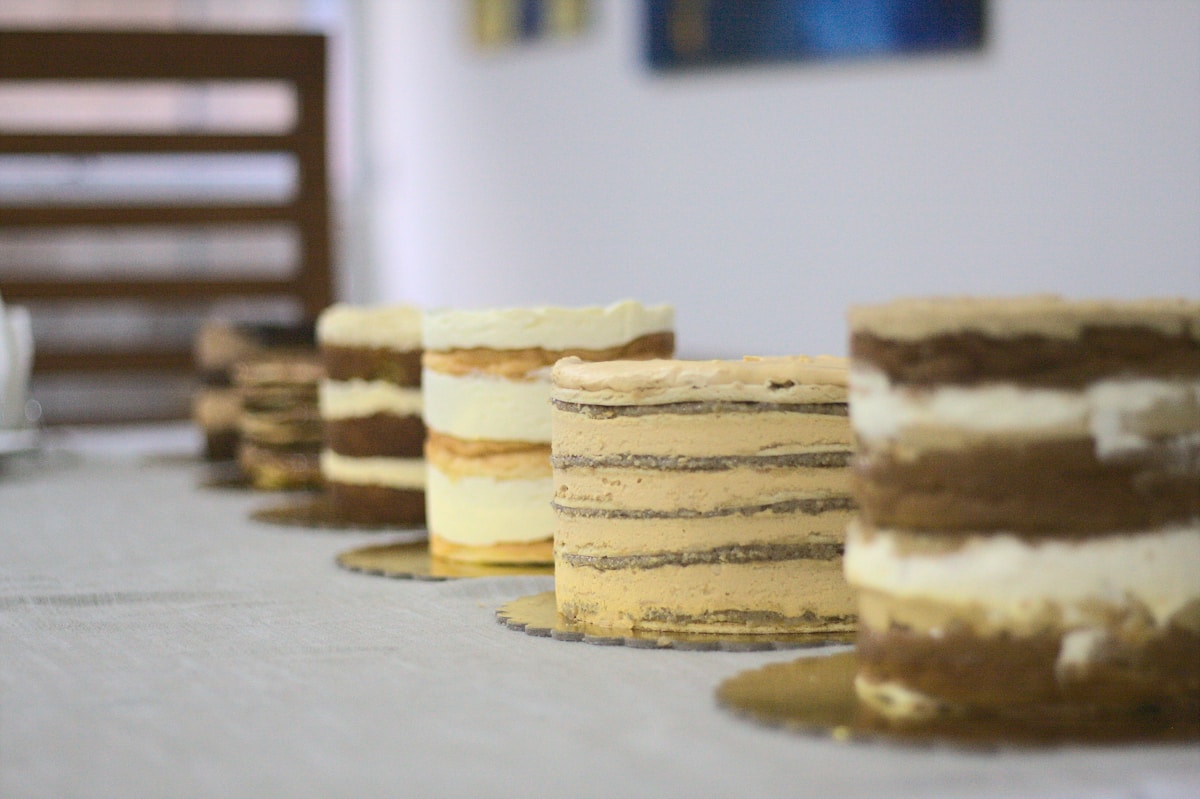
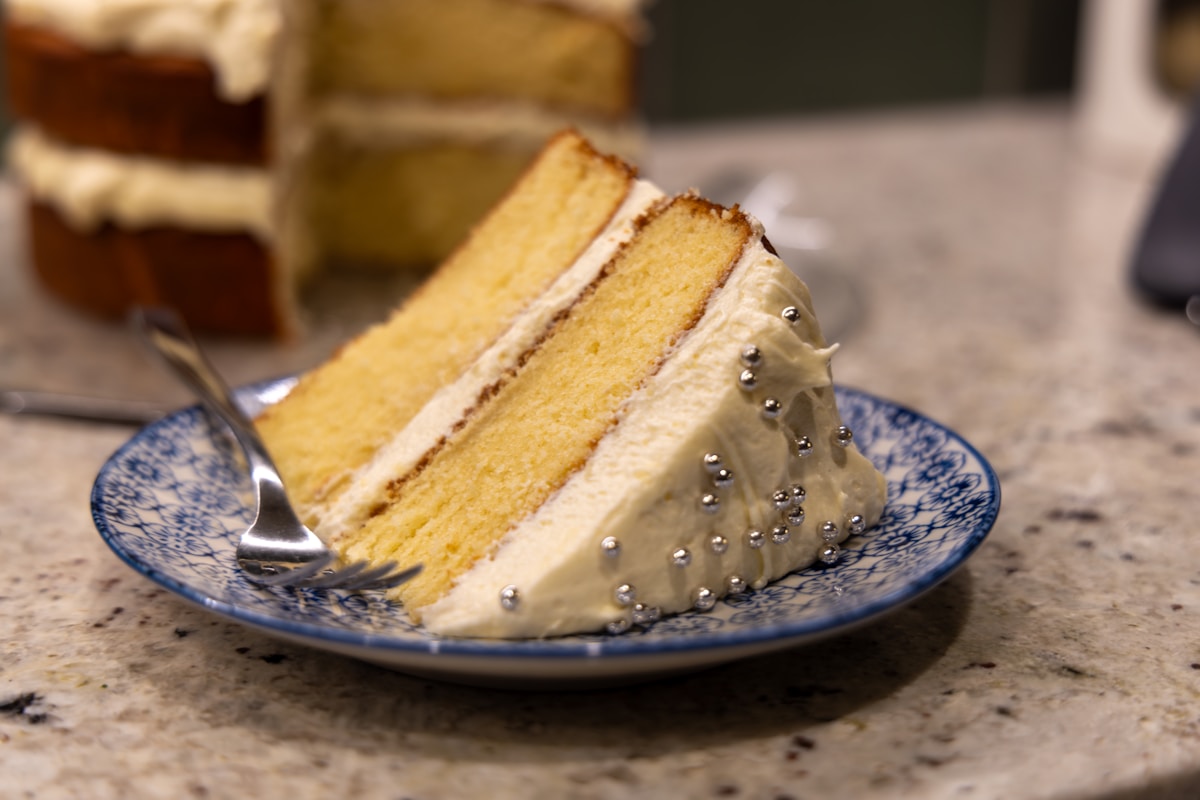
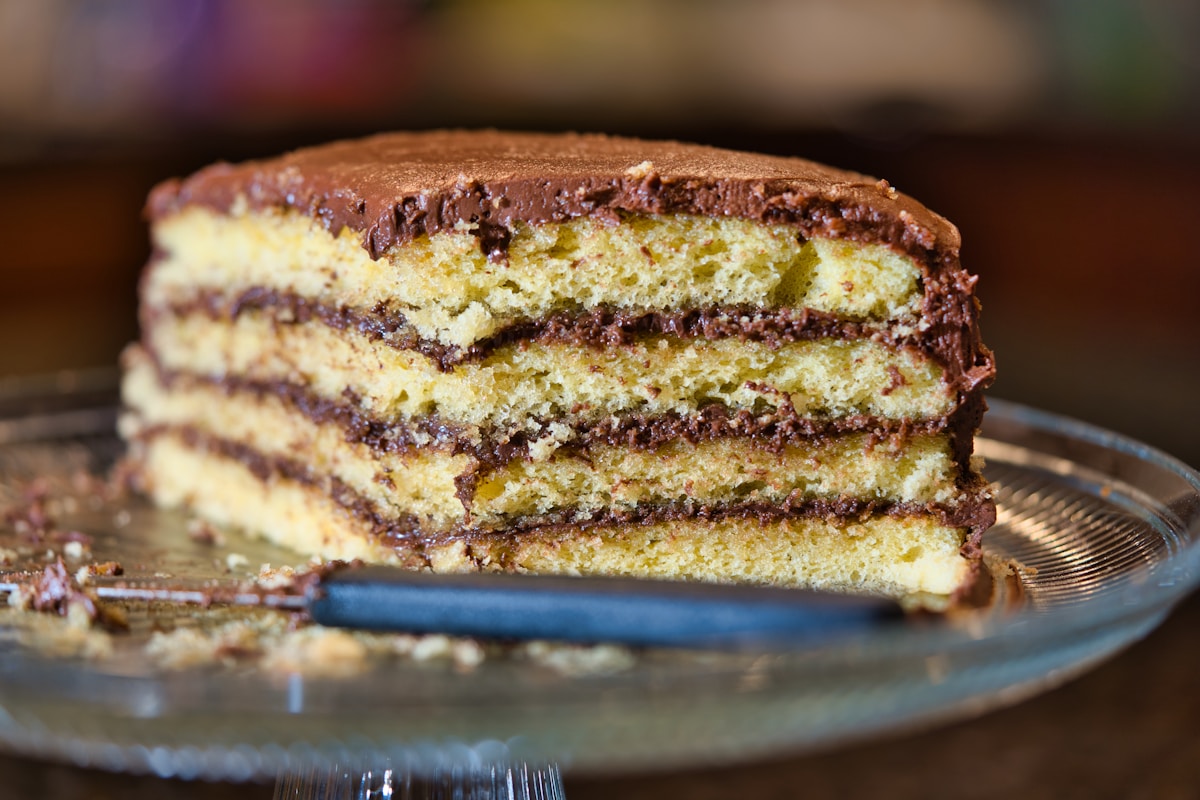
Every so often in the kitchen, you face a truly delicious dilemma. Should you bake the classic, comforting pineapple upside-down cake, with its glistening, caramelized fruit and tender butter cake? Or should you go for the cool, creamy indulgence of a tres leches cake, a sponge so impossibly saturated with sweet milk it practically melts on the tongue? For a recent family gathering, I found myself paralyzed by this very choice. Then, a thought sparked: why choose at all? Baking is chemistry, after all, and with the right formula, you can create a reaction that delivers the best of both worlds. The result is this project: the Pineapple Upside-Down Tres Leches Cake. It’s an ambitious bake, I won’t lie. But the payoff—a stunning, multi-layered dessert that will have everyone talking—is more than worth the effort. Let’s break down the science of how to make this magnificent fusion a reality.

Can You Make Flawless Cake Decorations With Marshmallow Fondant?

Can You Make Flawless Cake Decorations With Marshmallow Fondant?

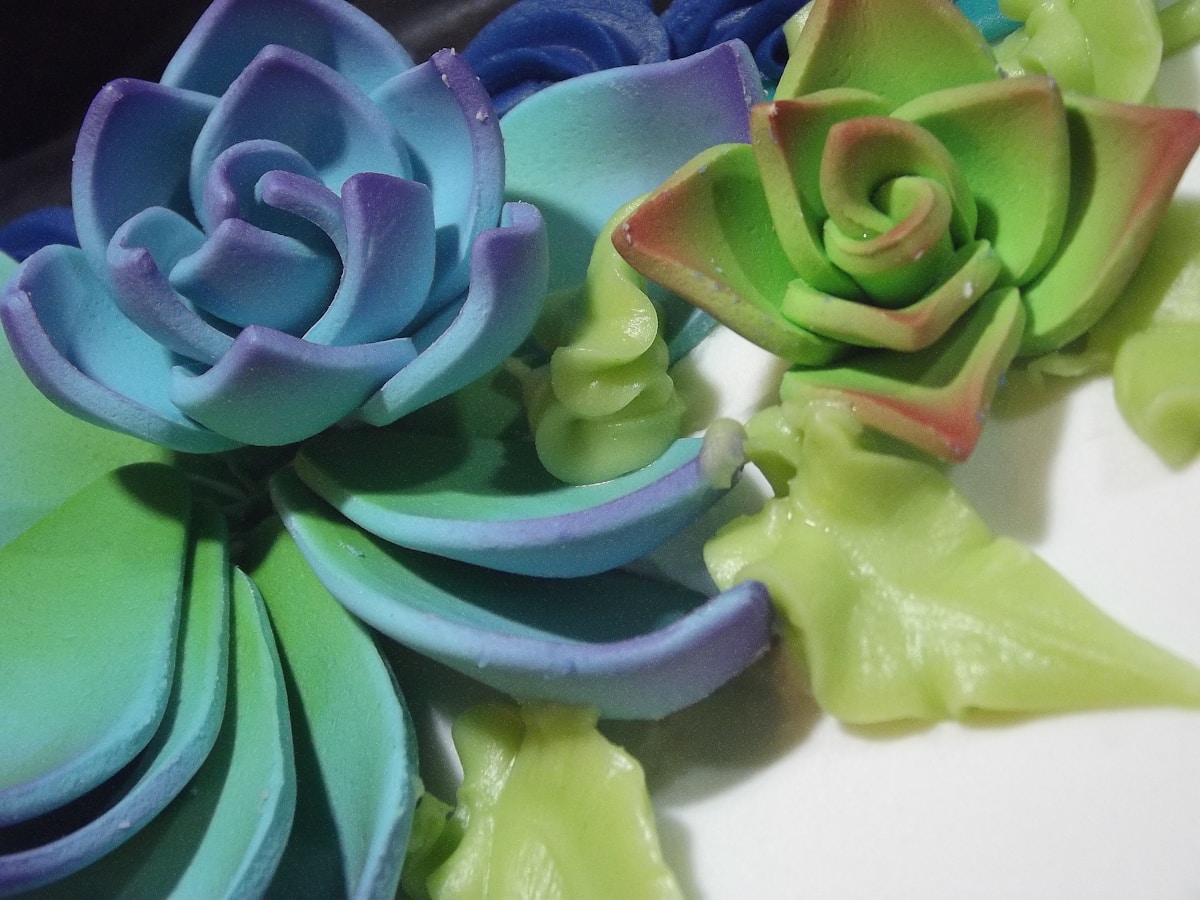
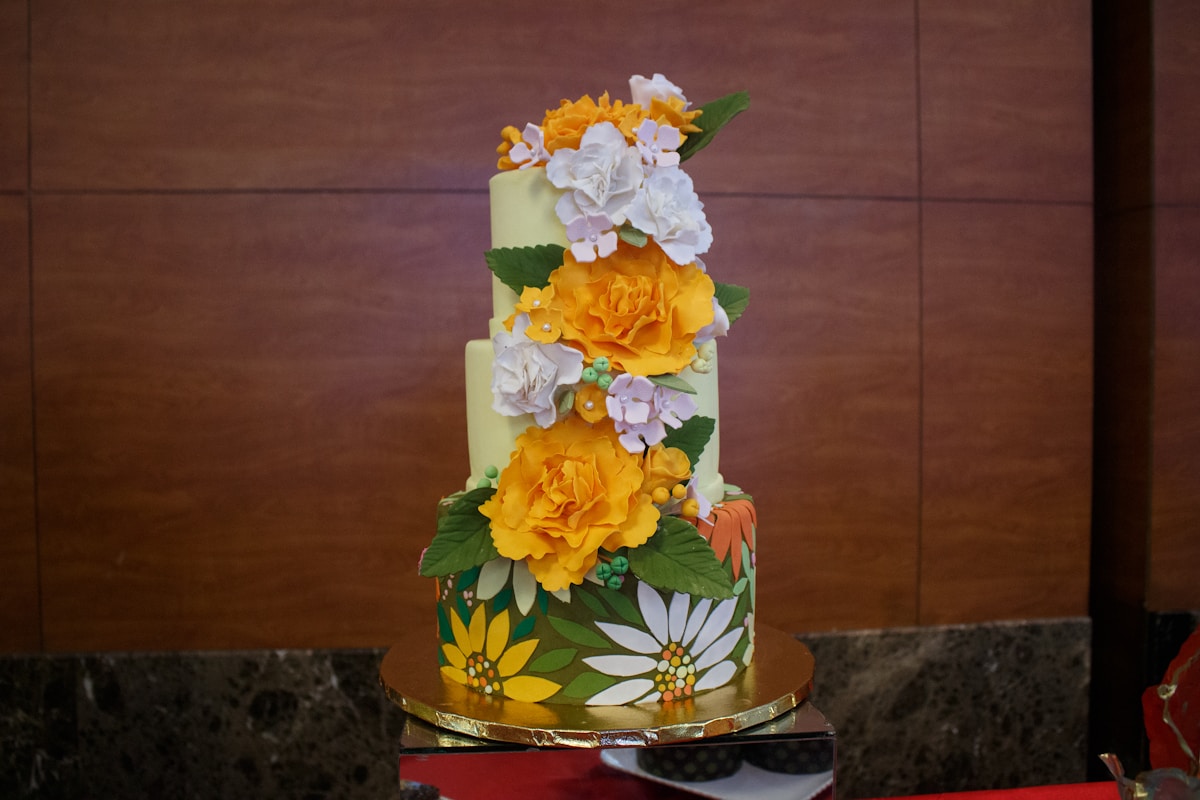
There’s a moment in every ambitious home baker’s journey when buttercream just isn’t enough. You see those stunning, sculptural cakes with impossibly smooth surfaces and delicate ruffles, and you know you need to enter the world of fondant. But for many of us, that word comes with baggage: a reputation for a stiff, plasticky texture and a flavor reminiscent of sweet cardboard. What if I told you there’s a better way? A version that’s not only easy to make in your own kitchen but is also genuinely delicious.

How Do Bakeries Get Chocolate Chip Cookies So Perfectly Chewy

How Do Bakeries Get Chocolate Chip Cookies So Perfectly Chewy

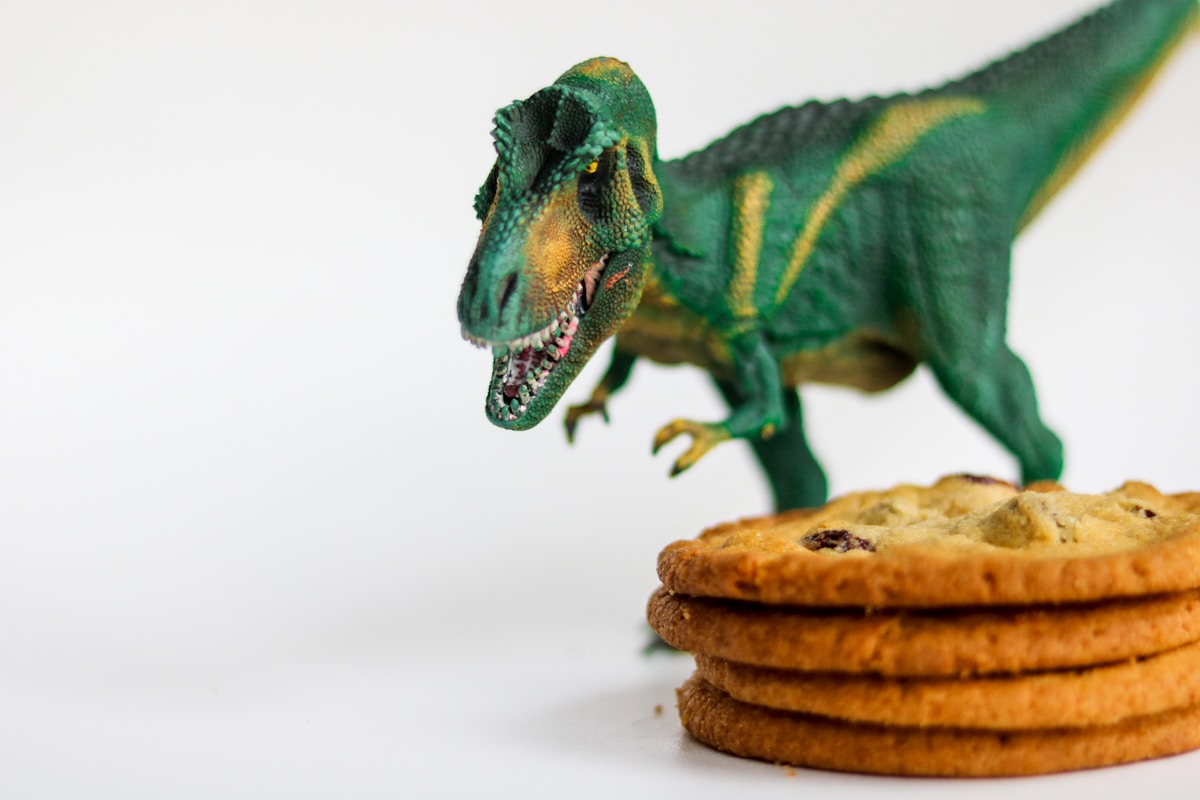
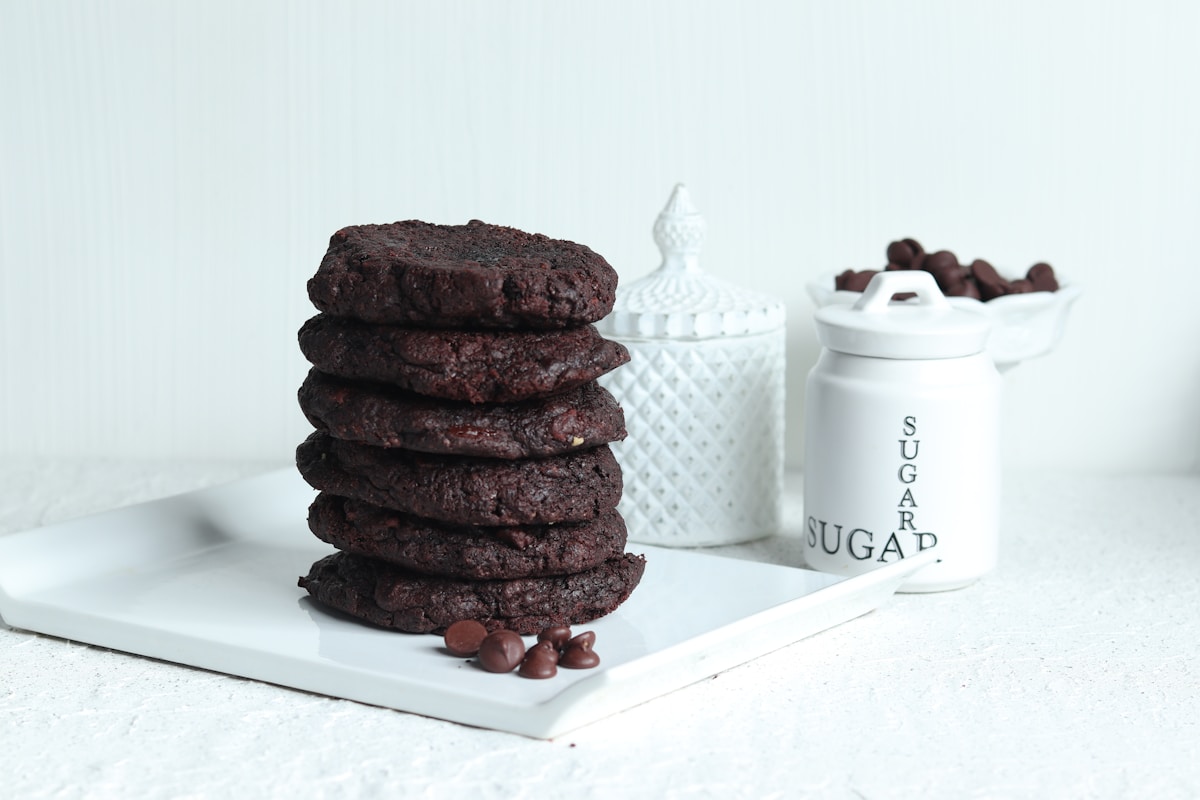
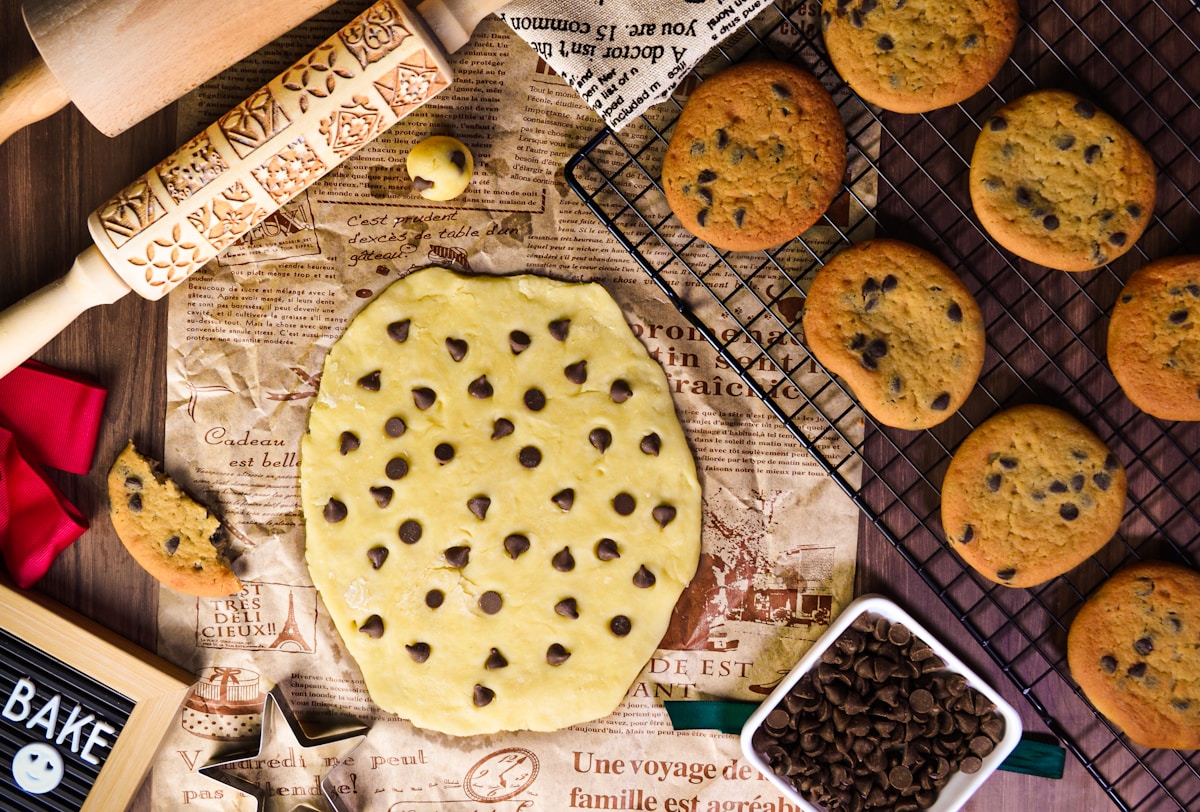
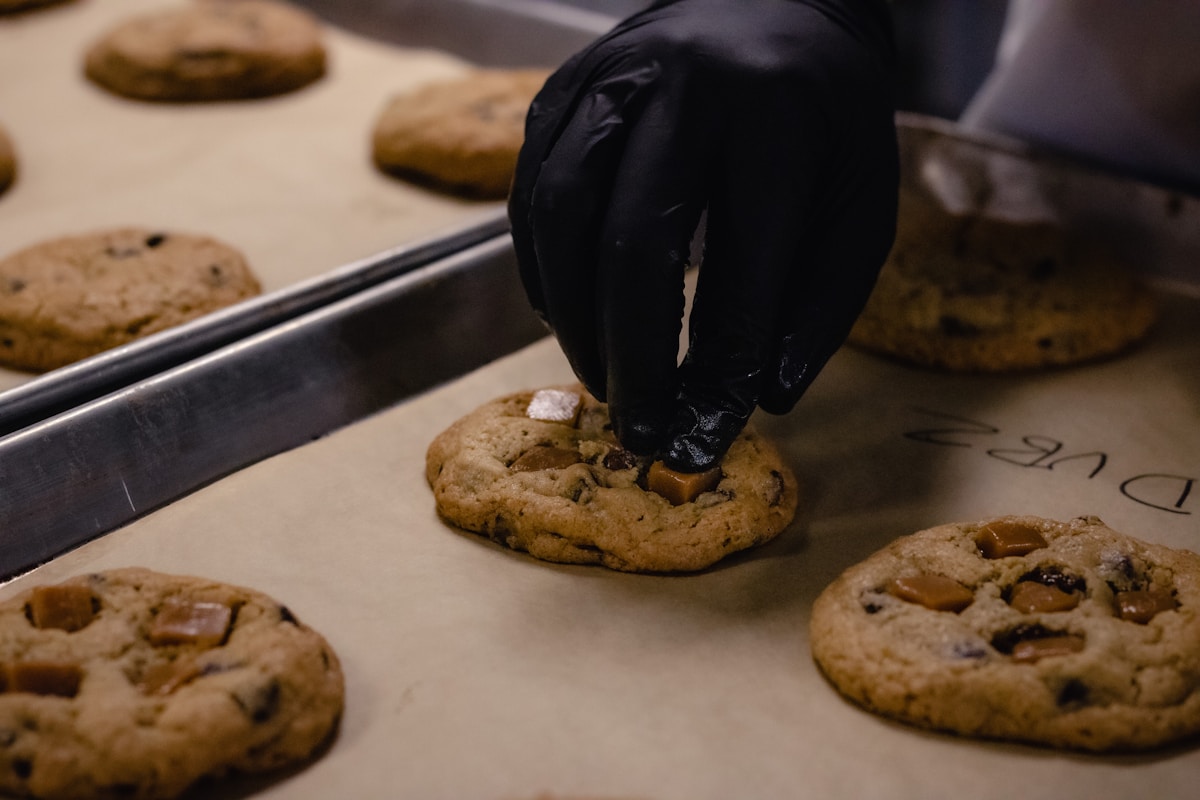
We’ve all been there. You follow a chocolate chip cookie recipe to the letter, dreaming of those thick, chewy discs of perfection you get from a high-end bakery. Instead, you pull a tray of flat, crispy saucers or puffy, cake-like mounds from the oven. It’s a common kitchen frustration, but I’m here to tell you that the cookie of your dreams is not out of reach. The difference isn’t magic; it’s chemistry.

How Can I Bake Cookies That Are Thin and Crispy Like Tate's?

How Can I Bake Cookies That Are Thin and Crispy Like Tate's?

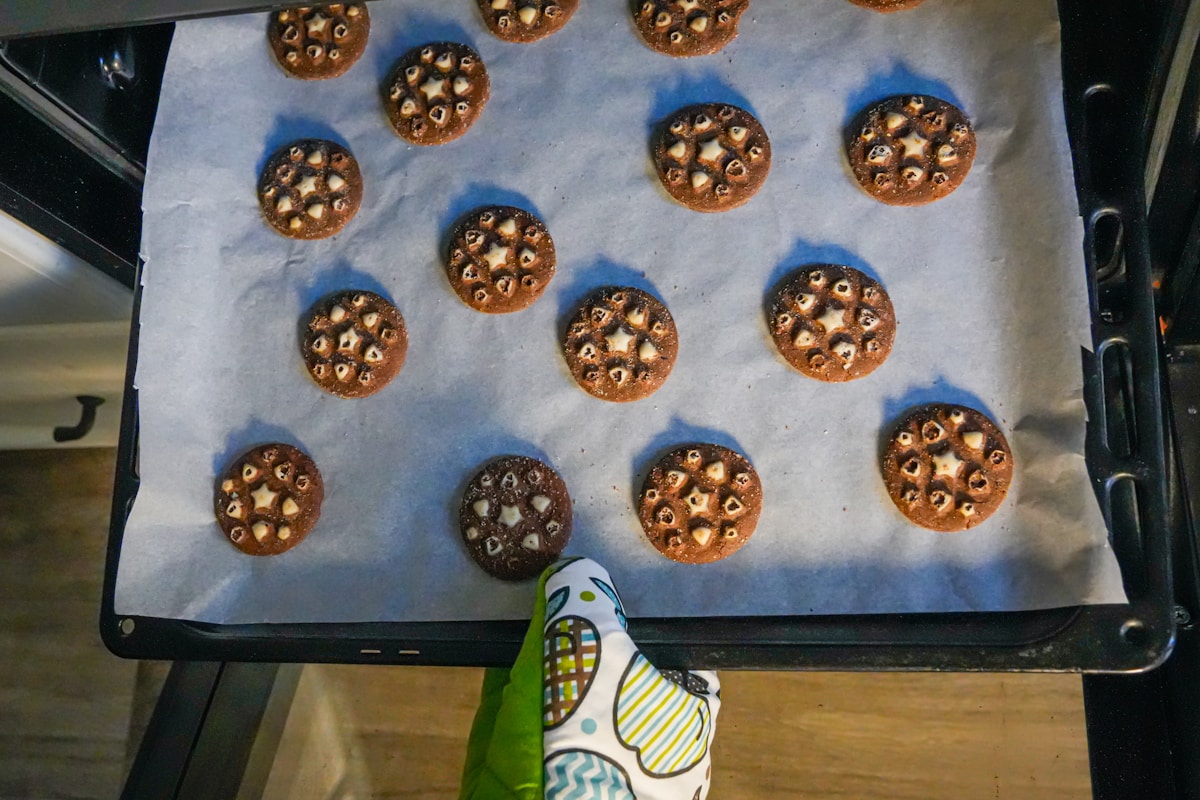
There are few kitchen disappointments more acute than pulling a tray of what looks like perfect chocolate chip cookies from the oven, only to find them soft, puffy, and almost cake-like the next day. You were aiming for that delicate, buttery, shatteringly crisp texture you get from a brand like Tate’s Bake Shop, but you ended up with a cookie that’s more pillow than platform. What went wrong?

Why Did My Sourdough Turn Into a Hard Rock?

Why Did My Sourdough Turn Into a Hard Rock?

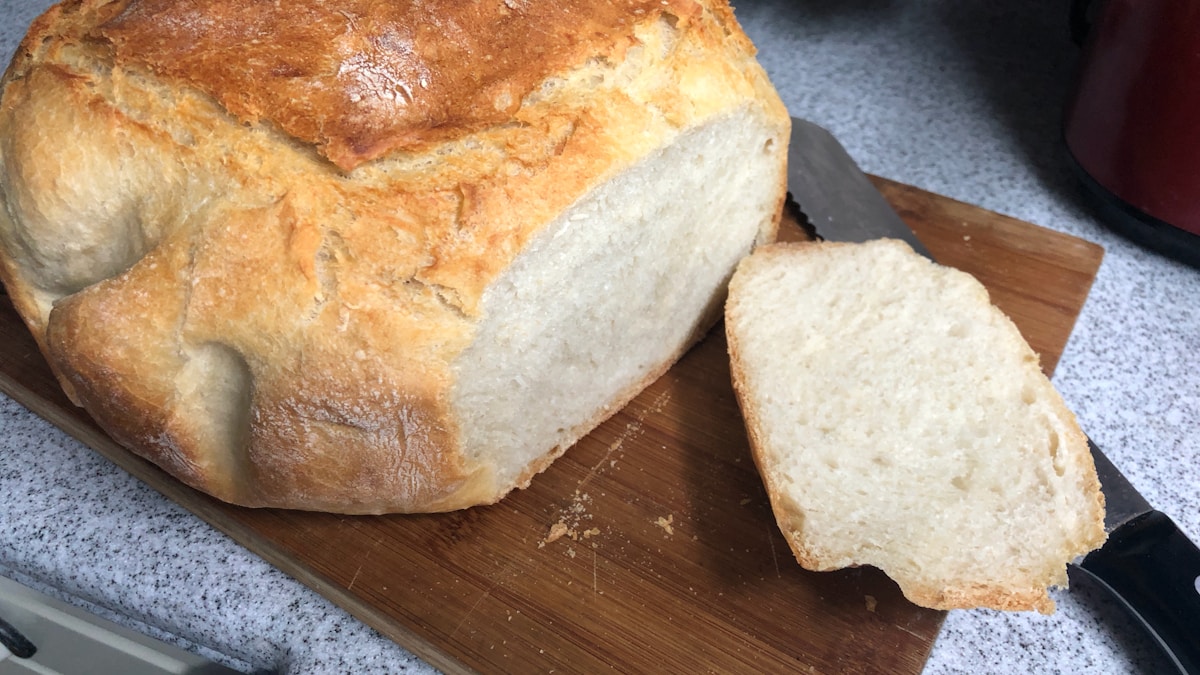
You followed the recipe. You measured precisely. You watched the dough for hours. Then, after all that work, you pull it from the oven… and it’s a rock. It lands on the cooling rack with a discouraging thud. The crust is pale, the crumb is tight and gummy, and it has the density of a paving stone. Every sourdough baker has been there. It’s a frustrating, but fixable, rite of passage.