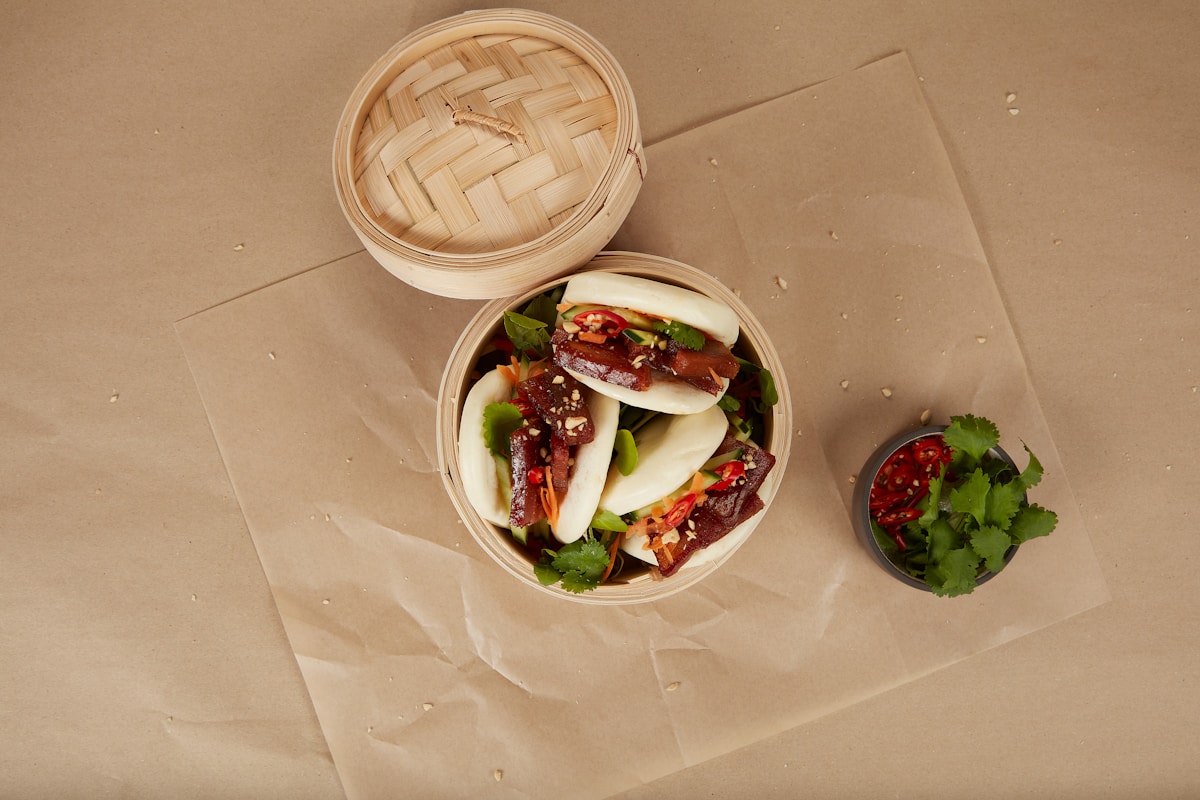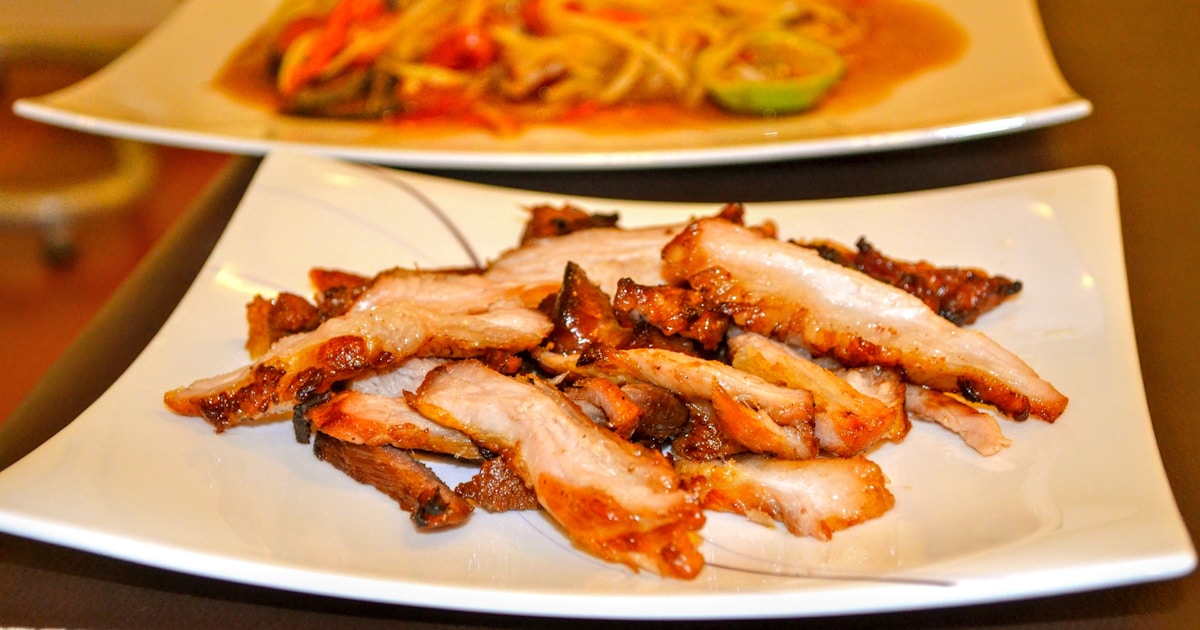
There’s a special kind of magic that happens when you walk past a Cantonese barbecue shop. Through the window, you see them: glistening, mahogany-hued strips of Char Siu, hanging like edible jewels, promising a perfect balance of sweet, savory, and smoky flavor. The sight alone is enough to make your mouth water.
Inspired, you decide to recreate this masterpiece at home. You find a recipe, buy the ingredients, marinate the pork with care, and roast it with anticipation. But when you pull it out of the oven and take that first slice, your heart sinks a little. Instead of the melt-in-your-mouth tenderness you dreamed of, your pork is… dry. Maybe even a little tough. The glaze is okay, but it lacks that signature sticky, lacquered shell.
If this scenario feels painfully familiar, you are not alone. This is one of the most common hurdles for home cooks tackling this iconic dish. The good news is that achieving that perfect, succulent Char Siu is not some impossible restaurant secret. It’s a combination of the right knowledge and a little patience. Let’s break down the common pitfalls and unlock the techniques to transform your homemade Char Siu from disappointing to dazzling.
It All Starts with the Pork: Choosing the Perfect Cut
The single biggest mistake that leads to dry Char Siu is choosing the wrong cut of pork. It’s tempting to grab a lean pork loin or tenderloin, thinking “lean” means “tender.” In the world of slow roasting, this is a recipe for disaster.
Lean cuts lack the two ingredients essential for succulent roasted pork: intramuscular fat (marbling) and connective tissue. These are not the enemy! During a low and slow roast, the fat renders, basting the meat from the inside out, keeping it incredibly moist. The connective tissue, primarily collagen, breaks down and transforms into luscious gelatin, giving the pork a rich, full-bodied mouthfeel that is simply impossible to achieve with a lean cut.
So, what should you be looking for? Your best friends for Char Siu are:
- Pork Shoulder (also called Pork Butt or Boston Butt): This is the undisputed champion. It has the ideal ratio of meat to fat and is rich in connective tissue. As it roasts, it becomes incredibly tender and forgiving. Ask your butcher for a piece that’s well-marbled. I usually look for a piece around 2-3 pounds (about 1-1.4 kg) and slice it into long strips, about 1.5 to 2 inches thick.
- Pork Neck (Collar): A slightly more luxurious but absolutely phenomenal choice. This cut is prized in many Asian cuisines for its tenderness and dense marbling. It’s a bit harder to find in standard Western supermarkets but is well worth seeking out at an Asian market or specialty butcher.
- Pork Belly (with a good meat-to-fat ratio): For an incredibly rich and decadent version, pork belly can be used. You’ll want a piece with distinct layers of meat and fat. The fat renders beautifully, creating an unbelievably juicy result.
Cuts to Avoid: Pork Loin, Pork Tenderloin, and Pork Chops. Save these for quick-cooking methods like grilling or pan-searing. For Char Siu, they will almost always turn out dry.
The Soul of Char Siu: Decoding the Authentic Marinade
A great marinade does more than just flavor the meat; it tenderizes, adds color, and forms the base for that incredible glaze. While recipes vary, a truly authentic Char Siu marinade balances several key components.
Here’s a breakdown of the essential players:
- Hoisin Sauce: This is the backbone of the marinade, providing a sweet, salty, and slightly tangy flavor with a thick consistency that helps it cling to the pork.
- Soy Sauce: For that essential salty, umami depth. A good quality light soy sauce (like Kikkoman or Pearl River Bridge) is perfect.
- Honey or Maltose: This is for sweetness and, crucially, for the glaze. Maltose, a super-thick sugar syrup available at most Asian markets, is the traditional choice. It creates a much stickier, glassier, and more professional-looking glaze than honey because it has a lower water content and doesn’t burn as easily. (This is a pro-tip worth seeking it out!)
- Shaoxing Wine: A Chinese rice wine that adds a fragrant aroma and complexity that water or other substitutes just can’t replicate.
- Five-Spice Powder: This aromatic blend of star anise, cloves, cinnamon, Sichuan peppercorns, and fennel seeds is the signature scent of Char Siu. Be judicious—a little goes a long way.
- Red Fermented Tofu (Lam Yu): This is the real secret to that beautiful ruby-red hue, and it adds an incredibly savory, funky umami depth. It comes in a jar, packed in liquid. You just need a cube or two, mashed into a paste. It provides a much more authentic color and flavor than plain red food coloring.
- Garlic and Ginger: Freshly grated or minced garlic provides a pungent, aromatic kick that rounds out the flavors.
To make the marinade, you’ll simply whisk these ingredients together. A good starting ratio for about 2 lbs of pork is: 3 tablespoons hoisin, 2 tablespoons soy sauce, 3 tablespoons honey or maltose, 1 tablespoon Shaoxing wine, 1 teaspoon five-spice powder, and 1-2 cubes of mashed red fermented tofu. Don’t be afraid to taste and adjust.
For the best results, you must let the pork marinate for at least 24 hours, and up to 48 hours. This gives the flavors time to penetrate deep into the meat. (Your future self will thank you.)
The Magic is in the Method: Low-Slow Roasting & High-Heat Glazing
You can have the perfect cut and the perfect marinade, but if your cooking method is wrong, you’ll still end up with dry pork. The secret taught by generations of Cantonese chefs is a two-stage cooking process.
Stage 1: The Low and Slow Roast
Instead of blasting the pork with high heat from the start, you want to cook it gently. This allows the fat to render slowly and the connective tissue to break down without burning the sugary marinade on the outside.
- Preheat your oven to a low temperature, around 275°F (135°C).
- Set a wire rack inside a foil-lined baking sheet. This is crucial for air circulation, ensuring the pork roasts evenly instead of steaming in its own juices. The foil makes cleanup a breeze.
- Arrange the marinated pork strips on the wire rack, leaving space between them. Discard the marinade for now (but we’ll make a fresh glaze later).
- Roast for about 45-60 minutes, flipping the pieces halfway through. The pork should be mostly cooked through, but not yet browned or caramelized.
Stage 2: The High-Heat Glaze and Sear
This is where the magic happens. Now that the pork is tender and cooked through, it’s time to build that beautiful, sticky, slightly charred crust.
- While the pork is in its initial roast, prepare your glaze. A simple glaze can be made with 2-3 tablespoons of honey or maltose, mixed with a tablespoon of the reserved marinade. (Important food safety tip: If you use leftover marinade, you must bring it to a rolling boil for at least a minute to kill any bacteria from the raw pork.)
- After the low-temperature roast, remove the pork from the oven. Increase the oven temperature to 450°F (230°C) or switch to the broiler.
- Brush a generous layer of the glaze all over the pork strips.
- Return the pork to the hot oven or place it under the broiler for 3-5 minutes. Watch it like a hawk! The high sugar content means it can go from perfectly caramelized to burnt in seconds.
- Take it out, flip the pieces, brush with more glaze, and return for another 3-5 minutes until the edges are sizzling and slightly charred. Repeat this process one or two more times to build up a thick, lacquered coating.
The Final Touches: Resting, Slicing, and Serving
You’ve made it this far! Do not ruin your hard work by slicing into the pork immediately. Just like a good steak, Char Siu needs to rest. Transfer the finished pork to a cutting board and let it rest for at least 10-15 minutes.
This allows the juices that have been pushed to the center during cooking to redistribute throughout the meat. Slicing too early will cause all that wonderful moisture to spill out onto your cutting board, leaving you with—you guessed it—drier pork.
Once rested, slice the pork against the grain into ¼-inch thick pieces. You should see a beautiful red ring around the edge of each slice, with a juicy, tender interior. Serve it over rice, in noodle soup, or tucked inside fluffy steamed buns (Char Siu Bao). The possibilities are endless, and the reward for your patience is a truly unforgettable meal.