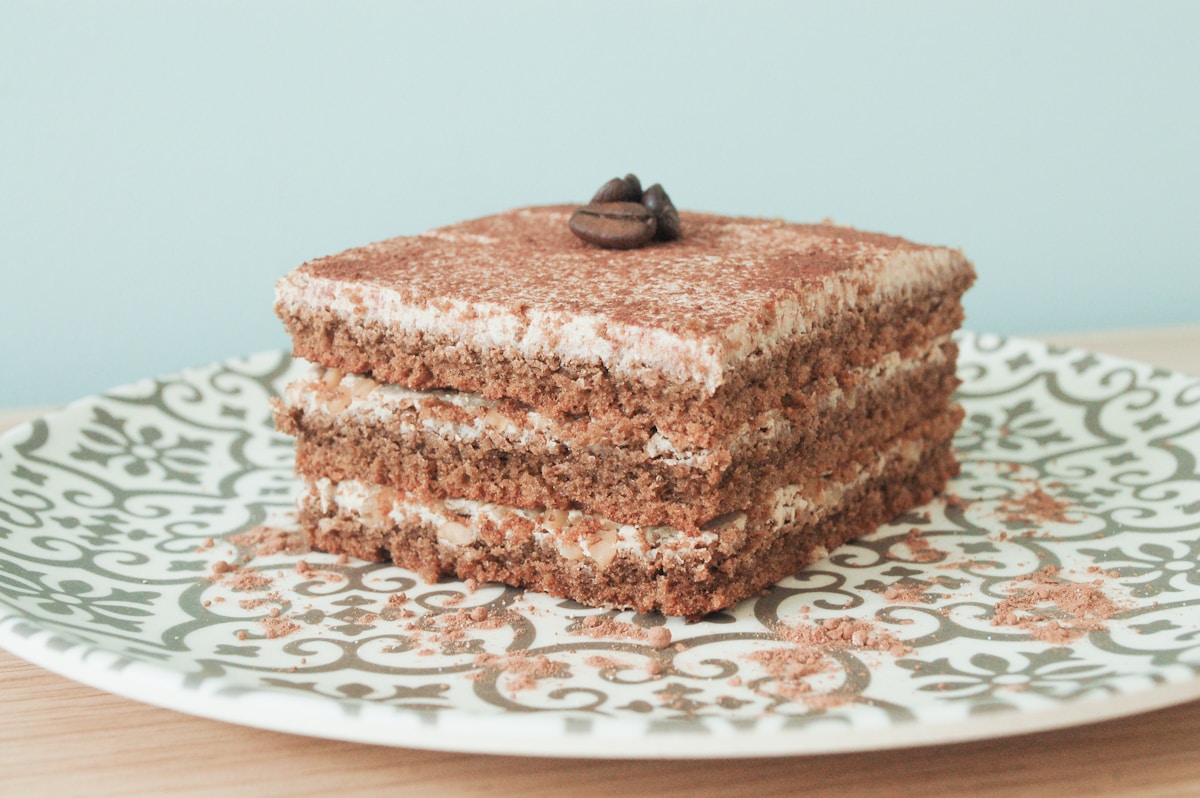
It’s a familiar story. You see a stunning photo of a homemade tiramisu online. The caption promises it’s “surprisingly easy.” You feel a surge of creative energy. “I can do that!” you think, grabbing your shopping list. You envision yourself presenting this masterpiece, a cloud of creamy, coffee-soaked perfection, to delighted friends.
Then, you get to the checkout counter. The cashier announces a total that makes your eyes widen. You look at your small basket, holding a tub of cheese you’ve never heard of, a package of strange-looking cookies, and maybe a small bottle of wine. Suddenly, your fun baking project feels like an expensive mistake. You could have bought two pre-made tiramisus from the fancy bakery for this price.
If this has ever happened to you, please hear me: You did nothing wrong. Welcome to one of the unspoken truths of baking—not all homemade desserts are budget-friendly. It’s a lesson every single one of us learns, often the hard way. Think of it as a baker’s rite of passage. Today, we’re going to pull back the curtain on these deceptively expensive recipes so you can spot them before you shop and bake with confidence.
The Ingredient Sticker Shock Hall of Fame
Some ingredients are just naturally pricey. They might be imported, difficult to produce, or require a lot of raw materials. When a recipe calls for a large quantity of one of these, the cost can escalate quickly. Let’s meet the usual suspects.
-
Mascarpone Cheese: This is the star of our tiramisu story. Mascarpone is an Italian double or triple cream cheese. It’s incredibly rich, smooth, and less tangy than American cream cheese. But because it’s a specialty product, a small 8 oz (225g) tub can easily cost two to three times as much as a standard block of Philadelphia cream cheese. When your recipe needs a pound of it, you feel it in your wallet.
-
Almond Flour: If you’ve ever wanted to make classic French macarons, you’ve met this ingredient. Almond flour is simply very finely ground, blanched almonds. Given the price of whole almonds, it’s no surprise that a bag of almond flour is a significant investment. Many macaron recipes call for a cup or more, and because the technique is so precise, there’s no good substitute. It’s the price of admission for that delicate, chewy texture.
-
Real Vanilla Beans & Pure Extract: There’s a world of difference between imitation vanilla essence and the real deal. A single vanilla bean, with its thousands of tiny, flavor-packed seeds, can cost several dollars. Pure vanilla extract, like the beautiful bottles from Nielsen-Massey, is also a premium product made by steeping real vanilla beans in alcohol. While it’s often worth it for the complex, floral flavor, it contributes to the overall cost, especially compared to the much cheaper artificial versions.
-
High-Quality Chocolate: When a recipe specifies chocolate by cacao percentage (e.g., “72% cacao bittersweet chocolate”), it’s nudging you away from standard baking chips. Brands like Valrhona, Callebaut, or Scharffen Berger create chocolate with a superior flavor and melt-in-your-mouth texture. This is crucial for things like silky chocolate mousse or molten lava cakes. But quality comes at a price, and these bars or wafers cost significantly more per ounce than the bag of chips you might otherwise grab.
-
Specialty Liqueurs and Spirits: That tiramisu recipe likely called for Marsala wine or dark rum. A Black Forest cake needs Kirsch (cherry brandy). Crêpes Suzette requires Grand Marnier. These ingredients add incredible depth of flavor, but you often have to buy an entire bottle for the two tablespoons the recipe requires. The rest of it then sits in your cabinet, waiting for another very specific baking project.
-
Nuts (Especially Pecans, Pistachios, and Macadamias): Nuts are an agricultural product, and their price can fluctuate, but they are generally one of the more expensive items in the baking aisle. A classic pecan pie, which can call for two or three cups of pecans, is a perfect example. The final cost of the pie is almost entirely dependent on the current price of pecans. The same goes for pistachio gelato or macadamia nut cookies.
More Than Just Ingredients The “Technique Tax”
Sometimes, the cost of a dessert isn’t just in the shopping cart—it’s in the process itself. I call this the “technique tax.” This is the hidden cost of recipes that have a high failure rate for beginners. You pay the tax when a batch goes wrong and you have to throw away all those expensive ingredients.
The undisputed champion of the technique tax is the French macaron. Everything has to be perfect. Your egg whites must be at the right temperature. You have to achieve the perfect “macaronage” stage—a batter that flows like slow-moving lava. (Yes, really.) You have to pipe perfect circles, let them rest for the right amount of time to form a “skin,” and bake them at a precise temperature (around 300°F / 150°C) to get those signature ruffled “feet.”
One little mistake—over-mixing, under-mixing, a humid day, an oven that runs hot—and your beautiful cookies can end up cracked, hollow, or flat. And just like that, your pricey almond flour and time are down the drain. This doesn’t mean you shouldn’t try! But it’s important to go into it knowing that your first few batches are part of the learning cost. It is completely, 100% normal to have a few “learning batches.”
Your Pre-Bake Budget Checklist
So, how do you avoid that checkout-counter shock? By learning to read a recipe for cost before you commit. It’s like checking the price tag on a shirt before taking it to the dressing room. Here’s a simple checklist:
-
Scan for “Red Flag” Ingredients: Read through the ingredient list first. Do you see any of our friends from the Hall of Fame? Mascarpone, almond flour, a specific liqueur, multiple bars of high-end chocolate? If you see one or more, put a little mental asterisk next to the recipe.
-
Check the Quantities: A recipe that calls for one tablespoon of rum is very different from one that needs half a cup. A cheesecake needing one block of cream cheese is much cheaper than one needing four. Pay close attention to the amounts required for the most expensive items.
-
Do a Quick Pantry Audit: Be honest with yourself about what you actually have. Don’t just assume you have brown sugar or baking powder. Go look. There’s nothing worse than starting a recipe only to find you’re missing a key component, forcing another trip to the store.
-
Price the Big-Ticket Items Online: This is the game-changer. Before you go, use your local grocery store’s website or app to look up the price of the one or two most expensive-sounding ingredients. This five-minute search tells you exactly what you’re getting into. It’s not about abandoning the recipe; it’s about making an informed decision.
Smart Swaps That Save Your Wallet (And Your Dessert)
Okay, so you’ve spotted a pricey recipe, but your heart is set on it. Don’t despair! In many cases, a savvy substitution can save the day without sacrificing too much flavor or texture.
-
For Tiramisu’s Mascarpone: This is the most famous swap in the book. You can get remarkably close to mascarpone’s creamy texture by using full-fat block cream cheese. The Hack: For every 8 oz (225g) of mascarpone, whip 8 oz of softened, full-fat cream cheese with 1/4 cup of heavy whipping cream. This lightens the cream cheese and smooths it out. A tablespoon of sour cream can also add back a bit of that subtle tang.
-
For Pricey Vanilla: You don’t always need a whole vanilla bean. For most cakes and cookies, a good quality pure vanilla extract is more than enough. Kitchen Hack: Make your own vanilla sugar! Once you do splurge on a vanilla bean, don’t throw out the pod after scraping the seeds. Stick the scraped pod into a jar of granulated sugar. In a week, the sugar will be incredibly fragrant and perfect for sprinkling on cookies or stirring into coffee.
-
For Specialty Liqueurs: Unless the liqueur is the absolute star of the show, you can often substitute it. For the Marsala or rum in tiramisu, you can use a bit of extra-strong coffee mixed with a teaspoon of rum extract. For orange liqueurs, a splash of orange juice concentrate or a little orange zest can provide a similar citrusy brightness.
Remember, baking is your adventure. It’s okay to choose the path that fits your budget and your comfort level. The goal is to find joy in the process, and financial stress is the enemy of joy.
Try This Tonight: Feeling inspired but want to guarantee a budget-friendly win? Make a classic chocolate mug cake. It uses pantry staples you almost certainly have right now: a few tablespoons each of flour, sugar, cocoa powder, milk, and oil, plus a pinch of baking powder and salt. Mix it all in a mug and microwave for about 90 seconds. It’s a warm, gooey, single-serving dessert that proves deliciousness doesn’t have to be complicated or expensive. Happy baking!