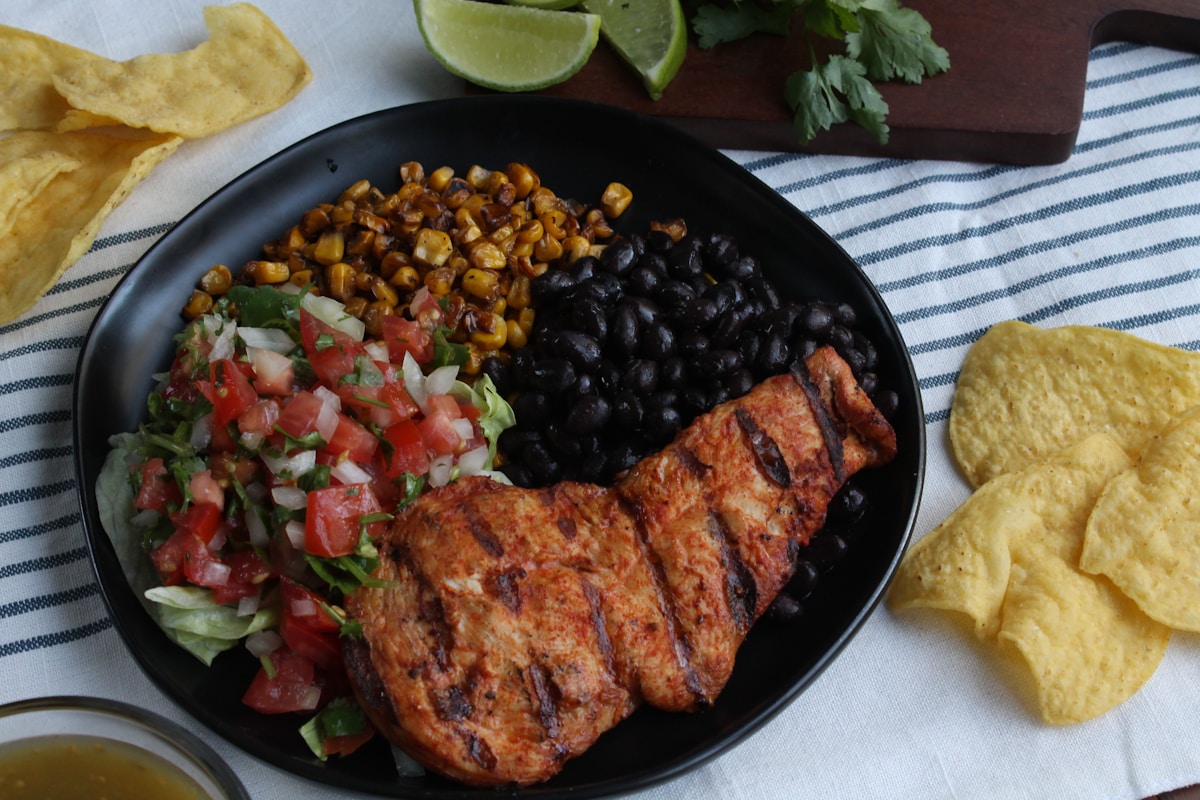
Have you ever made a dish that should have been amazing? You followed the recipe, used fresh ingredients, and salted it perfectly. You take a bite, and it’s… fine. It’s not bad, but it’s not exciting. It’s a little dull, a little one-note. There’s just something missing, but you can’t quite put your finger on it.
We have all been there. It’s one of the most common frustrations for a beginner cook. You feel like you did everything right, but the flavor just falls flat. I’m here to tell you that the secret ingredient you’re missing probably isn’t some exotic spice or complicated technique. More often than not, it’s a little bit of brightness, a little bit of zing. The missing ingredient is acid.
Understanding how to use acid is like unlocking a secret level in the game of cooking. It’s the tool that takes your food from “fine” to “fantastic,” and today, we’re going to demystify it completely. It’s simpler than you think, and it will change the way you cook forever.
The ‘Missing Something’ Feeling It’s Probably Acid
Think of flavor as being built on four main pillars: salt, fat, sweetness, and acid. As new cooks, we get pretty comfortable with the first three. We know to salt our pasta water, we love the richness of butter and olive oil, and we understand how a little sugar can balance a tomato sauce. But acid? That one can feel a little intimidating.
Acid is the high note in your food’s symphony. It’s the sparkle. It’s the element that cuts through richness, wakes up tired flavors, and makes everything taste more like itself. My favorite analogy is to think of acid like the treble knob on an old stereo. Turning it up doesn’t just add a high-pitched sound; it adds clarity and definition to the entire song. The bass sounds deeper, the vocals are clearer, and the whole thing just feels more alive. That’s exactly what acid does in your dish.
Without it, rich foods can feel heavy and cloying. A creamy pasta sauce without a touch of acid can feel like a lead blanket on your tongue. A hearty stew can taste murky and muddled. Fresh vegetables can taste, well, just like vegetables. Acid is the wake-up call that gets all the other ingredients to sit up straight and pay attention. It balances richness, enhances salt, and brings a clean, fresh finish to every bite.
A Tale of Two Salsas The Pico de Gallo Test Case
To really understand the power of acid, let’s look at a perfect, simple example: pico de gallo. I once read about a kitchen manager who insisted on making the restaurant’s pico de gallo with just tomatoes, onions, and cilantro. No lime juice. The result? Customers complained it was bland and boring. It wasn’t really salsa; it was just a chopped vegetable mix.
This is the perfect illustration of why acid is non-negotiable. That squeeze of lime juice does three incredibly important jobs that transform the simple ingredients into something magical. Let’s call them the “Three Magic Tricks of Lime Juice.”
1. The Flavor Brightener: This is the most obvious job. The tartness of the lime juice provides a beautiful contrast to the sweet tomatoes and the pungent onion. It’s like turning on a light in a dim room — suddenly, you can see all the colors. The tomato tastes more tomato-y, the cilantro tastes fresher and more herbaceous. It literally makes the other ingredients pop.
2. The Natural Preservative: Acid creates an environment where it’s harder for bacteria to grow, which helps keep the salsa fresh for longer. But its most visible trick is preventing oxidation. Have you ever cut an apple or an avocado and watched it turn brown? That’s oxidation. The citric acid in lime juice is a powerful antioxidant that dramatically slows down that process. This is why a good guacamole recipe is loaded with lime juice — it’s not just for taste, it’s to keep it beautifully green!
3. The Texture Tamer: This is the most subtle, but equally important, trick. Raw onions can have a very sharp, aggressive bite. The acid in the lime juice gently “cooks” the onion through a process called maceration. It breaks down the cell walls just enough to soften that harsh bite, making the onion’s flavor a pleasant part of the mix instead of an overpowering bully. (Trust me on this one.)
So you see, without the lime juice, the pico de gallo wasn’t just missing a flavor. It was missing a key chemical component that affected its taste, its texture, and its shelf life. It’s a whole new dish with just one simple addition.
Beyond Salsa Where Else Does Acidity Shine
Once you see the magic of acid in action, you’ll start noticing its importance everywhere. It’s a fundamental tool used across all types of cuisines to build balanced, exciting flavors. Here are a few places where a little bit of acid is doing some heavy lifting:
-
Marinades: A key component of many meat marinades is an acid, like lemon juice, vinegar, or yogurt. The acid works to tenderize the surface of the meat, allowing the other flavors in the marinade to penetrate more deeply. It’s a head start on creating tender, juicy results.
-
Salad Dressings: The classic vinaigrette is the ultimate acid-fat partnership. Typically it’s one part acid (like vinegar or lemon juice) to three parts fat (like olive oil). The acid provides the bright, tangy flavor that makes a salad refreshing, while the oil carries that flavor and coats the greens. Without the acid, you’d just have oily leaves.
-
Rich Soups and Stews: This is my favorite kitchen hack. Let’s call it the “Finisher’s Squeeze.” After you’ve simmered a big pot of chili, beef stew, or lentil soup for hours, the flavors can sometimes meld together and become a little heavy or muddy. Right before you serve it, stir in a splash of apple cider vinegar or a big squeeze of lime juice. Taste it. The difference is astounding. The acid will cut through the richness and make all the individual flavors sing again.
-
Roasted Vegetables: You roast a pan of broccoli or Brussels sprouts until they are perfectly browned and caramelized. They taste good, sure. But now, squeeze a lemon wedge over the top right as they come out of the oven. That burst of fresh acidity will contrast with the deep, roasty sweetness and elevate the whole dish from a simple side to something special.
Your Acid ‘Pantry’ A Beginner’s Guide
Ready to start using acid with confidence? You don’t need a dozen fancy bottles. You can build a fantastic “acid pantry” with just a few versatile staples.
-
Fresh Lemons and Limes: These are your go-to workhorses. Keep a bowl of them on your counter at all times. So, when do you use which? It’s not a strict rule, but here’s a general guide: Limes tend to have a more intense, floral, and distinctly tart flavor that works beautifully in Mexican, Southeast Asian, and Caribbean cuisines. Lemons have a brighter, cleaner, and slightly sweeter sourness that is incredible with chicken, fish, pasta, and roasted vegetables.
-
Apple Cider Vinegar: If you only have one vinegar, make it this one. Made from fermented apples, it has a mild, fruity tang that is fantastic in salad dressings, marinades for pork, and for that “Finisher’s Squeeze” in soups and chilis. Look for one that is “raw” and “unfiltered” like Bragg’s — it has a more complex flavor.
-
White Wine Vinegar: This is a bit sharper and cleaner than apple cider vinegar. It’s my go-to for making a classic French vinaigrette or for deglazing a pan after sautéing chicken or vegetables to create a quick, delicious pan sauce.
-
Balsamic Vinegar: This is a different beast entirely. True balsamic is aged, syrupy, and complex, with a deep sweetness. It’s less for balancing and more for adding a specific flavor profile. A drizzle over fresh tomatoes and mozzarella, or even over vanilla ice cream, is a game-changer. (Yes, really.)
Once you’re comfortable with these, you can explore others like red wine vinegar, rice vinegar, or sherry vinegar, but this core group will cover almost all of your bases.
Let’s Make It Right Beatrice’s Foolproof Pico de Gallo
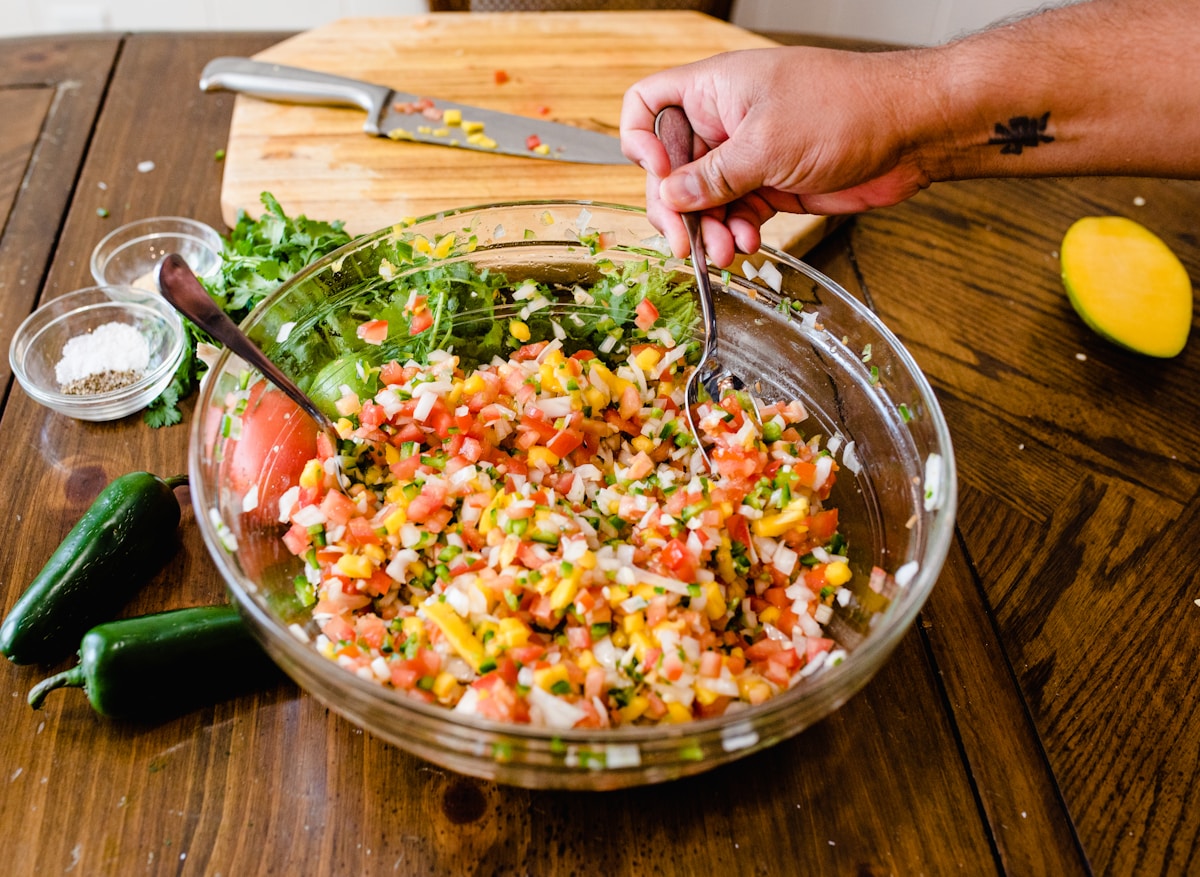
Now that you’re an expert on acid, let’s put it into practice. This is how you make a pico de gallo that pops with fresh, vibrant flavor. The secret isn’t just adding lime juice, but giving it a little time to work its magic.
Ingredients:
- 4-5 ripe Roma tomatoes (they have fewer seeds and less water)
- 1/2 a medium white onion, finely diced
- 1 jalapeño, seeds and ribs removed, minced (use more or less depending on your spice preference)
- 1/2 cup fresh cilantro, chopped
- Juice of 1-2 juicy limes (start with 1, add more to taste)
- 1/2 teaspoon kosher salt, plus more to taste
Instructions:
-
Prep Your Tomatoes: Slice the tomatoes in half lengthwise. Use a small spoon to gently scoop out the watery seeds and pulp. This is the key to a salsa that isn’t soupy! Now, dice the firm tomato flesh into small, even pieces and add them to a medium bowl.
-
Combine the Veggies: Add the finely diced white onion, minced jalapeño, and chopped cilantro to the bowl with the tomatoes.
-
Add the Magic: Squeeze the juice of one full lime over the mixture. Sprinkle in the 1/2 teaspoon of kosher salt. Give everything a gentle stir to combine.
-
Let It Rest! This is the most important step. Cover the bowl and let the pico de gallo sit at room temperature for at least 15-20 minutes, or up to 30. This gives the salt time to draw out some juices from the tomato and, more importantly, gives the lime juice time to brighten all the flavors and soften the onion.
-
Taste and Adjust: After it has rested, give it one more stir and take a taste. Does it need more salt? Does it need more zing? If so, squeeze in the juice from your second lime. Once it tastes perfect to you, it’s ready to serve with your favorite chips.
See? You didn’t just make salsa. You used acid to transform a set of ingredients into a balanced, bright, and delicious dish.
Try This Tonight:
I want you to experience this transformation for yourself in the simplest way possible. The next time you cook dinner—whether it’s a simple chicken breast, a bowl of soup, or some steamed green beans—taste it right before you serve it. Then, squeeze a small wedge of lemon over just your portion. Taste it again. Notice that little explosion of flavor? That brightness? That’s the power you now hold. You’ve learned the secret. Welcome to the next level of your cooking journey. You’ve got this.