


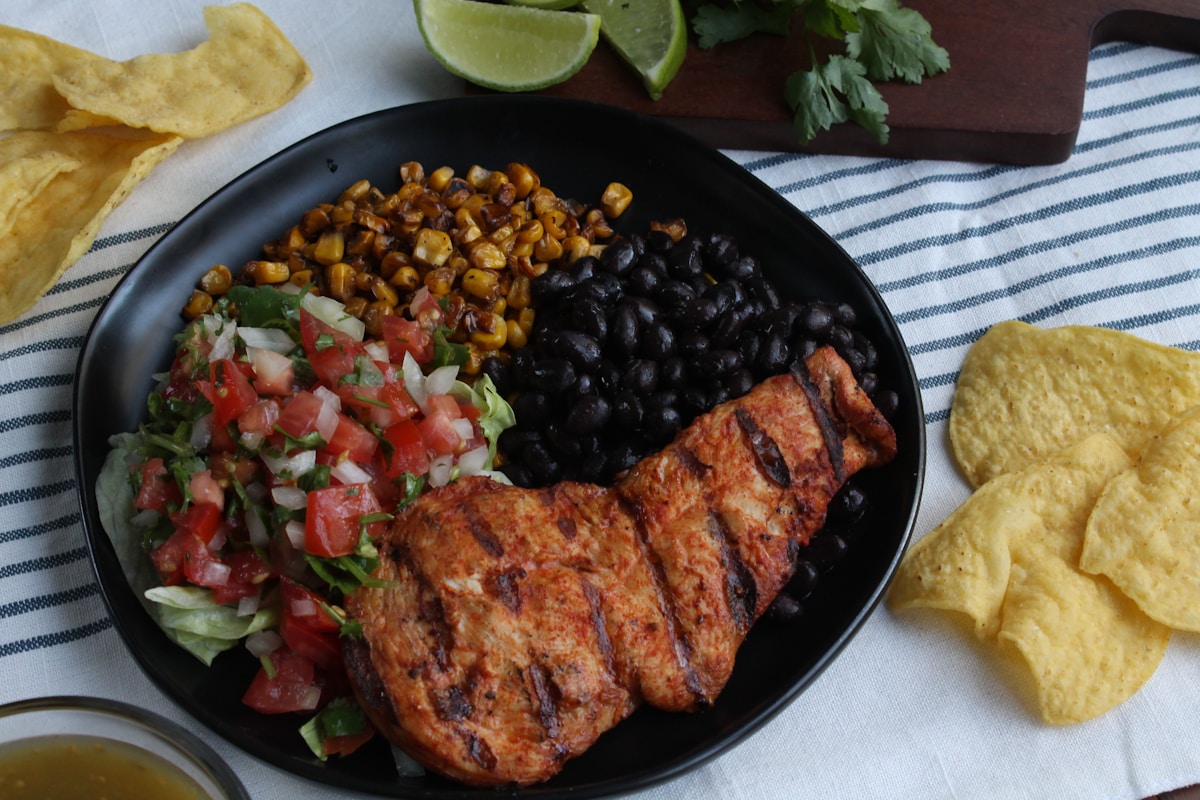
Hello, kitchen adventurers! Beatrice here, your friendly guide to all things deliciously simple. Let’s talk about a moment I know we’ve all had. You’ve got a mountain of beautiful, freshly chopped tomatoes, a pile of crisp white onion, a cloud of fragrant cilantro, and maybe a fiery jalapeño winking at you from the cutting board. You’re seconds away from a bowl of glorious, fresh pico de gallo. You reach for the final, magical ingredient… and your hand hits an empty spot on the counter. The lime is gone.
A tiny wave of panic might set in. Can you just… skip it? Is it really that important? You’ve done all the hard work of chopping, after all. It’s a question that pops up more often than you’d think, and I’m here today to tell you the answer. Skipping the lime juice in pico de gallo isn’t like leaving nuts out of a cookie; it’s like trying to make the cookie without any sugar or butter. It fundamentally changes what it is.
So, let’s pull back the curtain and understand the beautiful, simple science of why this zesty little fruit is the undisputed MVP of your favorite fresh salsa.
Flavor The Conductor of the Salsa Orchestra
First and foremost, let’s talk taste. On its own, a bite of chopped tomato, onion, and cilantro is… well, it’s just chopped vegetables. It’s a salad mix. It’s fine, but it’s not pico de gallo.
Lime juice is the acid that makes everything sing. Think of it like the conductor of a tiny, delicious orchestra. The sweet, juicy tomatoes are the violins, the sharp, pungent onion is the brass section, and the fresh, herbaceous cilantro provides the woodwind notes. Without the conductor—the lime juice—they’re all just playing their own tune. It’s noise, not music.
The acidity in the lime juice performs a magical balancing act. It cuts through the raw pungency of the onion, brightens the natural sweetness of the tomato, and elevates the green notes of the cilantro, weaving them all together into a single, harmonious flavor. That bright, zesty “pop” you taste in a good pico? That’s the lime juice, waking up every other ingredient and making it taste more like itself. Without it, the flavor is flat, disjointed, and honestly, a little boring. (And we are never aiming for boring in the kitchen.)
Preservation Pico’s Freshness Bodyguard
Have you ever noticed how pico de gallo made without lime juice starts to look a little sad and brown after just a few hours? Or how it can get watery and lose its crispness? That’s a little process called oxidation at work, and lime juice is its greatest enemy.
Think about what happens when you slice an apple or an avocado. It starts to brown almost immediately when exposed to the air. The same thing happens, albeit a bit more slowly, to the ingredients in your pico. The citric acid in lime juice is a powerful natural antioxidant. When you toss your freshly chopped ingredients with it, you’re essentially creating a protective shield that dramatically slows down that browning process.
This keeps your pico looking vibrant, fresh, and appetizing for much longer. But it’s not just about looks. That same acid also acts as a natural preservative, inhibiting the growth of bacteria. This means your lime-kissed pico de gallo will not only look better, but it will also stay safer and taste fresher for a day or two longer in the fridge. It’s your salsa’s personal bodyguard, ensuring it stays at its peak from the first scoop to the last.
Texture The Magic That Tames the Onion
This might be the coolest and most overlooked job that lime juice has. We’ve all had that pico de gallo where the raw onion is so overwhelmingly sharp and fiery that it’s all you can taste. It can be aggressive and unpleasant. Lime juice is the secret to preventing that.
When the acid from the lime comes into contact with the raw onion, it starts a gentle chemical process called denaturation. In simple terms, it begins to very slightly “cook” the onion without any heat at all. This process softens the cell walls just enough to mellow out that harsh, raw bite. It tames the onion’s fiery temper, transforming it from a bully into a team player.
The result is an onion that still has its wonderful crunch and essential flavor, but without the aggressive, lingering pungency. This is absolutely critical for balance. It allows you to taste the tomato, the cilantro, and the jalapeño, creating that perfect, multi-layered bite we all crave. It’s a subtle touch, but it makes a world of difference in the final texture and enjoyability of your pico.
Fresh vs Bottled Does It Really Matter
Okay, so what if you don’t have a fresh lime, but you do have that little plastic lime-shaped bottle of juice in the back of your fridge? Is that an acceptable substitute? My gentle but firm answer is: please try to avoid it.
(I know, I know, I’m all about making things easy! But this is a corner worth not cutting.)
Bottled lime juice has been pasteurized—heated to a high temperature to make it shelf-stable. This process fundamentally changes its flavor. It kills the bright, aromatic, and volatile oils that give fresh lime juice its incredible fragrance and taste. Bottled juice often has a dull, slightly metallic, or “cooked” flavor that can make your pico taste flat or even a little off. Freshly squeezed juice has a vibrancy that you simply cannot replicate from a bottle.
Here’s a little kitchen hack for you: To get the absolute most juice from your lime, press down firmly and roll it back and forth on your countertop for about 15 seconds before you slice it open. This helps break down the membranes inside, releasing way more juice when you squeeze. Your hands (and your pico) will thank you.
Try This Tonight Your Perfect Pico de Gallo
Ready to see—and taste—the magic for yourself? Here is a classic, can’t-go-wrong recipe. Notice how the lime and salt are the last steps, the finishing touch that brings it all to life.
You’ll Need:
- 4-5 ripe Roma tomatoes, finely diced (Roma tomatoes are great because they have less water and seeds)
- 1/2 a medium white onion, finely diced
- 1/2 cup fresh cilantro, chopped (stems and all!)
- 1 jalapeño, seeds removed and finely minced (use more or less depending on your spice preference)
- The juice of 1 to 2 fresh limes (start with one, taste, and add more if needed)
- 1/2 teaspoon of kosher salt, plus more to taste
The Method:
- Combine the Veggies: In a medium-sized glass or ceramic bowl, combine your diced tomatoes, onion, cilantro, and jalapeño. Gently stir everything together.
- Add the Magic: Squeeze the fresh lime juice all over the mixture. Sprinkle in the salt.
- Stir & Wait (This is the most important step!): Stir everything together until it’s well combined. Now, cover the bowl and let it sit for at least 15-20 minutes. This little rest is called maceration. The salt and lime juice will work together to draw the juices out of the tomatoes and allow all those beautiful flavors to meld and marry. Don’t skip this!
- Taste & Serve: Give it one last stir, taste for seasoning, and add more salt or a final squeeze of lime if you think it needs it. Serve with your favorite tortilla chips and enjoy the taste of perfection.
So, can you make pico de gallo without lime juice? Technically, you can mix the ingredients together. But you won’t have made pico de gallo. You’ll have a bowl of chopped vegetables waiting for its soul. The lime is what transforms it, elevates it, and makes it the vibrant, delicious salsa we know and love. Everyone starts somewhere, and understanding the ‘why’ behind an ingredient is one of the best first steps. Now go on and make a batch you’ll be proud of!


