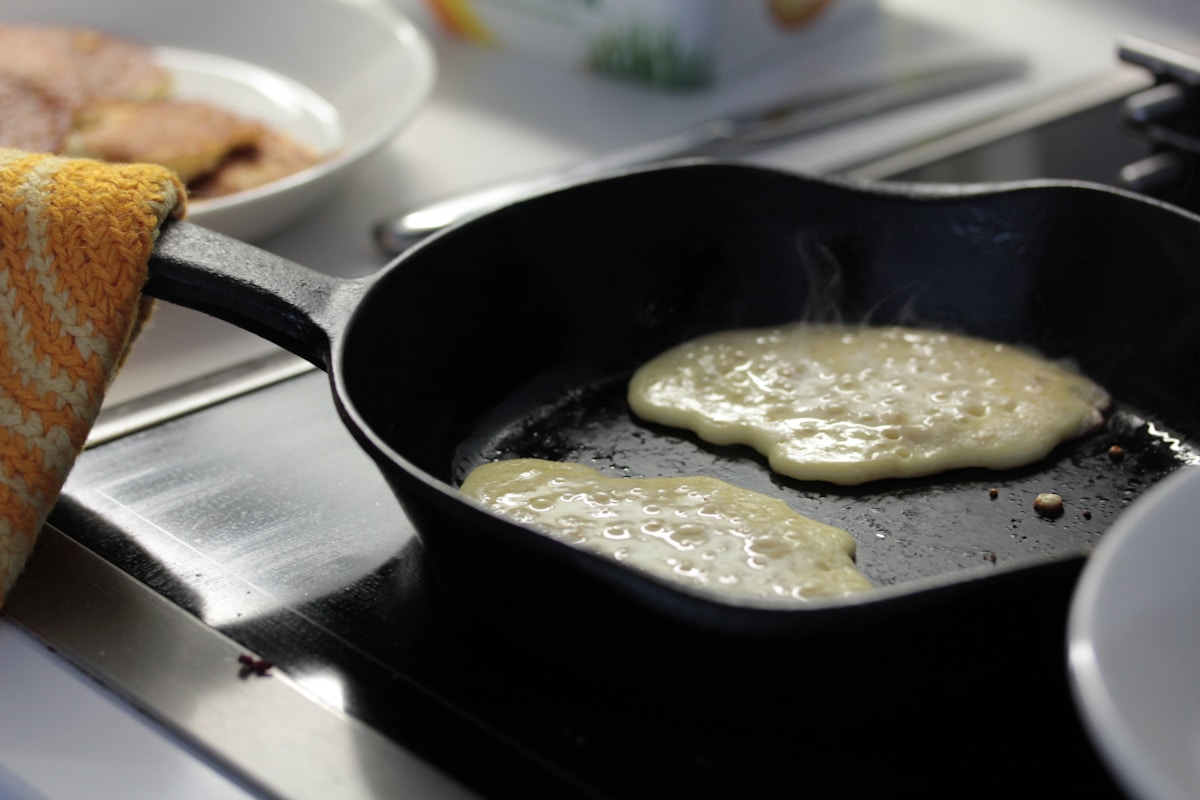
You’re in the middle of searing a steak, the pan is smoking hot, and then you hear it — a loud, sharp snap. Your cast iron skillet has cracked. It’s startling, and you’re left wondering what went wrong. The short answer is thermal shock: a sudden change in temperature that the brittle metal couldn’t handle. But the good news is that with the right habits, you can avoid this happening again.
Key Takeaways:
- Thermal shock from rapid temperature changes is the primary cause of cast iron cracks.
- Never heat an empty pan on high or pour cold water into a hot skillet.
- Preheat slowly on low to medium heat and let the pan cool naturally before cleaning.
- A cracked pan is not safe for cooking; repurpose or recycle it.
What Is Thermal Shock and Why Does It Crack Cast Iron?
Cast iron is a workhorse in the kitchen. It heats evenly, holds temperature well, and, when seasoned properly, provides a near-nonstick surface. But it has one weakness: it’s brittle. Unlike aluminum or stainless steel, cast iron doesn’t bend or warp under stress — it cracks.
Thermal shock happens when one part of the pan expands or contracts much faster than the rest. Imagine heating a cold skillet on high heat. The bottom gets hot quickly and expands, while the sides remain cooler and tighter. That difference creates internal stress. When the stress exceeds the metal’s strength, a crack forms — often with that dramatic snap.
The same thing happens in reverse. Pour cold water into a red-hot pan and the surface contracts instantly while the interior stays hot. The result is the same: a crack.
Cast iron is made of iron with a small amount of carbon. That carbon makes it hard but also brittle. It handles high, steady heat well, but it cannot tolerate rapid temperature swings. This is why thermal shock is the number one reason skillets crack — not a manufacturing defect, not normal wear and tear.
Common Mistakes That Lead to Cracking
Many home cooks assume cast iron is indestructible. It’s not. Here are the most common actions that lead to a cracked skillet.
Heating an empty pan on high. You might crank the burner to high thinking you need a screaming-hot pan for searing. But without oil or food to absorb and distribute the heat, the metal heats unevenly. The center becomes much hotter than the edges, and the stress builds fast. Always start with low or medium heat and add oil or butter before the pan gets too hot.
Cold water on a hot pan. This is the classic mistake. You finish cooking, the pan is still smoking, and you run it under cold water to clean. The sudden temperature drop can crack the pan instantly. Even a small splash of cold water from the faucet can do it. Let the pan cool on the stove or a trivet for at least 10–15 minutes before you even think about washing.
Placing a hot pan on a cold or wet surface. Setting a sizzling hot skillet directly on a granite countertop or a wet towel can shock the metal. The cold surface wicks heat away from one side of the pan too quickly. Always use a dry trivet, a folded kitchen towel, or a wooden cutting board. Never put a hot cast iron pan into the sink or onto a metal counter.
Dropping or banging the pan. Cast iron is heavy and hard, but a drop onto a tile floor or a hard counter can create a hairline fracture that grows later. Even if the pan doesn’t break on impact, that hidden crack can split open during the next heating cycle.
Using a gas stove on maximum for prolonged preheating. Gas flames are intense and focused. On high, the flame may only hit the center of the pan, creating a hotspot. The surrounding metal stays cooler. Over several minutes, that uneven expansion can cause a crack. Better to preheat on medium-low and turn up only when needed.
Seasoning at too high a temperature. Some seasoning instructions recommend very high temperatures (500°F or more) for polymerizing oil. But heating a dry, empty pan that hot and then letting it cool quickly in a drafty kitchen can stress the metal. Follow the manufacturer’s temperature guidance and let the pan cool slowly inside the oven.
Safe Heating and Cooling: Best Practices to Protect Your Pan
Preventing cracks is mostly about managing heat transfer. These steps will keep your skillet safe for decades.
Preheat slowly, always. Start your burner on low or medium-low. Let the pan warm for 3–5 minutes. Then gradually increase the heat to your desired level. For searing, medium-high is often enough. On most stoves, the highest setting is rarely needed and can be risky.
Add oil or food before the pan gets too hot. Oil distributes heat and prevents direct flame contact. Even a thin layer of oil helps even out the temperature. If you’re preheating to cook, add the fat once the pan is warm, not when it’s smoking.
Use medium heat for most cooking. Cast iron retains heat incredibly well. Once hot, you can often lower the burner to medium or even medium-low to maintain temperature. High heat is for brief searing or boiling liquids, not for prolonged dry heating.
Let the pan cool naturally. After cooking, turn off the burner and leave the pan on the stove. Don’t move it to the sink or a cold counter. If you need to wash it sooner, let it rest for at least 10 minutes. Then wash with warm water while the pan is still warm, not hot.
Clean gently with warm water. When the pan is warm, use a soft sponge or a brush and warm water. Avoid cold water entirely. For stuck-on food, boil a little water in the pan for a minute or two, then scrape with a wooden spatula. That gentle heat loosens residue without shocking the metal.
Dry immediately, then reheat briefly. After washing, dry the pan with a towel and put it back on a low burner for a minute to evaporate all moisture. This also prevents rust and keeps the pan ready for its next use.
Store in a dry place. Moisture is not a direct cause of cracking, but if you store a wet pan in a cold, damp cabinet and then heat it rapidly, the trapped water can turn to steam and cause stress. Always dry thoroughly before storing.
Can You Fix a Cracked Cast Iron Skillet?
If your skillet already has a crack, you may wonder if it can be saved for cooking. The honest answer is: usually not. Here’s why.
Small hairline cracks. In theory, a crack can be welded or brazed closed. But welding introduces a different metal (the filler rod) and creates a weak spot. The repaired area may not heat evenly, and the original crack can still propagate. More importantly, the weld can contain compounds that are not food-safe. Most experts recommend against using a welded pan for cooking.
Drilling stop holes. Some people drill a small hole at each end of the crack to prevent it from spreading. This stops the crack from growing, but the pan is still compromised. The hole creates a bacteria trap, and the pan may still leak or develop new cracks. This method is more of a temporary fix for a decorative or non-cooking item.
The bottom line: Once a crack extends through the cooking surface or is longer than a hairline, replace the pan. Cooking in a cracked skillet is risky — bacteria can hide in the crevice, the pan may develop hot spots, and it could shatter during use. Safety should come first.
Alternative uses for a cracked skillet. A cracked pan doesn’t have to go to waste. You can use it as a planter for small herbs, as a decorative piece on a shelf, or as a weight for pressing bacon or tofu. It can also be recycled as scrap metal — many metal recycling centers accept cast iron. Some crafters even use broken pieces for garden art or as fire pit grates.
Modern vs. Vintage Cast Iron: Are Older Pans More Likely to Crack?
You may have heard that vintage cast iron is better — smoother, lighter, more collectible. But is it more fragile?
Vintage pans (like Griswold, Wagner, or Favorite). These were often cast thinner than modern pans. The thinner walls heat up faster and respond more quickly to temperature changes. That also makes them more susceptible to thermal shock. A vintage skillet can crack if mishandled, especially if it’s been stored for decades and has developed internal stresses from repeated heating and cooling cycles.
Modern pans (like Lodge, Finex, or Victoria). Most modern cast iron is thicker, heavier, and more robust. The extra mass helps distribute heat and buffers against rapid temperature changes slightly better. However, they are not immune. A thick Lodge skillet can still crack if you pour cold water into it while it’s smoking hot or if you drop it.
Which is more durable? Modern pans generally withstand more abuse in day-to-day cooking, but both types require the same care. The biggest difference is that vintage pans may be more prone to cracking if you are not careful about preheating and cooling. But don’t think your new Lodge is indestructible — treat it with the same respect.
Quality control. Modern manufacturing is more consistent. Vintage pans could have hidden casting flaws — air bubbles or thin spots — that make cracking more likely. That said, many vintage pans have survived for 80+ years because their owners knew how to handle them. So it’s not one versus the other; it’s about technique.
Frequently Asked Questions
How can I tell if my cast iron skillet is cracked? Look closely at the pan’s interior and exterior. A crack may appear as a thin dark line. You can also fill the pan with water and see if it leaks. Another test: gently tap the pan with a metal utensil. A solid, ringing tone means it’s intact; a dull thud can indicate a crack. Running a magnet across the surface may catch on the edge of a crack.
Is it safe to cook with a cracked cast iron skillet? No. Cracks create hiding places for bacteria and food particles. They also cause uneven heating, which can lead to burning or further damage. Worst case, the pan can break apart during cooking, spilling hot oil or food. Once you spot a crack, stop using the pan for cooking.
What should I do immediately after a crack appears? Turn off the heat and let the pan cool naturally. Do not test it by heating it again — the crack can grow. Once it’s cool, assess the damage. If the crack goes through the surface, recycle or repurpose the pan. If it’s only a small surface scratch (not a true crack), you may be able to continue using it, but inspect it after each use. When in doubt, replace it.
Cast iron is a fantastic kitchen tool — it lasts for generations if you treat it right. A cracked skillet is almost always the result of a sudden temperature change, not a flaw in the pan itself. By preheating slowly, avoiding cold water shocks, and letting your pan cool naturally, you can prevent that startling snap and enjoy your skillet for years to come.