Something Big Is Happening in the Kitchen
Just last year, a 14-year-old baker posted a photo of their first cheesecake on Reddit’s r/Baking community. The result? A beautifully golden, crack-free top with a cloud of homemade whipped cream. The post was filled with praise, but also some gentle warnings about the pitfalls that so many beginners face — cracks, curdled fillings, and sunken centers. If you’ve got a teen (or a tween) who’s eager to try this classic dessert, you’re probably wondering: can they really pull it off? The answer is a resounding yes — with the right guidance and a little patience. Let me show you what I’ve learned from years of baking with my own kids and the wisdom shared by that Reddit community.
Why Cheesecake Frightens Even Experienced Home Bakers
Cheesecake has a reputation for being fussy. It requires precise oven temperatures, gentle mixing, and a water bath that can feel like a science experiment. But here’s the secret: once you understand the “why” behind each step, the fear disappears. The Reddit bakers who responded to that teen’s post all agreed on one thing — start with a New York-style cheesecake recipe. It’s dense, rich, and surprisingly forgiving because it has a higher proportion of cream cheese to eggs, which helps stabilize the filling. Classic New York cheesecake uses four 8-ounce packages of cream cheese, one cup of sugar, five large eggs, two teaspoons of vanilla, and a cup of sour cream. The fat content from the cream cheese and sour cream gives it a luxurious texture that can withstand a few mistakes.
The Equipment That Makes All the Difference
You don’t need a professional bakery setup. Here’s what your teen baker will need:
- Springform pan (9-inch, 10-inch works too). Brands like Fat Daddio’s or USA Pan have good non-stick options and are leak-resistant — important for the water bath. Prices range from $15 to $30.
- Electric mixer (hand or stand). A KitchenAid stand mixer is a luxury, but a simple hand mixer works just fine. Just be careful not to overmix on high speed.
- Large roasting pan for the water bath — a cheap aluminum one works.
- Instant-read thermometer (optional but helpful) to check internal temperature. Cheesecake is done when the center reads 150°F (65°C) to 155°F (68°C).
- Heavy-duty aluminum foil for wrapping the pan to prevent leaks.
- Graham cracker crust is traditional — you’ll need about 1 1/2 cups of crumbs (from 12 full sheets), 1/4 cup sugar, and 6 tablespoons melted butter.
The All-Important Temperature and Mixing Rules
The Reddit community was clear: room-temperature ingredients are non-negotiable. Cold cream cheese leads to lumps. Cold eggs can cause the batter to separate. So pull your cream cheese, eggs, and sour cream out at least an hour before starting. Let them sit on the counter. (Here’s a hack: if you’re short on time, cut the cream cheese into cubes for faster warming.)
Mixing technique matters too. Overmixing incorporates too much air, which leads to bubbles and cracks. The golden rule: mix on low speed only until smooth. Scrape the bowl often. One Redditor put it perfectly: “You want a velvety batter, not a whipped one.” Here’s the sequence: beat the cream cheese and sugar until fluffy (about 2 minutes on medium-low). Add the eggs one at a time, mixing on low after each addition. Then add the sour cream and vanilla, mix just until combined. Stop immediately.
The water bath seems intimidating but is actually simple. Wrap the bottom and sides of your springform pan in heavy-duty aluminum foil to prevent leaks. Make sure the foil comes up higher than the water level. Place it in the roasting pan, pour the batter, then carefully pour hot (not boiling) water into the roasting pan until it comes about halfway up the sides of the springform pan. The steam keeps the cheesecake moist and prevents cracking. Some bakers skip the foil by using a slow cooker liner — a clever trick I’ve seen on Reddit.
Bake at 325°F (163°C) for 50 to 60 minutes. The center should still jiggle slightly when you shake the pan. Turn off the oven, crack the door open, and let the cheesecake cool inside for an hour. This gradual cool-down prevents sudden temperature shifts that cause cracks. Then refrigerate for at least 4 hours, preferably overnight. I know it’s hard to wait, but that chill time is essential for the texture to set properly.
How to Rescue a Cracked or Curdled Cheesecake
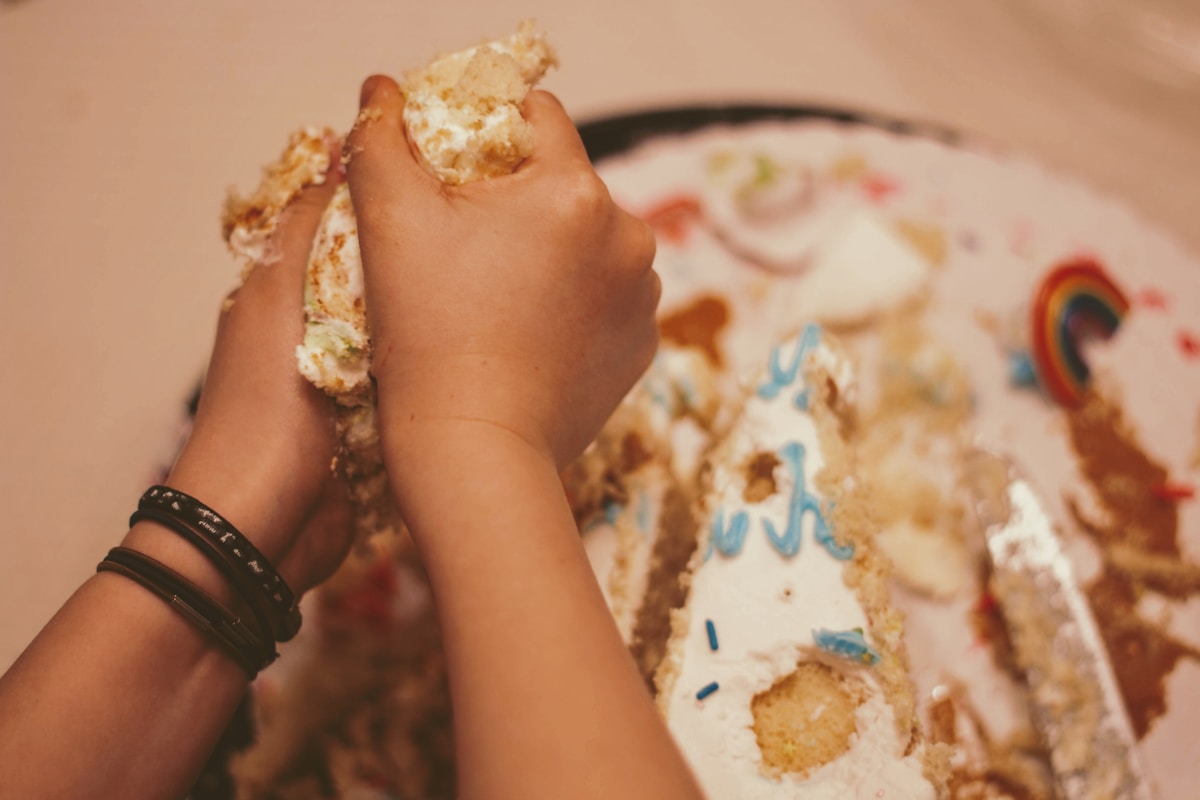
Even with perfect technique, things can go wrong. If your teen’s cheesecake cracks, don’t panic. You can cover it with fresh fruit, chocolate ganache, or that whipped cream. The taste is still incredible. If the filling curdles (looks grainy or separated), it usually means the ingredients were too cold or overmixed. Next time, set them out longer and use lower mixer speed. Another common issue is a sunken center — that usually happens if the cheesecake is underbaked or if you opened the oven door too early. Remember: resist the urge to peek for at least 45 minutes.
The Homemade Whipped Cream That Stole the Show
That teen’s post highlighted that everything was homemade — including the whipped cream. And it’s so simple your teen can make it without any help. Just chill a metal bowl and beaters, pour 1 cup (240 ml) of heavy cream, add 2 tablespoons (25 g) of sugar and 1 teaspoon (5 ml) of vanilla extract. Whip on medium-high until soft peaks form — about 2-3 minutes with a hand mixer. Don’t overwhip or you’ll get butter! (Yes, really.) You can also add a tablespoon of powdered sugar for extra stability and sweetness.
How Parents Can Help Without Taking Over
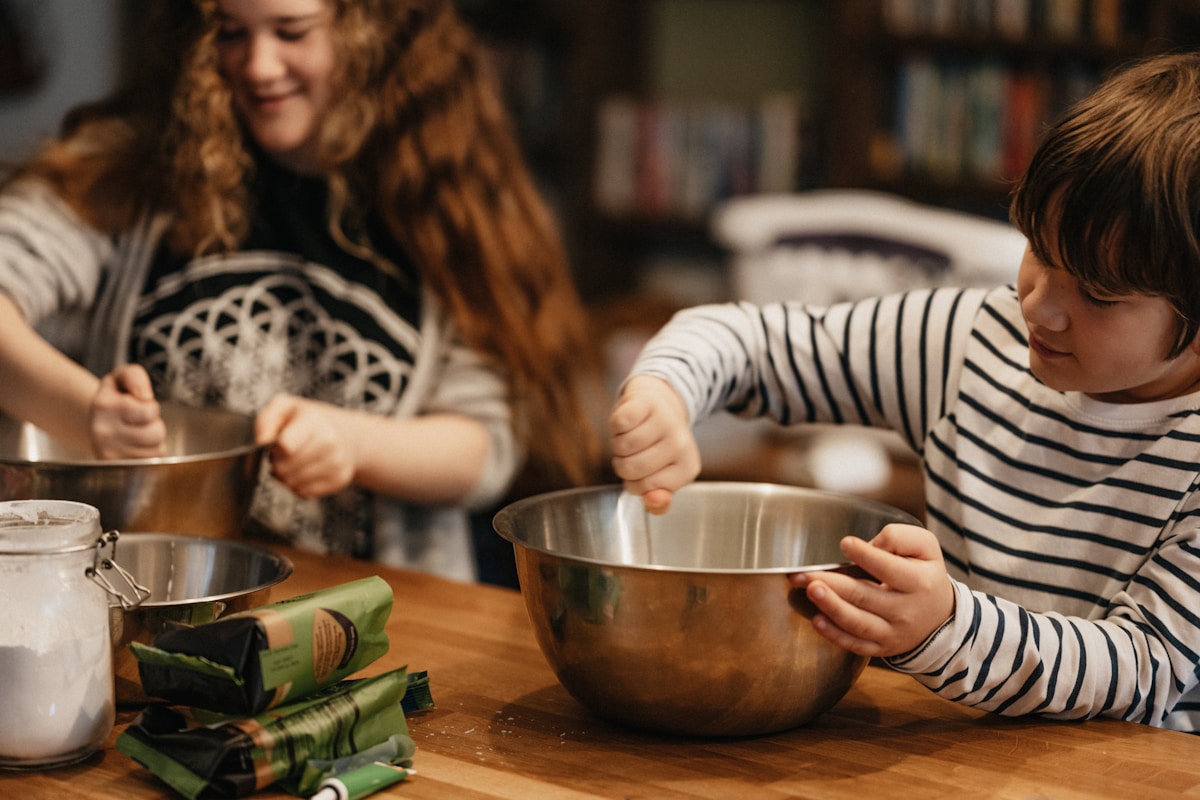
Your role is to be the sous chef. Pre-measure ingredients — especially sugar and flour — and set them out. Help with the water bath (hot water is a safety concern for younger teens). Keep an eye on the oven timer. But let your teen do the mixing, pouring, and decorating. The pride they’ll feel from that first bite of their own creation is worth every dirty bowl. And if the cheesecake cracks? Teach them that mistakes are part of learning. My niece once forgot to add sugar to her first cheesecake — we all laughed and ate it with extra whipped cream.
Final Thoughts: The Kitchen Is Where Confidence Grows
Whether your teen ends up with a bakery-worthy cheesecake or one that’s a little cracked, the real victory is the experience. They learned about temperature control, patience, and the joy of sharing something delicious. And as that Reddit baker showed us, even at 14 you can create something beautiful. So next time your teen asks to bake a cheesecake, say yes. Just remind them to start with room-temperature cream cheese. (Your future self will thank you.)