I’ll never forget the morning my neighbor appeared at the door with a paper bag full of mangoes that were “a day past perfect.” They were fragrant, soft, and begging to be used before they went to waste. My first instinct was to slice them up for smoothies, but my six-year-old had other ideas. “Can we make cupcakes?” she asked, eyes wide. That’s how we stumbled into one of our favorite kitchen adventures: mango cupcakes with whipped cream and a surprise layer of homemade mango jam. Not only were they a hit with the whole family, but the entire process became a beautiful lesson in creativity, patience, and using what you have. If you’ve ever wondered whether baking with mangoes is worth the sticky mess, I’m here to tell you it absolutely is — especially when little hands are involved.
Why Mangoes Are Perfect for Kid-Friendly Baking
Mangoes are a seasonal treasure, and their natural sweetness means you can often reduce the sugar in a recipe, which is a bonus when baking for children. But beyond nutrition, mangoes are a sensory powerhouse. The bright orange color, the silky texture, and the tropical aroma make them irresistible to young bakers. When you let a child smell a ripe mango and then taste a tiny piece, you’re building a connection to where food comes from and how it transforms. Plus, working with mangoes teaches kids about ripeness: too firm and they’re hard to mash; too soft and they’re perfect for jam. That’s a real-world science lesson wrapped in a delicious activity.
Getting Started: Tools and Ingredients
Before you dive in, gather your equipment. You’ll need a standard 12-cup muffin tin, paper liners, two mixing bowls, a whisk, a rubber spatula, and a hand mixer or stand mixer (a KitchenAid Artisan works beautifully, but even a simple hand mixer will do). For the mango jam, you’ll want a small saucepan and a potato masher or fork. As for ingredients, here’s what you’ll need:
- 1 1/2 cups all-purpose flour (King Arthur Flour is my go-to for consistent results)
- 1 teaspoon baking powder
- 1/4 teaspoon baking soda
- 1/4 teaspoon salt
- 1/2 cup unsalted butter, softened
- 3/4 cup granulated sugar
- 2 large eggs, at room temperature
- 1 teaspoon vanilla extract
- 1/2 cup buttermilk (or 1/2 cup milk + 1 teaspoon lemon juice, let sit 5 minutes)
- 1 cup ripe mango puree (from about 2 medium mangoes)
For the jam, you’ll need 2 cups diced mango, 2 tablespoons sugar, and 1 teaspoon lemon juice. For the whipped cream topping: 1 cup heavy cream, 2 tablespoons powdered sugar, and 1/2 teaspoon vanilla.
The Cupcake Recipe Step by Step
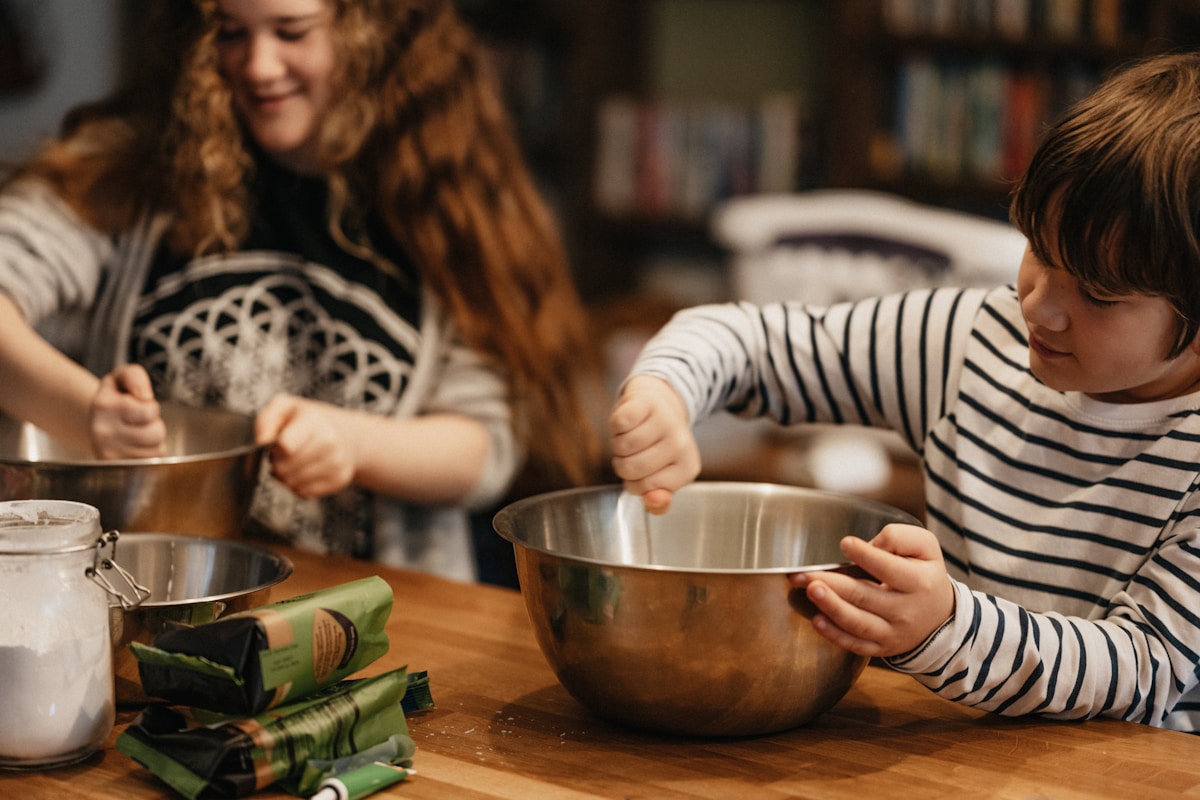
This recipe is forgiving enough that even a preschooler can help with most steps. Start by preheating your oven to 350°F (175°C) and lining your muffin tin. Let your child help measure the dry ingredients into a bowl — yes, it’s okay if some spills. That’s part of the learning. Whisk the flour, baking powder, baking soda, and salt together. In another bowl, cream the butter and sugar until light and fluffy, about 3 minutes with a mixer. Add the eggs one at a time, then the vanilla. Your little helper can press the mixer button while you guide the bowl. Now comes the fun part: add the mango puree. It will make the batter look a little curdled — that’s normal. Alternate adding the dry ingredients and buttermilk, starting and ending with flour. Mix just until combined — overmixing makes tough cupcakes. Fill each liner about two-thirds full (a cookie scoop works great for kids). Bake for 18–22 minutes, until a toothpick comes out clean. Let them cool completely before frosting.
Making Mango Jam: A Two-Ingredient Wonder
While the cupcakes bake, you can make the jam. This is where your child can really get hands-on. Put the diced mango in a small saucepan with the sugar and lemon juice. Let your kid mash the mango with a potato masher or fork — they’ll love the squishy sensation. Cook over medium heat, stirring occasionally, until it thickens, about 10–12 minutes. It will thicken more as it cools. This jam is a perfect lesson in patience: you go from chunks to a glossy, spreadable treasure. Once cool, you’ll have about 1/2 cup of jam. Use it to fill the cupcakes: cut a small cone out of the top of each cooled cupcake, spoon in a teaspoon of jam, then replace the top. (Your child can help with the spooning, though expect some jam on fingers.)
Whipped Cream and Assembly
Whip the heavy cream, powdered sugar, and vanilla until soft peaks form. Again, let your kid help pour and watch the transformation from liquid to fluffy clouds. Pipe or spoon the whipped cream onto the cupcakes. For a fancy touch, top with a small slice of fresh mango. The result? A cupcake that’s moist, fruity, and not overly sweet — the jam layer adds a burst of real mango flavor. This is a dessert that feels special but comes together in under an hour.
Pro Tips for Baking with Kids
- Embrace the mess. Lay down a plastic tablecloth or use a big baking mat. Cleanup is easier when you expect sticky counters.
- Set up stations. Have all ingredients measured ahead of time in small bowls. This keeps little hands from grabbing the sugar bag and dumping it.
- Talk about temperature. Explain why butter needs to be soft (so it creams properly) and why eggs should be room temperature (they emulsify better). Kids absorb these details without realizing they’re learning chemistry.
- Safety first. Let older kids (7+) use the mixer on low speed with supervision. Younger ones can stir dry ingredients or mash mango. Always keep sharp knives out of reach.
- Taste as you go. Let your child lick the spoon after mixing — but make sure they know not to eat raw batter with eggs. Offer a taste of the jam before it’s cooked or a bit of mango.
- Practice zero-waste. The mango pit and peel can go into compost. The leftover jam can be used on toast or stirred into yogurt. This teaches kids that every part of the fruit has a purpose.
A Note on Mango Variety
Not all mangoes are created equal for baking. Ataulfo (Honey) mangoes are my top pick because they’re less fibrous and very sweet. If you have a big, fibrous mango like a Tommy Atkins, you’ll need to puree and strain it. Simply peel, chop, blend, and push through a fine-mesh sieve. This extra step removes those stringy bits that can ruin the texture of the cupcakes. (Your child might enjoy watching the puree squeeze through the sieve — it’s like a playdough press.)
Why This Activity Matters
Baking with kids is about more than the final treat. It’s about developing fine motor skills, following directions, and building confidence. When a child sees a pile of flour, sugar, and mango transform into something they can share with friends, they feel a genuine sense of accomplishment. And if you’re using fruit that would otherwise spoil, you’re also teaching lessons about reducing waste and being resourceful — values that stick with them long after the last crumb is gone.
So next time you have a batch of ripe mangoes, don’t just slice them. Call your kids into the kitchen, put on aprons, and make these mango cupcakes. The mess is worth it, the laughter is priceless, and the taste? Absolutely worth every sticky finger.