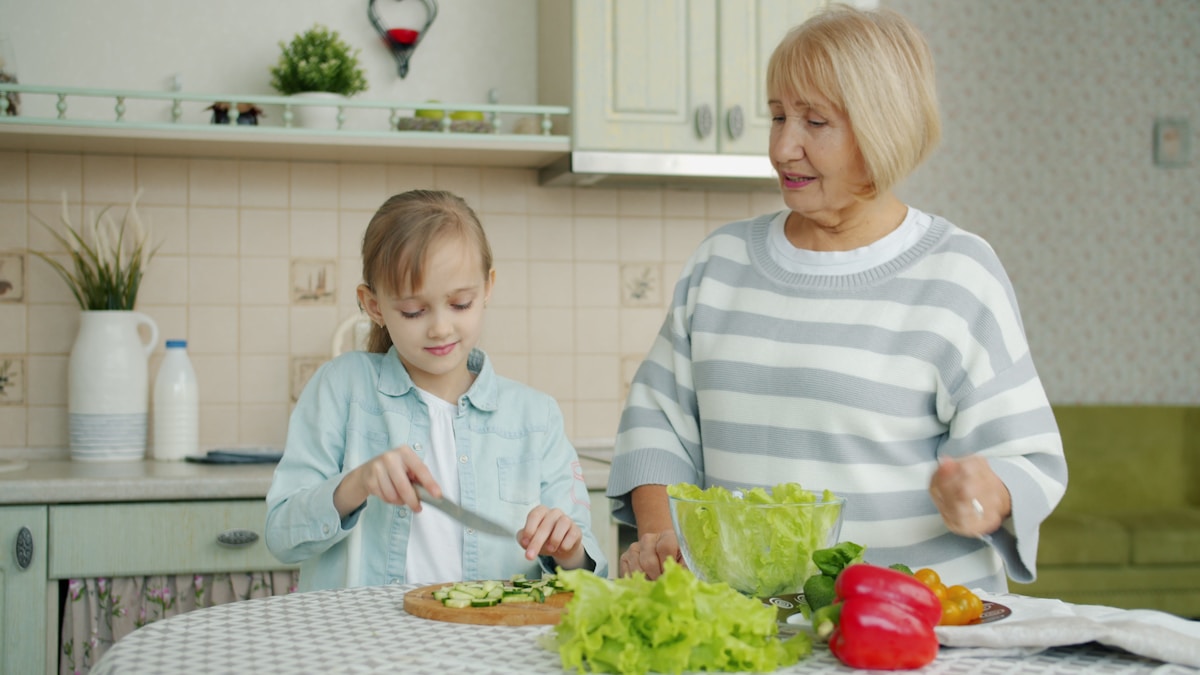
You want to teach your kids to cook, but starting with a full recipe can feel overwhelming. Measurements, timing, and multiple steps often lead to frustration for everyone. A simple rice tasting experiment offers a different approach. It lets children explore how individual seasonings change a plain food without the pressure of following instructions.
Neutral cooked rice is a perfect blank canvas. It absorbs flavors easily and has a mild taste that won’t compete with the seasonings you add. This low-stress setup encourages curiosity and lets each family member discover what they like. By the end of the session, your children will understand how salt, herbs, and spices affect a dish. That knowledge is the foundation of teaching kids to cook.
Key Takeaways:
- Build flavor intuition by tasting individual seasonings on a neutral base.
- Set up safe tasting stations with age-appropriate tasks and cooled rice.
- Start with 4–6 familiar spices and lead a guided discussion without pressure.
- Turn the lesson into games like Mystery Spice and Build Your Bowl.
- Expand the method to other foods like pasta or potatoes for continued learning.
Why A Rice Tasting Experiment Works
You want to teach your kids to cook, but starting with a full recipe can feel overwhelming. Measurements, timing, and multiple steps often lead to frustration for everyone. A simple rice tasting experiment offers a different approach. It lets children explore how individual seasonings change a plain food without the pressure of following instructions.
Neutral cooked rice is a perfect blank canvas. It absorbs flavors easily and has a mild taste that won’t compete with the seasonings you add. This low-stress setup encourages curiosity and lets each family member discover what they like. By the end of the session, your children will understand how salt, herbs, and spices affect a dish. That knowledge is the foundation of teaching kids to cook.
Setting Up Safe Rice Tasting Stations
Safety comes first whenever you involve children in the kitchen. For this activity, you will need to prepare several small bowls or saucepans of cooked rice. Use plain white or brown rice without any added salt or butter. Keep the portions small, about half a cup per station, to minimize waste.
Decide on age-appropriate tasks before you start. Children under 5 can help by choosing the spice bowls or stirring cold ingredients. Ages 5 to 7 can measure dry spices with your supervision. Children over 8 can help stir the hot rice if you are nearby and the pot is on a back burner. Always remind kids to keep pot handles turned inward and to stay a safe distance from the stove.
Set up a tasting station on a clean counter or table. Use a washable tablecloth for easy cleanup. Place one bowl of plain rice at the center and several smaller bowls of seasoned rice around it. Give each bowl a clean tasting spoon to avoid cross-contamination. Have a stack of small plates or spoons for each person to use during the guided tasting.
Safety checks: Let the cooked rice cool to warm before serving. Hot rice can burn young mouths. Assign a “spice station wipe-down” as a post-activity task so kids help with cleanup. This teaches responsibility and keeps your kitchen tidy.
Choosing Your Spices And Aromatics
The key to a successful rice tasting experiment is picking seasonings that are familiar yet distinct. Start with four to six options to avoid sensory overload. Good first choices include salt, black pepper, garlic powder, onion powder, cumin, paprika, and dried oregano. Include one sweet option, like a sprinkle of cinnamon and sugar, to show how seasoning can go both savory and sweet.
Use small amounts per bowl. A quarter teaspoon per cup of cooked rice is enough to give flavor without overpowering. For fresh aromatics, consider pre-cooked minced garlic or a little lemon zest for older kids. Make sure every bowl is clearly labeled. If you have non-readers, use pictures or color-coded stickers.
Discuss the seasonings as you set them out. Let your children smell each jar and guess what it might taste like. This builds excitement and primes their senses for the tasting ahead.
Leading The Guided Tasting And Discussion
Begin by having everyone taste the plain rice first. This establishes a baseline. Ask each person to describe what they notice: “It tastes like nothing” or “It feels soft.” That is fine. Then move to the first seasoned rice. Give each family member a small pinch on a clean spoon or a separate bowl. Encourage them to hold the spoon near their nose first, then taste.
Ask guiding questions: “What do you smell? What do you taste? Does this remind you of any food you have eaten before?” Let them use their own words. There are no wrong answers. This is about building their vocabulary around flavor, not getting the right answer.
Create a simple flavor chart together. You can draw it on a piece of paper or a whiteboard. Label categories like salty, spicy, herby, earthy, and sweet. Write each seasoning under the category that fits. This helps kids connect words to tastes.
If a child refuses to taste something, do not force them. Simply ask them to smell it and guess what it might taste like. Often that is enough to spark curiosity. You can also let them watch you taste it and describe your reaction. Modeling openness encourages them to try later.
Turning The Lesson Into A Game
Kids learn best when they are having fun. Turn the rice tasting into a game to keep their attention. Play “Mystery Spice” where one person is blindfolded and tastes a sample from a plain spoon, then guesses the seasoning. Give hints if needed.
Another idea is “Build Your Bowl.” After tasting each seasoning alone, let each child choose two seasonings to mix into a small bowl of plain rice. This shows how combinations create new flavors. Encourage them to name their creation, like “Cinnamon Cumin Dream.”
Create score cards. Everyone rates each seasoning from one to five stars and tracks their favorite. At the end, compare notes. You might be surprised by what your kids love.
A timed scavenger hunt can also work. Call out a flavor (like “smoky” or “lemony”) and have children find the matching spice jar in your pantry. This reinforces memory and builds familiarity with your spice collection.
Expanding Beyond Rice: Pasta, Potatoes, And More
Once the rice tasting experiment is a success, try the same method with other neutral bases. Cooked plain pasta, such as angel hair or small shells, works well. Mashed potatoes or boiled potato cubes are another option. Couscous or quinoa also provide a mild canvas.
This expansion teaches kids that the same seasoning can taste different depending on the texture and mild flavor of the base. For instance, cumin may taste earthier on rice than on pasta. Discuss why that might be. It encourages critical thinking about cooking.
The method remains the same: prepare small portions of the plain base, season each with a single spice or herb, and taste one at a time. The principle of building flavor intuition applies to any food.
Follow-Up Activities To Reinforce Learning
A single tasting session is a great start, but the real learning comes from using those skills in real meals. Let your child choose one seasoning they discovered during the experiment and add it to a family meal. For example, sprinkle paprika on roasted vegetables or add a pinch of cumin to black beans.
Start a seasoning journal. Each time you cook together, have your child draw or write about one new flavor they tried. Over time, this becomes a personal flavor reference book.
Plan a “family chef night” where each child picks one seasoning and helps make a simple dish that highlights it. A baked potato bar with different toppings is an easy option. Let them decide which spice goes on their potato.
You can also revisit the rice tasting experiment later with new spices like curry powder, chili flakes, or dried dill. As your children grow, their palates will develop, and they will appreciate more complex flavors.
Frequently Asked Questions
What age is appropriate for this rice tasting experiment?
Children aged 3 and up can participate by tasting pre-seasoned rice that has been cooled. Always supervise hot items. Ages 5 and older can help measure and stir cold ingredients. Children under 10 should not be near a hot stove or handle hot pots alone.
How many different seasonings should I prepare?
Start with four to six seasonings to avoid overwhelming your kids. A good mix includes one salty option (soy sauce), one savory (garlic powder), one herb (oregano), and one warm spice (cumin or cinnamon). You can add more in later sessions.
Can I use pre-cooked rice to save time?
Yes, plain pre-cooked rice works well. Reheat it in the microwave or on the stovetop with a splash of water. Let it cool to warm before serving to prevent burns.
What if my child refuses to taste something?
Do not force them. Encourage them to smell the seasoning and talk about what it reminds them of. Often that lowers the barrier. You can also let them watch you taste it and describe your reaction.
How do I clean up after the tasting?
Use a washable tablecloth to catch spills. Assign each child a small cleanup task, like wiping the spice bowls or putting lids back on jars. Leftover seasoned rice can be stored in the refrigerator for up to two days and used in soups or stir-fries.
Can this method work for other foods besides rice?
Absolutely. Try it with plain pasta, mashed potatoes, couscous, or quinoa. The neutral base changes slightly, but the tasting method remains the same. It is a great way to teach kids that seasoning is about personal preference, not just following a recipe.
Is it okay to use strong spices like cayenne or curry powder?
For younger children, stick with mild seasonings. You can introduce bolder spices as they get older and show interest. Always start with a small amount and let kids decide if they want more.
Teaching kids to cook does not have to be complicated. A weekend spent tasting seasoned rice can unlock a whole new world of flavor awareness. By making it a fun, no-pressure activity, you set the stage for a lifetime of confident cooking.