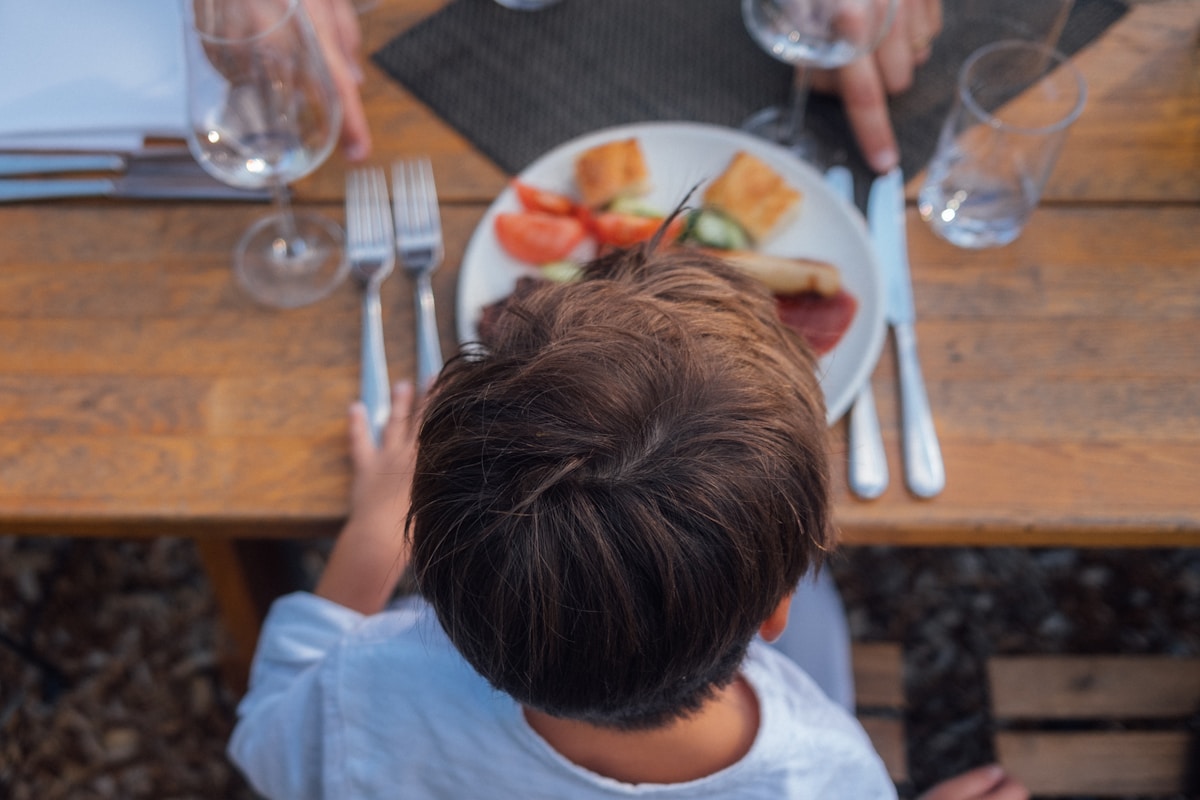
It’s a scene I hear about all the time, and one I’ve even lived through myself. You’ve spent the better part of an hour preparing a wholesome, delicious meal. The aroma fills the kitchen, and you call out, “Dinner’s ready!” The response? Silence. You walk into the living room to find your little one completely mesmerized by the glowing colors of a tablet, fingers swiping furiously through a game or video. The battle to get them to the table begins. It’s a negotiation, a plea, and sometimes, a full-blown tantrum. When they finally do sit down, the tablet often comes with them, propped up against a glass of milk. The family meal you envisioned—full of conversation and connection—is replaced by the tinny sound of a cartoon and a child who is barely aware of the food on their plate. If this sounds familiar, please know you are not alone. And more importantly, there is a warm, wonderful, and yes, achievable path back to the family table you dream of.
The Real Cost of a Digital Dinner Guest
It’s so tempting to use a screen as a digital babysitter, especially when you’re trying to get dinner on the table. (I get it, truly!) It can feel like a lifesaver in those chaotic pre-dinner moments. But when that screen becomes a permanent guest at the table, we start to pay a hidden price. It’s not just about old-fashioned manners; it’s about our children’s development and our family’s connection.
When a child is engrossed in a screen, their brain is getting a constant stream of high-stimulation rewards. The fast-paced games and flashy videos are designed to be captivating. The real world, including the texture of broccoli or a conversation about your day, simply can’t compete with that level of instant gratification. This can lead to a few challenges:
- Mindless Munching: Kids (and adults!) who eat while distracted are less likely to listen to their bodies’ hunger and fullness cues. They may overeat, or they may barely touch their food because their brain is too busy elsewhere. They aren’t truly tasting, smelling, or experiencing their meal.
- Emotional Disconnect: The dinner table is one of the most powerful arenas for social learning. It’s where we learn to take turns talking, to listen, to read facial expressions, and to share the highs and lows of our day. When a screen is the center of attention, those priceless opportunities for connection simply evaporate.
- Behavioral Backlash: The transition from the high-dopamine world of a tablet back to the real world can be jarring for a little one’s nervous system. This is often the root of the “tablet tantrum.” They aren’t just being difficult; their brain is struggling to downshift, leading to irritability and frustration that spills over onto the dinner plate and into family dynamics.
Reclaiming our mealtimes isn’t about punishment. It’s about giving our children—and ourselves—the beautiful gift of being present with one another.
The Great Screen-Free Switch: Your Gentle Game Plan
Okay, so we agree that screens at the table aren’t ideal. But how do you actually make the change without nightly meltdowns? The key is to be patient, consistent, and to replace the screen with something even better: connection.
Here is a step-by-step plan that has worked for countless families:
- Hold a Family Meeting: Don’t let the new rule come as a surprise attack. Sit down at a calm, non-mealtime moment and talk about it. You can frame it positively. “I’ve been thinking about how we can have even more fun together at dinner. Let’s try making our meals a ‘family-only’ time, with no phones or tablets, so we can really talk and enjoy our food.”
- Create a ‘Device Docking Station’: Designate a specific spot away from the dining area—a basket on the entryway table, a charging station in the office—where all family devices “sleep” during mealtime. This is for everyone, parents included! (Modeling this behavior is the most powerful tool you have.)
- Start with a Clear, Simple Rule: The easiest rule to enforce is “No screens at the table, ever.” Ambiguity is the enemy of consistency. A clear boundary helps children understand the expectation.
- Brace for the ‘Detox’ Phase: I won’t sugarcoat it: the first few days, or even the first week, might be tough. Your child may complain, protest, or seem bored. This is normal. Their brain is rewiring itself. Stay calm, hold the boundary with kindness, and don’t give in. Acknowledge their feelings (“I know it feels different not to have the tablet, and that’s okay”) but hold firm on the rule. (This is the hardest part, but you can do it!)
Consistency is your best friend. Every time you stick to the plan, you are reinforcing a new, healthier habit for the whole family.
Filling the Void: Fun Replaces the Screen
The most common worry I hear from parents is, “But what will they do?” The silence can feel deafening at first. Your job is to fill that space not with pressure, but with invitation and ritual.
Instead of just taking the tablet away, actively add something wonderful in its place. Here are a few ideas to get you started:
- Involve Them in the Prep: A child who helps make the meal is far more invested in eating it. Even the littlest hands can help. Toddlers can wash vegetables in the sink or tear lettuce for a salad. Preschoolers can stir ingredients, sprinkle cheese, or set the table. Older kids can help chop vegetables (with supervision and a kid-safe knife), measure ingredients, or even follow a simple recipe step.
- Introduce Conversation Starters: Sometimes, kids just don’t know what to talk about. Have a jar of conversation starters on the table. Questions like, “What was the funniest thing that happened today?” or “If you could have any superpower, what would it be?” can get the ball rolling. My personal family favorite is “Rose, Thorn, and Bud.” Each person shares their “rose” (something great from the day), their “thorn” (something challenging), and their “bud” (something they are looking forward to).
- Make the Table a Special Place: Let the kids help make it inviting. They can fold napkins (creatively!), make place cards with everyone’s names, or even pick a small bouquet of flowers from the garden for a centerpiece.
The goal isn’t to have a perfect, formal dinner every night. The goal is to create a space where your family can relax and reconnect, even for just 15-20 minutes. (And yes, it can get messy! That’s part of the fun.)
A Recipe for Reconnection: Build-Your-Own Mini Pizzas
Nothing brings a family together like making food with your hands. This recipe is a guaranteed winner because it’s creative, customizable, and almost impossible to get wrong.
You’ll Need:
- 1 package of pre-made pizza dough (or English muffins, or naan bread for an even easier base)
- 1 cup (240ml) of your favorite pizza sauce or marinara
- 2 cups (about 8 ounces or 225g) shredded mozzarella cheese
- An assortment of toppings! Think mini pepperoni, sliced mushrooms, diced bell peppers, black olives, pineapple chunks—whatever your family loves.
Let’s Get Cooking!
- Pre-Game Prep: Preheat your oven to 425°F (220°C). Line a large baking sheet with parchment paper for easy cleanup. (Your future self will thank you.)
- Set Up the ‘Pizza Bar’: This is the fun part! Put each topping in a small bowl. This is a great job for the kids. It empowers them and contains the mess… somewhat!
- Shape the Dough: If using dough, divide it into 4-6 small balls. Let the kids help flatten them into mini pizza rounds on a lightly floured surface. If using English muffins or naan, just lay them on the baking sheet.
- Get Creative! Now, let everyone build their own masterpiece. Spoon on the sauce, sprinkle the cheese, and arrange the toppings. Encourage funny faces or cool patterns. There are no rules in pizza art!
- Time to Bake: Carefully place the pizzas on the prepared baking sheet. Bake for 10-12 minutes, or until the crust is golden and the cheese is bubbly and delicious.
- Enjoy Your Creation: Let the pizzas cool for a minute before slicing. Then, gather around the table—screen-free, of course—and enjoy the best-tasting pizza you’ve ever had, because you made it together.
Patience is the Main Ingredient
My dear reader, transforming your family mealtimes won’t happen overnight. It’s a process of unlearning old habits and building new, intentional ones. There will be days when the kids are grumpy, the conversation feels forced, or you’re just too tired to do anything but get food on the table. That’s okay.
Give yourself grace. Celebrate the small victories—the meal with no complaints, the moment your child tells you about their day without being prompted, the shared laugh over a silly joke. These are the moments you are building.
By clearing the digital clutter from your table, you are opening up a space for something far more nourishing: the simple, beautiful, and sometimes messy magic of being a family. And that is a recipe for a lifetime of happiness.