I used to think pig meat is pretty safe to eat, at least when compared to beef or chicken. Never thought Swine Flu disease would cause so much fuss in the world — or put the humble pork chop under such an intense spotlight. When the H1N1 outbreak swept across headlines in 2009, supermarkets in some countries saw pork sales plummet overnight, entire nations banned imports, and home cooks found themselves second-guessing recipes they’d made a hundred times. The kitchen, that magic place where yummy food adds joy to life, suddenly felt like uncertain territory. It didn’t need to.
What Swine Flu Actually Is
Swine Influenza — the disease behind the “Swine Flu” panic — is primarily a respiratory illness of pigs caused by Type A influenza viruses, most notably H1N1, H1N2, and H3N2 strains. The classical swine flu virus (an influenza Type A H1N1 strain) was first isolated from a pig as far back as 1930, meaning this is not a new disease — it has been circulating in pig populations for nearly a century. Swine flu viruses cause high levels of illness in pigs but relatively low mortality, and most outbreaks in pig herds occur during late autumn and winter, mirroring the seasonal pattern seen in human flu.

The 2009 pandemic strain was described by scientists as a “quadruple reassortant” virus — a novel combination of genetic material from human, bird, and two different swine influenza viruses that had never been seen before in either animals or people. This unusual genetic mixing is what gave it the ability to spread efficiently between humans, turning a disease of pigs into a global public health emergency almost overnight.
Can You Get Swine Flu from Eating Pork?
This was the question on every home cook’s mind in 2009 — and the answer from every major global health authority was clear and consistent: No.
The U.S. Centers for Disease Control and Prevention (CDC) stated directly: “Influenza H1N1 is not transmitted by food. You cannot get this flu from eating pork or pork products.” The World Health Organization (WHO), the Food and Agriculture Organization (FAO), the World Organisation for Animal Health (OIE), and the World Trade Organization (WTO) issued a joint statement on May 2, 2009, confirming that “pork and pork products, handled in accordance with good hygienic practices, will not be a source of infection.” The U.S. Secretary of Agriculture Tom Vilsack echoed the same message: “I want to reiterate that U.S. pork is safe.”
The science behind this is straightforward: swine flu is a respiratory disease, not a foodborne one. The virus lives in the airways and lungs of infected pigs — not in the muscle meat we eat. Furthermore, no sick animals enter the food supply under standard food safety regulations, and even if trace virus were somehow present in raw meat, cooking pork to an internal temperature of 70°C / 160°F readily inactivates influenza viruses, just as it kills other bacteria and pathogens.
Why the Panic Anyway?
If the science was so clear, why did so many people stop buying pork? The answer says more about public psychology than food safety. The name “Swine Flu” created an immediate — and inaccurate — mental association between pigs, the disease, and the act of eating pork. Several countries, including Egypt, Russia, and parts of the Middle East, banned pork imports in the early weeks of the outbreak despite having no scientific basis for doing so. The U.S. pork industry estimated losses in the hundreds of millions of dollars in the weeks following the outbreak as consumer demand dropped sharply.
This is a pattern that repeats across food scares: the name of a disease shapes public perception far more powerfully than the actual transmission route. In recognition of this, the U.S. Secretary of Agriculture specifically argued that the virus should not be called “Swine Flu” — there was no evidence, he pointed out, that any U.S. swine had even been infected with the 2009 H1N1 strain at the time the panic was at its worst.
The Real Transmission Risk
So if not through pork, how does H1N1 spread? The 2009 pandemic H1N1 virus spread the same way ordinary seasonal flu does: through respiratory droplets when an infected person coughs, sneezes, or talks; through contact with contaminated surfaces followed by touching the mouth, nose, or eyes; and through close contact with infected individuals in enclosed spaces.
People who work closely with live pigs — farmers, veterinary workers, slaughterhouse employees — face a small occupational risk of direct animal-to-human transmission through respiratory exposure, not through handling or consuming meat. The Canadian Food Inspection Agency documented a notable case in 2009 where pigs at an Alberta farm were infected with the pandemic H1N1 strain — but the direction of transmission was from a human worker to the pigs, not the other way around.
Pork Safety in Your Kitchen
The Swine Flu episode is a good reminder of the food safety basics that apply to pork year-round — not because of flu, but because of the ordinary pathogens (Salmonella, Yersinia, Listeria) that standard cooking temperature handles easily:
- Cook to temperature, not color — the old rule of “cook until no pink remains” is unreliable; use a meat thermometer and aim for an internal temperature of 70°C / 160°F for whole cuts and ground pork
- Rest the meat — let cooked pork rest for at least three minutes after removing from heat; the internal temperature continues to rise during resting and ensures even pathogen elimination throughout
- Separate raw and cooked — use separate cutting boards for raw pork and ready-to-eat foods; wash hands thoroughly after handling raw meat before touching anything else in the kitchen
- Refrigerate promptly — cooked pork left at room temperature for more than two hours enters the bacterial danger zone; refrigerate or freeze leftovers within two hours of cooking

Pork Is Still Worth Celebrating
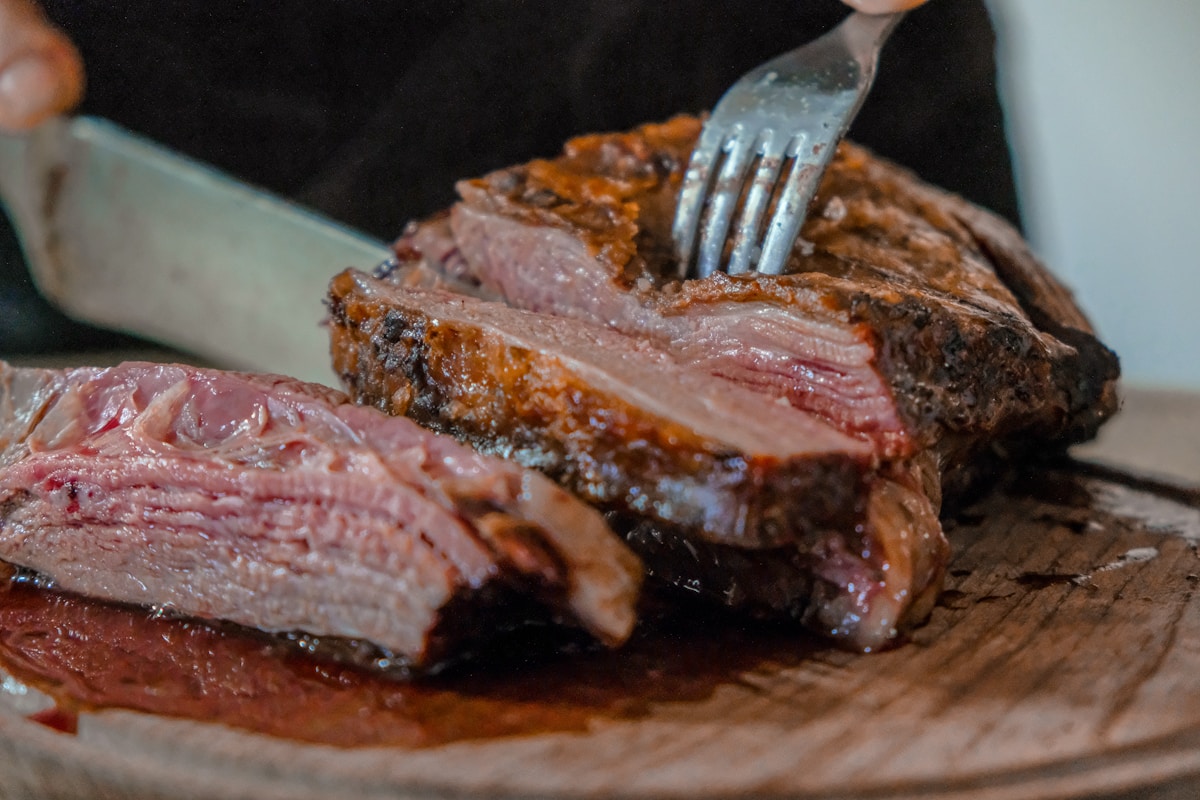
One of the more unfortunate legacies of the Swine Flu panic was a lingering, irrational wariness around pork that persisted in some households long after the outbreak had faded. This is a shame — pork is one of the most versatile, flavourful, and economical proteins in the kitchen. From slow-braised shoulder to crispy pan-fried chops, from Chinese char siu to Spanish jamón, pork has been central to cuisines across every culture on earth for thousands of years.
Pork is also nutritionally excellent: lean cuts such as pork tenderloin and loin chops are comparable to chicken breast in fat and calorie content, while delivering generous amounts of B vitamins, zinc, selenium, and complete protein. The idea that beef is inherently “safer” than pork — a perception that existed before the Swine Flu episode and was amplified by it — has no basis in either nutrition science or food safety data.
The Lesson from the Kitchen
The Swine Flu episode taught us something important about the relationship between fear and food. When a disease gets named after an ingredient — “Swine Flu,” “Bird Flu,” “Mad Cow Disease” — the kitchen becomes a front line of anxiety, even when the science says clearly that your dinner plate is not the problem.
The kitchen is still a magic place. Life in the kitchen is still fun and rewarding. And a properly cooked pork dish, prepared with care and confidence, remains exactly what it always was: one of the great pleasures of cooking. Next time a headline puts your favourite ingredient under the spotlight, look up the actual transmission route before you change your shopping list.
“Pork and pork products, handled in accordance with good hygienic practices, will not be a source of infection.” — WHO, FAO, OIE & WTO Joint Statement, May 2009

 Beatrice