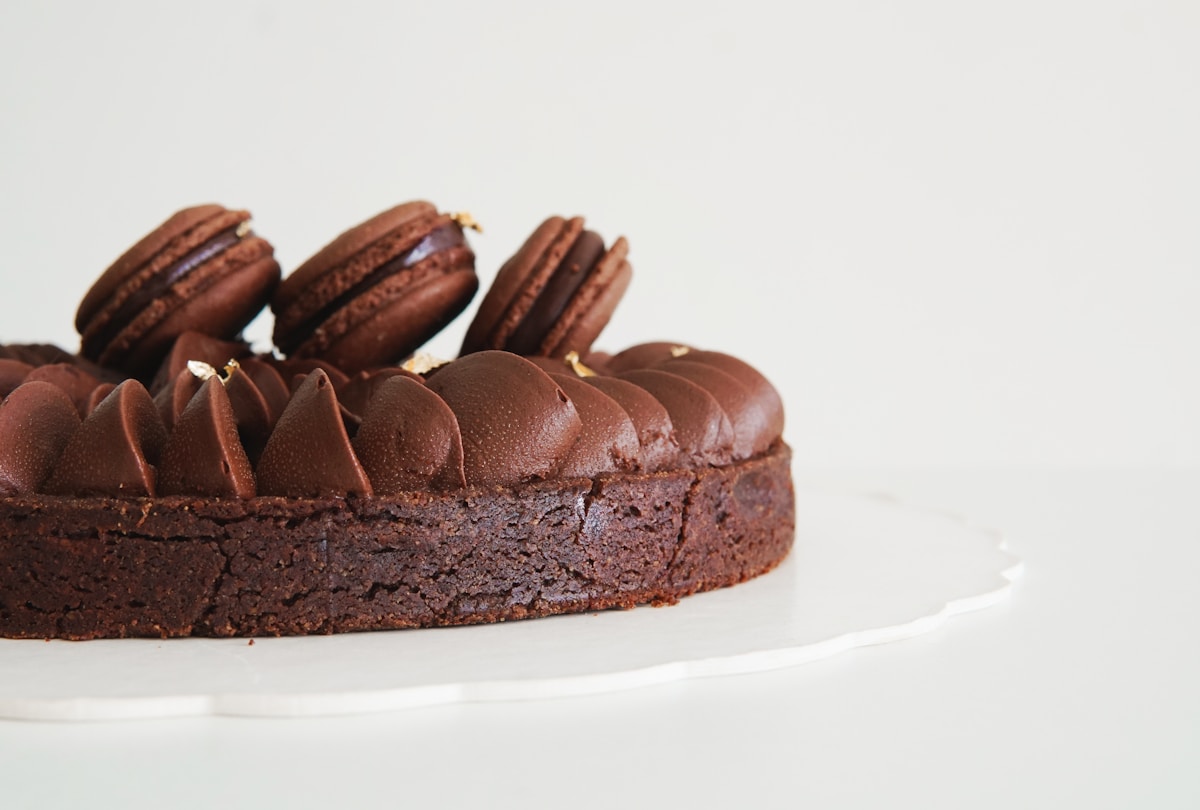
You are halfway through making a decadent dark chocolate and hazelnut praline cake when you realize you are short on hazelnuts. Your heart sinks. But don’t panic — you can absolutely salvage your praline with a few smart substitutions. Whether you have almonds, pecans, or even a jar of store-bought praline paste, you can still achieve a rich, nutty flavor that will impress anyone who takes a bite.
Understanding Praline: The Chemistry of Nut Paste
Praline is essentially caramelized sugar combined with nuts, ground into a smooth or slightly textured paste. The classic French version uses equal parts sugar and hazelnuts or almonds by weight. The sugar is cooked to a deep amber color — around 320°F (160°C) for a dry caramel — then the toasted nuts are stirred in. Once cooled, the brittle is ground in a food processor until it releases its oils and turns into a spreadable paste.
The key to great praline is balancing sweetness with nuttiness, and achieving a texture that is silky without being greasy. Different nuts have different oil contents and flavor profiles. Hazelnuts are high in oil and have a distinctive earthy, sweet flavor. Almonds are slightly drier and more neutral. Pecans are even higher in oil than hazelnuts, with a buttery, slightly sweet taste. Understanding these differences helps you adjust your substitution.
The Best Nut Substitutes for Hazelnut Praline
If you are out of hazelnuts, your best options are almonds or pecans. Both are widely available and produce excellent praline.
Almonds: Use raw almonds with skins on or off, depending on your preference. Toasting brings out their flavor. Almonds have a firmer texture than hazelnuts, so your praline paste may be a bit more grainy unless you grind it longer. Almond praline is a classic in its own right — many French patisseries use it for fillings and decorations.
Pecans: Pecans are even oilier than hazelnuts, which means they will grind into a very smooth paste quickly. Their flavor is milder but still delicious. Be careful not to overmix, as the high oil content can turn the paste into a liquid if processed too long.
Mixed Nuts: You can also combine almonds and pecans, or add a small amount of macadamia nuts or walnuts. Just keep the total nut weight equal to the sugar weight for consistent results.
Adjusting the Sugar to Nut Ratio
The classic 1:1 ratio (by weight) works well for most substitutions. However, if you are using almonds (which are drier), you might want to increase the sugar slightly — say, 1.1 parts sugar to 1 part almonds — to help the paste bind. For pecans (more oil), you can stick to 1:1 or even reduce sugar slightly to 0.9:1 if you prefer a less sweet paste.
To make the caramel: Combine sugar with a splash of water in a heavy saucepan (a stainless steel or copper pot is best). Heat over medium-high, stirring only until the sugar dissolves. Then stop stirring and let it cook until it turns a deep amber color. Use a candy thermometer to monitor: the target temperature for a dry caramel is around 320°F (160°C). If you prefer a wet caramel, you can cook it to the soft ball stage (235–245°F / 118°C) but praline traditionally uses a hard crack caramel.
Once the caramel reaches the desired color, immediately add your toasted nuts (toasted at 350°F / 175°C for 8–10 minutes). Stir quickly to coat, then pour onto a silicone mat or parchment-lined baking sheet. Let cool completely.
Using Store-Bought Praline Paste as a Supplement
If you have a jar of praline paste from brands like Valrhona or Frangelico, you can use it to make up for a shortage of whole hazelnuts. Simply combine the store-bought paste with your homemade caramel-nut brittle before grinding. A thin layer of store-bought paste (about 2 tablespoons per cup of finished brittle) can add depth and richness. You can also thin store-bought paste with a bit of heavy cream if it is too thick, but be careful not to make it too liquid. This approach was shared by a baker on Reddit who used a thin layer of store-bought paste when short on whole hazelnuts, and it worked perfectly for their dark chocolate and hazelnut praline cake.
Step-by-Step: Making Substitute Hazelnut Praline
- Toast your chosen nuts: Spread 200g of almonds or pecans on a baking sheet and toast at 350°F (175°C) for 8–10 minutes until fragrant and lightly browned. The Maillard reaction during toasting deepens the nutty flavor. Let cool completely.
- Make the caramel: In a heavy saucepan, combine 200g granulated sugar and 2 tablespoons water. Cook over medium-high heat without stirring until deep amber (320°F / 160°C). Immediately remove from heat.
- Add nuts: Pour the toasted nuts into the caramel and stir with a wooden spoon until coated.
- Cool: Spread the mixture on a silicone mat and let cool completely (about 20 minutes).
- Grind: Break the brittle into pieces and place in a food processor (such as a KitchenAid 14-cup model). Process for 1–2 minutes, scraping down sides, until it forms a paste. For a smoother texture, continue processing for another 2–3 minutes. Add a pinch of salt to enhance flavor.
- Adjust consistency: If the paste is too thick, add 1–2 teaspoons of neutral oil (like grapeseed) or melted cocoa butter. If too thin, add a tablespoon of ground almonds or powdered sugar.
Troubleshooting Common Issues
- Grainy paste: Your caramel may have crystallized. Always start with clean equipment and avoid stirring after the sugar dissolves. If it still happens, add a teaspoon of corn syrup to the sugar before heating.
- Oily, separated paste: Overprocessing nuts releases too much oil. Stop as soon as it becomes a paste. For pecans, watch carefully; stop processing once the mixture comes together.
- Paste is too runny: You may have added too much oil or the nuts were too warm. Chill the paste in the refrigerator for 10 minutes and re-grind.
- Flavor too sweet: Use a slightly higher proportion of nuts next time (e.g., 1.2:1 nuts to sugar).
- Flavor too mild: Toast your nuts longer until darker brown, and consider adding a drop of hazelnut extract if you want that specific flavor.
Using Your Praline Paste
Your homemade substitute praline paste is incredibly versatile. Swirl it into buttercream for a nutty frosting, use it as a filling for chocolates, or layer it into a dark chocolate cake. It also makes a fantastic addition to macarons, ice cream, or even spread on toast. The next time you find yourself short on a key ingredient, remember that baking is about adaptation as much as precision. With the right understanding of ratios and techniques, you can turn a potential kitchen disaster into a delicious success.
Final Kitchen Hack
Here is a quick tip you can try immediately: If your praline paste feels too thick after grinding, place the food processor bowl in the refrigerator for 5 minutes. The cool temperature helps re-emulsify the paste, making it smoother without adding extra oil.
Baking is chemistry you can eat, and understanding why substitutions work empowers you to experiment with confidence. So go ahead — make that praline with whatever nuts you have on hand. Your cake will still be sensational.