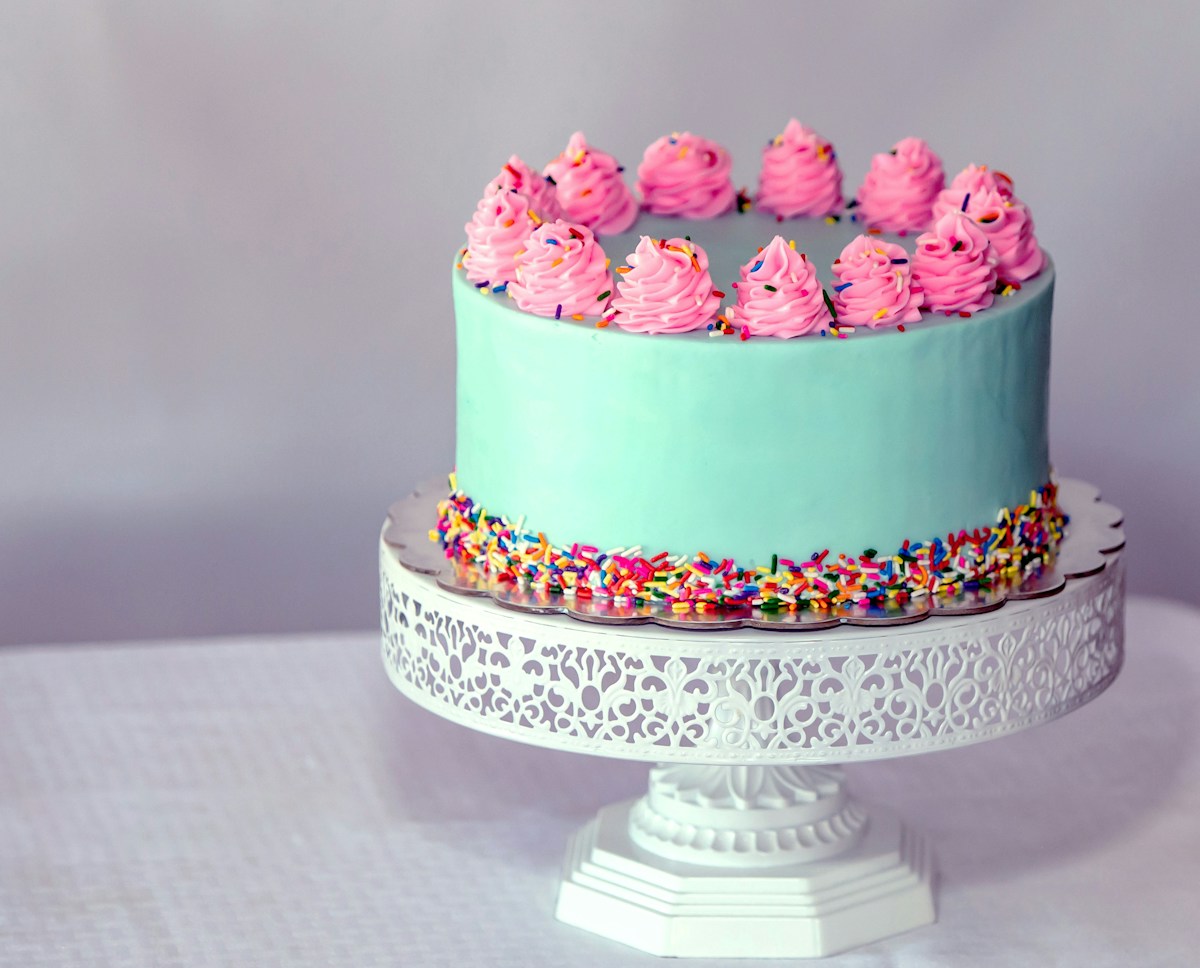
A cupcake needs one last swipe of frosting, but a butter knife leaves ridges and a full-size spatula feels awkward. That is the moment a small offset spatula starts to make sense.
The short answer: yes, if you decorate small baked goods, work in narrow spaces, or value precise control. It is not essential for every kitchen, though. A butter knife, straight spatula, or flexible turner can cover many of the same jobs. The small offset spatula earns its drawer space through its angled handle, narrow blade, and close-up control rather than sheer versatility.
Key Takeaways
- A small offset spatula is best for frosting, spreading, loosening, and other precise tasks.
- A blade around 4 to 5 inches suits cupcakes, small cakes, narrow pans, and small batches.
- It can help with selected savory jobs, but it does not replace a heat-rated turner or bench scraper.
- Buy one if you value decorating control; skip it if your existing spatula already handles your usual tasks.
What a small offset spatula is and why the angle matters
An offset spatula has a thin blade that sits below the handle instead of extending in one straight line. That bend creates clearance between your hand and the food. When you spread frosting across a cupcake or loosen the edge of a brownie, your knuckles are less likely to drag across the surface.
“Small” commonly means a blade around 4 to 5 inches long, although dimensions vary by model. Some blades are narrow and pointed, while others are wider with a rounded tip. Check the listed blade length and width rather than relying on a product label such as “mini” or “small.”
The offset does two practical things. First, it lets you approach a surface at a lower, more controlled angle. Second, it gives you room to make short movements without holding your wrist directly over the food. This is especially helpful when working on cupcakes, individual pastries, small cakes, or the corners of a compact pan.
A straight spatula is not worse; it is simply shaped differently. Its direct connection can feel stronger and more predictable for lifting or scraping. An offset spatula is usually more comfortable for finishing surfaces where control and hand clearance matter.
Small offset spatula uses in baking and decorating
The most familiar small offset spatula uses involve frosting and finishing. A narrow blade can spread buttercream, cream cheese frosting, ganache, softened butter, jam, or other soft fillings over a small surface without pushing too much material beyond the edges.
For cupcakes, place a modest amount of frosting in the center, then use the blade in short circular or sweeping motions. A small blade lets you stop at the edge more easily than a wide cake spatula. It can also help you create a simple swirl or flatten the top without needing a turntable.
For brownies and bars, use the spatula to spread batter or frosting into corners. The narrow tip can reach along the sides of a pan where a broad blade may press against the wall. It is also useful for smoothing a thin layer of glaze or distributing toppings across a small batch.
A small offset spatula works well for detail work with cake decorating tools. You can correct an uneven patch of icing, add texture to a small area, or make a clean edge on an individual cake. It will not replace piping bags, tips, a turntable, or a larger icing spatula when a project requires extensive decoration, but it can handle many finishing adjustments.
The tool can also spread fillings into small pastries and compact molds. Use it for cream, fruit filling, softened chocolate mixtures, or other foods that are easy to control with a thin blade. Confirm that the specific tool is intended for food contact and follow its care instructions, especially if the handle includes wood, coatings, or attached parts.
Loosening baked goods is another useful job. Slide the blade between a cookie, brownie, bar, or pastry and the pan, then move gently around the edge before lifting. The blade should be appropriate for the pan surface. If the manufacturer does not confirm compatibility with a coated or nonstick pan, use caution and choose a tool designed for that surface.
Size matters here. A 4- to 5-inch blade is nimble for cupcakes, individual pastries, small pans, and narrow spaces. A larger offset spatula is faster when covering a full cake, smoothing a wide layer of frosting, or spreading batter across a large sheet pan. The larger tool covers more area with each pass, while the small one gives you tighter control.
Mini offset spatula uses for savory cooking
An offset spatula for baking can also be useful during savory preparation, but it is not a universal cooking spatula. Its best savory jobs are small, precise, and relatively delicate.
A suitably flexible blade can help lift or turn small portions of fish, scallops, burgers, vegetables, or other foods. The offset handle may give your hand a better angle when sliding under food in a shallow pan. However, heat limits and cookware compatibility vary. Confirm the manufacturer’s stated intended use and temperature guidance before using a particular model near hot cookware.
The tool is also handy for spreading condiments, soft cheese, compound butter, pâté, or dips on bread and crackers. Its narrow shape makes it easy to reach into a small bowl or distribute a thin layer without tearing soft bread.
You can use it to move a small amount of chopped herbs, minced garlic, or other ingredients from a board or shallow dish. For larger quantities, a bench scraper is faster and offers more surface area. For scraping a hot pan, use a tool specifically designed for that heat and surface rather than assuming a small offset spatula is suitable.
The main mistake is expecting the narrow blade to perform like a regular turner. It may be too small for a large burger, too flexible for a heavy piece of food, or too delicate for forceful scraping. Think of it as a precision tool that happens to work in some savory situations, not as a replacement for every spatula in the kitchen.
Small offset spatula versus common kitchen tools
A small offset spatula overlaps with several familiar tools, so the buying decision depends on what you already own.
Straight spatula: A straight spatula is useful for general spreading, scraping, and lifting. It may be the better choice when you want direct pressure or a stronger feel. Choose the offset version when hand clearance, narrow access, or close-up decorating control matters more.
Butter knife: A butter knife can spread jam, butter, and soft cheese effectively. It is often enough for toast, sandwiches, and occasional cupcake decorating. The offset spatula becomes more useful when you want a longer, thinner blade, smoother frosting passes, or a tool that reaches beneath the edge of a baked item.
Bench scraper: A bench scraper is better for portioning dough, transferring chopped vegetables, and clearing a work surface. Its broad, squared edge can move more food at once. It is not a substitute for the small offset spatula’s controlled spreading and narrow access.
Large offset spatula: A large offset blade is better for full-size cakes, sheet cakes, broad layers of frosting, and large pans. A small blade is easier to control on cupcakes, individual desserts, and tight corners. If you usually decorate large cakes, buying only the small size may feel slow.
Flexible turner: A flexible turner is generally the more appropriate tool for stovetop lifting and delicate proteins when it is rated for that use. It usually provides more support under a larger piece of food. A small offset spatula is more useful for precision spreading and small portions.
The overlap is considerable. The offset tool earns its place through clearance, precision, and narrow access—not because it performs every task better.
Features to compare before buying a small offset spatula
Start with blade length and width. Around 4 to 5 inches is a practical range for cupcakes, small cakes, narrow pans, and detail work. A very narrow blade can reach tight spaces but may take longer to cover a surface. A wider small blade can spread faster but may feel less precise on tiny decorations.
Next, consider flexibility. A flexible blade can follow the surface of frosting and make smooth, light passes. A more supportive blade may be preferable for lifting or loosening food. There is no single ideal level: match the blade to whether you primarily spread, decorate, lift, or do a mixture of tasks.
Look for clear material information. Stainless steel blades are common, but finishes and construction differ. Some models use coated blades, plastic or silicone handles, or wooden handles. Check the manufacturer’s care instructions rather than assuming that all stainless steel tools resist corrosion equally or that every handle is dishwasher-safe.
Handle comfort matters more than a decorative shape. Hold the tool if possible, or check the handle dimensions and product photographs carefully. Look for a grip that does not force your fingers against the blade connection. Balance is also important: a handle that feels overly heavy can make fine frosting work tiring.
Inspect the connection between blade and handle. A secure joint should not visibly wobble, separate, or trap food in a difficult-to-clean gap. Rivets, welded joints, and molded handles all have different cleaning considerations. The important check is whether the construction appears sealed and stable for the tasks you plan to perform.
Tip shape affects control. A rounded tip is forgiving for frosting and sweeping motions. A pointed tip can reach corners and make small adjustments. If you mostly ice cupcakes, either can work; if you often work in tight corners, a more tapered shape may be useful.
Do not assume heat safety, dishwasher suitability, nonstick compatibility, or corrosion resistance from appearance alone. Confirm those details in the current product information. If the tool has a wooden handle, drying and hand-washing may be especially important according to the manufacturer’s instructions.
Cleaning, storage, and signs of poor construction
Clean the blade soon after use, particularly after frosting, jam, chocolate, or sticky fillings have dried. Rinse or soak according to the product’s care guidance, then wash the handle connection carefully so residue does not remain around seams or rivets.
If dishwasher use is allowed, follow the manufacturer’s instructions and place the blade where it will not damage other utensils or become bent. If hand-washing is recommended, use a soft sponge rather than treating the tool like a scraping blade. Dry it fully before storing, especially when the handle or blade includes materials that may retain moisture.
A drawer is fine if the blade is protected from heavy tools. A utensil crock or hanging option can make access easier, but keep the edge from rubbing against other metal utensils. Store wooden-handled models in a way that allows them to dry fully.
Warning signs include a loose handle, a blade that twists at the connection, rough unfinished edges, visible gaps that trap food, or corrosion that returns after cleaning. A blade that bends unpredictably may also be frustrating for spreading. These checks are more useful than choosing a tool based only on brand name or appearance.
Is a small offset spatula worth the drawer space?
Buy one if you regularly frost cupcakes, decorate small cakes, spread fillings, work in narrow pans, or want more control than a butter knife provides. It is also a reasonable choice for a small kitchen because the blade takes little room and can handle both baking detail work and selected savory tasks.
You can reasonably skip it if you rarely bake, already own a comfortable straight spatula, or mainly need a tool for turning food in a skillet. A butter knife may cover your occasional spreading needs, while a flexible turner or bench scraper may be more useful for everyday cooking.
Use this checklist before buying:
- Do you frost cupcakes or small cakes often?
- Do you work with delicate foods or tight corners?
- Will a blade around 4 to 5 inches suit your usual batch size?
- Do you prefer a flexible spreading blade or a firmer lifting blade?
- Is the handle comfortable and the blade connection secure?
- Are the heat, cleaning, cookware, and storage instructions suitable for your kitchen?
The best small kitchen spatula is task-dependent. For a frequent baker or cake decorator, it can become a regularly used precision tool. For an occasional baker, it is a convenience rather than a necessity. Overall, a small offset spatula is a useful specialist-multipurpose utensil—not a mandatory kitchen essential.
Frequently asked questions
Is a small offset spatula only for baking?
No. It is especially useful for frosting and decorating, but it can also spread soft savory foods, lift some small delicate portions, and move small amounts of ingredients. Its usefulness depends on the blade’s construction and the manufacturer’s stated care and heat guidance.
What is the best size small offset spatula for home use?
A blade around 4 to 5 inches is a practical starting point for cupcakes, small cakes, narrow pans, and detail work. Choose a wider or longer model if you often spread across larger surfaces. Compare actual blade dimensions because size labels vary.
Can a small offset spatula replace a butter knife or regular spatula?
It can replace a butter knife for some spreading tasks and a straight spatula for some small baking jobs, but neither replacement is complete. A butter knife remains convenient for toast, while a regular spatula or turner is usually better for larger foods, heavier lifting, and general stovetop work.