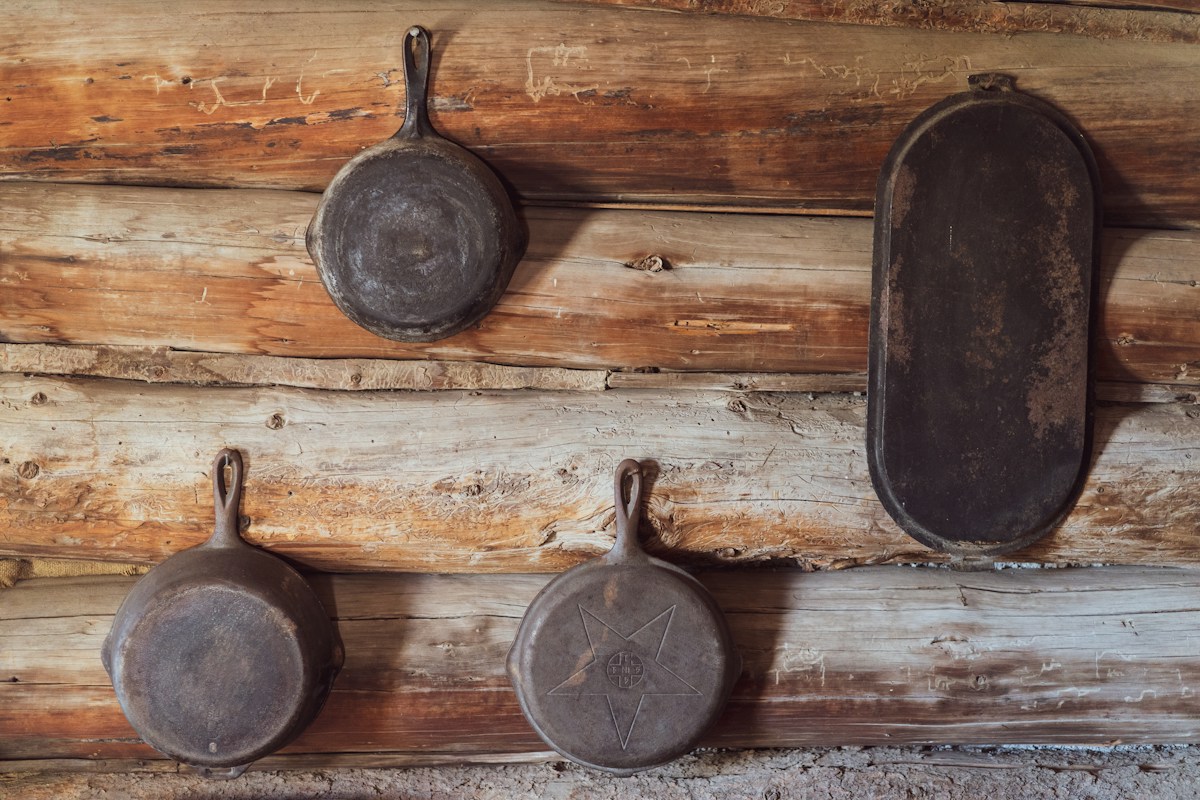
You have a recipe calling for browned beef, a skillet is not available, and dinner still needs to happen. That is exactly where the question comes up: is a slow cooker worth buying if you cannot sear meat?
Yes, a slow cooker without searing can still be a worthwhile appliance—especially if you want hands-off soups, stews, beans, shredded meats, and dump-and-go meals. The trade-off is real, though. Searing adds browned, roasted flavor and a firmer exterior that a slow cooker cannot reproduce. If your favorite meals depend on crisp edges, quick reduction, or precise texture, another cooking method will suit you better.
For low-prep, tender, saucy meals, the convenience can easily matter more than the missing browning step.
Key Takeaways
- A slow cooker is still useful without searing if you enjoy tender, saucy, low-prep meals.
- Skipping browning usually means less roasted flavor, lighter color, and a softer exterior—not a failed meal.
- Beans, soups, chili, lentils, shredded meats, and vegetable curries are among the most forgiving no-sear options.
- Add pasta, noodles, rice, dairy, seafood, and delicate vegetables according to the recipe rather than automatically at the beginning.
- Prioritize capacity, easy cleanup, clear controls, and suitable keep-warm behavior over a searing feature you cannot use.
What searing adds—and what a slow cooker can still do without it
Searing meat in a hot pan mainly develops surface browning. It can add deeper savory notes, darker color, and a cooked exterior that contrasts with the tender center. It can also help build flavor in the pan when browned bits are loosened with liquid and added to a sauce.
Skipping that step does not make a slow-cooker meal pointless. It usually means the meat will have less roasted flavor, a lighter-looking sauce, and a softer outer surface. Once meat is covered in broth, tomato sauce, curry sauce, or barbecue sauce for several hours, the result is designed to be tender and spoonable rather than browned and crusty.
Some recipes depend heavily on searing. A steak-like beef dish, a reduced meat sauce, or a stew where each piece should have a browned exterior may taste flatter without it. Other recipes are built around ingredients that do not need browning to be satisfying. Beans, lentils, chili, soup, pulled pork, shredded chicken, and saucy vegetables are much more forgiving.
A slow cooker also cannot sear while it cooks slowly. Even if an insert is removable, do not assume it is safe for a stovetop or oven. Check the manufacturer’s instructions before using an insert anywhere other than inside its appliance.
The practical conclusion is simple: buy a slow cooker for its low-effort cooking system, not as a replacement for a skillet.
The best no-sear foods for a slow cooker
The most reliable no-sear meals have enough moisture, seasoning, and cooking time to develop flavor without relying on browned meat. They also tend to use ingredients that become better when tender rather than crisp.
Good categories include:
- Bean chili with canned or properly prepared beans
- Lentil soup and other legume-based soups
- Chicken taco filling with salsa, spices, and a little cooking liquid
- Pulled pork cooked with barbecue sauce or a seasoned braising liquid
- Shredded chicken soup
- Vegetable curry with sturdy vegetables
- Tomato-based stews
- Beef or chicken dishes that will be shredded before serving
- Broth-based soups with root vegetables
These are useful starting points for a beginner because the final texture is naturally soft and the sauce or broth carries much of the flavor. Shredded meat is especially forgiving: once the meat is pulled apart and mixed with its cooking liquid, the lack of a browned surface is less noticeable than it would be in large intact pieces.
Ingredient choice still matters. Seafood, delicate greens, tender vegetables, and dairy can be poor candidates for many hours of cooking. Seafood may become dry or break apart, while delicate vegetables can lose their shape. Milk, cream, and some soft cheeses may separate if added too early, depending on the recipe.
Recipes that promise crisp chicken skin, browned edges, thick reduced sauce, or firm vegetables are also poor matches for a slow cooker without searing. Choose meals described as tender, braised, saucy, shredded, or spoonable instead.
How to build a dump-and-go meal without a skillet
A good dump-and-go meal is not simply a recipe with every ingredient thrown in randomly. Layering, ingredient size, liquid, and timing still affect the result.
Start with sturdy vegetables and ingredients that need the most cooking near the bottom. Chopped onions, carrots, potatoes, beans, and other firm vegetables can form a base. Cutting pieces to a reasonably similar size helps them cook more evenly, although the exact result varies by recipe and appliance.
Add the meat according to the recipe. Some cuts should remain whole so they can be shredded later; others may be cut into large pieces. Avoid changing the size without checking the recipe because smaller pieces can cook differently and may lose moisture sooner.
Next, add the measured liquid, sauce, aromatics, and seasonings. Do not automatically add extra broth because a slow cooker does not reduce liquid in the same way as an uncovered pot. Excess liquid can leave you with a thin sauce and diluted flavor.
Keep the cooker within the manufacturer’s recommended fill range. An overfilled cooker can cook unevenly, while a very underfilled one may not perform as intended. The exact guidance varies by model, so the manual matters more than a universal rule.
Keep the lid closed as much as possible. Every unnecessary opening releases heat and moisture, which can change cooking time and leave the result less predictable. If you need to check seasoning or add an ingredient later, do it at the point specified by the recipe rather than repeatedly lifting the lid.
To adapt a recipe that calls for browning, use this process:
- Omit the searing step instead of trying to imitate it with an unsafe insert or improvised high heat.
- Choose a recipe with enough sauce, broth, or seasoning to support a no-sear version.
- Keep the meat size and liquid amount aligned with the recipe’s instructions.
- Expect a lighter color, less roasted flavor, and a softer exterior.
- Add finishing ingredients—such as fresh herbs, citrus, grated cheese, or a thickener—only when the recipe calls for them.
Raw meat or poultry can be placed directly into a slow cooker when the recipe and appliance are designed for that method, but do not treat the appliance as an automatic safety guarantee. Use properly thawed ingredients unless current authoritative guidance for your recipe says otherwise, follow the manufacturer’s instructions, and make sure the food reaches a safe internal temperature. A food thermometer is more useful than judging doneness by cooking time alone.
Follow current USDA or FDA guidance for safe cooking temperatures, holding food on the keep-warm setting, cooling leftovers, refrigeration, and reheating. Keep-warm is not unlimited storage, and a long cooking time does not replace basic food-safety handling.
Noodles, vegetables, and texture limits to expect
Long cooking is excellent for some ingredients and disastrous for others. Tough meat, dried legumes prepared according to the recipe, root vegetables, and sturdy aromatics can benefit from extended cooking. Pasta, thin noodles, rice, dumplings, seafood, dairy, and delicate vegetables usually need more specific timing.
Do not add pasta or noodles at the beginning by default. Many become soft or mushy after several hours. Check the recipe for the recommended addition point; quick-cooking noodles may belong near the end, while some sturdier shapes may be included earlier under specific conditions.
Rice also varies widely. Different types absorb liquid and soften at different rates, so follow a recipe written for the particular rice and slow cooker. Dumplings often need to be added late enough to keep their shape, but early enough to cook through.
Delicate vegetables such as leafy greens, peas, zucchini, and herbs may need to be added near the end. Potatoes, carrots, onions, and other sturdy vegetables can usually tolerate longer cooking, although they may still become very soft if cut too small or cooked well past the recipe’s suggested time.
The most common no-sear drawbacks are predictable:
- Meat is tender but pale instead of browned.
- Vegetables are softer than expected.
- Sauce is thinner because little liquid evaporates.
- Oversized pieces cook unevenly.
- Noodles become mushy because they were added too early.
- Dairy separates after prolonged cooking.
- A dish tastes muted because seasoning was not adjusted at the end.
You can often improve the final bowl with a finishing step that does not require searing. Fresh herbs, lemon juice, vinegar, chopped scallions, hot sauce, toasted seeds, or a spoonful of sour cream can add contrast. These additions do not recreate browning, but they can make a slow-cooked meal taste brighter and less heavy.
Slow-cooker features worth comparing before buying
If your priority is slow cooker convenience, focus on the features that affect everyday use rather than paying extra for a searing function you cannot use.
Capacity: Match the cooker to the amount you normally prepare. A small household may not need a large model, while batch cooking requires enough usable space for the recipe. Check the manufacturer’s recommended fill range and remember that the advertised capacity may not equal the amount you should fill for every meal.
Removable insert: A removable crock is usually easier to carry and clean than a fixed interior. Check whether it is dishwasher-safe and whether the manufacturer permits oven or stovetop use. Removable does not automatically mean sear-safe.
Lid and handles: A secure lid, heat-resistant handles, and a shape that fits your sink can matter more than decorative controls. Think about where you will store the cooker and whether you can lift it safely when it contains a full meal.
Controls: Basic low and high settings may be enough for many users. A programmable timer can be useful if you want the cooker to switch to keep-warm after the selected cooking period, but verify exactly how that model behaves.
Keep-warm operation: Keep-warm can help bridge the gap between cooking and serving, but it is not a substitute for current food-safety guidance. Read the manual and use a sensible serving, cooling, and storage plan.
Cleanup: A cooker that is difficult to wash may not feel convenient after the novelty fades. Look for a smooth insert, a lid that can be cleaned thoroughly, and controls that do not trap spills.
For a low-prep user, reliable controls, suitable capacity, easy cleaning, and a well-designed insert are usually better priorities than a model marketed around browning.
Who should—and should not—buy one without searing access
A slow cooker is likely worth buying if you want hands-off meals that can cook while you handle other tasks. It is a particularly good match for soups, stews, chili, beans, shredded meats, vegetable curries, and other saucy meals. It also makes sense if you would rather accept softer textures than manage a skillet, oven, or multiple cooking steps.
It is a weaker choice if your favorite meals depend on crisp skin, browned meat, reduced sauces, quick cooking, or precise control over vegetable texture. A slow cooker is not ideal for a meal you need in 20 minutes, and it will not deliver the surface texture of a hot pan.
Before buying, ask yourself:
- Can I operate and clean the appliance safely and reliably?
- Do I enjoy tender, saucy, spoonable meals?
- Will I use no-sear recipes often enough to justify the counter and storage space?
- Does the capacity fit my usual portions?
- Are the controls and keep-warm behavior clear?
- Can I follow recipe-specific timing for noodles, dairy, rice, and delicate vegetables?
If most answers are yes, a slow cooker without searing can be genuinely useful. Choose recipes that are designed for dump-and-go cooking rather than forcing skillet-based recipes into the appliance. You will give up some browned flavor, but you can still gain low-effort meals that fit your kitchen constraints.
FAQ
Is a slow cooker worth buying if I cannot sear meat?
Yes, if your goal is hands-off soups, stews, beans, chili, shredded meat, and other tender meals. It is less worthwhile if browning, crispness, fast cooking, or reduced sauces are central to the way you like to eat.
Can I put raw meat directly into a slow cooker without browning it?
Many recipes are written for raw meat or poultry to go directly into the cooker, but follow the specific recipe and appliance instructions. Use properly thawed ingredients unless current authoritative guidance says otherwise, verify safe doneness with a thermometer, and follow current USDA or FDA guidance for handling, holding, cooling, and storage.
What are the best no-sear slow-cooker meals for beginners?
Start with bean chili, lentil soup, chicken taco filling, pulled pork in barbecue sauce, shredded chicken soup, vegetable curry, or a broth-based stew. These meals generally benefit from tender textures and flavorful liquid, so they are more forgiving when meat is not browned first.