What Is the Difference Between Sirloin and Filet Mignon?
You’re standing in the grocery store aisle, staring at two packages of steak. One is labeled “sirloin,” the other “filet mignon.” They look similar at first glance — both reddish, both about the same size — but the price tags tell a different story. Maybe you’ve grabbed the cheaper one thinking they’re basically the same, only to end up with a tougher bite. Or maybe you’ve splurged on filet and wondered if the cost was really worth it. You’re not alone. Many home cooks confuse these two cuts because they can be sold as steaks, but they come from very different parts of the cow and behave quite differently in the pan.
Understanding the Cuts: Sirloin vs. Filet Mignon
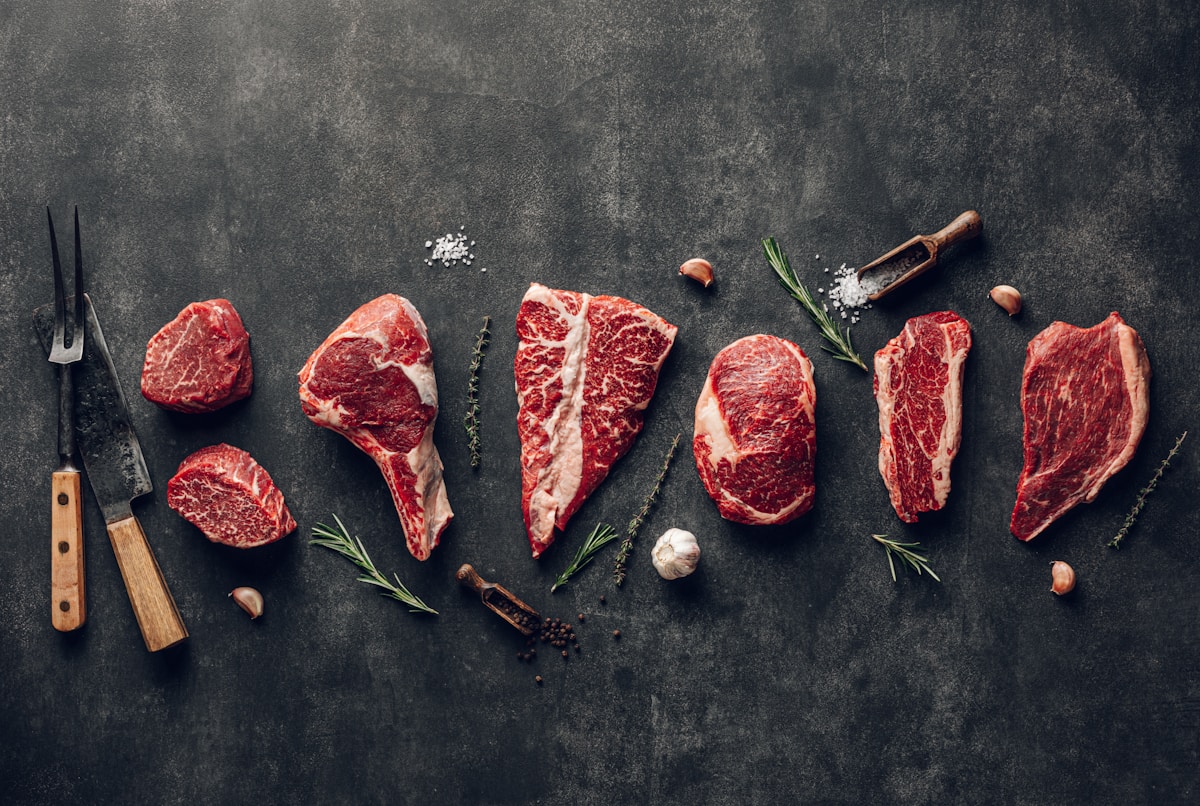
Let’s start with the basics. Sirloin comes from the rear hip area of the cow. The USDA defines it as a lean cut, but it’s a muscle that gets moderate exercise, so it has a bit more connective tissue and a coarser grain. Filet mignon, on the other hand, comes from the tenderloin — a muscle that runs along the spine and does very little work. That lack of movement is exactly why it’s so famously tender. The tenderloin is a long, cylindrical muscle, and filet mignon is cut from its narrowest, most tender end. (Think of it as the couch potato of the cow’s anatomy.)
Real-world example: At a butcher shop, you’ll see sirloin labeled as “top sirloin” or “sirloin steak,” while filet mignon might also be called “beef tenderloin steak” or “tournedos.” A Reddit butcher pointed out that in movies, what’s labeled as filet is often actually sirloin because the two look surprisingly similar once cooked — but the texture and fat distribution are worlds apart.
Tenderness and Texture: Why They Feel Different
If you’ve ever taken a bite of sirloin and had to chew a little longer, you’ve experienced the difference in grain. Sirloin has a more pronounced grain — you can see the muscle fibers running in one direction. It’s still tender relative to a chuck steak, but it’s not melt-in-your-mouth. Filet mignon has a fine, even texture with almost no visible grain. You can cut it with the side of a fork when it’s cooked to medium-rare. That’s why filet is the go-to for fancy dinners and special occasions.
The science: Muscle fibers are bundles of protein. Muscles that work more (like sirloin) develop thicker fibers and more connective tissue. Muscles that work less (like tenderloin) stay delicate. This is also why you’ll often see filet wrapped in bacon — because it’s so lean that it can dry out without a little extra fat.
Fat Content and Flavor: What Makes Each Cut Shine
Here’s the trade-off. Filet mignon is uniformly lean — almost no marbling inside, though there may be a thin fat cap on the outside if it’s not trimmed. That means it’s incredibly tender but can be less flavorful. Sirloin, by contrast, often has a fat cap on one side and some internal marbling. That fat equals flavor. Many professional chefs say sirloin actually tastes beefier and richer than filet, even though it’s not as buttery-soft.
If you’re looking for pure tenderness, filet wins. If you want a steak that tastes like steak — with that savory, fatty depth — sirloin often delivers more bang for your buck. (And you can always add butter to a filet to boost flavor.)
Price and Value: What Your Dollar Gets You
Let’s talk numbers. At a typical grocery store, sirloin steak might run $8–$12 per pound, while filet mignon is often $25–$35 per pound or more. That’s a big jump. The price difference comes down to supply and demand: the tenderloin accounts for only about 2-3% of a cow’s total weight, while sirloin is much more abundant. Restaurants also drive up filet prices because it’s a premium menu item.
But value isn’t just about cost — it’s about what you’re cooking. If you’re planning a romantic dinner and want a fork-tender, elegant steak, filet is worth the splurge. If you’re grilling burgers or making steak tacos, sirloin is perfectly capable and much more economical. (Your wallet will thank you.)
Cooking Methods: How to Get the Best Results from Each
Because these cuts behave differently, your cooking method matters.
For filet mignon:
- Best cooked quickly over high heat — pan-sear or grill. Aim for medium-rare: 130–135°F (54–57°C) internal temperature.
- Use a cast-iron skillet (Lodge makes a great one) for a nice crust. Add butter, thyme, and garlic for extra flavor.
- Because it’s so lean, don’t overcook it. Medium-well or well-done will turn a $30 steak into shoe leather.
For sirloin:
- It benefits from techniques that break down connective tissue. Try reverse searing: cook it low and slow in a 250°F (121°C) oven until it reaches about 10°F below your target temp, then sear it in a hot pan.
- Marinating can also help. A simple mix of olive oil, soy sauce, garlic, and black pepper for 30 minutes can make a big difference.
- Don’t be afraid of a little pink. Medium-rare is ideal for sirloin too, but it can handle medium (140°F / 60°C) without becoming tough.
Kitchen hack: Always let your steak rest for 5 minutes after cooking. This lets the juices redistribute, so every bite is moist. (Seriously, don’t skip this.)
How to Tell Them Apart at the Grocery Store
Before you buy, look at the label. “Top sirloin” is the better part of the sirloin; “bottom sirloin” is less tender. Filet mignon will say “beef tenderloin” or “filet mignon.” Now look at shape: filet mignon is typically round and thick, like a hockey puck, while sirloin is longer and flatter. The grain on sirloin is visible and runs in lines; filet has a smooth, almost silky surface. And if the package says “sirloin filet,” that’s a marketing trick — it’s still sirloin, not true filet.
A Simple Way to Try Both Tonight
If you’ve never compared them side by side, here’s a low-pressure experiment. Buy one small sirloin steak and one small filet mignon (a 4-ounce filet will cost more but it’s worth the test). Season both with just salt and pepper. Cook them to the same doneness — medium-rare — using the same pan. Cut them side by side. Notice the difference in chew, flavor, and juiciness. You’ll never be confused again.
And don’t worry about perfection. The kitchen is more forgiving than you think. Whether you choose sirloin or filet, you’re still making a delicious meal. (Try it tonight — your taste buds will thank you.)