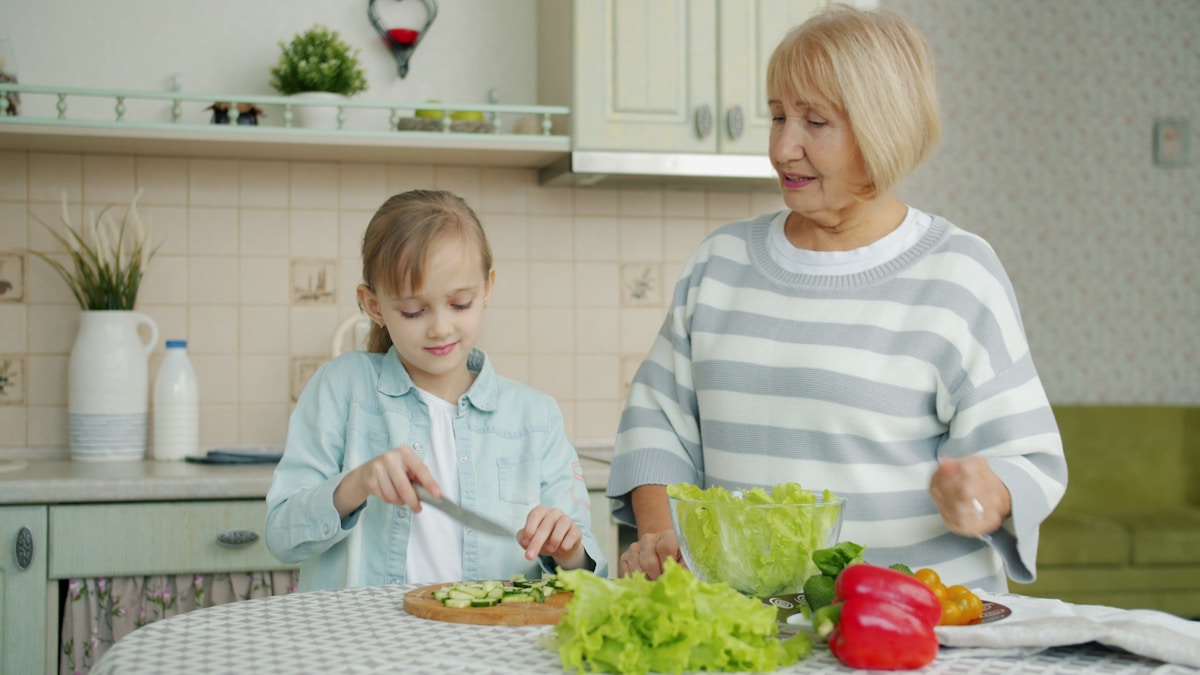
I remember the first time my little niece stood on a step stool at my counter, her tiny hands gripping a wooden spoon as she stirred a bowl of pancake batter. She was barely three, and more batter ended up on the counter than in the bowl, but the joy in her eyes was pure magic. That moment was not about the pancakes—it was about connection. Recently, a Reddit thread in r/Parenting asked about small daily rituals that strengthen parent-child bonds, and hundreds of responses pointed to cooking together. And they are right. Research from the American Academy of Pediatrics supports that shared activities like cooking build trust, emotional regulation, and healthy eating habits. The kitchen, with its warmth and sensory delights, offers a natural, low-stakes stage for these tiny rituals. You do not need elaborate recipes or hours of time. Even five minutes of washing produce, setting the table, or packing a lunch can weave a thread of connection that lasts a lifetime.
Why Small Kitchen Rituals Matter More Than Grand Gestures
In our busy lives, we often feel pressure to plan big outings or elaborate birthday parties. But child development experts agree that it is the consistent, small acts that truly shape a child’s sense of security and belonging. A trip to the amusement park is exciting, but it is the daily routine of making breakfast together that tells a child, “You are important. You belong here.” Cooking together provides a natural opportunity for conversation without the pressure of eye contact (think side-by-side at the counter). It teaches cooperation, patience, and problem-solving. When a child helps measure flour or stir a sauce, they learn that their contribution matters. This sense of competence builds self-esteem in ways a passive entertainment never can. Plus, there is a beautiful side effect: children who help prepare food are far more likely to try new foods. The kitchen becomes a laboratory where curiosity is encouraged, and every spilled drop is a lesson in resilience (and clean-up).
Age-Appropriate Tasks That Build Confidence
One of the secrets to successful kitchen rituals is matching the task to the child’s abilities. Too hard, and frustration creeps in. Too easy, and they lose interest. Here is a practical guide to help you choose the right job for each age:
- Ages 2–3: This is the age of sensory exploration. Let them wash vegetables in a colander, tear lettuce for a salad, or dip fruit into yogurt. They love to sprinkle—use a small spoon for cinnamon or grated cheese. Safety tip: keep knives and hot surfaces far away, and always supervise.
- Ages 4–6: Fine motor skills are developing. They can stir cold ingredients, measure dry goods like flour or oats (with a little help), and use a plastic or blunt butter knife to spread peanut butter or cream cheese. Setting the table becomes a proud responsibility: napkins, forks, spoons. They can also crack eggs into a separate bowl (expect a few shells—that is part of the learning).
- Ages 7–9: Now they can handle more precision. Teach them to use a kid-safe knife (like a nylon serrated knife) to cut soft fruits like strawberries or bananas. They can peel carrots with a Y-peeler, shape cookie dough, and read simple recipes. This is a great age to introduce a simple paring knife under close supervision. Let them measure liquids and use a timer.
- Ages 10+: With proper training, preteens can manage the stove or oven. Teach them to sauté vegetables in a pan with a little oil, flip pancakes, or bake a sheet of cookies. They can plan a simple meal, make a grocery list, and cook entire dishes with you nearby. This builds real independence.
Remember: the goal is not perfection. It is connection. If the eggshells end up in the batter, laugh it off. That is the memory they will carry.
A Simple Morning Ritual: Packing Lunch Together
Mornings are often rushed, but even five minutes can become a cherished ritual. Instead of you packing lunch alone, invite your child to help. Set out a few containers and let them choose one fruit, one protein, and one fun snack. For example: apple slices, cheese cubes, and a small bag of popcorn. (Your future self will thank you for pre-cutting veggies the night before.) Let them write a little note or sticker on the napkin. This small act gives them a sense of ownership over their food and a moment of calm connection before the school day begins. The sensory details matter: the crunch of the apple, the smooth feel of the cheese, the crinkle of the bag. Those tiny sensations anchor the ritual in memory.
The Evening Connection: Setting the Table as a Team
Dinner is a natural anchor for family connection. But instead of barking orders, turn table-setting into a cooperative game. Use colorful placemats or let each child choose a special napkin. Create a “table talk” jar filled with questions like “What made you laugh today?” or “If you could have any superpower, what would it be?” As they set out forks and spoons, they are not just doing chores; they are preparing a space for conversation. The smell of garlic sizzling in olive oil drifts from the stove, and the clink of glasses sets a peaceful tone. This is where stories come out, where siblings bicker and make up, where the day’s triumphs and worries find a safe place. One practical tip: keep the table talk jar visible and add new questions each week. It keeps the ritual fresh.
One-Pan Dinners: A Low-Stress Evening Ritual
When you are tired after a long day, the last thing you want is a complicated recipe. One-pan sheet-pan dinners are a lifesaver and perfect for involving kids. Try this: toss chicken thighs (bone-in, skin-on for flavor) with olive oil, salt, pepper, and herbs. Add chopped broccoli and sweet potato cubes. Spread everything on a rimmed baking sheet. Let your child sprinkle the seasoning—they love feeling like the chef. Roast at 400°F (200°C) for 35–40 minutes, until the chicken reaches 165°F (74°C) and the vegetables are tender. The smell fills the kitchen, and the sizzle is music. While it bakes, you can set the table together or play a quick game. The best part: no piles of pots to wash. That frees up energy for conversation.
Making Memories That Last
It is easy to get caught up in the mess and the extra time it takes to cook with kids. But let me tell you a secret: your children will not remember the perfectly plated dinners. They will remember the flour on your apron, the time you let them lick the beaters, and the sound of your laughter when the cake fell. They will remember that you trusted them with a knife, that you asked their opinion on whether to add more cinnamon, and that every evening they had a spot at the counter next to you. So start small. Pick one ritual this week—maybe Monday morning pancakes, or Tuesday night setting the table. Keep a jar of conversation starters on the table. Let go of perfection. The kitchen is messy, unpredictable, and absolutely worth it. Because that is where families grow together, one spoonful at a time.