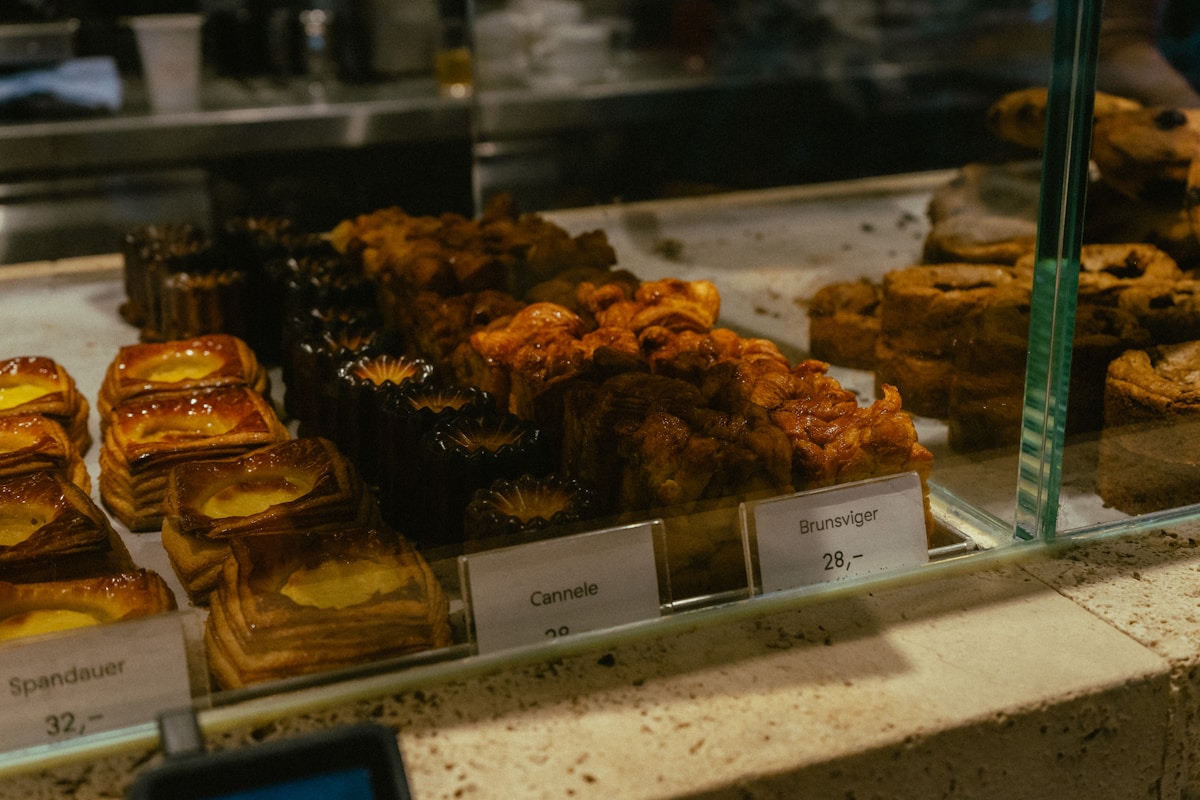
You pull a tray of caneles out of the oven, hoping for that dark, caramelized shell and a custardy center. But the crust is pale and soft, and the molds are a pain to clean. If you have ever wondered whether your mold choice is the culprit, you are not alone. The short answer: metal molds, especially copper, deliver the authentic thick crust, while silicone is easier but produces a softer result. Which one you pick depends on how much time and money you want to invest.
Key Takeaways
- Metal molds (copper or nonstick) produce a thick, caramelized crust; silicone yields a thinner, softer shell.
- Copper requires beeswax coating and careful maintenance; silicone is nonstick and dishwasher-safe.
- Nonstick metal molds offer a practical middle ground with good heat conduction and less upkeep than copper.
- Silicone molds need higher starting temperatures and longer bake times to improve crust formation.
- For beginners, silicone or nonstick metal is recommended; copper is for dedicated bakers seeking traditional results.
The Heat Conduction Showdown: Copper vs. Silicone
The core difference between canele mold materials is heat handling. Copper conducts heat quickly and evenly, delivering intense heat straight to the batter. This rapid heat caramelizes the sugars and creates a thick, dark, crunchy shell. Traditional copper molds also rely on a beeswax coating, which prevents sticking and adds to the crust’s texture and flavor.
Silicone, on the other hand, is a poor conductor. It heats slowly and retains less thermal energy at the surface. The batter does not get the same blast of high heat, resulting in a thinner, lighter crust. Many home bakers find silicone yields a texture closer to a soft muffin top than the firm shell of a classic canele. If authentic Bordeaux-style caneles are your goal, silicone will likely disappoint.
That said, silicone is naturally nonstick, so there is no need for beeswax or buttering. Just pour the batter in and bake. The flexibility of silicone makes demolding effortless. For bakers who value convenience over tradition, silicone is a solid choice.
The baking science behind crust formation is straightforward. High initial heat drives off moisture and caramelizes sugars on the surface. Copper delivers that blast; silicone cushions it. Even preheated silicone molds cannot match the conductive punch of metal.
Ease of Use: Demolding, Cleaning, and Maintenance
Demolding is where silicone excels. You can flex the mold, and the canele slides out without sticking. Copper molds require a coating every time. The traditional method is to warm the copper, pour in a mixture of beeswax and butter, then pour out the excess, leaving a thin film. Skip this, and your batter will glue itself to the mold. Even with beeswax, you may need a gentle tap to release the canele.
Cleaning differs greatly. Silicone molds are dishwasher-safe and wipe clean easily. Copper molds need more care. Abrasive pads damage the tin lining, so rinse with hot water and dry immediately. Beeswax residue builds up over time and needs occasional removal with boiling water or a gentle scrub. Copper also tarnishes and may need polishing, though that is cosmetic.
Longevity: With proper maintenance, copper molds can last decades and become heirloom pieces. Silicone molds degrade over time. They can warp, discolor, or lose their nonstick properties after many uses, especially under high heat. Most silicone molds last a few years with regular use.
Cost is another major factor. A set of six copper canele molds ranges from $60 to $120 or more. Silicone sets are often under $20 for a dozen. Nonstick metal molds fall in between, around $25 to $40 for a set. The price difference influences many bakers’ decisions.
Nonstick Metal Molds: A Practical Middle Ground
If you want a crust closer to copper but without the hassle of beeswax and high maintenance, consider nonstick metal molds. These are usually aluminum or carbon steel with a nonstick coating. They conduct heat far better than silicone, though not quite as efficiently as copper. The result is a canele with a respectable caramelized crust, thicker than silicone but slightly less bold than copper.
A popular temperature sequence works well with nonstick metal molds. Start the oven at 190°C (375°F) for the first portion, then reduce to 180°C (356°F), and finally to 160°C (320°F). This gradual drop helps develop the crust without burning the outside while ensuring the inside cooks through. Exact times vary, but a typical total bake is 60 to 75 minutes. Many bakers report consistent success with this method.
Nonstick metal molds do not need beeswax. A light coating of butter or baking spray is enough for easy release. Hand wash with a soft sponge and mild detergent. Avoid metal utensils and abrasive pads that could scratch the coating. With care, a good nonstick metal mold can last several years.
For home bakers who want authentic texture but find copper intimidating, nonstick metal is an excellent compromise. It offers reliable heat transfer, simpler maintenance, and a lower price point than copper.
Baking Adjustments for Different Mold Materials
No matter which mold you choose, you will need to adapt your recipe and technique. Silicone molds require the most tweaking. Because they insulate the batter, you often need a higher initial oven temperature to kickstart caramelization. Try preheating your oven to 220°C (428°F) and placing the silicone molds on a preheated baking sheet to add extra bottom heat. Bake for the first 10-15 minutes, then reduce the temperature. Even then, expect a lighter, softer crust. Some bakers extend the total baking time by 10-15 minutes.
Copper molds also need high initial heat, but for a different reason. The heat must penetrate the metal and beeswax layer to reach the batter quickly. Many recipes call for 220-230°C (428-446°F) for the first 5-10 minutes, then a drop to 180°C. The beeswax coating promotes even browning and helps form the crust.
Nonstick metal molds are the most forgiving metal option. You can follow the three-step temperature sequence (190°C → 180°C → 160°C) with good results. In a convection oven, reduce the temperature by about 20°C because heat circulates more efficiently. Always rotate the tray halfway through baking to ensure even browning.
Common troubleshooting: pale crust usually means the heat was too low or the mold material is too insulating. Increase the starting temperature. Stuck batter means you skipped greasing or the mold was too cold. Warm metal molds slightly before filling. Uneven browning can be caused by hot spots in your oven or overcrowding. Leave space between molds for air circulation.
How to Choose the Right Mold for Your Skill Level and Budget
If you are making caneles for the first time, start with silicone or nonstick metal. Silicone is the most forgiving: no sticking worries, easy cleaning, and you can focus on mastering the batter and bake times. The crust will be softer, but you can still enjoy a delicious custardy pastry. Nonstick metal is a step up and gives a better crust with minimal extra effort.
For bakers who want to replicate the traditional French canele as closely as possible, copper is the gold standard. Be prepared to invest time in seasoning the molds with beeswax and learning the precise temperature curve. The results are worth it if you are passionate about pastry and plan to bake caneles often.
For occasional bakers who want good results without breaking the bank, a set of nonstick aluminum molds is the smartest purchase. They offer the best balance of performance, ease, and cost. You will not need to buy beeswax or spend extra time on maintenance.
Budget considerations: silicone sets $10-20, nonstick metal sets $20-40, copper sets $60-120+. If you only make caneles once a year, silicone or nonstick metal is more practical. If you plan to bake them regularly, copper is a long-term investment.
Skill level also matters. Silicone works for absolute beginners. Nonstick metal suits intermediate bakers. Copper is for those willing to learn the traditional process and accept some trial and error.
Frequently Asked Questions
Can you get a crispy crust with silicone canele molds? Yes, but the crust will be thinner and less caramelized than copper. Adjusting oven temperature and bake time can improve results, but silicone will never replicate the thick, crunchy shell of beeswax-coated copper.
Do you need to season copper canele molds? Copper molds require seasoning before first use and regular beeswax coating between bakes. This process creates the nonstick layer and contributes to the signature crust. Skip this step and the caneles will stick and lack proper caramelization.
Are nonstick metal canele molds a good compromise? Yes, many home bakers find nonstick metal molds (aluminum or carbon steel) offer a balance. They conduct heat better than silicone, require less maintenance than copper, and produce a crust closer to traditional caneles. The described temperature sequence works well with this type.