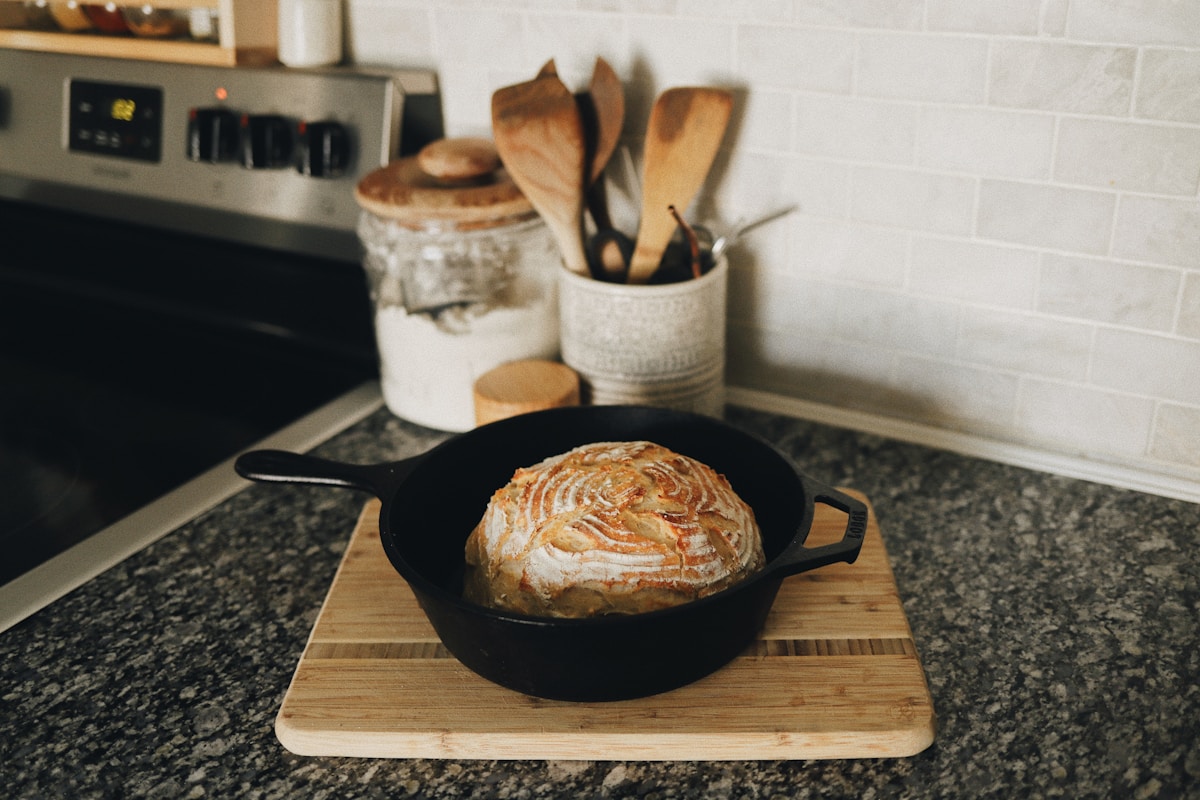
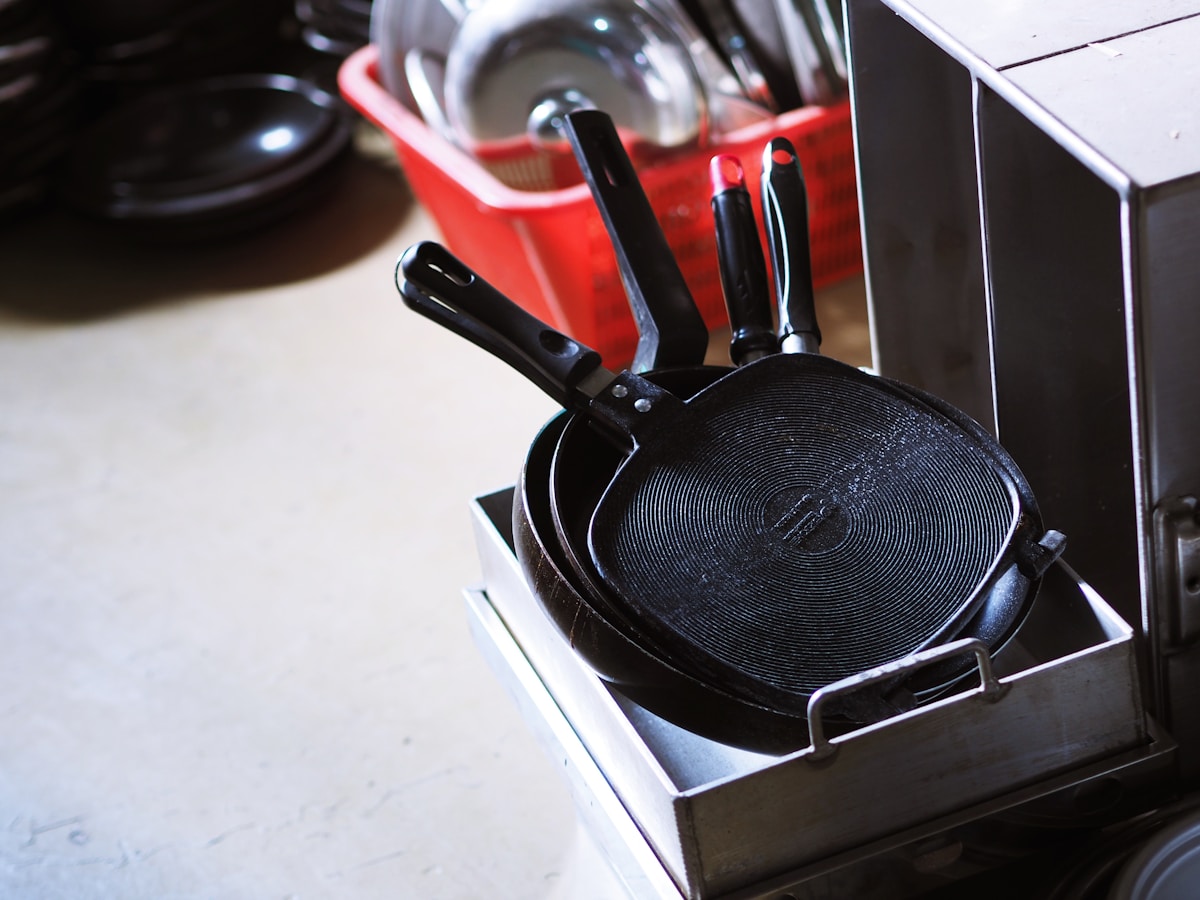
You are standing at the stove, stirring a pot of chili while trying to keep an eye on the kids. The pan you use matters more than you think. If you have been eyeing a cast iron skillet for family cooking but worry about the weight, cleaning, and safety, you are not alone. The short answer is yes, it can be a great tool for busy weeknights, but only if you understand how it works and what it asks of you.
Key Takeaways
- Superior heat retention and near-indestructible durability make cast iron ideal for one-pot family meals.
- The main trade-offs are weight and simple maintenance habits like drying and light oiling after each use.
- For a family of four, a 10-12 inch skillet or a 6-quart enameled Dutch oven gives the best versatility.
- Modern dish soap is safe for seasoned cast iron; avoid long simmering of acidic foods in bare iron.
- Keep handles turned inward, use silicone covers, and store skillets out of reach of small children.
What Makes Cast Iron Different from Nonstick and Stainless Steel
Cast iron is a heavy, durable material made from an iron-carbon alloy. Unlike nonstick pans that rely on a chemical coating, cast iron develops its own natural nonstick surface called seasoning. This seasoning forms when oil is heated on the pan, polymerizing into a slick, protective layer.
Nonstick pans are lightweight and easy to clean, but they cannot handle high heat or metal utensils. Stainless steel is non-reactive and oven-safe, but it does not hold heat as evenly. Cast iron sits in the middle: it retains heat superbly, works on any stovetop (including induction), and can go straight from stovetop to oven without blinking.
For family cooking, the main difference comes down to heat control and maintenance. A cast iron skillet takes longer to heat up but holds steady temperature better than nonstick, which is a big plus when you are searing multiple pieces of chicken or making a big batch of cornbread.
The Real Benefits for Family Cooking
Even heat and heat retention make cast iron ideal for one-pot meals. Once the pan is hot, it stays hot. That means your chili bubbles evenly, your skillet supper does not cool down when you add ingredients, and you can bring the pan straight to the table for serving.
Durability is unmatched. A well-kept cast iron skillet can last for generations. You can use metal spatulas, scrape, and cook at high temperatures without worrying about damaging the surface. That is a big deal when cooking for a family where budgets matter.
Versatility is another strong point. You can sear steaks, bake cornbread, fry eggs, roast vegetables, and even make desserts like skillet cookies. Many cast iron one-pot meals combine stovetop browning and oven finishing in the same pan, which means less cleanup.
Naturally nonstick when seasoned reduces the need for extra oil. While it is not as slick as Teflon, a well-seasoned pan will release eggs and pancakes without trouble.
One-pot efficiency saves time and washing. A family cook can use a cast iron pot to make a healthier one-pot pasta dish – browning the meat, cooking the pasta, and simmering the sauce all in one vessel. That kind of efficiency is exactly what busy parents need.
The Downsides to Consider
Weight is the first shock. A 12-inch cast iron skillet weighs about 7 to 8 pounds. Lifting it with one hand while holding a spoon in the other can be awkward, especially when full of food. Some brands offer lighter options (machined smooth, thinner walls), but they cost more.
Maintenance is a real commitment. You need to season the pan regularly, dry it thoroughly after washing, and apply a thin layer of oil to prevent rust. It is not hard, but it is an extra step compared to nonstick.
Reactivity with acidic foods is a known issue. Cooking tomato sauce, wine-based dishes, or vinegar for a long time can dissolve seasoning and give food a metallic taste. Short simmering (15–20 minutes) is fine, but long braises are better done in enameled cast iron or stainless steel.
Learning curve with temperature control. Cast iron responds slowly to heat changes. You cannot crank the burner and expect instant results. You have to preheat on medium-low and adjust gradually.
Handle heat is a safety concern. The handles get extremely hot and stay hot long after you turn off the burner. Always use a trivet or handle cover. Keep towels and oven mitts nearby.
Best Size Cast Iron Skillet for a Family of Four
For a family of four, a 10 to 12-inch skillet is the sweet spot. A 10-inch (Lodge No. 8) works for most weeknight meals like chicken thighs, pasta, or frittatas. A 12-inch (Lodge No. 10) gives you extra room for larger batches or whole chicken pieces.
If you often cook soups, stews, or chili, consider a 6-quart enameled Dutch oven. It is deeper, holds more liquid, and requires less maintenance because the enamel coating prevents rust and reactivity. An enameled Dutch oven is basically a cast iron skillet with tall sides and a lid, perfect for family-sized one-pot meals.
Bare cast iron is cheaper and more durable for high-heat searing. Enameled costs more but is easier to clean and does not need seasoning. Choose based on your typical recipes.
One-Pot Meals That Shine in Cast Iron
Cast iron one pot meals are where the skillet really earns its place. Try these ideas:
- Skillet spaghetti: Brown ground beef, add sauce and pasta, cover and simmer until pasta is tender.
- One-pot chicken and rice: Sear chicken thighs, remove, sauté onions and rice, add broth and chicken back, bake in the oven.
- Cornbread: Perfectly crispy edges and a tender center – a family favorite.
- Stews and chili: Brown meat, soften vegetables, add liquids, and let it simmer. The even heat prevents scorching.
- Frittatas and baked eggs: Start on the stove, finish in the oven. Great for breakfast or dinner.
- Skillet pizza: Preheating the skillet gives a crackling crust.
The key is to use the right heat level and not crowd the pan.
Safety and Maintenance for Households with Kids
Child safety: Always turn the handle inward so it does not stick out over the edge of the stove. Use silicone handle covers – they stay cool for a while but eventually get hot too. Never leave a hot skillet unattended near a child. Store the skillet out of reach when not in use.
Cleaning: Contrary to old advice, modern mild dish soap is safe for seasoned cast iron. Scrub with a soft sponge, rinse, and dry immediately. Avoid harsh scrubbers, steel wool, and soaking. If food sticks, simmer a little water in the pan to loosen it.
Drying: After washing, place the skillet on a low burner for a minute or two to evaporate all moisture. Then rub a very thin layer of vegetable oil or flaxseed oil over the surface. This keeps the seasoning intact and prevents rust.
Acidic foods: If you cook tomato sauce or lemon-based dishes, limit the time to about 20 minutes in bare cast iron. For longer cooks, use enameled cast iron or simply transfer to another pot.
Iron leaching: Cooking acidic foods can cause a small amount of iron to transfer into the food. For most people, this is safe and may even contribute to dietary iron. If you have a medical condition like hemochromatosis, consult your doctor.
FAQ
1. Can I use soap on my cast iron skillet? Yes, a small amount of mild dish soap is fine for seasoned cast iron. Avoid abrasive scrubbers and prolonged soaking. Rinse and dry thoroughly.
2. Is cooking tomato sauce in cast iron safe? Yes, for short periods. Prolonged cooking of highly acidic foods can dissolve seasoning and cause a metallic taste. Enameled cast iron is a better choice for such dishes.
3. Are cast iron skillets safe for kids to be around? The skillet itself is not dangerous, but the handles get very hot. Use handle covers, keep pot handles out of reach, and never leave a hot skillet unattended near children.
4. How do I restore a rusty cast iron skillet? Scrub off rust with steel wool and dish soap, dry thoroughly, then re-season by coating with oil and baking at 400°F for one hour.
5. Is cast iron better than nonstick for family meals? It depends. Cast iron offers better heat retention, durability, and oven safety, but requires more maintenance. Nonstick is lighter and easier to clean, but wears out faster. Many families keep both.
Final Thoughts
A cast iron skillet for family cooking is not a magic bullet, but it is a workhorse that handles a wide range of meals with minimal cleanup. The weight and care routine are trade-offs, but the payoff is years of reliable performance. Start with a 12-inch seasoned skillet if you want versatility, or a 6-quart enameled Dutch oven if you lean toward soups and braises. Learn the basics of temperature control and seasoning, and you will find yourself reaching for it more often than you expect.