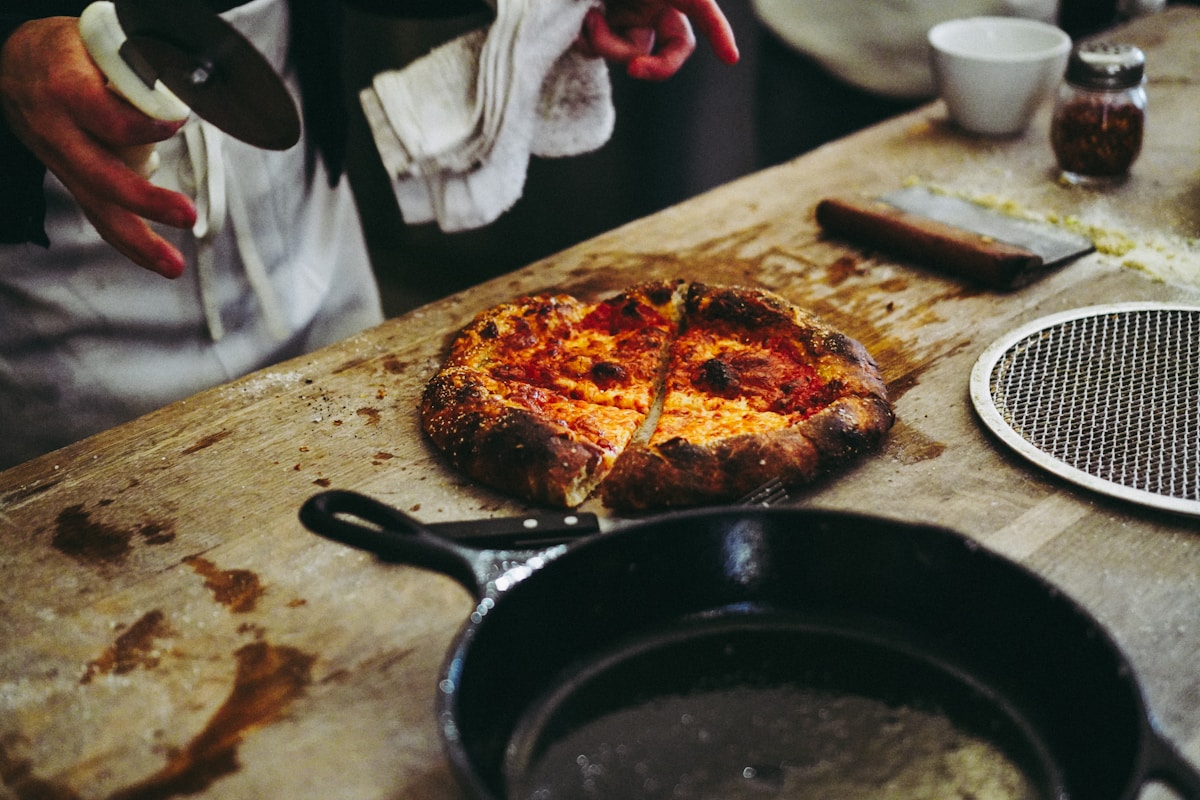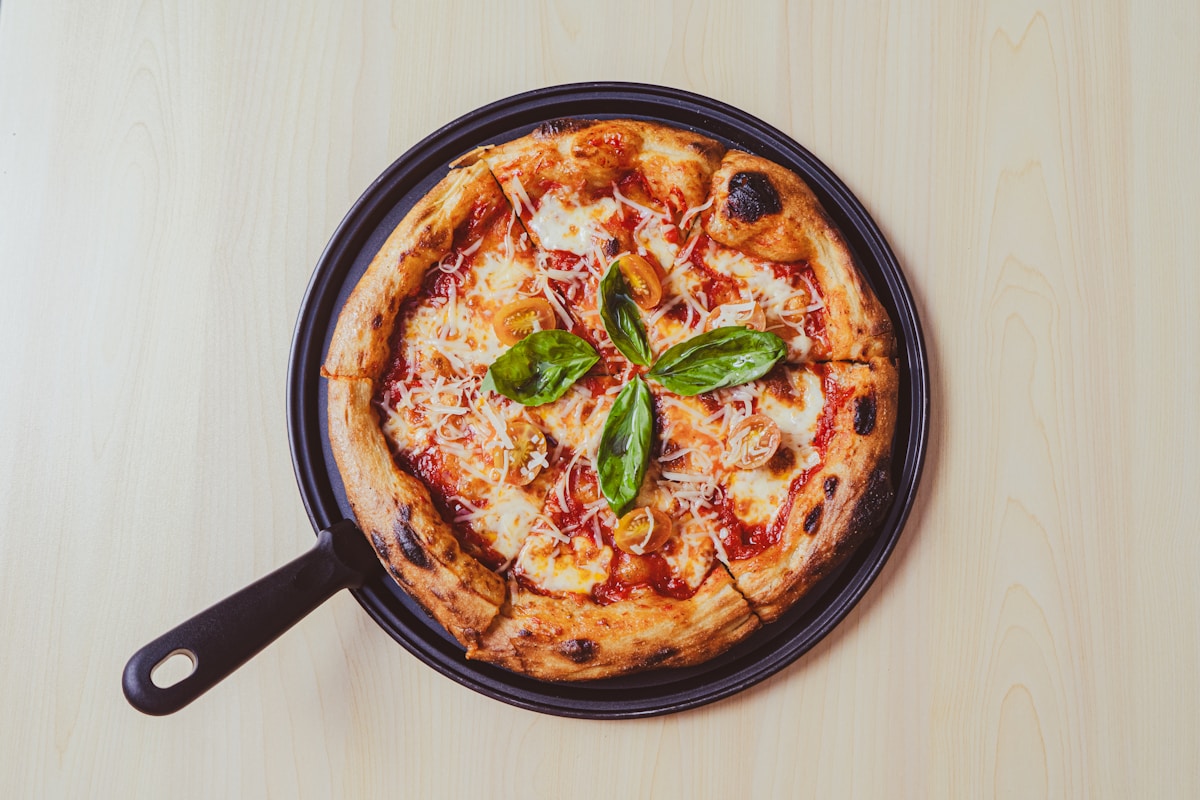
You know that moment when you pull your cast iron skillet out of the cabinet, and the surface looks dull, patchy, or even a little sticky? Maybe you’ve seasoned it a few times, but the non-stick magic just isn’t there. I’ve been there too. But recently, the cast iron community on Reddit reminded me of something powerful: a proper strip and reseason can transform your pan from frustrating to flawless. One user shared a photo of a pan pizza that came out with a crust so crispy and golden it looked like it came from a wood-fired oven. The secret? A meticulous seasoning process using flaxseed oil, thin layers, and a precise oven temperature. If you’ve ever wondered how to get that level of performance, you’re in the right place.
Why Seasoning Makes or Breaks Your Pizza
Seasoning isn’t just about preventing rust — it’s a layer of polymerized oil that bonds to the iron, creating a smooth, non-stick surface. For pan pizza, this is everything. A well-seasoned skillet conducts heat evenly, allowing the dough to crisp up beautifully on the bottom while the top melts cheese and bubbles sauce. Without good seasoning, you’ll get sticking, uneven browning, and frustration. The Reddit post that got me thinking used a Lodge 10.25-inch skillet, but the process works for any brand — Field Company, Smithey, or even a vintage Griswold. The goal is a surface that feels like silk, not sandpaper.
How to Strip Old Seasoning (Safely)
If your pan has years of gunk or flaking seasoning, you need to start fresh. The safest method is oven cleaner with lye — spray it inside a garbage bag, seal it overnight, and scrub the next day with steel wool. Wear gloves, work in a well-ventilated area, and never use this on aluminum or enamel. A second option is electrolysis, which can be built at home with a battery charger and washing soda, but for most home cooks, the oven cleaner method is simple and effective. Once stripped, your pan will look gray or silvery. Don’t panic — that’s bare iron ready for a new coat.
The Art of Reseasoning: Thin Layers at 450°F
This is where many people go wrong. They glob on oil and bake, ending up with a sticky, tacky finish. The Reddit pros stress one rule: thin layers are everything. Here’s the step-by-step:
- Choose your oil. Flaxseed oil is a favorite because it creates a hard, durable layer due to its high linolenic acid content. I’ve used it with great results. Other options are grapeseed, canola, or crisco — but flaxseed gives that glassy sheen.
- Preheat your oven to 450°F (232°C). Place a sheet of aluminum foil on the bottom rack to catch drips.
- Apply a tiny amount of oil to the pan — about half a teaspoon. Use a paper towel to rub it all over, inside and out, including the handle and bottom. Then, with a clean paper towel, wipe off as much oil as you possibly can. It should look almost dry. This is the key.
- Place the pan upside down in the oven. This prevents oil from pooling in the bottom.
- Bake for one hour. Then turn off the oven and let the pan cool inside naturally. Don’t open the door.
- Repeat this process 3 to 5 times. Each layer bonds to the previous one, building up a dark, non-stick surface.
Patience pays off. After your final bake, the pan should feel smooth and look deep black. If you see any sticky spots, you used too much oil — scrub those off with salt and a paper towel, and do one more thin layer.
The Pan Pizza Test: Putting Your Seasoning to Work
Now that your skillet is perfectly seasoned, it’s time for pizza. I use a simple no-knead dough: 2 cups all-purpose flour (King Arthur Flour works great), 3/4 cup warm water, 1 tsp instant yeast, 1 tsp salt, and 1 tbsp olive oil. Mix, let rest for 2 hours, then refrigerate overnight. When you’re ready, preheat the oven to 500°F (260°C). Place your seasoned skillet on the stovetop over medium heat for 5 minutes — this preheats the pan for extra crispness. Add a tablespoon of olive oil, then press the dough into the pan. Top with sauce, mozzarella, pepperoni, or whatever you love. Bake for 12–15 minutes until the cheese is bubbly and the crust is golden brown. The first bite will confirm everything: the crust will shatter with a satisfying crunch, and the pan will release the pizza without a fight. (Yes, really.)
Community Wisdom: Maintenance After Pizza
Once you’ve achieved seasoning nirvana, keep it that way. The r/castiron community’s golden rule: never use soap on a seasoned pan. Instead, scrub with hot water and a stiff brush while the pan is still warm. If food sticks, use coarse salt and a paper towel as an abrasive. Dry the pan thoroughly on the stove — a minute over low heat — then apply a whisper-thin layer of oil before storing. This prevents rust and keeps the seasoning happy. For especially greasy foods like bacon, you might still get some sticking if the pan isn’t hot enough. Preheat your skillet slowly to avoid warping, and always let it come to temperature before adding oil.
The Bottom Line on Cast Iron Reseasoning
Your cast iron skillet is capable of incredible things if you give it the right surface. That Reddit post reminded me that a little work upfront — stripping old seasoning, applying thin flaxseed oil layers, and baking at 450°F — can yield a pan that rivals any expensive non-stick pan. And for pan pizza, there’s simply nothing better. You get a deep, even crust that’s crunchy on the outside and tender inside, all because the iron holds heat like a champion. So if your cast iron is feeling neglected, strip it, reseason it, and make yourself a pizza. Your future self will thank you. (Trust me on this one.)