


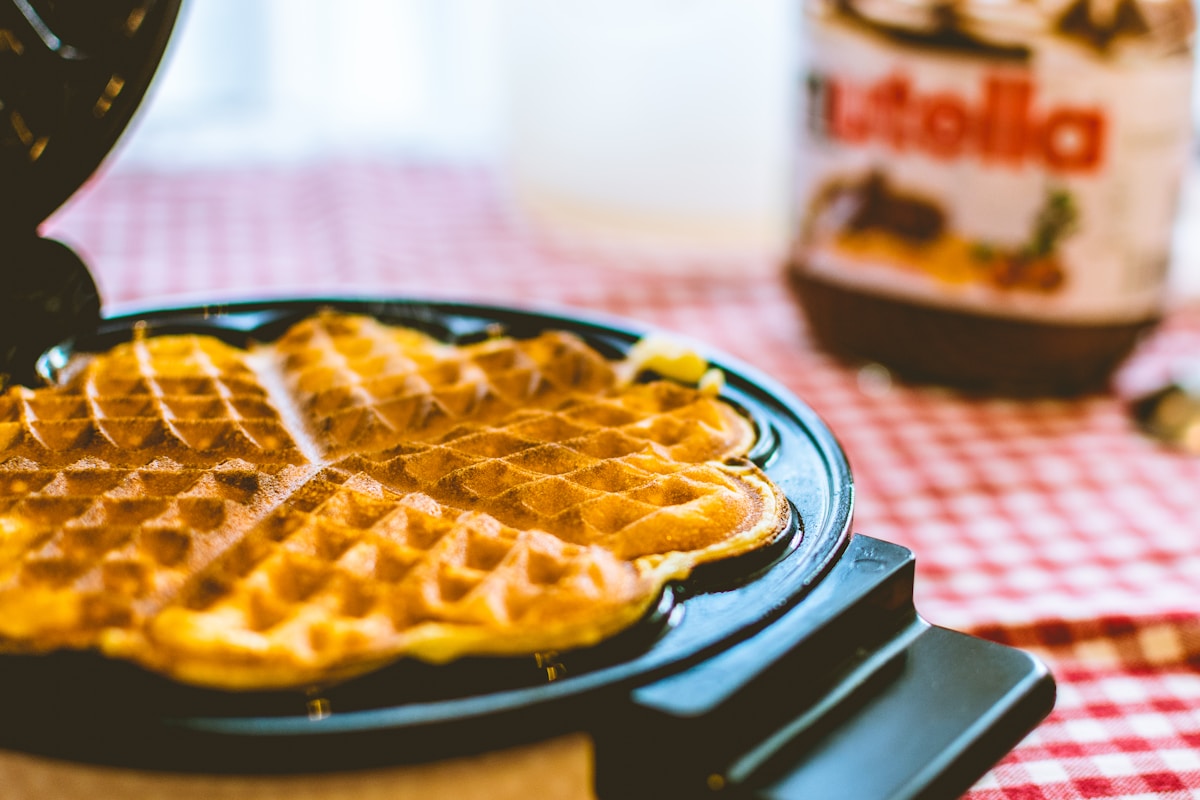
The Sunday batter is mixed, coffee is ready, and you face the real question: should you pull out that heavy restored vintage waffle iron again, or use the lightweight modern machine that is faster to clean?
A restored vintage waffle iron can be worth using every weekend, but only if its condition, heat source, storage needs, and maintenance fit your routine. A sound stovetop cast iron model can be a durable, satisfying tool for crisp waffles. An older electric model needs a much more cautious evaluation before it earns a regular place in the kitchen.
Key Takeaways
- Identify the iron first: stovetop cast iron and vintage electric waffle makers require different care and safety checks.
- A restored surface is not an automatic guarantee that a waffle iron is structurally sound or appropriate for food use.
- Cast iron rewards patient preheating, light seasoning, careful flipping, and thorough drying after cleanup.
- A modern nonstick waffle maker is usually easier for busy mornings; vintage is best for cooks who enjoy a slower, hands-on routine.
Start by identifying the kind of restored vintage waffle iron you own
“Vintage waffle iron” can describe two very different tools, and that distinction changes nearly every care and safety decision.
A stovetop cast iron waffle iron usually has two heavy hinged plates, long handles, or a separate metal base. It has no cord, indicator light, or built-in controls. You heat it on a compatible cooktop, add batter, close it, and manually turn or flip it during cooking.
A vintage electric waffle maker has a cord, plug, heating element, and usually an exterior housing. It may have a thermostat, indicator light, insulated handles, or a latch. Even if its cooking plates look like cast iron, it is an appliance first, not simply a piece of cookware.
This is the central decision: a restored vintage waffle iron is not automatically better than a modern waffle maker because it is old, heavy, or beautifully restored. It is worth weekly use when it is sound for its type, makes waffles you genuinely prefer, and is convenient enough that you will use it rather than leave it in the cabinet.
Many restored cast iron models are sold cleaned, refinished, and seasoned. That is helpful, but “restored” is not a substitute for your own inspection. Check what surfaces, finishes, and repairs are actually present before cooking food in it.
Check safety and food-contact condition before making the first batch
Inspect the waffle iron closely before adding batter. Keep the checks separate for stovetop cast iron and vintage electric appliances; their care requirements are not interchangeable.
For a stovetop cast iron waffle iron, examine the plates in bright light. Look for cracks, significant warping, loose hinges, unstable handles, sharp rust damage, heavy residue, or flaking material. Open and close the iron slowly to make sure the halves align and move predictably.
A little discoloration or a patchy-looking seasoning layer is not necessarily a problem. Bare, solid cast iron that is clean and maintained is different from a cooking surface with a peeling coating, unknown paint, mystery plating, or refinishing material not intended for food contact.
Check the underside and any separate base, too. A warped base can make the iron unstable, while a loose handle makes a heavy hot tool difficult to manage. If the iron rocks on the cooktop, does not close evenly, or has structural damage, do not try to cook around the issue.
For vintage waffle maker safety, take a more conservative approach with electric models. Inspect the cord, plug, strain relief, insulation, housing, handles, controls, and cooking plates before plugging it in. Brittle insulation, exposed wiring, altered parts, scorch marks, cracked housing, loose controls, or an unreliable latch are all reasons to stop and seek qualified evaluation.
An old electric waffle maker should not be assumed safe simply because it powers on or looks clean. If documentation is available, use it to confirm intended operation and cleaning. Do not attempt internal repairs, rewiring, or disassembly unless you are qualified to do that work.
For either type, make the first trial in a ventilated area and stay nearby. Keep children away from hot metal, handles, and cords. Stop using the tool if you notice unusual smoke, a persistent odd odor, sparking, erratic heating, or movement that feels unsafe.
What regular use looks like with a cast iron waffle iron
A cast iron waffle iron earns its keep through durability and cooking character, not speed. It can make crisp-edged waffles with a sturdy, hands-on process that many cooks enjoy.
The trade-off is active cooking. Cast iron needs time to warm, both halves need to heat evenly, and the cook controls burner heat and flipping. This can be pleasant on a relaxed weekend, but it is different from making a quick weekday breakfast for several people.
If old waffle iron restoration left you with bare or newly stripped cast iron, seasoning is the first practical job. Start with a thoroughly clean, completely dry iron. Apply an extremely thin film of suitable cooking oil across the cooking surfaces, including the grooves, then heat the iron according to its design and cooktop compatibility.
The key word is thin. Visible pools of oil can become sticky, create excess smoke, and collect in the waffle pattern. Build seasoning gradually through repeated light applications and normal cooking rather than trying to create a perfect nonstick surface in one session.
How to season a waffle iron depends on its construction and heat source, so avoid treating one exact temperature or timing rule as universal. The goal is a dry, lightly protected surface that releases better over time, not a greasy finish.
For the first batch, use a simple workflow:
- Confirm that the iron is clean, dry, stable, and suitable for your cooktop.
- Preheat both sides gradually. Thick cast iron usually takes longer than a modern electric maker, and rushing this step can lead to pale patches and sticking.
- Apply only a modest amount of release fat if your surface or recipe needs it. A well-seasoned iron may need very little, while a newly restored one may benefit from a light coating.
- Start with a modest portion of batter rather than filling every groove to the edge. Overflow is harder to clean from a vintage iron than from removable modern plates.
- Close the iron carefully and allow the waffle to set before flipping. Opening too early can split the waffle and pull batter from the plates.
- For a stovetop model, flip deliberately and use a repeatable routine for the next few waffles rather than constantly opening the iron to check.
- Lift the finished waffle gently with a non-damaging utensil, then adjust batter amount or heat for the next round.
Heat management is where vintage cast iron becomes either enjoyable or frustrating. Begin with moderate heat rather than the highest burner setting. The metal retains heat strongly, especially after several waffles, so a setting that works for the first waffle may become too aggressive by the third.
If waffles stick, do not immediately assume the iron is unusable. Common causes include incomplete seasoning, inadequate preheating, opening before the waffle has set, batter with a lot of sugar, or a damaged cooking surface. Give the iron time to preheat, use a light coating of fat when needed, and let the waffle cook longer before opening.
Uneven browning can come from uneven burner heat, incomplete preheating, inconsistent flipping, or batter that was not spread evenly before closing. Use the same burner position and flipping routine for several batches. If one side consistently browns faster, reduce the heat and allow more preheating time before making larger changes.
Excess smoke often means the iron is too hot or has too much oil on it. Remove it from the heat if needed, let it settle, wipe away excess oil only once it is safe to handle, and restart at a lower setting.
Cleanup, maintenance, and storage are the everyday tradeoff
Cast iron waffle iron care is manageable, but it takes more attention than wiping a modern nonstick appliance with a damp cloth. The grooves hold crumbs, sugary residue, and oil, so rushed cleanup can create problems at the next breakfast.
Let the iron cool until it is safe to handle, but do not leave sticky residue sitting for days. Use a soft brush, cloth, or wooden tool to work gently through the pattern. Avoid aggressive scraping or cleaning methods that can damage the seasoning layer.
Do not soak a cast iron waffle iron for a long time. Wash only as needed, dry it thoroughly, and apply a very light protective oil layer if the surface looks dry or vulnerable to rust. Pay attention to hinges and edges, where moisture can linger.
Sugary batter is a cleanup reality check. It can caramelize and cling to corners, especially if the iron runs hot. If your household often makes dessert waffles or extra-sweet variations, expect more cleanup effort than with a basic batter.
Storage matters as much as cooking performance. Vintage cast iron waffle irons are often heavy, bulky, and awkwardly shaped. Confirm that the shelf can support the weight and that you can lift the iron without dragging it against other cookware.
Store it fully dry in a low-moisture area. A cloth or paper barrier can protect the cooking surfaces from scratches and contact with other metal tools. Most importantly, store it somewhere practical: a tool that requires unloading several heavy pans every Sunday may not be realistic for weekly use.
For a vintage electric model, do not submerge the appliance. Clean only as its construction and any available maker instructions allow. If grease or residue has entered seams, controls, or electrical areas, do not improvise with water or disassembly.
Vintage versus modern waffle maker: decide which deserves weekly space
The vintage versus modern waffle maker choice is mostly about routine, not nostalgia.
A restored vintage waffle iron generally needs longer preheating, more hands-on heat control, manual flipping, and more careful drying and storage. In return, a sound cast iron model offers a seasoned cooking surface and a deliberate cooking process that may suit a relaxed weekend breakfast.
A modern nonstick waffle maker usually wins on setup speed, predictable controls, lighter handling, and easy cleanup. It is often the more practical choice for busy households, larger batches, or anyone who wants repeatable results with minimal attention.
Choose a vintage cast iron iron for weekly use if you enjoy managing heat, prefer the waffles it makes, have secure storage, and make waffles often enough to keep the seasoning in good shape. It also makes sense if breakfast is part of your weekend ritual rather than a task to finish quickly.
Choose modern if you value speed, automatic indicators, lighter equipment, easier cleanup, and less maintenance. A modern maker is often the more sensible tool for feeding several people before sports, errands, or a busy day.
Is an antique waffle iron worth it? Only when its actual utility matches its appeal. Age, rarity, restoration cost, and decorative charm do not make it a practical kitchen tool by themselves.
Keep it in regular rotation when it is structurally sound, safely usable for its type, simple enough to retrieve and store, and consistently makes waffles you like. Reserve it for relaxed weekend projects when you enjoy the process but would not want it on an ordinary morning. Display or retire it when electrical uncertainty, missing parts, damage, or storage burden outweighs the food it produces.
FAQ: Restored vintage waffle iron ownership
Is a restored vintage waffle iron safe to cook with?
It depends on the specific tool and its condition. A sound stovetop cast iron model needs inspection for structural damage, rust damage, loose parts, and unknown food-contact finishes. A vintage electric model needs additional evaluation of its cord, plug, wiring, controls, heating system, and housing; restoration alone does not prove it is safe to use.
How do you keep a cast iron waffle iron from sticking?
Keep the cooking surface clean and well seasoned, preheat both halves fully, use a small amount of release fat when needed, and avoid opening before the waffle has set. If sticking continues, lower overly high heat, check for heavy sugar in the batter, and inspect the surface for damaged or flaking areas.
Is a vintage waffle maker better than a modern waffle maker?
Neither is universally better. A vintage cast iron waffle iron suits cooks who enjoy hands-on cooking, maintenance, and a crisp waffle style. A modern waffle maker is usually better for quick setup, lighter handling, easier cleanup, and more automated consistency.


