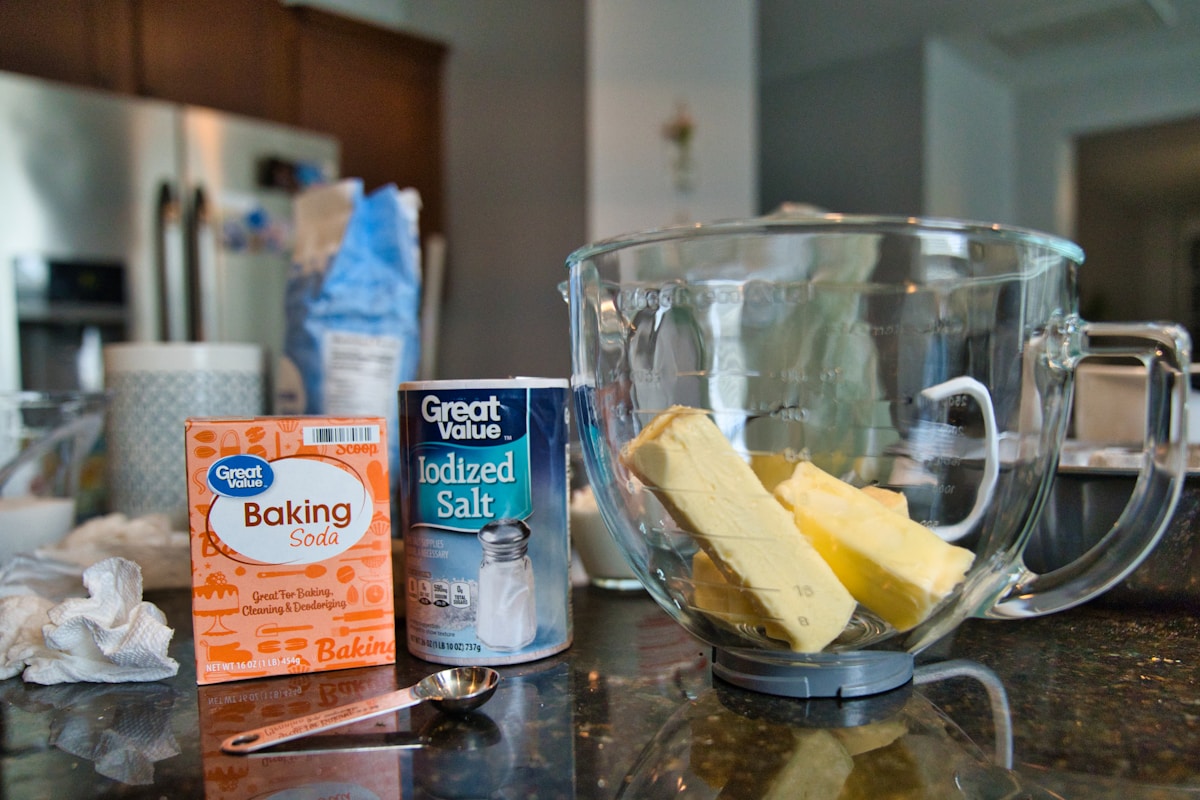
You reach for the familiar heavy glass bowl, only to find a crack, chip, or broken pieces that bring baking plans to a halt. Finding a replacement sounds simple until you see bowls with similar capacities, shapes, and brand names that may not fit your mixer at all.
The short answer: choose a replacement glass mixer bowl only after matching your mixer’s exact model number, mounting system, bowl dimensions, and attachment clearance. The same quart capacity does not guarantee that a bowl will lock in place, sit at the correct height, or work safely with your beaters.
Key Takeaways
- Match the exact mixer model number before comparing bowls; brand and capacity alone are not enough.
- Measure the original bowl’s height, rim diameter, base diameter, depth, and mounting features.
- An exact manufacturer replacement is the safest option when one is available for your mixer model.
- Consider used or vintage bowls only after carefully checking the glass, rim, locking hardware, and return terms.
- A standalone heavy duty glass bowl is useful for hand mixing and prep, but it is not a stand mixer bowl replacement unless it is specifically approved for your machine.
Start by Identifying the Bowl You Actually Need
First, determine whether the broken bowl was designed to attach to your stand mixer or was simply a standalone bowl you used beside it. That distinction determines what you should shop for.
A mixer-specific bowl usually has a fitting underneath. Look for a twist-lock base, grooves, locking tabs, a metal plate, or connection points for bowl-lift arms. Its handle may be positioned to clear the mixer head, and its shape may narrow toward the bottom so the beater can reach ingredients properly.
A standalone glass mixing bowl has no mounting hardware. It may be thick, heavy, and useful for batter, dough, prep, or serving, but it should not be used on a stand mixer simply because it appears to fit beneath the head.
Next, find your stand mixer’s full model number. Check the underside of the base, the rear of the machine, near the power cord, or on its rating label. Record the complete model designation, not just the brand or a general product line. Small model differences can affect bowl fit, bowl height, and attachment compatibility.
If you still have the broken bowl or several large pieces, record as much information as possible before discarding it:
- Capacity marking, if visible
- Top diameter from rim to rim
- Overall height
- Base diameter
- Interior depth
- Rim shape and thickness
- Handle position and shape
- Pouring-spout position
- Logos, part numbers, molded markings, or stamped codes
- Locking tabs, grooves, rings, or bowl-lift connection points
Take photos from the top, side, bottom, and mounting area. A photo of the bowl seated on the mixer can be especially useful when comparing the bowl profile and handle placement with a replacement listing.
A similar-looking replacement glass mixer bowl can still be the wrong choice. If it sits too high or too low, the flat beater may scrape the glass, miss ingredients at the bottom, or fail to work as intended. If its base fitting differs, the bowl may not lock securely into the mixer.
Measure for a Compatible Replacement Glass Mixer Bowl
Capacity matters, but it is only one piece of mixing bowl compatibility. Measure the original bowl carefully, then compare those details with the manufacturer’s specifications and approved model list.
Use a ruler or tape measure to record the following:
- Interior capacity: Use the original marking when possible. Do not estimate capacity by appearance alone.
- Rim-to-rim diameter: Measure across the widest point at the top.
- Overall height: Measure from the bottom of the bowl to the highest point of the rim.
- Base diameter: Measure the bottom section that contacts or attaches to the mixer.
- Bowl depth: Measure from the inside bottom to the rim.
- Rim profile: Note whether the rim is straight, flared, rolled, thick, notched, or shaped to accept a splash guard.
Then identify the mounting system on your mixer. Tilt-head mixers often use bowls that twist into a base plate. Bowl-lift machines commonly use side connection points that attach to lift arms. Other mixers may use tabs, retaining rings, or another proprietary system.
Do not assume a bowl will fit because it is described as suitable for the same brand. A single brand may make several bowl capacities, base designs, and mounting styles. Similarly, bowls with matching quart capacities may have different heights, rim shapes, or attachment points.
Attachment clearance is just as important as the bowl mount. Your replacement needs enough room for the flat beater, dough hook, wire whip, and any specialty attachment you use. If you own a splash guard or scraper-style beater, check those as well.
Before ordering, compare the listing with your original bowl using these questions:
- Does the bowl use the same locking method?
- Does the approved model list include your exact mixer model?
- Is the bowl height close to the original specification?
- Does the rim shape work with your splash guard, if you use one?
- Does the listing clearly distinguish tilt-head and bowl-lift compatibility?
Official compatibility information for your specific mixer model is the strongest evidence. Photos can reveal obvious differences, but they cannot confirm secure locking, correct beater clearance, or approved use.
Never force a bowl into the base, alter tabs, or use a bowl that rocks in its mount. A bowl that nearly fits is not a proper stand mixer bowl replacement.
Compare the Best Replacement Paths When the Original Bowl Is Broken
There are four practical replacement paths. The best one depends on whether you value exact fit, original appearance, lower cost, or simply having a dependable bowl for daily kitchen tasks.
1. Exact manufacturer replacement
An exact manufacturer replacement is usually the best choice when you know the mixer model and an approved glass bowl remains available. It offers the best chance of preserving the original bowl height, mounting system, attachment clearance, and familiar glass-bowl experience.
Confirm that the manufacturer lists your exact model, not only a broad mixer family. Also check whether the listing includes only the bowl or additional pieces, such as a locking plate, handle assembly, or bowl-lift fittings.
This option may cost more than a generic alternative, but it can be better value than a less expensive bowl that turns out not to fit.
2. Documented compatible replacement
A compatible replacement can be worth considering when the seller or manufacturer clearly lists your exact mixer model and bowl type. Look for detailed dimensions, clear images of the mounting area, and return terms that allow you to inspect the bowl before committing to it.
Be cautious with phrases such as “fits most mixers” or “for popular stand mixers.” Those claims are too broad when a glass bowl must lock into a specific base and provide correct attachment clearance.
3. Used or vintage mixer bowl replacement
A vintage mixer bowl replacement may be the best option for an older mixer with discontinued parts. It can also help restore the original look and feel of a well-loved machine.
Inspect used glass more closely than new glass. Ask for photos of the full rim, interior bottom, base fittings, locking tabs, and any capacity markings. Watch for chips, cracks, cloudy areas, rough rim edges, repairs, missing hardware, or worn sections where the bowl attaches to the mixer.
Also consider the total cost, not just the listing price. Shipping, packing quality, limited returns, and the risk of breakage in transit can make a bargain less appealing. A heavy glass bowl needs careful packaging.
4. A high-quality standalone heavy duty glass bowl
If the original mixer bowl is no longer available, a high-quality standalone heavy duty glass bowl can still be a useful replacement for hand mixing, holding dough, prepping ingredients, or serving. It is a practical fallback if what you miss most is the visibility and substantial feel of glass.
Treat it as a separate kitchen bowl unless it is explicitly approved for your mixer. A bowl is not a mixer-specific replacement simply because it fits beneath the mixer head.
Compare every option by fit confidence, condition, return policy, shipping cost, future replacement availability, and how often you use the mixer. The lowest price is not always the best value.
Choose Between Glass, Stainless Steel, and Ceramic Alternatives
Glass is not the only option, even if it was your favorite material. The right choice depends on what matters most in your kitchen.
Glass makes it easy to see flour pockets, unmixed butter, and ingredient levels without lifting the bowl. Many cooks enjoy its substantial feel, and a handle or pouring spout can make transferring batter easier.
Its trade-offs are weight and breakability. A full glass bowl can be awkward to carry, especially when filled with bread dough or a large batch of frosting. Follow the bowl maker’s care instructions rather than assuming every glass bowl is suitable for dishwashers, ovens, microwaves, or sudden temperature changes.
Stainless steel is often the practical alternative when an exact glass bowl is unavailable or too costly. It is generally lighter to lift, easier to replace, and less concerning to move around a busy kitchen.
The downside is that you lose the visibility and familiar heft of glass. You still need to verify model-specific fit; changing materials does not make a bowl universal.
Ceramic can be appealing if you want a substantial bowl that looks good on the table or countertop. It may be a good choice when a model-specific ceramic bowl is available for your mixer.
Ceramic is also heavy and should be handled carefully. Confirm that it is approved for your model and works with your existing attachments before ordering.
Choose glass when preserving the original experience matters most and a verified replacement exists. Choose stainless steel when lighter handling and easy availability are your priorities. Choose ceramic when you want a model-specific bowl that can also work for serving.
Buyer Checklist: Confirm Fit Before Ordering
Use this checklist before ordering a replacement glass mixer bowl:
- Find and save the exact mixer brand and full model number.
- Identify whether the mixer is tilt-head, bowl-lift, or another design.
- Confirm that the bowl is intended for mixer use rather than hand mixing only.
- Match the manufacturer’s approved model list whenever available.
- Compare capacity, height, rim diameter, base diameter, and bowl profile.
- Match the locking system, tabs, twist base, or bowl-lift connection points.
- Check clearance for your flat beater, dough hook, wire whip, splash guard, and scraper attachment.
- Review listing photos for chips, cracks, rough edges, missing pieces, and worn fittings.
- Read return terms before using the bowl, especially for used and vintage purchases.
- Check whether the seller describes protective packaging for a heavy glass item.
Once you have a replacement, store it where it will not repeatedly knock against sheet pans, cast iron, or stacked cookware. Follow the care instructions provided for that specific bowl.
Frequently Asked Questions
Can I use any glass bowl as a stand mixer bowl replacement?
No. A standalone glass bowl can work for hand mixing, but it should not be used on a stand mixer unless it is specifically designed and approved for that machine. Proper fit depends on the mounting system, bowl geometry, height, and attachment clearance.
How do I find a vintage mixer bowl replacement when the original model is discontinued?
Start with the full mixer model number and photos of the original bowl base. Look for listings that show the tabs, locking ring, rim, capacity marking, and overall condition. Favor listings with photos of the actual bowl, and factor shipping protection and return options into the price.
What measurements matter most when buying a replacement glass mixer bowl?
The key measurements are capacity, top diameter, overall height, interior depth, and base diameter. The rim profile and exact mounting system are equally important. A bowl can match the original capacity yet still be too tall, too shallow, or unable to lock into place.