Hello my dears,
Let me paint a picture for you. It’s 5:15 PM. A toddler is rhythmically banging a wooden spoon on a cabinet door. Your six-year-old is asking, for the seventh time, what’s for dinner. You open the fridge, hoping for inspiration, but are met with a half-empty carton of milk, some wilting celery, and the haunting question: “Did I remember to thaw the chicken?”
If this scene feels even a little familiar, take a deep breath. You are not alone. This feeling, this weight of managing all the tiny details of feeding a family, has a name: the mental load. It’s the endless, invisible to-do list that runs in the back of our minds. It’s not just about cooking the meal; it’s about planning it, shopping for it, making sure you have all the ingredients, and then, of course, dealing with the aftermath of tiny, messy eaters.
But I’m here to tell you, from one kitchen-dweller to another, that it doesn’t have to be this way. The kitchen can be a place of connection and joy again, even on the most chaotic of days. It just takes a few new systems and a big dose of grace.
Making the Invisible List Visible
So much of the stress comes from the work nobody sees. The constant inventory check in your head (“Are we low on eggs? Do we have enough bread for lunch tomorrow?”), the meal planning, the coupon clipping. The first step to sharing this load is to get it out of your head and into the physical world.
My favorite tool for this is a simple magnetic whiteboard on the refrigerator, but a shared digital note on an app like Google Keep or AnyList works wonders, too. Here’s the family rule: If you finish it, you write it down. Used the last of the ketchup? Write it on the list. Drank the last juice box? On the list it goes. This simple habit transforms “mom’s job” into a household responsibility. (Yes, you’ll have to remind everyone for a while, but it’s worth it.)
Then, schedule a 15-minute “Kitchen Summit” once a week. My husband and I used to do this on Sunday evenings. We’d grab a cup of tea, look at the calendar, and plan out the week’s dinners. We’d ask the kids for one or two suggestions, which always made them more excited to eat. By the end of our little meeting, we had a plan and a complete grocery list. No more 5:15 PM panic.
The Art of the ‘Good Enough’ Kitchen
Now, let’s talk about cleaning. In the age of sparkling clean kitchens on social media, it’s easy to feel like a failure if your floors aren’t gleaming. But with little ones, a pristine kitchen is a fleeting dream. The secret is to embrace the “good enough” standard.
What absolutely has to happen every night for your kitchen to be functional and sanitary for the next day? For most of us, that’s wiping down the counters and table, loading the dishwasher, and maybe a quick sweep for crumbs. That’s it. That’s the goal. Mopping the floor? Deep cleaning the oven? That can wait for a designated time, not the end of a long, tiring day.
Here’s a little trick that transformed our evenings: the 15-Minute Family Reset. After dinner, we put on some fun music and set a timer for 15 minutes. Everyone helps. The little ones can be in charge of putting their own plates by the sink or wiping the table with a damp cloth. The older ones can help load the dishwasher. My job might be scrubbing the main pot, while my husband handles the counters. It’s a flurry of activity, but when that timer goes off, we’re done. It turns a long, lonely chore into a short, collaborative mission.
Little Helpers, Big Impact
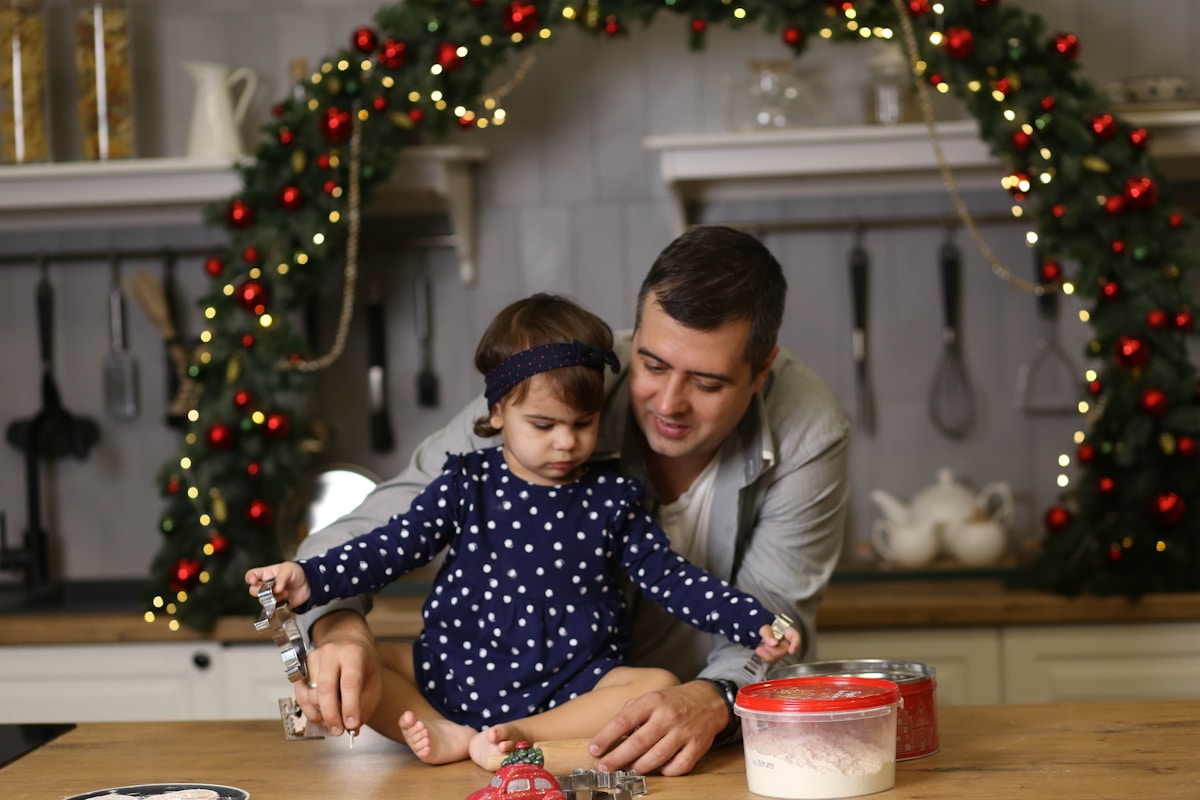
It’s tempting to think it’s faster to do everything yourself. And in the short term, you’re absolutely right. But inviting your children into the kitchen to help is an investment in your future and theirs. You’re not just getting chores done; you’re teaching them essential life skills and building their confidence.
Keep the tasks age-appropriate and focus on participation, not perfection.
- Ages 2-3: These are your “professional stirrers” (with a cold batter, of course!) and expert tasters. They can help tear lettuce for a salad, pour pre-measured ingredients into a bowl, or “wash” plastic dishes in a sink of soapy water. It’s messy, but it’s a joyful mess.
- Ages 4-6: They are ready for a bit more responsibility. They can set the table with napkins and silverware, use a kid-safe knife (like a nylon one) to cut soft foods like bananas or mushrooms, or whisk eggs for scrambled eggs. A simple visual chore chart with pictures—a plate, a cup, a fork—can help them remember the steps to setting their spot at the table.
Remember to praise the effort, not the result. “Thank you for helping me set the table!” means so much more than “You put the fork on the wrong side.”
Smart Systems That Save Your Sanity
When you’re in the thick of it, you need systems that do the thinking for you. This is where a little planning pays off in a huge way.
First, consider outsourcing. If grocery shopping with three kids feels like a Herculean task, give yourself permission to skip it. Grocery pickup services from stores like Kroger or Walmart are game-changers. You place your order online in your pajamas and simply drive up to have it loaded into your car. The small fee is often worth every single penny in saved time and stress.
Second, systematize your meals. Decision fatigue is real. Reduce the number of decisions you have to make each week with theme nights. Knowing every Tuesday is for tacos and every Friday is for homemade pizza (a great one for kids to help with!) instantly removes two major planning hurdles.
Finally, embrace batch cooking. It sounds intimidating, but it can be simple. Spend an hour or two on Sunday prepping for the week ahead.
- Chop all your onions, peppers, and carrots. Store them in airtight containers in the fridge.
- Cook a big pot of a staple grain like rice or quinoa.
- Make a double batch of whatever you’re having for dinner and freeze half for a busy night next week. A big pot of bolognese sauce is perfect for this. Just brown 2 lbs of ground beef or turkey, sauté your pre-chopped veggies, add two large cans of crushed tomatoes, and let it simmer on low (around 190°F / 88°C) for at least an hour to let the flavors meld. Use half now, and freeze the rest. (Your future self will be so grateful.)
A Season of Grace
My dear, this time with little ones underfoot is a season. It is chaotic, it is sticky, and it is short. The mental load is heavy, but it can be shared. Communicate with your partner, get the invisible work out into the open, and let go of perfection.
The goal isn’t an immaculate kitchen. The goal is a nourished family, happy memories, and parents who have enough energy left at the end of the day to enjoy each other. The crumbs on the floor are evidence of a meal shared. The little fingerprints on the fridge are proof of a home filled with life. Give yourself grace. You’re doing a wonderful job.
With a warm heart and a full cupboard,
Beatrice