


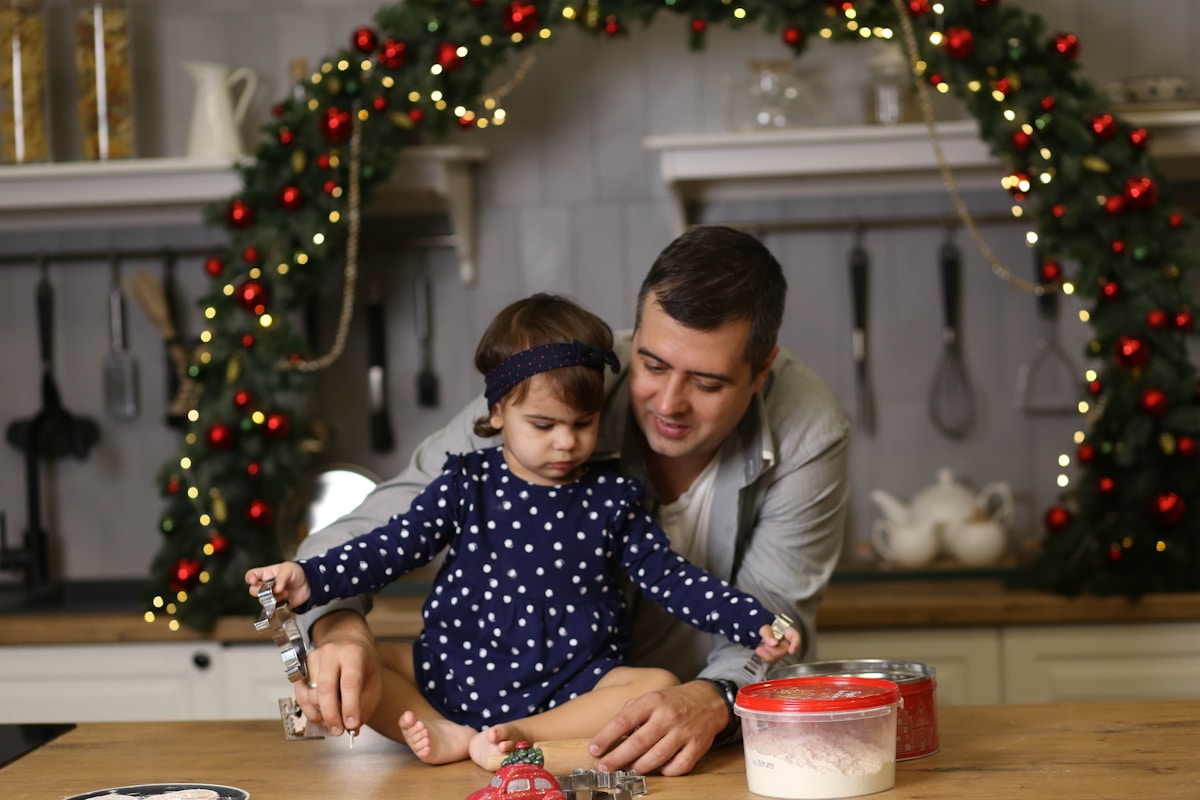
The timer on the oven beeps, a cheerful signal that dinner is ready. At the exact same moment, the baby starts to wail, your three-year-old spills their juice, and your six-year-old declares they are never eating chicken again. Sound familiar? My dear friend, you are not alone. This is the daily symphony of chaos that so many of us with little ones conduct, especially between the hours of 5 and 7 PM.
It’s so easy to feel like you’re failing when the beautiful family meal you imagined looks more like a disaster zone. But I’m here to tell you that the secret to a peaceful dinner isn’t a magic wand—it’s a change in perspective and a few clever tricks up your sleeve. The kitchen should be a place of joy, not a pressure cooker. Let’s work together to turn down the heat.
Acknowledge the Real Work (It’s Not Just Chopping!)
First, let’s give a name to that feeling of having a hundred tabs open in your brain at all times. It’s often called the “mental load.” It isn’t just the physical act of cooking; it’s remembering that you need to buy more milk, that the six-year-old has decided he hates carrots this week, that the toddler will only eat star-shaped sandwiches, and that the baby needs to be fed right now. This invisible work is exhausting, and it’s the number one reason dinnertime can feel so overwhelming.
When you understand that you’re juggling a dozen mental tasks in addition to a hot pan, you can give yourself a little grace. You’re not just making dinner; you’re managing the emotional, nutritional, and logistical needs of your entire family. That’s a superhero-level job, and it’s okay if your cape gets a little splattered with tomato sauce.
The ‘Before 5 PM’ Game Plan
The absolute best trick I have for a calmer evening is to do as much as you can before the storm hits. That late afternoon witching hour is not the time to be attempting a complicated recipe for the first time. (Trust me on this one.)
- Naptime Prep is Your Best Friend: When the little ones are asleep, use just 15-20 minutes to get ahead. Chop the onions, wash and tear the lettuce, measure out your spices into a little bowl, or brown the ground beef. When 5 PM rolls around, having these tasks done feels like a gift from your past self.
- Embrace the Sheet Pan: My favorite weeknight meal for a busy family is a sheet pan dinner. It’s one pan to wash and requires very little active attention. A classic in our house is sausage and veggies. Just toss some sliced pre-cooked chicken sausage, broccoli florets, and cubed sweet potatoes with a little olive oil, salt, and pepper. Spread it on a baking sheet and roast at 400°F (200°C) for 25-30 minutes, until the veggies are tender and slightly crispy. It’s a complete, healthy meal with almost no effort.
- Let the Little Helpers Help: Your six-year-old is perfectly capable of setting the table with non-breakable plates and cutlery. Your three-year-old can help by ‘washing’ plastic veggies in a bowl of water or tearing up lettuce for a salad. It keeps them occupied, teaches them valuable skills, and gives them a sense of ownership over the meal.
Sharing the Load Without Keeping Score
If you have a partner, the dinner-and-bedtime rush is a team sport. Yet, it often becomes a source of tension when expectations aren’t clear. It’s rarely about one person not wanting to help; it’s usually about not knowing how to best jump in.
Instead of waiting until you’re completely overwhelmed, try having a calm conversation at a different time of day. You could say something like, “I’ve noticed that from 5:30 until the kids are in bed is really tough. Could we try a new system? If you could be in charge of playing with the kids and handling any meltdowns while I finish dinner, it would be a huge help.” This isn’t about placing blame; it’s about solving a problem together. A common strategy that works wonders is the “handoff.” When one parent gets home, they immediately take over childcare, giving the other parent 20-30 minutes of uninterrupted time to finish cooking.
Redefining What ‘Success’ Looks Like
Let’s be honest: a gourmet meal that everyone eats quietly while discussing their day is not a realistic goal for a family with a baby and two young children. We need to redefine success. Some nights, a successful dinner means everyone ate something. Some nights, it means the kitchen isn’t a total disaster zone. And some nights, success is simply that you, the parent, got to sit down for five whole minutes.
Here’s a practical kitchen hack for this: the “Deconstructed Dinner.” Instead of a mixed casserole your toddler might reject, serve the components separately on a platter. For example, put out small bowls of shredded chicken, black beans, corn, shredded cheese, and some tortilla chips or soft tortillas. The kids get to build their own meal, which they love, and you didn’t have to cook anything complicated.
The Magic of an ‘After-Bedtime’ Meal
Sometimes, the most peaceful thing you can do is to stop trying to have a perfect family meal together. Feed the kids something simple and early—mac and cheese, scrambled eggs, or that deconstructed plate. Focus on getting them fed, bathed, and into bed.
Then, and only then, you and your partner can have your dinner. It doesn’t have to be fancy. It can be the exact same food the kids ate, but you get to eat it while it’s still hot. You get to have an adult conversation. This small act of reclaiming your evening can do wonders for your sanity and your relationship. It turns mealtime from a stressful chore back into a moment of connection and nourishment for you, too. Because you deserve to enjoy your food, and your kitchen, just as much as anyone else.


