You know the feeling. You picked up a few extra bundles of oregano at the farmer’s market, or your garden thyme has gone wild. Suddenly you are staring down a mountain of fragrant leaves and a sinking feeling that they will be slimy in two days. Take a breath. That surplus of oregano and thyme is not a problem to stress over — it is an opportunity to stock your pantry with flavor for months. The key is knowing which preservation method works best for each herb and your cooking style. Let me walk you through the top techniques, from the easiest to the most versatile, so you can rescue every last leaf.
Why Fresh Herbs Wilt So Fast
Fresh herbs like oregano and thyme are delicate. They are packed with water and volatile oils that give them their punchy flavor. Once picked, they continue to respire and lose moisture. Refrigeration slows this down but does not stop it. Within a week, leaves start to brown and turn limp. That is why we need to act quickly. The good news is that both oregano and thyme are sturdy herbs with low moisture content compared to basil or mint. This makes them ideal candidates for drying and freezing. They hold onto their essential oils remarkably well when processed correctly.
Drying: The Classic and Simplest Method
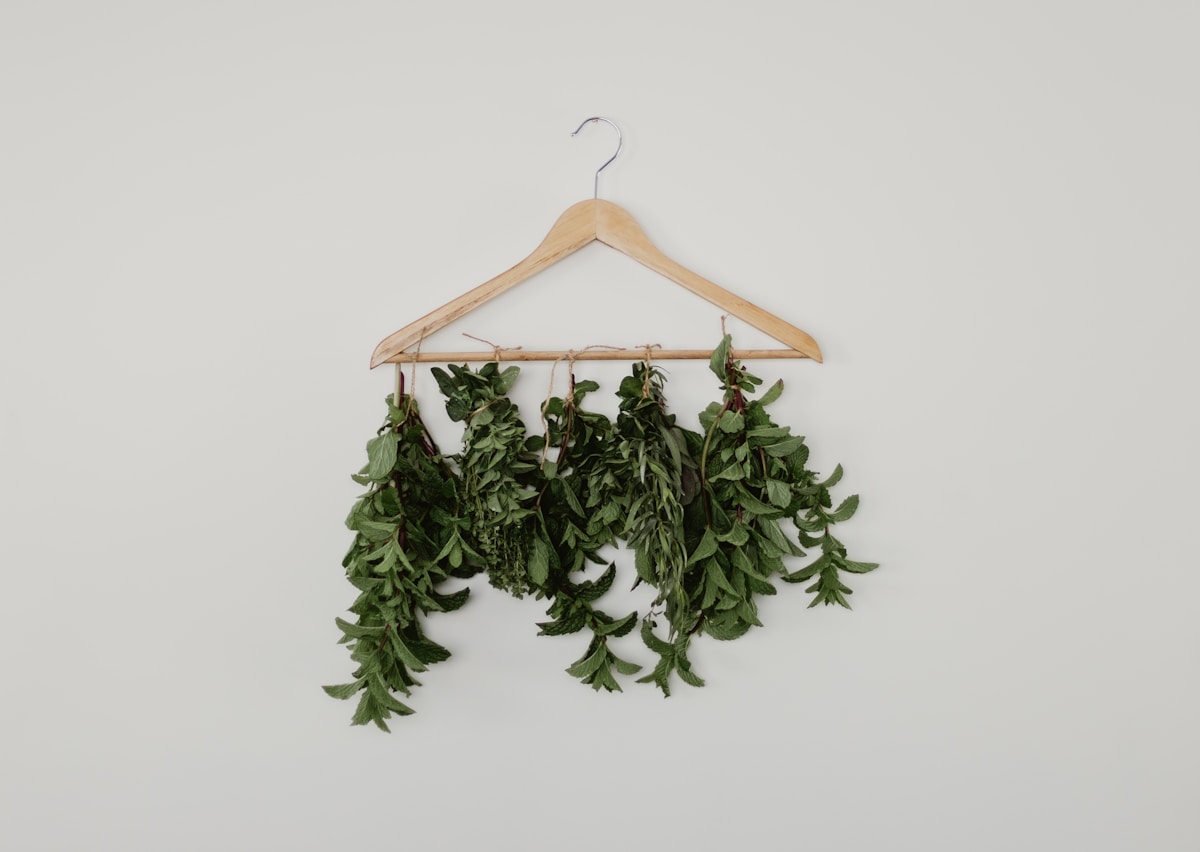
Drying is the oldest trick in the book, and for good reason. Oregano and thyme actually develop a more concentrated, slightly sweeter flavor when dried. The method is almost effortless. For small bunches, simply tie the stems together with kitchen twine and hang them upside down in a warm, dark, well-ventilated area. A spare closet or a corner of the kitchen away from direct sunlight works perfectly. Leave them for one to two weeks until the leaves crumble easily between your fingers. If you want faster results, a food dehydrator is your best friend. Set it to 95°F (35°C) and spread the leaves (removed from stems) in a single layer on the trays. They should be crisp in about two to four hours. You can also use your oven on the lowest setting (usually around 150°F or 65°C) with the door cracked open, but check every 15 minutes because ovens are not very precise. Once dry, store the whole leaves in an airtight jar away from light. Crumble them just before using for maximum aroma. One practical tip: leave the leaves on the stems until you are ready to use them — the oils stay locked in longer.
Freezing for a Just-Picked Taste
If you love the bright flavor of fresh herbs in soups, stews, or sauces, freezing is your best bet. Drying changes the flavor profile, but freezing preserves the original herb taste remarkably well. The classic method is to chop the herbs finely, pack them into ice cube trays, and cover with olive oil or water. Use about one tablespoon of chopped herb per cube. Freeze solid, then pop the cubes out and store them in a zip-top freezer bag. You can grab a cube anytime to add instant herb flavor to your cooking. For oregano and thyme, olive oil cubes are fantastic because they double as a flavor base for sautéing. Another method: spread clean, dry leaves on a baking sheet in a single layer and freeze for an hour. Then transfer to a freezer bag. This gives you loose leaves you can sprinkle directly into dishes. The frozen herbs will last six to nine months without losing much punch. A quick note: do not bother thawing before using — just drop them straight into the hot pan.
Herb-Infused Vinegar: Bright and Long-Lasting
Infused vinegar is an elegant way to preserve fresh herbs while creating a versatile kitchen staple. Oregano and thyme work beautifully because their robust flavors stand up to the acidity. Start with a clean glass jar — a pint-size Mason jar works great. Fill it about halfway with fresh herb sprigs (rinsed and dried). Warm a cup of white wine vinegar or apple cider vinegar gently in a saucepan (do not boil). Pour the warm vinegar over the herbs, seal the jar, and let it steep for two weeks in a cool, dark place. Shake it gently every few days. After two weeks, strain out the herbs and transfer the vinegar to a clean bottle. You now have a flavorful vinegar that keeps for months at room temperature. Use it in salad dressings, marinades, or drizzle over roasted vegetables. It is a gift that keeps giving. (Your future self will thank you when you reach for that bottle in January.)
Herb Paste: The Instant Flavor Bomb
Think of herb paste as a cross between pesto and frozen cubes. It is incredibly handy and freezes beautifully. In a food processor, combine two cups of packed fresh oregano and thyme leaves (stems removed), two cloves of garlic, a pinch of salt, and enough olive oil to make a thick paste. You can also add a tablespoon of lemon juice or a handful of pine nuts for variation. Pulse until smooth, scraping down the sides as needed. Spoon the paste into ice cube trays and freeze. Once solid, transfer the cubes to a freezer bag. Each cube is roughly a tablespoon of concentrated herb flavor. Drop one into pasta sauce, spread on bread before toasting, or stir into yogurt as a dip. This method is a favorite of home cooks who want to use up large quantities quickly. It takes ten minutes of prep and gives you a year’s supply of instant flavor. (Trust me, this is the one you will use most often.)
A Simple Tip to Get Started Tonight
You do not need a dehydrator or fancy equipment to begin preserving your herbs. Pick one method that matches the time and tools you have right now. If you have an hour, make a batch of herb paste and freeze it in cubes. If you have five minutes, hang a bundle of oregano in your kitchen to dry. If you have a spare jar, start a vinegar infusion. The important thing is to act before the herbs go bad. Even if you only salvage half of what you have, that is a win. Every dried leaf or frozen cube is a little piece of summer saved for a cozy winter meal. So go ahead, grab that bundle of thyme and give one of these methods a try. You will be amazed at how easy it is to turn a kitchen crisis into a long-lasting pantry treasure.