I once read a post online about someone’s coworker who brought a homemade dip to the office potluck. It was supposed to be pico de gallo, but something was… off. It was missing the key ingredient: lime juice. The person described the aroma as “alarming,” and the taste as just a bland, sad pile of chopped vegetables.
We’ve all been there, right? You’re halfway through a recipe, and you realize you’re missing one little thing. Your brain immediately asks, “How important can it really be?” When you’re looking at a bowl of fresh, beautiful chopped tomatoes, onions, and cilantro, it’s easy to think that a little squeeze of citrus can’t possibly be a dealbreaker.
But I’m here today, as your friendly kitchen guide, to tell you a little secret: in pico de gallo, the lime isn’t just a suggestion. It’s not a garnish. It’s the heart and soul of the entire dish. Skipping it is like trying to build a beautiful house without any nails — you might be able to pile the pieces together, but it just won’t hold up.
So, let’s pull back the curtain and understand the culinary magic that happens in that bowl. Because once you know the why, you’ll never look at a humble lime the same way again.
The Three Magical Jobs of Lime Juice
Think of lime juice as the ultimate multi-tasker in your kitchen. It’s not just there to add a sour taste; it’s working hard behind the scenes as a flavor conductor, a freshness guardian, and a texture transformer. It’s doing three critical jobs all at once.
Job 1: The Flavor Conductor
Imagine an orchestra. The sweet, ripe tomatoes are the violins. The sharp, pungent onion is the cello section. The fresh, herbaceous cilantro is the flute, and the spicy jalapeño is the percussion. They’re all wonderful on their own, but if they all start playing at once without direction, you get chaos, not music.
The lime juice is the conductor. Its bright acidity is the baton that brings all those individual flavors together into a perfect, balanced harmony. It cuts through the raw bite of the onion, mellowing its harshness. It enhances the natural sweetness of the tomatoes, making them taste even more tomato-y. It provides a zesty counterpoint to the cilantro and the heat of the chili. Without that acidic brightness, the flavors fall flat. The onion tastes too strong, the tomato tastes one-dimensionally sweet, and the whole thing just feels… disjointed.
Job 2: The Freshness Guardian
Pico de gallo literally translates to “rooster’s beak,” and it’s also called salsa fresca—fresh salsa. The key word here is fresh. And lime juice is the number one protector of that freshness.
Have you ever cut an apple or an avocado and watched it turn brown in a matter of minutes? That’s a process called oxidation. It’s a natural chemical reaction that happens when the flesh of the fruit or vegetable is exposed to oxygen. The same thing happens to your pico de gallo ingredients!
The citric and ascorbic acid (that’s Vitamin C!) in lime juice are powerful antioxidants. When you toss your ingredients in lime juice, you’re essentially creating a protective shield around them. This shield dramatically slows down the oxidation process, keeping your tomatoes vibrant red, your cilantro bright green, and the whole dish looking and tasting fresh for much longer. It also creates a more acidic environment, which is less hospitable to bacterial growth, making your salsa safer to enjoy over a couple of days. (Your future self, reaching for leftovers, will thank you.)
Job 3: The Texture Tenderizer
This might be the most surprising job of all. Lime juice actually “cooks” the ingredients in a way. This gentle, no-heat cooking process is called maceration.
The acid in the lime juice begins to break down the tough cell walls of the onion and jalapeño. This does two amazing things. First, it tenderizes them, taking away that raw, crunchy, and sometimes aggressive bite. The onion becomes softer and more pleasant to eat. Second, it causes all the ingredients to release some of their natural juices. This is what creates that lovely, slightly saucy consistency where all the flavors meld and marry into one cohesive salsa. Without maceration, you just have a dry mix of chopped vegetables. With it, you have a true salsa fresca.
My Go-To Classic Pico de Gallo Recipe
Reading about it is one thing, but tasting the difference is everything. This recipe is simple, classic, and it highlights the perfect technique for letting the lime juice work its magic. The secret is adding it to the onions first!
What You’ll Need:
- 4-5 ripe Roma tomatoes (they have fewer seeds and less water, which is ideal)
- 1/2 a large white onion
- 1 jalapeño
- 1/2 cup fresh cilantro, loosely packed
- Juice of 1-2 large, juicy limes (always start with one)
- 1/2 teaspoon kosher salt (plus more to taste)
Step-by-Step Instructions:
-
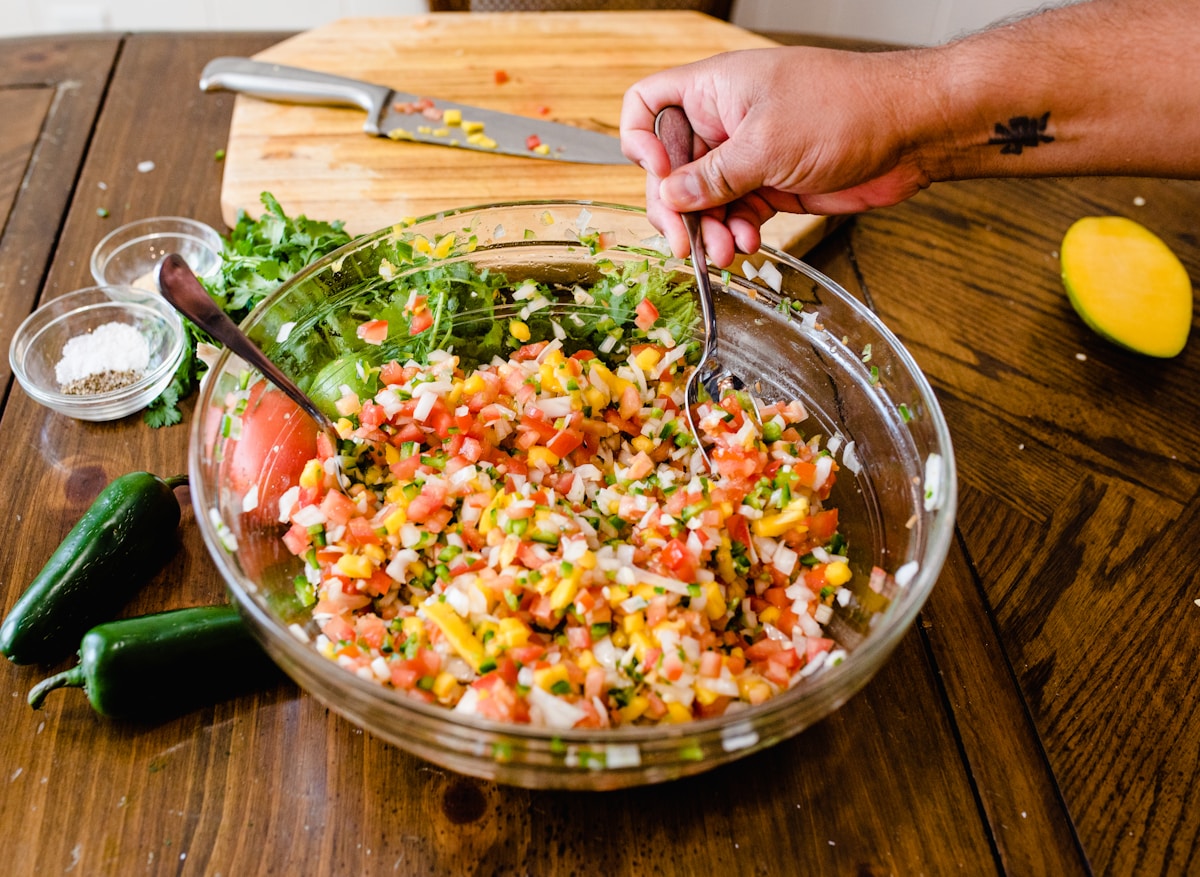
Prep is Everything: The key to great pico is a uniform dice. Aim for small, ¼-inch pieces for the tomato and onion. A sharp knife is your best friend here! For the jalapeño, I recommend removing the seeds and the white ribs inside if you want flavor without overwhelming heat. Mince it as finely as you can.
-
The Secret Maceration Step: In a medium bowl, combine your finely diced white onion, minced jalapeño, the juice of ONE full lime, and the 1/2 teaspoon of salt. Stir it all together and let it sit on the counter for 10-15 minutes. This is where the magic begins! The acid will start to soften that raw onion bite and pull out its flavor.
-
Add the Heroes: While the onion mixture is sitting, dice your tomatoes and chop your cilantro. After 10-15 minutes have passed, add the tomatoes and cilantro to the bowl with the onions.
-
Gently Combine: Use a spoon to gently fold everything together. You don’t want to mash the tomatoes. You’re just introducing everyone.
-
Taste and Adjust: This is the most important step. Grab a chip (your official tasting spoon!) and take a bite. Does it taste alive? Does it need more salt to make the flavors pop? Is it bright enough, or does it need the juice from that second lime? Trust your own taste buds. Add a little more of what you think it needs, stir, and taste again. This is how you become a confident cook!
-
Let It Rest: If you can stand it, cover the bowl and let the pico de gallo rest in the refrigerator for at least 30 minutes before serving. This gives all those amazing flavors time to get to know each other and truly meld.
The “I Ran Out of Limes” Emergency Guide
Okay, so what if you really don’t have a lime? Does it mean all hope is lost? Not entirely, but we have to tread carefully. Think of these as last-resort options, not perfect swaps.
-
Best Substitute: Fresh Lemon Juice. Lemon juice will provide the necessary acidity to do the jobs of preserving and tenderizing. However, the flavor will be noticeably different. Lemon is a straightforward sour, whereas lime has a more complex, floral, and zesty profile that is classic for this dish. It’ll work, but it won’t be quite the same.
-
Last Resort: A Splash of Vinegar. If you have no fresh citrus at all, a tiny splash of a very light-colored, mild vinegar like white wine vinegar or apple cider vinegar can provide the acid. I mean tiny, like half a teaspoon. Taste it immediately. It can quickly overpower the fresh flavors, so this is a true kitchen emergency option only.
-
What to Avoid: Definitely do not use dark or potent vinegars like balsamic or red wine vinegar. Their flavors are far too strong and will completely ruin the fresh character of the dish.
Try This Tonight
Confidence in the kitchen comes from understanding these little “whys.” It’s not about perfectly memorizing a million recipes; it’s about learning how a handful of ingredients and techniques work together to create something delicious.
Here’s my challenge to you: you don’t need a party or a big occasion. Make a small, half-batch of this pico de gallo just for yourself tonight. Maybe you spoon it over a simple scrambled egg for dinner, or pile it onto a piece of toast. As you eat it, pay close attention to the flavor. Notice how the lime isn’t just sour—it’s bright. It’s the spark that makes everything else taste more like itself. It’s a small dish, but it teaches a huge lesson.