


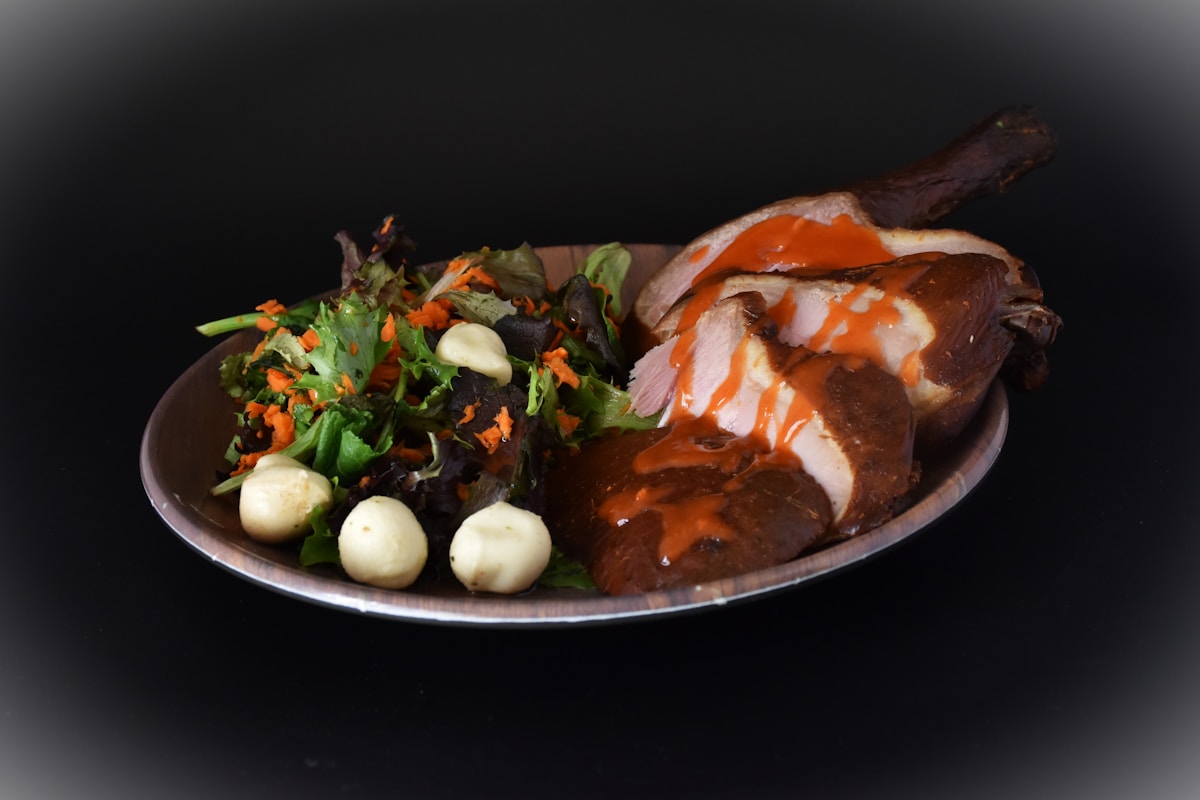
You’re standing at the butcher counter, feeling adventurous. Tonight is the night for a magnificent roast duck, the kind with glistening, crispy skin and succulent meat that falls off the bone. But then you see the options laid out before you: a plump, pale bird labeled “Pekin Duck” and a leaner, darker one called “Muscovy Duck.” They both look promising, but you can tell they’re worlds apart. Which one do you choose?
This isn’t just a simple choice between two brands; it’s a decision that will shape your entire cooking process and the final dish that lands on your table. As someone who believes every ingredient tells a story, I’m here to tell you that these two ducks tell very different, equally delicious tales. Let’s journey together into the world of duck to discover which one is destined for your roasting pan.
Meet the Pekin The Champion of Crispy Skin
When most people in the United States picture a classic roast duck, they are, knowingly or not, picturing a Pekin duck. Often marketed as “Long Island Duck,” this variety is the undisputed heavyweight champion of the American duck scene. Its story is one of crowd-pleasing flavor and unforgettable texture.
The first thing you’ll notice about a Pekin is its build. It’s a generously proportioned bird with a thick, beautiful layer of creamy white subcutaneous fat. Now, don’t let the word “fat” scare you. In the world of Pekin duck, fat is not a flaw; it is its single greatest feature. This is the magic ingredient that guarantees a moist, flavorful result every time.
During a slow roast, this glorious fat layer renders down, continuously basting the meat from the outside in. It’s a natural, built-in system for preventing the lean muscle from drying out. As the fat melts away, it performs its second miracle: crisping the skin to a shatteringly delicate, golden-brown perfection. The sound of a knife cracking through perfectly rendered Pekin skin is one of the most satisfying in the entire kitchen.
Flavor-wise, Pekin duck is mild, tender, and approachable. It lacks the strong, gamey notes that can sometimes be associated with waterfowl, making it the perfect gateway duck for anyone who is trying it for the first time. It carries other flavors beautifully, whether you opt for a simple salt-and-pepper seasoning or a more complex orange and star anise glaze.
Best For: Classic whole-roast preparations, holiday feasts, and any recipe where that incredibly crispy skin is the star of the show. It’s forgiving for beginners and a reliable showstopper for experienced cooks.
Meet the Muscovy The Rich and Beefy Contender
Now, let’s turn our attention to the Muscovy. This bird is a different animal entirely. Originating from South America, the Muscovy is leaner, with a thinner layer of skin and a higher ratio of meat to bone. It has the athletic build of a runner compared to the Pekin’s more robust physique.
This leaner composition directly translates to its flavor and texture. Muscovy meat is a deep, dramatic red, firm in texture, and possesses a rich, complex flavor that is often compared to high-quality veal or even lean beef. This is the duck for the steak lover, the diner who craves a more assertive, sophisticated taste. It’s less about the fatty crisp of the skin and all about the deep, savory character of the meat itself.
But this lean nature comes with a challenge. Without that thick, insulating layer of fat, Muscovy meat, particularly the breast, is prone to drying out if overcooked. It demands more precision and a different cooking philosophy. You simply cannot treat a Muscovy like a Pekin and expect the same results. It asks for a quicker cooking time and a careful eye on temperature.
Best For: Pan-searing the breast to a perfect medium-rare. Its robust flavor stands up well to bold sauces, like a cherry or red wine reduction. It’s the choice for a refined, elegant meal where the meat is the undisputed star.
The Roasting Showdown A Practical Guide
So, how do these differences play out in the roasting pan? Let’s get practical. The method you choose should honor the unique qualities of each bird.
How to Roast a Pekin Duck for Flawless Skin:
- Preparation is Key: Your journey to crispy skin begins a day ahead. Unpack your duck, remove the giblets from the cavity, and pat it thoroughly dry with paper towels. Place it on a rack over a tray and let it air-dry, uncovered, in the refrigerator for at least 8 hours, or ideally overnight. This step is non-negotiable for the crispiest possible skin.
- Score and Season: Before roasting, use a very sharp knife to score the skin over the breast and thighs in a diamond pattern. Be very careful to only cut through the skin and fat, not into the meat beneath. This allows the fat to render out more easily. Prick the skin all over with a fork (again, avoiding the meat). Season it generously, inside and out, with coarse salt and black pepper.
- The Two-Temperature Roast: Preheat your oven to 400°F (200°C). Place the duck on a rack in a roasting pan and roast for 30 minutes. This initial blast of high heat begins the crucial rendering process. After 30 minutes, reduce the oven temperature to 325°F (165°C) and continue to roast for another 1.5 to 2 hours, depending on its size. The duck is done when an instant-read thermometer inserted into the thickest part of the thigh (without touching bone) registers 165°F (74°C).
Kitchen Hack: About halfway through roasting, you will notice a significant amount of clear, liquid fat has collected in the pan. This is culinary gold! Carefully pour this rendered duck fat into a heatproof jar and save it. It is the absolute best fat for roasting potatoes, sautéing vegetables, or making savory pastries. (Trust me, your roast potatoes will never be the same.)
The Muscovy Roasting Conundrum:
Whole-roasting a Muscovy is a much trickier proposition. Because the breasts are so lean, they will be overcooked and dry long before the tougher leg meat becomes tender. It’s a culinary compromise that often satisfies no one.
For this reason, I and many other cooks believe the best way to handle a whole Muscovy is to break it down. You can roast the legs and carcass low and slow (or even confit the legs), then cook the prized breasts separately and perfectly.
However, if you’re set on pan-searing the breast (the best method), here’s how:
- Score and Season: Lightly score the thin skin on the Muscovy breast. Pat it very dry and season with salt and pepper.
- The Cold Pan Start: Place the breast skin-side down in a cold, dry skillet. (Yes, really.) Place the skillet over medium heat. This allows the fat to render slowly and evenly without the meat overcooking. Let it cook, undisturbed, for 6-8 minutes, until the skin is a deep golden brown and very crisp.
- Flip and Finish: Flip the breast and sear the other side for just a minute or two. To finish, you can transfer the entire pan to a 400°F (200°C) oven for 3-5 minutes. You are aiming for an internal temperature of 135°F (57°C) for a perfect medium-rare.
- Rest is Best: Let the breast rest for at least 10 minutes before slicing thinly against the grain. This is critical for keeping it juicy.
The Verdict Which Duck Wins Your Dinner Plate?
After exploring their unique stories and cooking needs, the choice becomes much clearer. There is no single “better” duck, only the “right” duck for the meal you want to create.
You should choose Pekin duck if:
- Your primary goal is that legendary, shatteringly crispy skin.
- You are roasting the bird whole for a celebratory or family-style meal.
- You or your guests prefer a milder, more delicate flavor profile.
- You are new to cooking duck and want a more forgiving and straightforward experience.
You should choose Muscovy duck if:
- You crave a deep, rich, red-meat flavor akin to steak or veal.
- You prefer leaner meat and are less concerned with fatty, crispy skin.
- You plan to break the bird down or are specifically cooking the breast, likely pan-seared.
- You are a confident cook who enjoys precision and temperature control.
The Pekin tells a story of comforting, festive abundance. The Muscovy tells a tale of elegant, cheffy refinement. Both are wonderful, but they speak different culinary languages. By understanding them, you can choose the right one to tell the perfect story on your plate.

