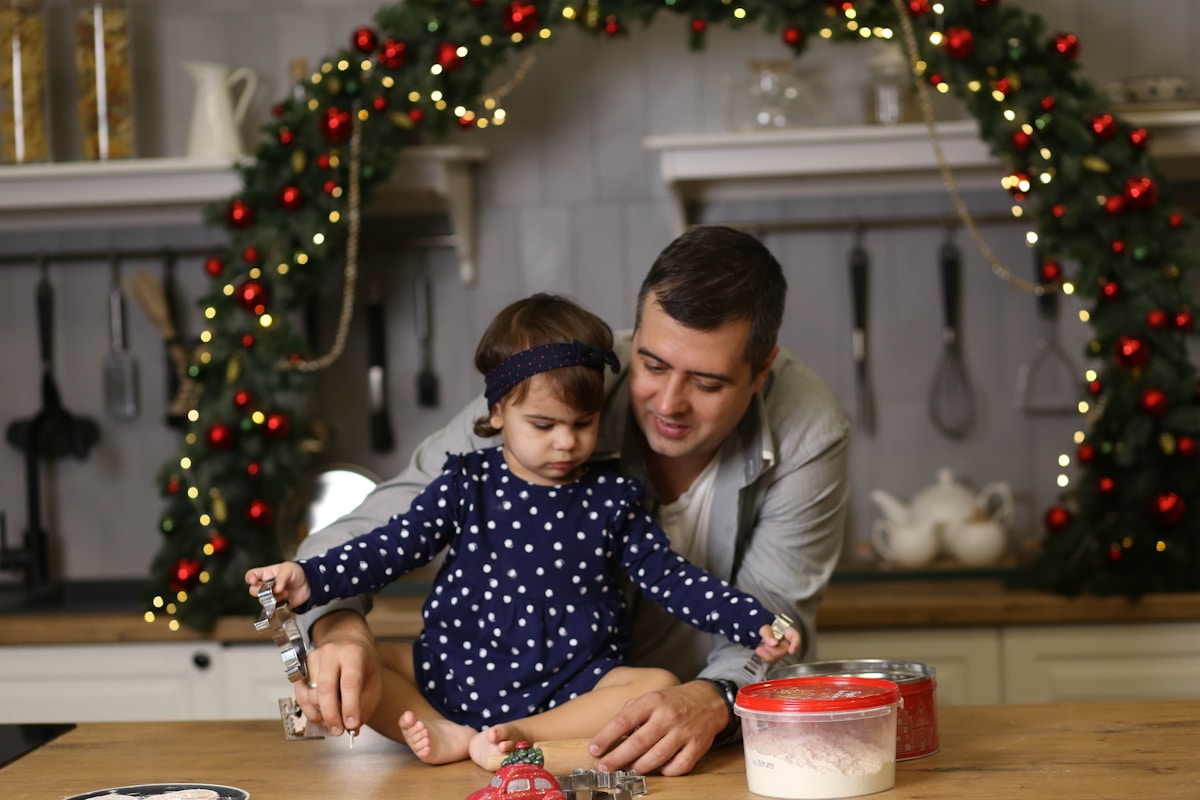
It’s 5:30 PM. The baby is starting to fuss, your four-year-old just declared the floor is lava (and the kitchen island is base), and the oldest is asking for the hundredth time what’s for dinner. You look at your partner, who just walked in from work, and you both have that same tired, slightly panicked look. The kitchen, which is supposed to be the heart of the home, feels more like the center of a storm. Whose turn is it to cook? Who is on cleanup? And who is going to find the matching lid for that food container?
If this sounds familiar, take a deep breath. You are not alone. Managing a kitchen with three children under the age of six can feel like a relentless, thankless job. But I’m here to tell you that it doesn’t have to be a source of constant stress and arguments. The kitchen can still be your family’s happy place. It just requires a little planning, a lot of grace, and a few tricks up your sleeve. Let’s roll up our sleeves together and find a better way.
Making the ‘Invisible’ Work Visible
One of the biggest sources of friction in any partnership is the “mental load”—that invisible, never-ending to-do list of planning, remembering, and organizing. In the kitchen, this looks like meal planning for the week, keeping a running grocery list, knowing that you’re almost out of oatmeal, and remembering that your oldest suddenly hates carrots.
When one person carries this load alone, it’s a recipe for burnout and resentment. The first step to sharing this work is to make it visible. Get it out of your head and into a shared space.
Our family’s game-changer was a large magnetic whiteboard on the side of the refrigerator. It became our kitchen command center. We divided it into three sections:
- This Week’s Meals: We list dinners for Monday through Friday. It’s not set in stone, but it gives us a roadmap. It completely eliminates the dreaded “what’s for dinner?” debate.
- Grocery List: Anyone who uses the last of the milk, eggs, or applesauce is responsible for writing it on the list. The kids love helping with this! Even a three-year-old can be told, “We’re out of bananas! Can you ask Daddy to draw a banana on the board?”
- Pantry/Freezer Inventory: This is a simple list of staples we have on hand, like pasta, rice, frozen veggies, and ground beef. It helps with meal planning and prevents us from buying things we already own.
By putting it all on the board, the planning becomes a shared team effort. It’s no longer one person’s secret knowledge; it’s the family’s plan. This simple act of writing things down creates transparency and invites collaboration before frustration even has a chance to bubble up.
Your Sunday Reset A Secret Weapon
I know what you’re thinking: “Beatrice, I don’t have time to spend my whole Sunday cooking!” And I’m not asking you to. I’m talking about a “Power Hour”—one dedicated hour on a Sunday afternoon where the whole family pitches in to get ahead of the week. Put on some fun music, get everyone an apron, and turn it into a family activity.
This isn’t about making five perfectly composed meals. It’s about prepping components to make weeknights easier. Here’s what our Power Hour often looks like:
- Wash and Chop Veggies: Carrots, celery, and bell peppers can be washed, chopped, and stored in glass Pyrex containers with a little water to keep them crisp. They’re ready for snacks, salads, or to be thrown into a stir-fry.
- Cook a Grain: Make a big batch of rice or quinoa. It can be a side dish one night and the base for a grain bowl another.
- Prep a Protein: This is the most important one! Brown some ground turkey, grill a few chicken breasts, or make a big batch of our family’s favorite Freezer-Friendly Meatballs.
Beatrice’s Freezer-Friendly Meatballs
This recipe is simple, forgiving, and perfect for little hands to help with.
-
Ingredients:
- 2 lbs ground beef or turkey (or a mix!)
- 1 cup plain breadcrumbs
- 1/2 cup grated Parmesan cheese
- 2 large eggs, lightly beaten
- 1/4 cup milk
- 2 cloves garlic, minced (or 1 tsp garlic powder if you’re in a rush)
- 1 tsp salt & 1/2 tsp black pepper
-
Instructions:
- Preheat your oven to 400°F (200°C) and line a large baking sheet with parchment paper. (This makes cleanup a breeze!)
- In a large bowl, combine all the ingredients. Now, for the fun part!
- Kid Job: Let your little ones (with clean hands, of course!) mix everything together. Squishing the meat mixture is a fantastic sensory activity. Yes, it’s messy. That’s okay! Just lay a splat mat or some newspaper on the floor.
- Teamwork: You and your older kids can roll the mixture into 1-inch balls and place them on the baking sheet.
- Bake for 18-20 minutes, or until cooked through and nicely browned.
- Let them cool completely. You can use half for dinner that night with some jarred marinara sauce and spaghetti, and freeze the other half on the baking sheet before transferring them to a freezer bag. On a busy night, you can just pull them out and reheat them. It feels like magic.
Defining ‘Done’ and Sharing the Load
A common issue I hear about is differing standards. One person’s “clean” is another person’s “still messy.” This is especially true in the kitchen, where crumbs multiply and dishes seem to appear out of thin air. Arguing over whether the counters have been properly wiped down is exhausting.
The solution? Stop making it subjective. Together, as a couple, create a simple checklist called the “10-Minute Kitchen Reset.” This is what needs to happen every single night before you both relax. It’s not about a deep clean; it’s about hitting the reset button so you don’t wake up to yesterday’s chaos.
Our list is stuck right on the fridge:
- All food put away.
- Dishes loaded into the dishwasher.
- Counters and stovetop wiped down.
- Sink is empty and wiped clean.
- High chairs/booster seats wiped down.
- Floor swept of major crumbs.
By defining “done,” you take the guesswork and judgment out of it. You can divide the tasks—one person clears, the other wipes—and it gets done twice as fast. It’s no longer about meeting one person’s expectations; it’s about completing the family’s shared list. (Your future self will thank you every single morning.)
Little Hands Can Be Big Helpers
It’s tempting to shoo small children out of the kitchen when you’re trying to get things done quickly. But inviting them in is one of the best investments you can make. It teaches them valuable life skills, makes them more adventurous eaters, and, believe it or not, can actually be helpful.
The key is to give them age-appropriate, safe tasks. This is where a sturdy learning tower or step stool becomes your best friend.
- For the 1-2 Year Old: Their job is mostly about exploration. Give them a bowl of water and some plastic measuring cups to “wash.” Let them stir a bowl of dry oatmeal with a wooden spoon while you work alongside them.
- For the 3-4 Year Old: They are ready for real tasks! They can tear lettuce for a salad, mash bananas for muffins with a fork, pour pre-measured ingredients into a bowl, and sprinkle cheese on top of a casserole.
- For the 5-6 Year Old: They can do even more. With supervision, they can use a kid-safe nylon knife to cut soft foods like bananas or mushrooms. They can help measure dry ingredients (using King Arthur Flour and a good set of measuring cups is a great way to teach fractions!), whisk eggs, and set the table.
Remember, the goal here isn’t perfection; it’s participation. Spills will happen. Flour will get on the floor. It’s all part of the process of raising capable, confident little helpers who see the kitchen as a place of creativity, not just a place of chores.
Kitchen Hacks for Surviving the Week
Even with the best plans, some weeks are just about survival. Here are a few of our go-to tricks for those extra-hectic days:
- Embrace the Slow Cooker: A Crock-Pot is a busy parent’s best friend. You can throw in a pork shoulder with some barbecue sauce in the morning and have pulled pork sandwiches ready for dinner. It’s one-pot cooking with minimal cleanup.
- Breakfast for Dinner: There is no shame in this game! Scrambled eggs, toast, and some fruit is a perfectly balanced, kid-pleasing meal that comes together in less than 15 minutes.
- The Snack Station: We keep a low drawer or a bin in the pantry filled with parent-approved snacks: granola bars, apple sauce pouches, whole-wheat crackers. When a child says “I’m hungry!” you can direct them to the snack station. It fosters independence and saves your sanity.
- The Double-Up Rule: If you’re making something that freezes well (soup, chili, lasagna), always make a double batch. Eat one now, and freeze the other for a future night when you have zero energy to cook. It’s a gift to your future self.
Ultimately, managing kitchen chaos isn’t about creating a perfectly organized, perpetually clean space. It’s about developing systems that reduce friction and create more time for what truly matters. It’s about trading arguments over who-does-what for teamwork in making meatballs. It’s about remembering that the messes made today are the memories you’ll cherish tomorrow. Because the kitchen really is where families grow together—one spilled cup of flour at a time.