


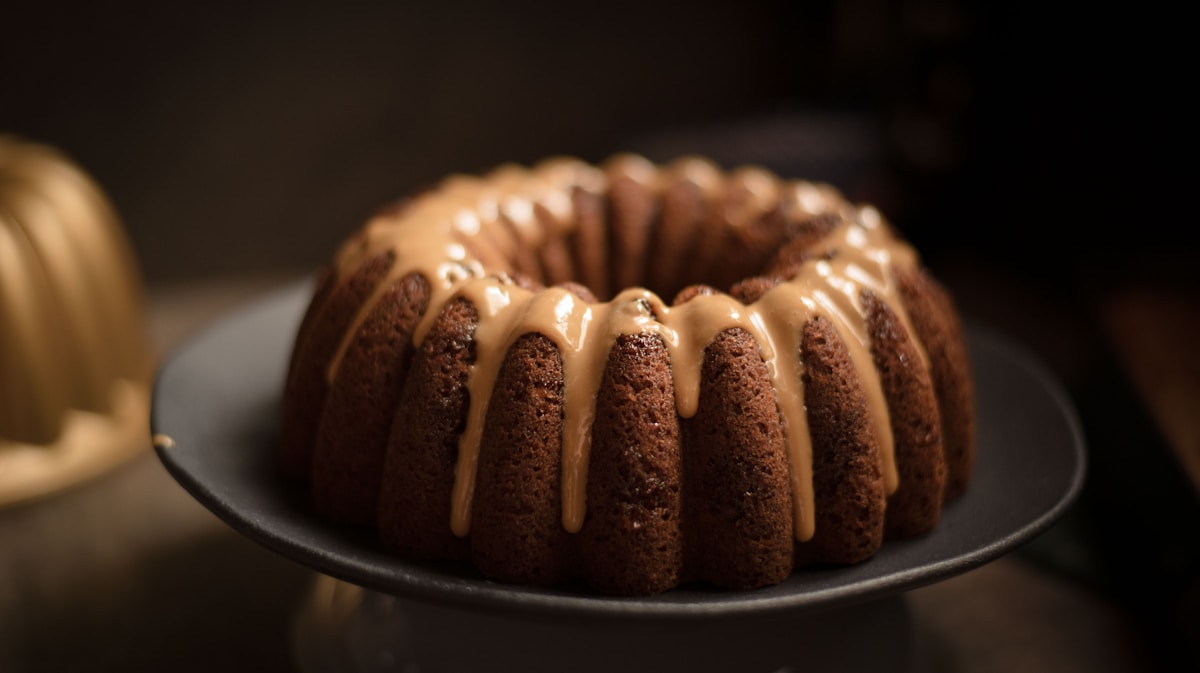
You pull the Bundt pan from the oven, the scent of Earl Grey and vanilla filling your kitchen. The recipe from Bake from Scratch promised a stunning London Fog Bundt cake with intricate ridges. You greased the pan thoroughly — or so you thought. You let it cool for the recommended 10 minutes before inverting. But when you flipped it, half the cake stayed glued to the pan, tearing apart that beautiful pattern. If this sounds familiar, you are not alone. A Reddit user shared this exact frustration in April 2025, and the r/Baking community rallied with solutions. The problem is not your baking skills; it is a combination of chemistry, pan preparation, and cooling physics. Let us break down exactly what went wrong and how to get that cake out in one piece every time.
The Science of Sticking: Why Bundt Pans Are Tricky
Bundt pans are designed with deep, intricate crevices that create elegant ridges and swirls on your cake. But those same nooks are perfect traps for batter. When you grease a pan, you create a thin barrier between the cake and the metal. However, if that barrier fails, proteins and sugars in the cake bond directly to the pan surface as they bake. The Maillard reaction and caramelization create strong adhesive forces. Additionally, if you use butter alone, the water content in butter (about 16-18%) turns to steam during baking. That steam can lift the batter away from the pan briefly, but as the cake cools, the steam condenses. This condensation creates a thin layer of moisture that actually helps the cake stick more, as the moisture rehydrates the cake’s surface and makes it tacky. The intricate ridges of a Bundt pan multiply the surface area, giving more opportunities for bonding. A standard round cake pan has a much lower risk because the sides are smooth and sloped. With a Bundt, every tiny crevice needs to be fully greased or you risk tearing.
The Real Mistake: Not Getting into Every Crevice
Most home bakers reach for a stick of butter, unwrap it, and smear it around the pan with a paper towel or their fingers. This works for a simple round pan, but for a Bundt, it is almost guaranteed to fail. Butter is soft, but it does not flow into narrow grooves unless you actively push it. Even if you think you covered everything, tiny air pockets remain in the deepest ridges. The same issue occurs with cooking sprays that contain lecithin — they can miss spots if you do not tilt the pan and spray from multiple angles. The gold standard recommended by the r/Baking community and professional bakers is a homemade cake release, often called “goop.” It is a simple mixture of equal parts all-purpose flour, vegetable oil, and shortening (or butter). For example, use 1 cup each of flour, oil, and shortening. Whisk until smooth, then store in an airtight container in the fridge for up to 6 months. Apply it with a pastry brush, working it into every groove. The flour in the release creates a physical barrier that sticks to the pan, while the fats prevent the cake from bonding. The result is a non-stick surface that works better than any commercial spray. King Arthur Flour recommends this method for intricate pans. I use a small silicone pastry brush — the bristles are flexible enough to get into the tightest corners. For extra insurance, after brushing on the release, you can dust the pan lightly with flour and tap out the excess, though the goop already contains flour.
Cooling Time: The 10-Minute Trap
The Bake from Scratch recipe called for cooling the cake in the pan for 10 minutes before inverting. The Reddit user followed that advice, but it backfired. Why? Because cooling time is a delicate balance. If you turn the cake out too soon, it is too fragile and may collapse or break. If you wait too long, condensation forms. When a hot cake sits in a pan, it continues to release steam. The pan itself cools faster than the cake. As the metal pan drops below the dew point of the surrounding air, moisture from the cake’s steam condenses on the pan walls. That thin film of water rehydrates the cake’s surface, making it sticky and prone to tearing. Ten minutes is often on the edge of this condensation zone, especially if your kitchen is humid. The general rule for Bundt cakes is to cool in the pan for only 5 to 10 minutes — but err on the shorter side. Start checking at 5 minutes. If the pan is still very hot to the touch, you can wait a minute or two more. But if the pan feels warm but not hot, invert immediately. The internal temperature of the cake should still be around 160-170°F (71-77°C) when you turn it out; lower than that and it risks sticking. Use an instant-read thermometer inserted halfway into the cake (avoid the center tube) to gauge. I aim for 165°F (74°C) as the sweet spot.
How to Properly Grease a Bundt Pan: Step-by-Step
Start with a clean, dry pan. Even a trace of old oil can become gummy. If your pan is non-stick, be extra careful — non-stick coatings can degrade over time and become less effective. For best results, use a heavy-gauge aluminum or cast-iron Bundt pan (like Nordic Ware or Lodge). Here is the method: 1) Prepare your homemade cake release at least 15 minutes ahead so it is at room temperature. 2) Dip a pastry brush into the goop and paint the entire interior of the pan, working the brush into every crevice. Pay special attention to the center tube and the ridges near the bottom. 3) Hold the pan up to the light and check for any missed spots. They will look dry. Rebrush those areas. 4) If you want extra insurance, dust the gooped pan with a tablespoon of flour, then tilt and tap to coat evenly. This creates a double barrier. 5) Fill the pan with batter and bake as directed. When the cake is done, let it rest on a wire rack for exactly 5 minutes. Then place a cooling rack or serving plate on top, invert the pan, and lift it off gently. If it resists, do not force it — let it sit inverted for another minute or two, then try again. The weight of the cake often helps it release.
Common Troubleshooting: When Things Still Go Wrong
Even with perfect prep, issues arise. If your cake still sticks, check your recipe for high sugar or moisture content. London Fog cakes often use tea-soaked milk, which adds extra liquid. A wetter batter can create more steam and increase sticking risk. Consider reducing the milk by a tablespoon or adding an extra tablespoon of flour to compensate. Another culprit is overmixing, which develops too much gluten and makes the cake dense and more likely to tear. Mix until just combined. If your pan is old or scratched, replace it. Scratches provide anchor points for batter to grip. Finally, if you are baking at high altitude, adjust your recipe accordingly — lower air pressure affects evaporation and can change how the cake releases. You can also try freezing the cake in the pan for 20 minutes before turning out (yes, really). The rapid cooling prevents condensation and firms the cake. I have used this trick with success on sticky lemon Bundts.
The Perfect London Fog Bundt: A Quick Recipe Check
To make sure the cake itself is not the issue, here is a baseline for the Earl Grey batter. Cream 1 cup unsalted butter (227g) with 1.5 cups granulated sugar (300g) until light. Beat in 3 large eggs one at a time. In a separate bowl, whisk 3 cups all-purpose flour (360g), 1 tsp baking powder (4g), 1/2 tsp salt (3g). In a small saucepan, heat 1 cup whole milk (240ml) with 4 Earl Grey tea bags until steaming, then steep for 5 minutes and remove bags. Add the tea-infused milk alternately with the dry ingredients to the butter mixture, beginning and ending with flour. Stir in 1 tsp vanilla extract (5ml). Bake in a prepared Bundt pan at 350°F (175°C) for 45-55 minutes, until a skewer comes out clean. Cool in pan 5 minutes, then invert. For the glaze, whisk 1 cup powdered sugar (120g) with 2 tbsp milk and a dash of vanilla. Drizzle over the cooled cake. This recipe yields a moist but sturdy crumb that releases well if your pan is prepped correctly. (Your future self will thank you for making the goop ahead.)
Final Tips for Stress-Free Bundt Baking
Invest in a quality Bundt pan — Nordic Ware’s Classic Bundt Pan ($30-$40) is a favorite because of its thick cast-aluminum construction that heats evenly. Avoid thin, cheap pans that create hot spots. Always use a homemade cake release for intricate shapes; it is cheaper than commercial sprays and far more reliable. Keep a dedicated pastry brush for greasing only — the oils will linger and affect other uses. And remember the 5-minute rule: cool the cake in the pan for no more than 5 to 10 minutes, and invert when the pan is still warm. If you follow these steps, your London Fog Bundt will release with every ridge intact, ready to be admired and devoured. Baking is chemistry you can eat — and understanding the why makes the results predictable and satisfying.


