I was chatting with a friend the other day, and he was telling me about the moment his son finally learned to ride his bike without training wheels. The wobble, the determined look, the sudden burst of speed, and that triumphant grin—he said he’d carry that memory in his heart forever. It got me thinking about my own kitchen, and the ‘firsts’ that happen right here among the flour dust and simmering pots.
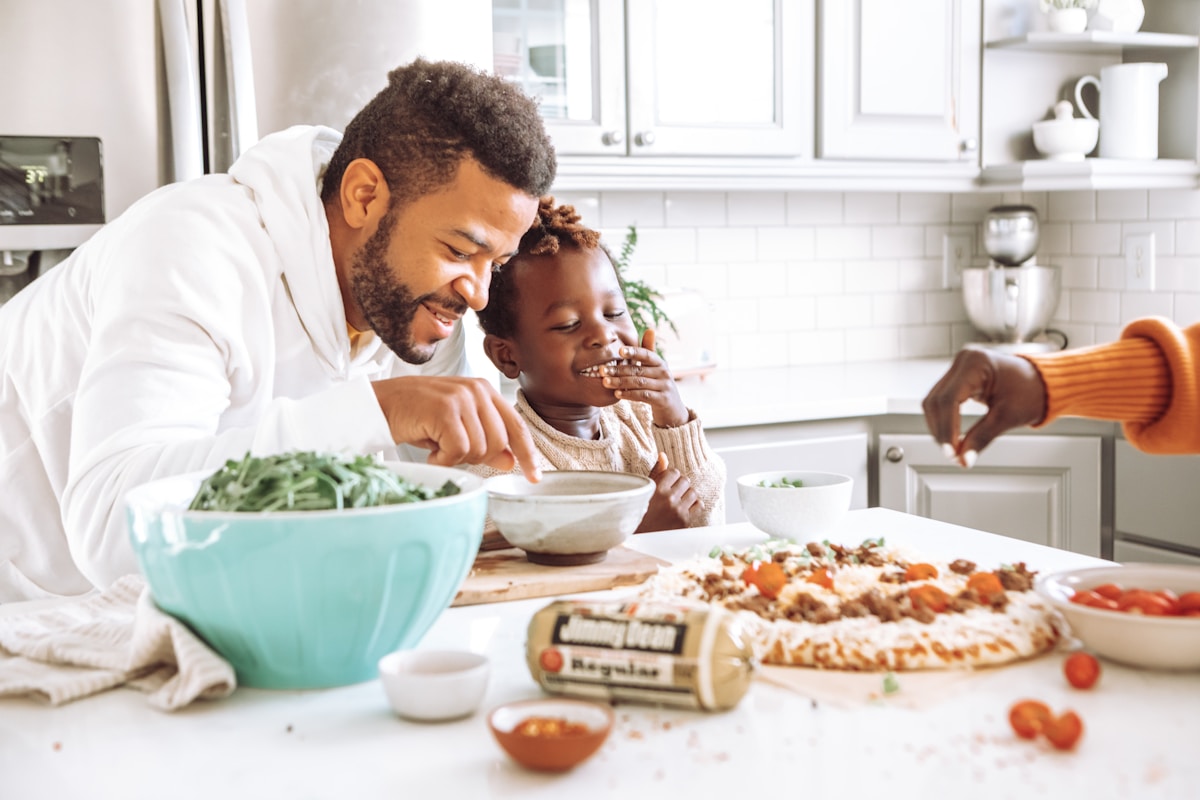
We often think of these big life milestones as happening outdoors, but I believe some of the most powerful core memories are quietly built over a mixing bowl. Teaching a child to cook isn’t just about feeding them; it’s about giving them a gift of confidence, a practical life skill, and a shared experience that says, “We made this, together.” The kitchen, my dears, is its own kind of bicycle, and the journey is every bit as thrilling. Forget about perfection. Today, we’re not aiming for a Michelin star; we’re aiming for a memory. Let’s talk about the simple, magical skills that will stick with your little ones long after the last crumb is gone.
Skill #1 Cracking the Code of the Humble Egg
Is there any kitchen task more iconic for a child than cracking their first egg? It’s a rite of passage! It’s a little scary, a little messy, and utterly magical when they get it right. An egg is a self-contained lesson in cause and effect. Tap too gently, and nothing happens. Smash it too hard, and you have a goopy mess. (And that’s okay too! Every spill is a lesson.)
Here’s how I like to teach this one. First, forget the rim of the bowl. That’s the number one way to get tiny bits of shell in your scramble. Instead, teach them to give the egg one firm, confident tap on a flat, hard surface like the countertop. This creates a clean fracture. Then, show them how to gently place their thumbs in the crack and pull the two halves apart over a small, separate ‘oops’ bowl. This way, if shell fragments do fall in, it’s not in your main batter.
My favorite kitchen hack for fishing out those pesky shell fragments? Use one of the larger, empty half-shells like a magnet. It scoops up the little pieces like magic! (Seriously, try it.)
Once they’ve mastered the crack, the perfect first recipe is, of course, scrambled eggs. Let them whisk the eggs with a fork, add a splash of milk, and sprinkle in the salt and pepper. They can watch the liquid turn into fluffy solids in the pan—a delicious science experiment. It’s a breakfast they can truly say they made themselves, and that first bite of their own creation is a taste of pure accomplishment.
Skill #2 The First Cut is the Sweetest (and Safest!)
Now, I know what you’re thinking. Knives and kids? It sounds like a recipe for a trip to the emergency room. But hear me out. Teaching respect for a tool is one of the most important lessons we can offer. With the right tools and close supervision, teaching basic cutting skills empowers children and helps them become truly helpful kitchen assistants.
The key is starting with age-appropriate equipment:
-
For Toddlers (ages 2-4): Start with something like a nylon lettuce knife or a dedicated kid-safe knife set from a brand like Curious Chef. These have serrated edges that are sharp enough to cut through soft foods but are much safer for tiny fingers. Let them help by cutting bananas for their oatmeal, slicing strawberries for a snack, or chopping soft-cooked carrots.
-
For Young Kids (ages 5-7): A crinkle cutter is your best friend here. It’s not terribly sharp, requires a two-handed pressing motion, and makes fun, wavy shapes that kids adore. They can use it on cucumbers, zucchini, or blocks of cheese. It turns a boring salad prep into a fun art project.
-
For Older Kids (ages 8+): With you right beside them, this is a great age to introduce a small, real paring knife. The most important lesson here is how to hold the food. Teach them the “claw grip,” where their fingertips are curled under and their knuckles guide the blade, protecting their fingers. Start with something stable that won’t roll, like a cucumber cut in half lengthwise. Always repeat the most important rule: “A knife is a tool, not a toy, and we only use it when a grown-up is watching.”
Their first successful, evenly chopped vegetable is a huge moment. It’s the first time they are trusted with a real tool to do a real job, and that trust is a memory in itself.
Skill #3 The Measure of a Good Baker
Baking is pure magic, and measuring is where the spell begins. It’s math and chemistry rolled into one delicious package. This is where you can teach precision and the joy of following a recipe to get a predictable, wonderful result.
For the younger crowd, start with volume measurements using cups and spoons. The tactile feeling of scooping flour or pouring sugar is so satisfying. Teach them the proper way to measure flour, which is a big deal in baking. Don’t just scoop and pack! Show them how to fluff the flour in the canister (I love using King Arthur Flour for its consistency), lightly spoon it into the measuring cup until it’s overflowing, and then use the flat back of a butter knife to level it off. This single step can be the difference between a tough cookie and a tender one.
As they get a bit older, introduce a kitchen scale. This is a game-changer! You can find a reliable digital scale from brands like OXO or Escali for a very reasonable price. Explain why weighing ingredients, especially flour, is more accurate. Do a little experiment: measure one cup of scooped-and-leveled flour and weigh it. Then measure one cup of packed flour and weigh it. The difference will be a lightbulb moment for them!
A simple pancake recipe is perfect for practicing. Let them measure the 1 ½ cups (or 180g) of flour, the 2 tablespoons of sugar, the baking powder, and the salt. They can crack the egg (see Skill #1!) and measure the milk. When those fluffy pancakes hit the griddle, sizzling in butter at around 375°F (190°C), they’ll understand how all those careful measurements came together to create something wonderful.
Skill #4 The Finishing Touch A Sprinkle of Salt and Love
Following a recipe is one thing, but learning to taste and season is when a child starts to think like a cook. This is the skill that transforms them from a helper into a creator. The concept is simple: food needs salt to taste more like itself.
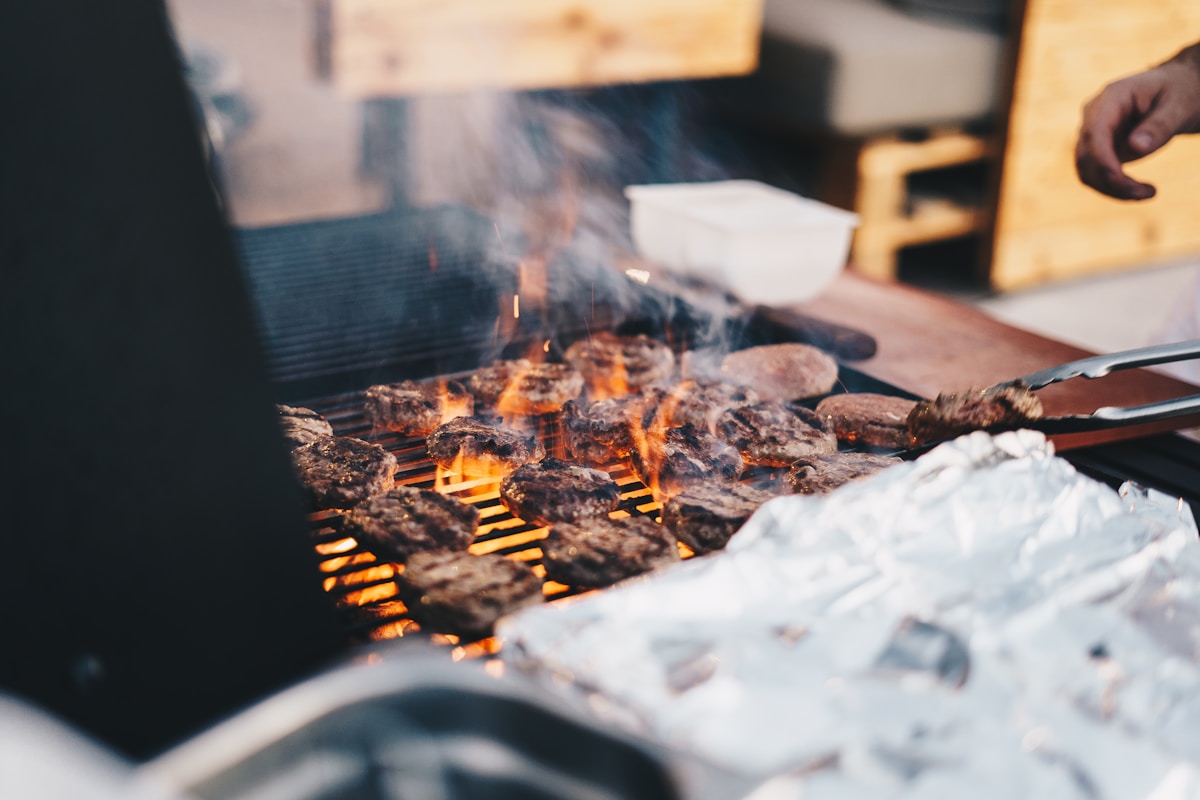
This is another opportunity for a fun experiment. My favorite way to teach this is with a simple piece of steak or even a hamburger patty. Cook two tiny pieces of the meat in a pan. Leave one plain, and sprinkle the other with just a little bit of salt and pepper right after it comes off the heat. Let them cool for a moment, then have a blind taste test. The difference is astounding, and they will never forget it.
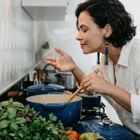
Encourage them to taste as they go (when it’s safe, of course—no tasting raw chicken batter!). When making a pot of soup or a tomato sauce, let them be the official taster. Ask them, “What do you think it needs? A little more salt? A pinch of herbs?” Giving them this responsibility helps them develop their own palate and trust their instincts.
It teaches them that their opinion matters and that cooking is an art, not just a science. That sprinkle of salt is their signature, their final touch on the dish. It’s a beautiful, simple way to give them ownership of the final product.
From the crack of an egg to the final sprinkle of salt, these small, teachable moments are the ingredients for a happy childhood. The mess on the floor can be wiped up, but the confidence and connection you build in the kitchen will last a lifetime. So pull up a stool, hand over a whisk, and get ready to make some memories. (Your future self, enjoying a meal cooked by your grown child, will thank you.)