I remember the first time I saw a Reddit user share their son’s homemade eclairs for Father’s Day. They were nervous about choux pastry, but the photos showed golden, perfectly puffed shells filled with cream and topped with glossy chocolate. And the best part? The whole family had pitched in. That post got me thinking: are eclairs really as intimidating as they seem? And more importantly, can you get your kids involved without losing your mind? The answer is a resounding yes. With a little patience, the right tasks, and a whole lot of encouragement, making eclairs together can become a cherished family tradition. Let’s walk through how to make this French classic a fun, doable project for Father’s Day.
Why Eclairs Are Perfect for Father’s Day Baking
Father’s Day is all about showing appreciation through time and effort. A box of store-bought pastries is nice, but a tray of homemade eclairs made with little hands says something deeper. The process itself is a gift: the laughter over sticky dough, the concentration while piping, the pride when you pull a perfect shell from the oven. Eclairs also offer a wonderful balance of challenge and reward. Choux pastry has a reputation for being tricky, but it’s actually quite forgiving once you understand the science. The steam inside the dough creates airy cavities, and the high heat sets the structure. Kids love watching the puffs rise in the oven (it feels like magic). Plus, the assembly line nature of filling and decorating means everyone can find a role. Whether it’s stirring, piping, or adding sprinkles, every child can contribute.
Age-Appropriate Tasks for Little Helpers
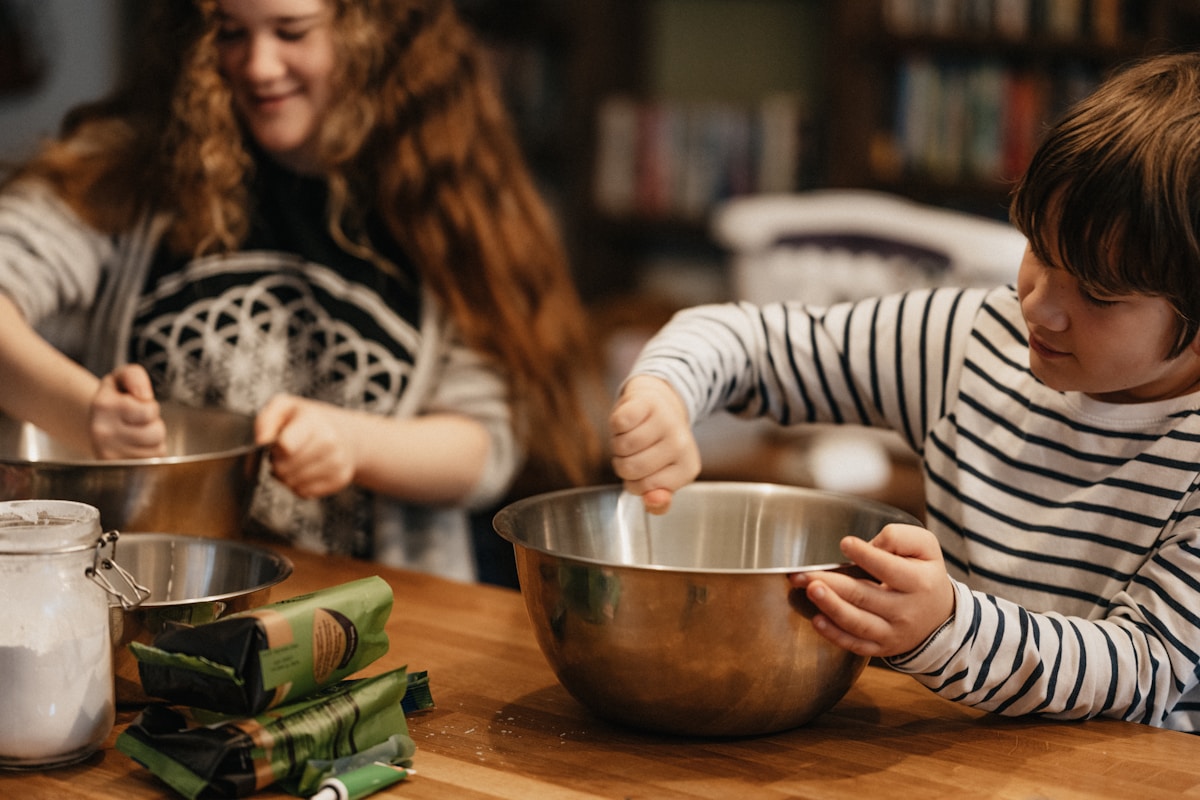
Before you start, think about your child’s age and skill level. The key is to match tasks to abilities so everyone feels successful. For children ages 5 to 7, focus on measuring dry ingredients, cracking eggs into a separate bowl (with supervision), and stirring the flour into the butter-water mixture. They can also help line baking sheets with parchment paper. Kids aged 8 to 10 can handle more precision: using a pastry brush to apply egg wash, snipping the tip of a piping bag, and squeezing the bag to form eclairs (with your hand guiding theirs at first). Teenagers can take on the choux paste itself. Making pâte à choux requires constant stirring over heat and adding eggs one at a time. A confident 13-year-old can manage that with you nearby to check consistency. For the filling and garnish, younger children can dip eclairs into chocolate glaze or sprinkle crushed nuts, while older ones can pipe whipped cream or pastry cream into the shells. The rule of thumb: if a task involves heat or sharp objects, keep it for ages 12 and up, but always supervise.
Mastering the Choux Pastry Together
Let’s tackle the heart of the eclair: the choux pastry. You’ll need: 1 cup water, 1/2 cup unsalted butter, 1/4 teaspoon salt, 1 cup all-purpose flour (King Arthur Flour works beautifully), and 4 large eggs. Start by bringing the water, butter, and salt to a boil in a medium saucepan. Have your child measure the flour and set it aside. Once the butter melts and the mixture boils, remove from heat and dump the flour in all at once. Stir vigorously with a wooden spoon until the dough forms a ball and pulls away from the sides. Let it cool for a couple of minutes (this is important so the eggs don’t scramble). Then add eggs one at a time, mixing until each is fully incorporated. The dough should be smooth, glossy, and thick enough to hold a V shape when you lift the spoon. If it’s too stiff, add a tiny bit of water; if too runny, stir in a tablespoon of flour. Let your child crack the eggs into a bowl and pour them in one by one. They’ll love watching the dough transform.
Now for piping. Fit a piping bag with a large round tip (about 1/2 inch). Fill the bag and pipe 4-inch strips onto parchment-lined baking sheets, leaving 2 inches between each. For younger children, let them hold the bag while you guide their hands. Bake at 400°F (200°C) for 15 minutes, then reduce to 350°F (175°C) for another 15-20 minutes. Do not open the oven door during the first 15 minutes! The steam needs to build. When done, the shells should be golden and feel light. Let them cool completely before filling. A quick tip: use a wooden skewer to poke a small hole in each end to let steam escape and prevent sogginess.
Filling and Decorating: The Fun Part
Once the shells are cool, it’s time to fill. You can use classic pastry cream (vanilla pudding made from scratch) or a quick whipped cream stabilized with a little gelatin. For a shortcut, buy good-quality vanilla pudding mix and fold in some whipped cream. Transfer the filling to a piping bag fitted with a long, thin tip (like a Bismarck tip). Have your child help you push the tip into each end of the eclair and squeeze until the shell feels heavy. For the glaze, melt 4 ounces of semi-sweet chocolate with 1/2 cup heavy cream in a double boiler or microwave (in 30-second bursts). Stir until smooth. Let it cool slightly, then dip each eclair top into the glaze. Little hands can hold the eclair while you guide it, or they can use a spoon to drizzle. Let the children add their own finishing touches: rainbow sprinkles, crushed pistachios, toasted coconut, or even a tiny Father’s Day flag on a toothpick. (Trust me on this one: the sprinkles make everything more festive.)
Troubleshooting Common Choux Problems
Even with perfect technique, hiccups happen. That’s okay. If your eclairs deflate after baking, the oven might have been opened too early or the shells didn’t bake long enough. Next time, leave them in the oven with the door cracked for 5 minutes after turning off the heat. If they’re too flat, the dough may have been too thin. Add a little more flour next batch. If the inside is doughy, bake a few minutes longer at a lower temp. If the chocolate glaze slides off, the eclairs might have been too cold. Let them sit at room temperature for 10 minutes before dipping. The beauty of making these with kids is that every imperfect eclair is still delicious. You can always hide a cracked shell under extra glaze or turn them into a “deconstructed” trifle. No one will complain about chocolate and cream, I promise.
Making Memories That Last Longer Than a Pastry
The real magic of this Father’s Day baking session isn’t the perfect eclair. It’s the flour dust on your child’s nose, the taste test that turned into a giggle fit, and the proud smile when Dad takes his first bite. Include your child in the entire process: let them help write a card or create a “certificate of baking” to go with the platter. If Dad likes coffee, serve the eclairs with a hot cup. If he has a sweet tooth, add a scoop of vanilla ice cream beside it. The effort and love behind these pastries will mean more than any store-bought gift. So gather your ingredients, preheat that oven, and let the kids take the lead on their own little kitchen adventure. You’ll end up with more than eclairs — you’ll have a memory that tastes like happiness.