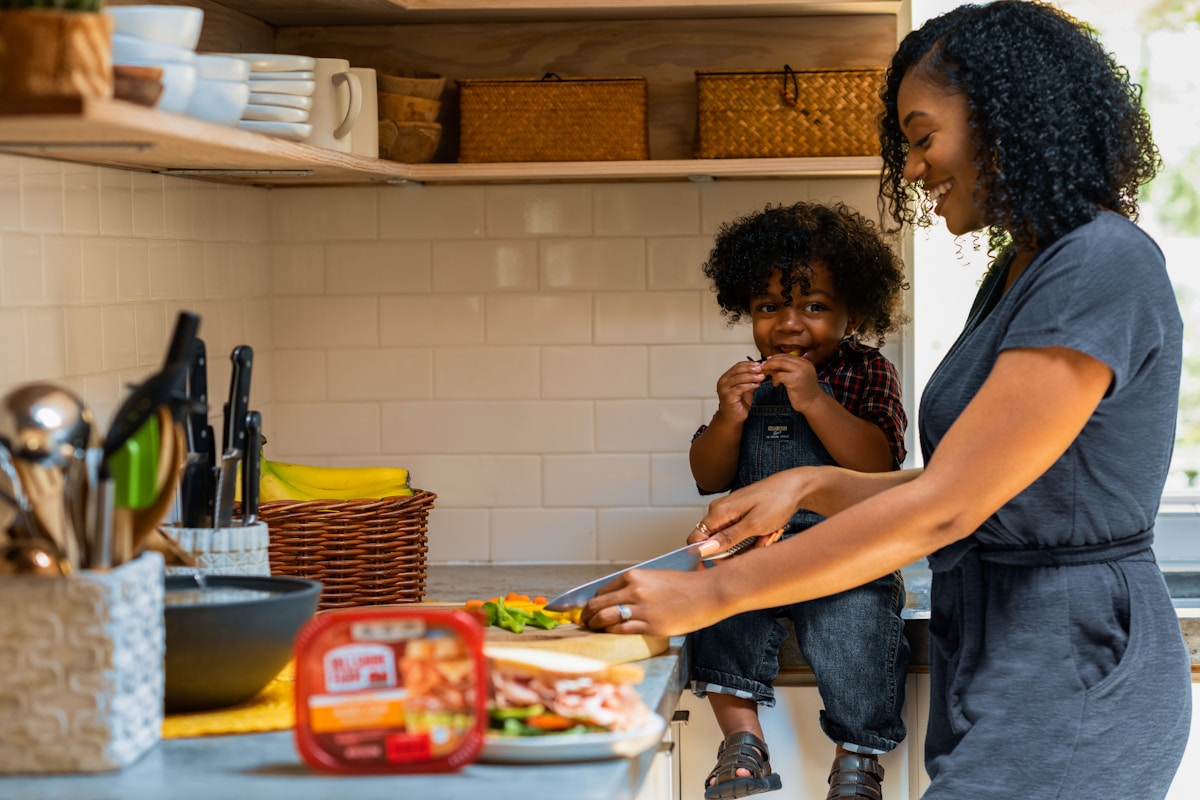
How can baking brownies turn sibling rivalry into teamwork?
You know that feeling when you hear the first raised voices from the living room? The familiar back-and-forth over who gets the remote, who sat where first, and suddenly the peaceful afternoon you’d planned evaporates. I’ve been there so many times, whether with my own kids or with my sister’s teenagers visiting. But here’s a trick I’ve learned over years of Family Kitchen experiments: suggest making brownies together. It sounds too simple, doesn’t it? But one Reddit user’s recent post in r/Baking proves the point: a teen brother and sister transformed a potential afternoon of TV bickering into a cooperative baking session with a straightforward one-bowl brownie recipe. They ended up with a whole pan of rich, fudgy brownies and a shared sense of accomplishment. Over the years, I’ve seen this magic happen again and again, and I’m here to share exactly how you can pull it off in your own kitchen.
Why Baking Works for Bickering Siblings
Baking has a special kind of power. It’s a low‑pressure activity that requires cooperation without confrontation. When you hand each sibling a specific task — one measures dry ingredients, another mixes the wet — you create a natural division of labor. Each person has ownership over their part, and the shared goal of a delicious outcome builds teamwork. The key is choosing a recipe that’s forgiving and not too complicated. That’s where one‑bowl brownies come in. They require minimal equipment, few steps, and the results are almost guaranteed to be good, even if someone overmixes a little or spills some flour. (We’ve all been there.)
In the Reddit thread, commenters praised the approach because it removes the “competition” element. Instead of fighting over who gets the last cookie, they’re working together toward a common reward: a pan of warm brownies. Plus, the sensory experience — the smell of melting chocolate, the feel of stirring a glossy batter — naturally calms frayed nerves. It’s hard to stay mad when you’re licking the spatula.
Dividing Tasks to Reduce Conflict
The trick is to assign tasks that match each sibling’s personality and skill level. For teens, you can expect a bit more independence. Here’s a typical breakdown I recommend:
- One sibling: handles the dry ingredient team. Measure flour, cocoa powder, salt, maybe a teaspoon of instant espresso powder to deepen the chocolate flavor. Use a reliable brand like King Arthur Flour or Ghirardelli cocoa for best results. (Ghirardelli’s Dutch‑process cocoa gives a beautiful dark color and rich taste.)
- Other sibling: takes charge of the wet ingredients. Melt butter (I use unsalted Kerrygold for its creamy quality), whisk in sugar, eggs, and vanilla extract. Then combine the two mixtures and fold until just combined.
The crucial part is giving each person full authority over their domain. Let them make decisions: “Should we use a whisk or a spatula?” “Is the butter fully melted?” That ownership builds confidence and reduces the urge to criticize each other. Then, the merging of the two bowls becomes a joint effort — a moment of teamwork. You can even set a timer and make it a race: “Let’s see if we can get the batter in the pan before the oven finishes preheating!” (The laughter usually follows.)
The Perfect One‑Bowl Brownie Recipe
I use a version of the classic recipe from Baker’s Chocolate, but I’ve tweaked it over the years. For a family serving, double it. Here’s the single batch:
Ingredients:
- ½ cup (1 stick) unsalted butter (113g)
- 1 cup granulated sugar (200g)
- 2 large eggs
- 1 teaspoon vanilla extract
- ⅓ cup unsweetened cocoa powder (30g) — I like Droste or Ghirardelli
- ½ cup all‑purpose flour (60g)
- ¼ teaspoon salt
- Optional: ½ cup chocolate chips or chopped nuts
Instructions:
- Preheat oven to 350°F (177°C). Line an 8‑inch square pan with parchment — a Lodge cast iron pan works beautifully if you have one; it gives crisp edges.
- In a medium saucepan or microwave‑safe bowl, melt the butter. Let cool slightly.
- Stir in the sugar, then the eggs one at a time, and the vanilla. Whisk until smooth and glossy.
- Sift or whisk together the cocoa powder, flour, and salt in a separate small bowl (or just stir them right into the wet mixture if you’re being truly one‑bowl — but sifting helps avoid lumps).
- Fold the dry into the wet until no streaks remain. Do not overmix. Fold in chocolate chips if using.
- Pour into prepared pan and bake for 20–25 minutes, until a toothpick inserted in the center comes out with a few moist crumbs. (The center should be slightly underdone for fudgy texture.)
- Cool completely in the pan before cutting — if you can wait that long.
This recipe is almost foolproof. The only danger is overbaking, so set a timer and check early.
Setting a Shared Goal: The Presentation Photo
One of the best tips from the r/Baking post was to set a shared goal beyond just eating. For instance, take a “presentation photo” of the finished brownies before anyone cuts into them. This small ritual gives both siblings a reason to work together to make the brownies look beautiful — arranging the pan nicely, wiping the edges, maybe garnishing with a sprinkle of flaky sea salt or a dusting of powdered sugar. Then they can text the photo to family or post it on social media (with permission). That pride in a job well done reinforces the teamwork.
Other goals: “Who can make the best brownie sundae with ice cream?” or “Let’s bring a plate to the neighbor as a surprise.” Any external goal that requires their combined effort will strengthen the bond.
Additional Tips for Sibling Baking Success
- Let go of perfection. The brownies don’t have to be perfect. If they’re a little overbaked or the edges are too dark, laugh it off and say, “Now we know for next time.” This teaches resilience and reduces pressure.
- Clean as you go. It’s a good habit to instill. Assign one sibling to be the “counter manager” who wipes up spills and washes the bowl between tasks. (Make it a game: can they have the kitchen clean before the brownies cool?)
- Use simple equipment. A single mixing bowl, a whisk, a spatula, and the baking pan. Fewer dishes mean less arguing afterward.
- Choose recipes that are one‑bowl or few steps. The simpler, the better. Drop cookies (like classic chocolate chip) or no‑bake bars work well too. Avoid layered cakes or anything requiring multiple bowls and precise timing.
- Plan for the aftermath. After baking, you’ll have two happy teens, a kitchen that needs some cleanup, and a pan of brownies. Let them eat one warm (with a glass of milk, of course) while you all share stories of the process. That moment of connection is the real reward.
I’ve used this approach with my own nieces and nephews, and I can tell you: the first time they collaborated on a batch of fudgy brownies, the arguing melted away faster than the butter. The kitchen became a place of laughter, not tension. So next time you hear those familiar bickering voices, skip the lecture and suggest, “Hey, who wants to make brownies?” You might be surprised at how quickly they say yes.