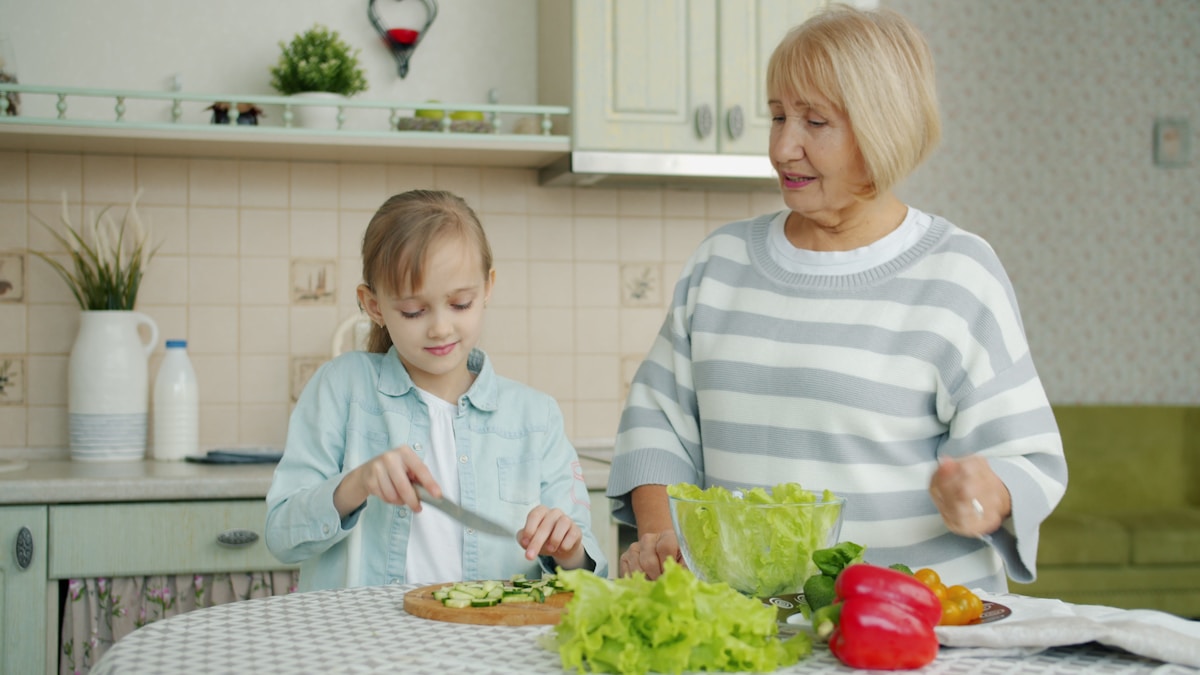
You’re standing at the stove, trying to brown some ground beef for tacos, and your two-year-old is wrapped around your leg like a koala. The four-year-old is asking for the hundredth time when dinner will be ready, and the baby is fussing in the high chair. Sound familiar? This scene played out in a recent Reddit post from a stay-at-home father of three, and it resonated with parents everywhere. The good news is that the kitchen doesn’t have to be a battleground. With a little planning and a shift in mindset, you can turn mealtime prep into quality time with your little ones. Let’s talk about how to keep young children occupied while you cook—and maybe even get a few things done.
Why the Kitchen is the Perfect Place for Kids
First, let’s reframe the problem. Instead of seeing your toddler as an obstacle to dinner, think of them as your sous-chef in training. The kitchen is a sensory wonderland for kids: the feel of cold water on their hands, the smell of garlic sizzling in olive oil, the sound of a whisk clanging against a metal bowl. The American Academy of Pediatrics recommends age-appropriate tasks for children as young as two, and the benefits go beyond just keeping them busy. When kids help in the kitchen, they build fine motor skills, learn about math and science concepts, and develop a sense of accomplishment. Plus, they’re more likely to try new foods if they helped prepare them. That’s a win-win.
Age-Appropriate Kitchen Tasks: From Toddler to Preschooler
The key is matching the task to the child’s developmental stage. Here’s a breakdown by age, based on what real parents and pediatricians have found works.
Ages 18 months to 2 years At this age, children are all about sensory exploration and simple cause-and-effect. Keep tasks short and supervised. Try:
- Tearing lettuce or fresh herbs into a bowl
- Washing vegetables under cool running water (put a step stool near the sink)
- Brushing dirt off mushrooms with a soft brush
- Stirring a cold mixture in a large bowl (use a sturdy wooden spoon)
- Placing pre-cut fruit onto a baking sheet for freezing
Ages 3 to 4 years Preschoolers have better hand control and can follow two-step directions. They’re ready for:
- Pouring measured ingredients into a mixing bowl (use a wide-mouth cup)
- Stirring pancake batter or muffin mix
- Using a plastic or toddler-safe knife (like the Kuhn Rikon or Curious Chef brand) to cut soft foods like bananas, mushrooms, or peeled avocados
- Spreading peanut butter or cream cheese on crackers with a butter knife
- Setting the table (plastic dishes, napkins, and spoons are safe)
Ages 5 to 7 years School-age kids can handle more responsibility and even some heat (with close supervision). Try:
- Measuring dry and liquid ingredients with real measuring cups
- Using a vegetable peeler on carrots or cucumbers (the OXO Good Grips peeler is easy for little hands)
- Grating cheese (use a box grater with a handle and supervise closely)
- Cracking eggs into a small bowl (practice on a plate first!)
- Following a simple recipe with picture cards
The Learning Tower: Your Secret Weapon
If you don’t already own a learning tower, consider it an investment in your sanity and your child’s confidence. These sturdy platforms bring your child safely to counter height, giving them a front-row seat to whatever you’re doing. Brands like Little Partners and Guidecraft make models that adjust as your child grows, and some fold for storage. Prices range from $150 to $300, but you can also find DIY plans online if you’re handy. Place the tower away from the stove and any hot surfaces, and always stay within arm’s reach. A learning tower turns a curious toddler into an engaged helper who can see, touch, and participate—without climbing on counter stools that might tip.
Kitchen Safety Essentials for Little Helpers
Before you hand your child a whisk or a head of lettuce, take a few minutes to childproof your cooking zone. Here are my non-negotiable rules:
- Establish a “safe zone”. Designate an area of the counter or table where your child can work without being near the stove, oven, or knives. Use a learning tower or a sturdy stool positioned at least two feet away from the burners.
- Use the back burners. Whenever possible, cook on the back burners and turn pot handles toward the wall. This simple habit prevents curious hands from grabbing a hot pan.
- Keep sharp tools out of reach. Store knives in a drawer with a childproof lock or on a high magnetic strip. For kids, provide serrated plastic knives or the Kuhn Rikon Kids’ Knife, which can cut soft foods but not fingers.
- Wash hands often. Make handwashing a fun part of the routine. Sing the “Happy Birthday” song twice while scrubbing with warm water and soap.
- Watch for hot surfaces. Teach your child to recognize the stove’s red light or the beep of the oven. You can even put a piece of blue painter’s tape on the floor to mark the “hot zone” they shouldn’t cross.
Simple Kitchen Activities That Buy You Time
Sometimes you need more than a task; you need a full-fledged activity that will occupy your child for 15 minutes while you chop onions or brown meat. Here are a few tried-and-true ideas:
Sensory bin on the counter Fill a shallow baking pan (like the USA Pan half-sheet) with dry oatmeal, rice, or cornmeal. Add a few measuring spoons, a small sieve, and a plastic cup. Let your child scoop, pour, and sift. The mess stays contained, and you get a few minutes of peace. (Tip: put a reusable placemat under the bin for easier cleanup.)
Cookie cutter play Give your child a ball of refrigerated sugar cookie dough or play dough (make your own with flour, salt, and cream of tartar) and a set of mini cookie cutters. They can practice pressing and cutting while you work. Bonus: if you use real dough, you can bake the shapes later for a snack.
The “washing station” Set up a small basin of warm water with a few drops of mild dish soap. Give your child a soft sponge or a vegetable brush and let them wash plastic cups, silicone spatulas, or clean potatoes. It’s water play with a purpose, and most kids can’t get enough of it.
Magnetic mixing If you have a magnetic whisk (like the KitchenAid magnetic balloon whisk) or a set of magnetic letters, let your child “stir” a bowl of water with the magnet. The magnetic pull fascinates toddlers and gives them practice with hand movements.
Making the Mess Part of the Fun
I won’t lie: cooking with kids is messy. Flour gets on the floor, eggshells find their way into the batter, and sometimes that scoop of flour goes directly into your child’s mouth. But here’s the truth—the mess is a sign of learning. When your child spills, you have a chance to teach them how to clean up. Keep a roll of paper towels within reach and a child-sized broom (like the one from Melissa & Doug) nearby. Make cleanup part of the activity: "Let’s see who can wipe up the most flour!"
The Reddit community that inspired this article had one recurring theme: perfection is less important than connection. Your toddler may not remember the perfectly seared steak you made, but they will remember standing beside you, stirring the sauce, and feeling proud. So take a deep breath, lower your expectations, and invite them in. The dinner will get made—maybe a little later, maybe with a few extra ingredients, but made with love.
Building Confidence One Spill at a Time
When your child cracks an egg and gets shell in the bowl, don’t grab a new egg. Instead, show them how to fish out the shell with a larger piece of shell. When they pour milk and miss the cup, hand them a sponge. These small moments build resilience and problem-solving skills. Praise effort, not outcome. Say, “You worked so hard on stirring that batter!” rather than “That’s a perfect mix.”
I’ve learned that the best kitchen helpers are the ones who feel safe to make mistakes. If you can laugh together over a dropped measuring cup, you’re already winning. Over time, your child will gain confidence and independence, and you’ll gain a genuine sous-chef who can help with real tasks. By the time they’re six, they might even make you breakfast in bed (one can dream).
A Final Word from the Kitchen
You don’t need fancy gadgets or a perfectly organized drawer system to make this work. You just need a willingness to slow down and share your space. Start with one simple task—washing a carrot, stirring pancake mix—and see how it goes. Some days your toddler will be all in, and other days they’ll want nothing to do with the kitchen. That’s okay. The goal isn’t a perfectly occupied child every time you cook; it’s to build a warm, joyful relationship with food and family.
So the next time you’re in the kitchen and your little one tugs on your apron, remember: they’re not trying to distract you. They’re trying to be with you. Let them in. Spills and all.