You’ve done it. The steak is perfect—a deep, mahogany crust, a beautiful medium-rare blush inside, rested just right. You grab your salt to give it that final, crucial seasoning. But your hand hovers between the big box of kosher salt and that fancy, smaller box of Maldon sea salt flakes, the one that cost you seven dollars. Does it really matter which one you use?
Let me be direct: Yes, it matters. A lot. And using that expensive flake salt for anything other than a final flourish is one of the biggest wastes of money in the modern kitchen. I see it all the time, and it’s a simple misunderstanding of what makes these salts different. Let’s break down the salt shelf so you can stop throwing money away and start seasoning like you mean it.
All Salt Is Not Created Equal The Science of the Crystal
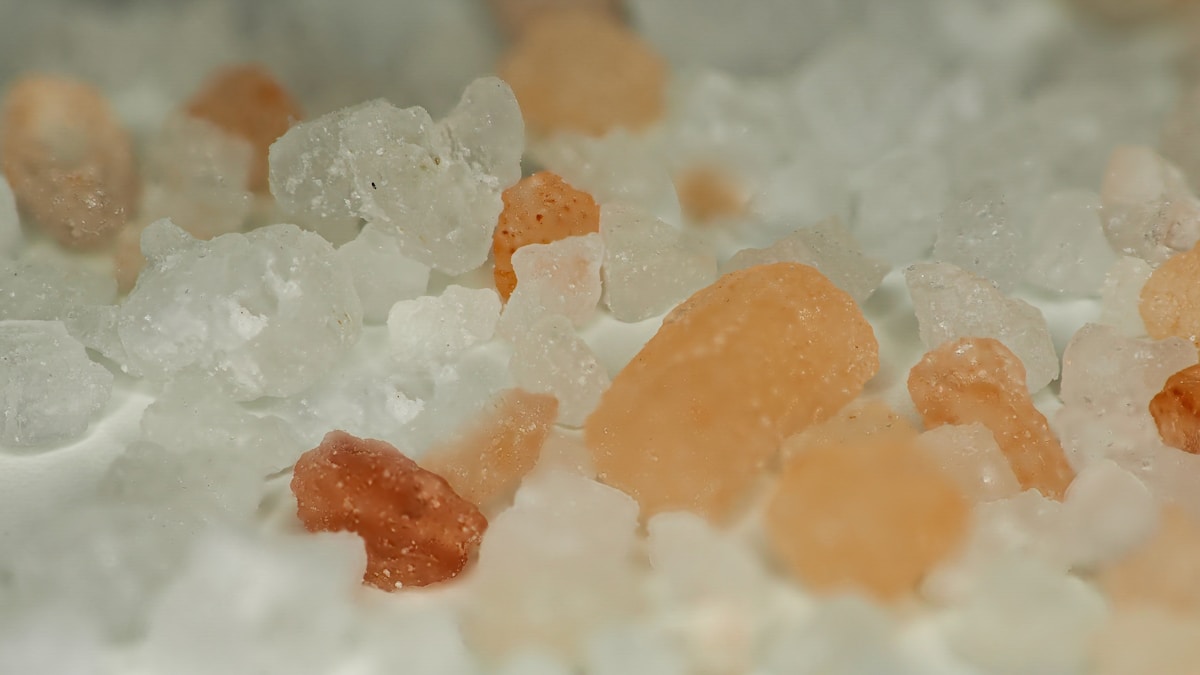
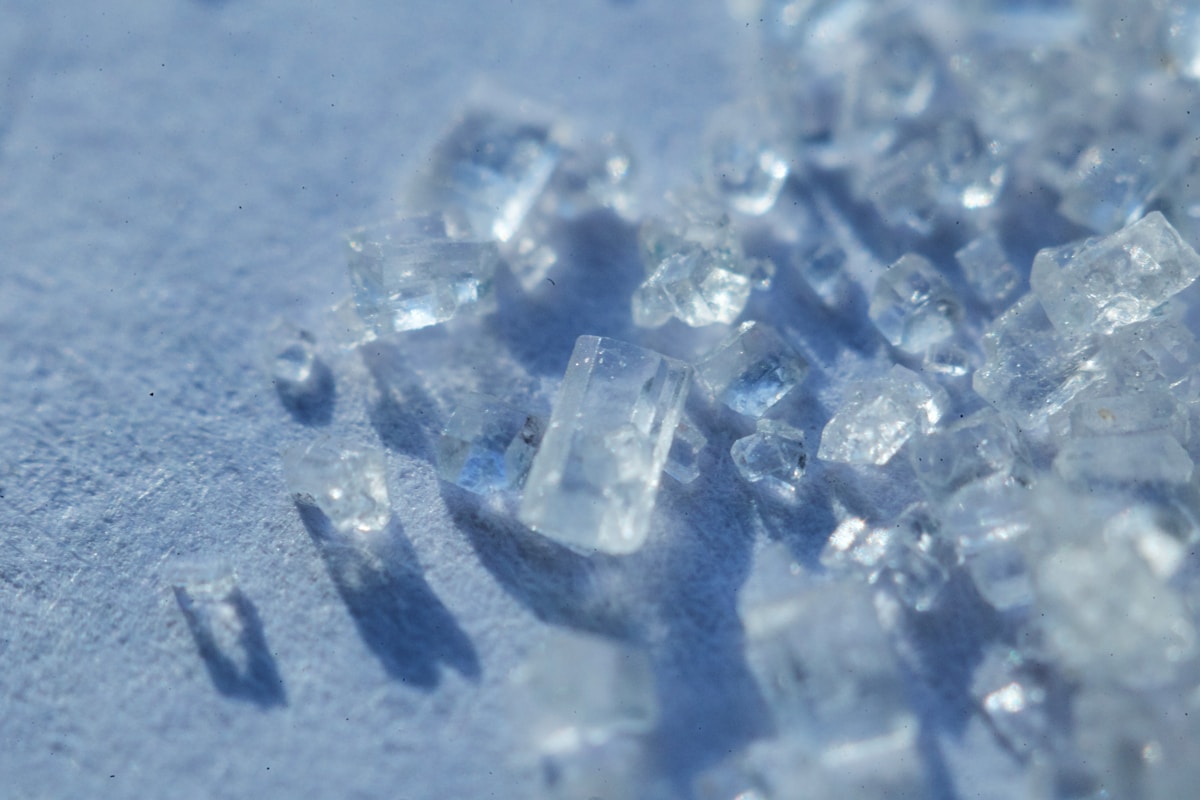
At a chemical level, it’s all just sodium chloride (NaCl). But saying all salt is the same is like saying all cars are the same because they have four wheels and an engine. The difference isn’t in the chemical, but in the crystal structure. How that crystal is shaped dictates how it feels, how it dissolves, and how it hits your tongue.
-
Table Salt (like Morton Iodized): This is the salt most of us grew up with. Its crystals are tiny, dense, uniform cubes. They are created by pumping water into underground salt deposits, bringing the brine to the surface, and evaporating it in a controlled vacuum. This process makes it easy to pour and measure consistently. It also dissolves almost instantly. That’s great for baking, where a recipe calling for exactly 1 teaspoon of salt needs that precision. The downside? Its tiny crystals pack so densely that it’s very easy to oversalt your food. (And yes, the iodine added to prevent goiter can sometimes impart a slightly metallic taste.)
-
Kosher Salt (the kitchen workhorse): This is the go-to for most chefs and serious home cooks. Its name comes from its use in the koshering process for meat, not because the salt itself is kosher. The crystals are larger and more irregular than table salt. There’s a key brand difference here:
- Diamond Crystal: This is my preferred brand. Its crystals are hollow, light, and flaky, created by an evaporation process. They are easy to crush between your fingers, giving you incredible control over seasoning. It sticks to food beautifully.
- Morton Kosher Salt: This salt is made by rolling cubic crystals into a flatter shape. It’s significantly denser and saltier by volume than Diamond Crystal. If you swap one for the other in a recipe without adjusting, you will notice a big difference. (The rule of thumb: use about 1.5 times the amount of Diamond Crystal if a recipe calls for Morton’s.)
-
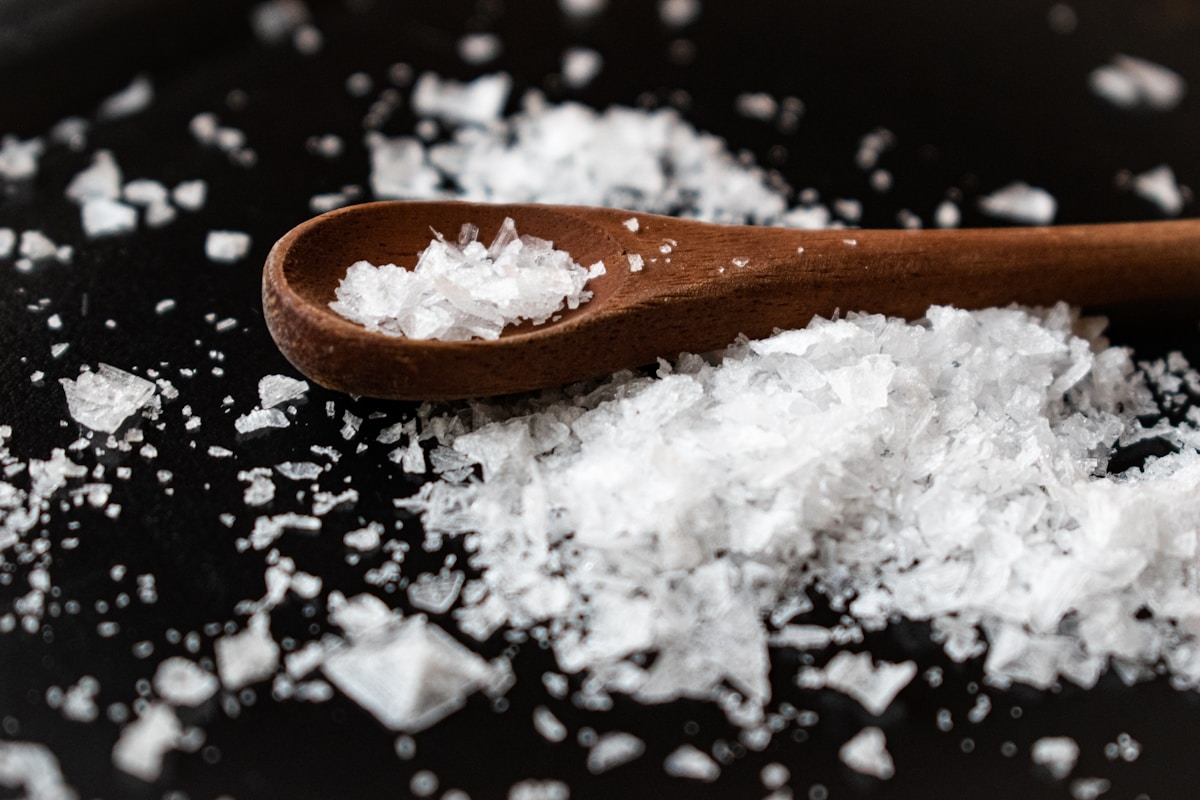
Flake Salt (the finisher): This is your Maldon, your Jacobsen Salt Co. These are the supermodels of the salt world. They are harvested by slowly evaporating seawater, allowing large, hollow, pyramid-shaped crystals to form on the surface. They are incredibly delicate and light, with a paper-thin structure. You’re not paying for a different flavor of salt; you’re paying for that unique, fragile texture.
The Great Dissolve Why Flake Salt Fails in Sauces and Pasta Water
Here’s the heart of the issue. You have a big pot of water boiling for pasta. You need to salt it aggressively (it should taste like the sea). You reach for that box of Maldon flakes and dump in a generous amount. What just happened?
You just wasted your money. (Sorry, it’s the truth.)
The moment those beautiful, delicate pyramid crystals hit the boiling water, their entire structure—the very thing you paid a premium for—disintegrates. The texture is gone. The visual appeal is gone. It becomes nothing more than dissolved sodium chloride in water. You would have achieved the exact same result using a handful of kosher salt or even cheap table salt for a fraction of the cost.
Let’s look at the numbers. An 8.5-ounce box of Maldon Sea Salt Flakes can run you $7 to $9. A 3-pound box of Diamond Crystal Kosher Salt costs about the same, sometimes less. That’s over five times the amount of salt for the same price. Using Maldon to salt pasta water, to season a soup, or to make a brine is like buying a Ferrari to haul lumber. It’ll do the job, but it’s an expensive, inefficient misuse of a specialized tool.
The Finishing Touch Where Flake Salt Truly Shines
So, when should you use that fancy flake salt? When its unique texture can be the star of the show. It’s a “finishing salt” for a reason—you add it at the very end, right before serving.
Here are a few moments where Maldon is worth every penny:
-
The Perfect Steak: You’ve seared that ribeye in a cast-iron skillet at a screaming 450°F (232°C) and let it rest. Slice it, and just before it hits the table, sprinkle those flakes over the top. The salt won’t fully dissolve on the warm meat. Instead, you get these tiny, explosive crunches of pure salinity that cut through the richness of the beef. It’s a textural and flavor experience that kosher salt can’t replicate.
-
Chocolate Chip Cookies: This is my favorite kitchen hack. Bake your favorite chocolate chip cookies (I like mine at 375°F / 190°C for about 11 minutes until the edges are golden). As soon as they come out of the oven, while they’re still glistening and soft, sprinkle a tiny pinch of flake salt on top of each one. The contrast of the salty crunch against the sweet, gooey chocolate is absolutely incredible. It elevates a simple cookie into something truly special.
-
Roasted Vegetables: Toss some broccoli florets or asparagus spears with olive oil and roast them at 400°F (204°C) until tender and slightly charred. Hit them with a squeeze of lemon and a finishing sprinkle of flake salt. The large flakes cling to the surface and provide a much more interesting texture than fine salt, which would just disappear.
-
Avocado Toast or a Simple Salad: That little crunch makes all the difference on soft textures like avocado or in a simple salad with a light vinaigrette. It’s a final touch that shows you care about the details.
Lucas’s Practical Salt Strategy My Three-Salt Kitchen
You don’t need a dozen different kinds of artisanal salt. That’s just marketing. In my kitchen, I keep three types on hand, and they cover 99.9% of all my cooking needs.
-
The Workhorse (Diamond Crystal Kosher Salt): I buy this in the big 3-pound box. It lives in a salt cellar right next to my stove. I use it for everything during the cooking process: salting pasta water, seasoning meat before it hits the pan, making brines, seasoning sauces and stews. Its low density and pinch-ability give me perfect control.
-
The Precision Tool (Fine Sea Salt): This is for baking. When a recipe is built on precise chemistry, I need a salt that measures consistently every single time. Fine sea salt or non-iodized table salt provides that. I don’t use it for much else, but for baking, it’s essential.
-
The Finisher (Maldon Sea Salt Flakes): This is my “special occasion” salt, even though I use it several times a week. It’s for the final flourish, the textural pop, the visual appeal. That one box lasts me for months because I’m only using a tiny pinch at a time, right at the end. It’s a luxury that’s actually an incredible value when used correctly.
The Verdict So Is Flake Salt a Gimmick?
Absolutely not. Flake salt is a fantastic ingredient, but it’s a specialist. It’s like a scalpel, not a sledgehammer. Its purpose is to provide texture and distinct bursts of salinity as a final touch.
The mistake isn’t buying flake salt; it’s using it for the wrong job. The right tool makes cooking easier and more delicious, but the most expensive tool isn’t always the right one for every task. By understanding the simple science behind salt’s shape, you can season your food more effectively and spend your money much more wisely.
So go ahead, buy that fancy box of Maldon. Just promise me you won’t dump it in your pasta water. Your wallet—and your taste buds—will thank you.