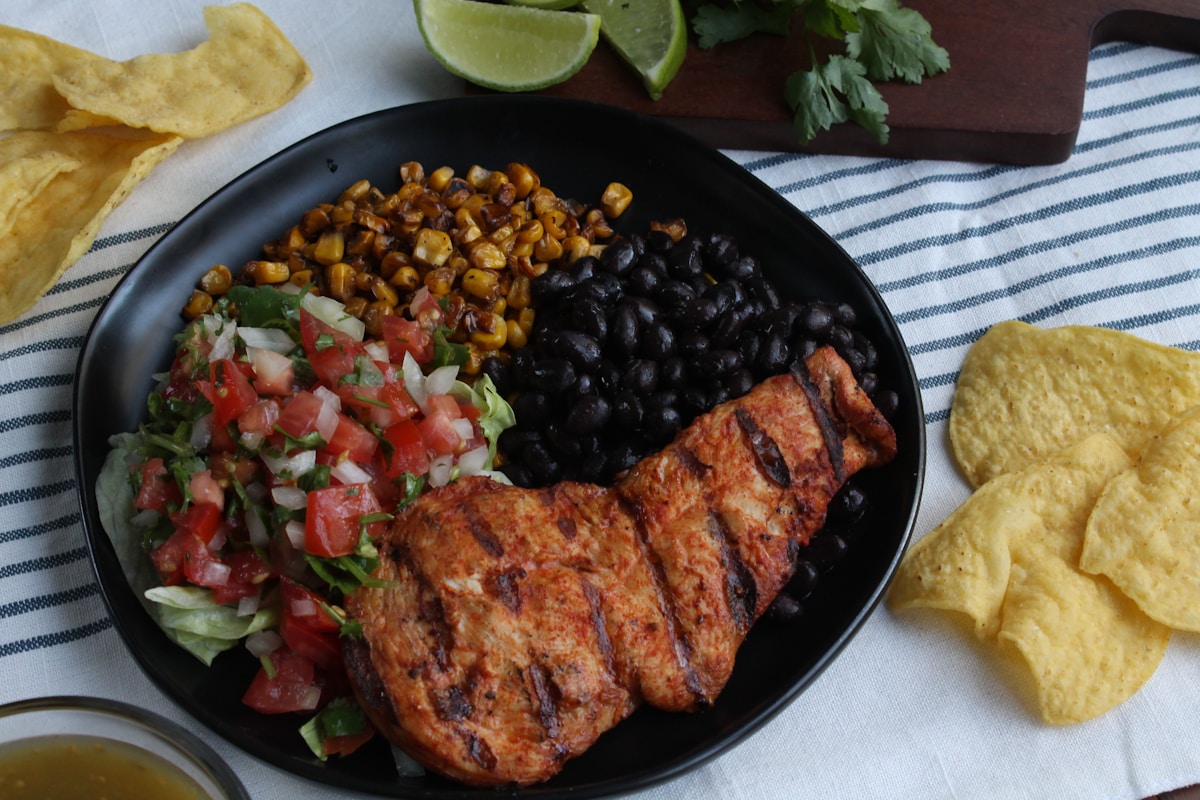
Have you ever stood in the produce aisle, pico de gallo recipe in hand, and wondered if you really need to buy a whole bag of limes for just a little squeeze of juice? Or maybe you’ve scrolled through online forums and seen passionate debates about whether ‘authentic’ pico even includes it. You’re not alone!
It’s one of those little kitchen questions that can feel surprisingly complicated. On one side, you have traditionalists who say it’s not pico without it. On the other, you might hear about a friend’s grandmother’s recipe that skips it entirely. So, what’s the truth? Let’s clear this up together, because understanding the ‘why’ behind an ingredient is the first step to becoming a more confident cook.
Your Pico’s Secret Weapon The Science of Lime
Think of lime juice as the conductor of an orchestra. Your tomato, onion, cilantro, and jalapeño are all wonderful instruments on their own, but the lime juice is what makes them play together in beautiful harmony. It does two major jobs, and they’re both pretty magical.
First, there’s flavor. The acidity in lime juice is a flavor enhancer. It doesn’t just add a sour taste; it actually makes the other ingredients taste more like themselves. It cuts through the richness of the tomato, brightens the grassy notes of the cilantro, and balances the heat of the jalapeño. It’s like turning up the volume on the entire dish. Without it, the flavors can feel a little flat or disconnected.
Second, there’s texture and chemistry. That sharp bite of raw onion? Lime juice tames it. The acid begins to gently “cook” the onion through a process called maceration, softening its texture and mellowing out its pungent flavor. It also acts as a natural preservative. That bright acidity helps slow down the oxidation process, keeping your tomatoes looking vibrant and your pico de gallo fresh in the fridge for an extra day or two. (Your future self will thank you.)
What Happens If You Skip the Lime?
So, can you technically make pico de gallo without lime juice? Yes, of course you can. No one from the Kitchen Police is going to show up at your door. But it’s important to know what you’ll be missing and how the final dish will be different.
A pico without lime will have a much softer, more muted flavor profile. You’ll taste the distinct raw vegetables more than a cohesive, bright salsa. The onion might be a bit more aggressive and pungent, which can overpower the delicate tomato and cilantro.
More noticeably, its lifespan will be much shorter. It will likely become watery and start to look a little sad within hours, as the tomatoes release their liquid without the acid to help preserve their structure. It will still be edible, of course, but it won’t have that vibrant, zesty punch we all love.
A Classic, No-Fear Pico de Gallo Recipe
Let’s put this into practice. This recipe is all about proportions, so feel free to adjust it to your taste. The key is seeing what the lime does firsthand.
Ingredients:
- 4 ripe Roma tomatoes, diced small
- 1/2 medium white onion, diced small
- 1 jalapeño, seeds and ribs removed, minced (use less or more depending on your heat preference)
- 1/2 cup fresh cilantro, chopped
- Juice of 1 large, juicy lime (about 2 tablespoons)
- 1/2 teaspoon salt, or more to taste
Instructions:
- Combine the Veggies: In a medium bowl, gently mix together the diced tomatoes, onion, jalapeño, and cilantro. Notice how it looks and smells right now.
- Add the Magic: Squeeze the lime juice all over the mixture and sprinkle with the salt. Stir everything together gently.
- The Most Important Step: Let it sit! Seriously. Cover the bowl and let it rest for at least 15-20 minutes at room temperature. This is when the lime juice does its work, melding the flavors and softening the onion. Taste it now. See the difference? It’s incredible.
What If You’re Truly Out of Limes?
It happens to the best of us! If you’re in a pinch, you do have a couple of options, but just know they will change the final flavor.
- Lemon Juice: You can substitute lemon juice, but use a little less. Lemon is slightly sweeter than lime and will give the pico a different, though still pleasant, citrusy note.
- Mild Vinegar: A tiny splash of a very mild vinegar, like rice vinegar or white wine vinegar, can provide some acidity. I’m talking a teaspoon at most. This will definitely alter the authentic taste, but it’s better than nothing if you need that acidic bite.
Ultimately, fresh lime juice is king for classic pico de gallo. It’s not just a fancy flourish; it’s a fundamental part of what makes the dish so special.
Try This Tonight: You don’t have to make a huge batch to see the effect. Dice up just one tomato, a little bit of onion and cilantro, and put it in a small bowl. Now, divide that mixture into two even smaller bowls. Add a tiny squeeze of lime and a pinch of salt to just one of them. Wait ten minutes, then taste both with a chip. This simple side-by-side comparison is the best way to truly understand the power of a little lime juice. Happy cooking!