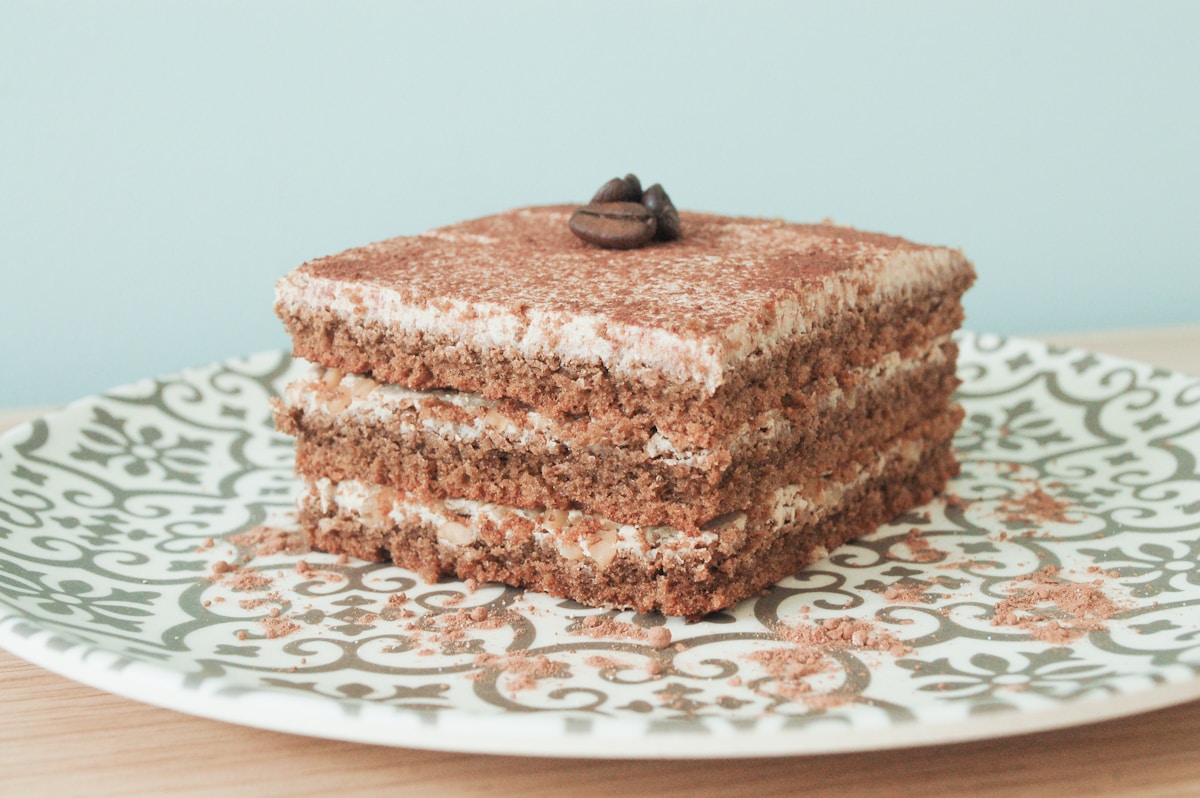
You’re standing in the dairy aisle, a small tub of mascarpone cheese in your hand, staring at the price tag. You had a vision: a glorious, homemade tiramisu, just like the one from that little Italian place downtown. You thought, “I’ll make it myself and save some money!” But now, looking at the bill for the cheese, the fancy ladyfinger cookies, and the bottle of Marsala wine, you’re starting to have second thoughts. Suddenly, that $18 pre-made tiramisu in the bakery case doesn’t seem so outrageous after all.
If this sounds familiar, you are not alone. We’re often told that cooking and baking from scratch is the golden ticket to saving money. And a lot of the time, it absolutely is! But as that wobbly tiramisu dream proves, it’s not always a straight line from your kitchen to your savings account. So, let’s pull up a chair, grab a cup of coffee, and have a real, honest chat about when it truly pays to preheat your oven.
The Great “Homemade vs. Store-Bought” Debate
The idea that homemade is cheaper is rooted in a simple truth: you’re not paying for someone else’s labor, packaging, or marketing. When you bake a simple batch of chocolate chip cookies, you’re tapping into bulk ingredients you likely already have, like flour, sugar, and eggs. The cost per cookie is pennies.
But the math gets fuzzy when we venture into the world of specialty desserts. This is where the “Tiramisu Trap” comes in. A classic tiramisu requires a very specific shopping list:
- Mascarpone Cheese: This Italian cream cheese is the heart of tiramisu. It’s rich, delicate, and often pricey—a small 8-ounce tub can easily cost $7 to $10.
- Ladyfinger Cookies (Savoiardi): These are light, dry, finger-shaped sponge cakes. They aren’t your everyday cookie, and a package can run you $4 to $6.
- Good Quality Coffee or Espresso: You need a strong brew for dipping the ladyfingers.
- Liqueur: Traditional recipes call for Marsala wine, but Kahlúa or a dark rum are also common. A bottle of any of these is an investment, often $15 or more.
- Eggs and High-Quality Cocoa Powder: These add to the final tally.
By the time you get to the checkout, your ingredient total for one dessert could be anywhere from $25 to $35. It’s a moment that can make any new baker question everything. (And that’s okay! We’ve all been there.)
When Baking is a Clear Money-Saver
Let’s start with the good news, because there’s a lot of it! For 90% of your everyday baking cravings, your kitchen is absolutely the most economical choice. The sweet spot is any recipe that relies on pantry staples.
Think about classic chocolate chip cookies. Let’s break it down:
- A 5 lb bag of all-purpose flour (like Gold Medal or King Arthur) costs about $4 and contains nearly 20 cups. A recipe uses maybe 2.5 cups (about $0.50).
- A 4 lb bag of granulated sugar is about $3. A recipe uses 1.5 cups (about $0.50).
- A pound of butter is around $4-$5. A recipe uses two sticks ($2.50).
- A dozen eggs cost about $3. A recipe uses two ($0.50).
- A bag of good chocolate chips (like Ghirardelli or Nestlé Toll House) is about $4.
Total ingredient cost for a batch of three dozen cookies? Roughly $8. That’s about 22 cents per cookie! Compare that to a bakery, where a single large cookie can cost $3 or more. Brownies, simple vanilla cupcakes, banana bread, and snickerdoodles all fall into this wonderful, money-saving category. You get more treats, better quality, and a much smaller bill. That’s a win-win-win.
The Tiramisu Trap and Other Pricey Projects
Now, back to that tiramisu. After spending $30 on ingredients, you get a beautiful dessert that serves 8-10 people. That works out to about $3.00-$3.75 per serving. A single slice at a restaurant can be $10-$12, so you’re still “saving” on a per-serving basis. But you had to spend the entire $30 upfront. A family-sized tiramisu from the grocery store might only be $18. It might not taste as amazing, but it’s cheaper and requires zero effort.
This is the calculation you have to make. Tiramisu isn’t the only dessert that can sneak up on you. Be mindful of recipes that call for:
- Specialty Flours: Almond flour for macarons, buckwheat flour for certain rustic tarts, or specific bread flours can be two to three times the price of all-purpose flour.
- Expensive Flavorings: A single vanilla bean can cost $5 or more. A small bottle of pure vanilla extract from a brand like Nielsen-Massey is a worthy but significant investment. Saffron, cardamom pods, and high-end liqueurs also add up quickly.
- Lots of Nuts or Premium Chocolate: A pound of pecans or walnuts can be surprisingly expensive. If you’re making a rich torte that calls for a pound of high-cacao chocolate from a brand like Valrhona or Callebaut, your budget will feel it.
- Specialty Equipment: Are you making French macarons? You’ll likely need a kitchen scale, piping bags with round tips, and silicone baking mats for the best results. Those are costs that go beyond the ingredients.
The point isn’t to scare you away from these amazing projects. It’s about going in with your eyes open, knowing that you’re baking for the love of it, not just to save a few dollars.
The Hidden Costs and Benefits (It’s Not Just About the Groceries)
The price on the receipt is only part of the story. To get the full picture, you have to weigh the other factors at play.
The Hidden Costs:
- Your Time: It can take two hours to assemble a layer cake, plus cooling and decorating time. What is that time worth to you? Sometimes, the convenience of buying is worth the price.
- Energy Bill: Running your oven at 350°F (175°C) for an hour isn’t free. It’s a small cost, but it’s there.
- The “Flop Factor”: We have all had bakes that just… didn’t work. The cake that sank, the custard that never set. When that happens, those expensive ingredients end up in the bin. (Please, don’t let this stop you. Every baker has a flop story—it’s how we learn!)
The Incredible Benefits:
- Unbeatable Quality: This is the big one. When you make it yourself, you control the ingredients. You can use real butter, high-quality dark chocolate, fresh organic eggs, and pure vanilla. The flavor is almost always worlds better than a mass-produced grocery store version.
- Customization: You are the boss of your dessert! You can reduce the sugar, make it gluten-free, add a pinch of cinnamon, or swap walnuts for pecans. You can create something that is perfectly suited to your taste.
- The Experience: There is a unique magic in turning simple ingredients into something wonderful. The smell that fills your house, the satisfaction of seeing it come out of the oven, the joy of sharing it with people you love—you can’t buy that in a plastic box.
A Practical Guide to Your Next Baking Decision
So, how do you decide whether to DIY or buy? Before you start pulling out the mixing bowls, run through this quick mental checklist:
- The Pantry Check: Look at the recipe. Do you already have more than half of the ingredients on hand? If yes, it’s very likely to be a money-saver. If you have to buy almost everything, do the math first.
- The “Will I Use It Again?” Test: That bottle of Marsala wine for the tiramisu… are you going to make another one soon? Or use it in another recipe? If an expensive specialty ingredient is a one-time-use item for you, it might make more sense to buy the finished dessert.
- The Serving Size Equation: Are you making dessert for two people or twelve? Buying two perfect slices from a bakery might be more economical than making a whole cake that will go to waste.
- The Reality Check: Be honest with yourself. Do you have the time, energy, and patience for this project today? If the answer is no, give yourself permission to take the easy route. Cooking should be a joy, not a chore.
Kitchen Hack: The Mascarpone Workaround Feeling sticker shock from real mascarpone? For many recipes like tiramisu, you can make a very good substitute! It won’t be exactly the same, but it’s delicious and much friendlier on the wallet. In a bowl, beat together 8 ounces of full-fat cream cheese (softened), 1/4 cup of heavy whipping cream, and 2 tablespoons of sour cream until smooth. It gives you that rich, creamy texture for a fraction of the cost.
Try This Tonight
The kitchen is a place for fun and learning, not for stress and budget anxiety. The goal is to feel empowered, whether you’re making a three-layer cake from scratch or choosing the most delicious-looking brownie at the store.
So, let’s end with an easy win. Try this tonight: Instead of wrestling with a complex recipe, bake something that celebrates your pantry. Make a batch of simple, buttery shortbread cookies (just flour, butter, sugar) or a classic “wacky cake” that uses no eggs or milk. Experience the pure joy of creating something delicious and knowing, without a doubt, that you filled your home with warmth and saved a little money, too. That’s a feeling that never gets old.