


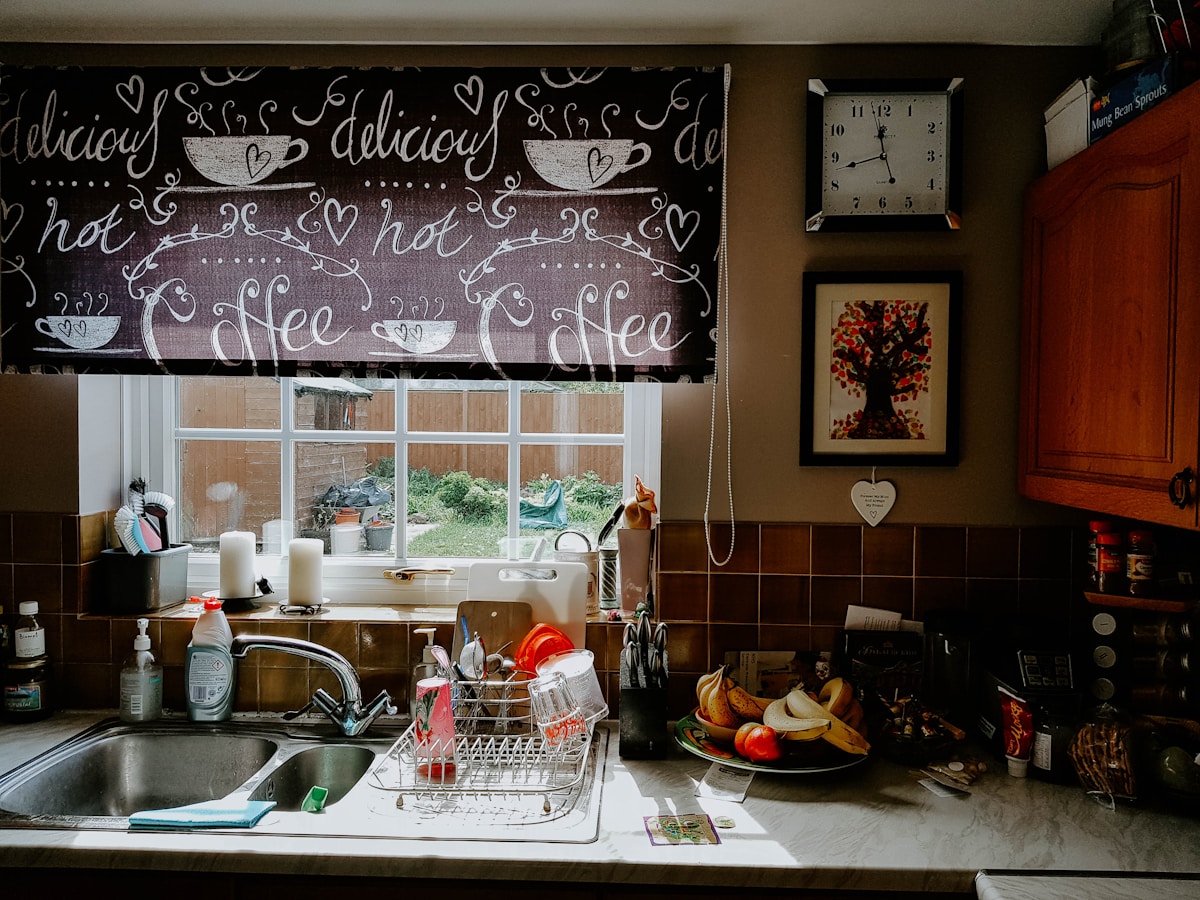
It’s 6:00 PM. The baby is fussing in the high chair, the toddler has created a modern art masterpiece with yogurt on the floor, and your oldest is asking for a snack for the seventeenth time. You look at your partner across a counter littered with the day’s debris, and you both have that same, tired look. The unspoken question hangs in the air: “Who is dealing with all of this?”
If this scene feels familiar, please know you are not alone. The kitchen, the wonderful heart of our homes, can sometimes feel like the headquarters for stress. The planning, the shopping, the chopping, the cooking, the serving, and the endless cleaning—it’s a cycle that can wear anyone down. This invisible work, often called the ‘mental load,’ is one of the biggest sources of friction for busy parents. But I’m here to tell you it doesn’t have to be a battleground. It can be the place where your family team truly comes together.
The ‘Invisible’ List That Weighs a Ton
Before we can lighten the load, we have to see it for what it is. The kitchen’s mental load isn’t just about cooking dinner. It’s remembering that you’re almost out of milk. It’s knowing that one child won’t eat anything with green flecks in it. It’s planning a week of meals around a late soccer practice, a partner’s work dinner, and the fact that the bananas on the counter are about to go brown.
This constant tracking and planning is exhausting. When one person carries most of it, it’s easy for resentment to creep in. The first step to sharing this load is simple but powerful: make it visible. You can’t share a burden that your partner can’t see. So, let’s grab a pen and paper (or your favorite notes app) and create a Family Kitchen Playbook. This isn’t about creating rigid rules; it’s about creating clarity and a shared sense of ownership.
Your Family Kitchen Playbook
The goal here is to get all of that information out of your head and into a central place where everyone can see it. This playbook will become your family’s command center for all things food-related. A simple whiteboard on the fridge or a shared digital document (like a Google Doc or a note in the Cozi family organizer app) works beautifully.
Here’s what to include in your playbook:
-
The ‘Go-To’ Meal List: Sit down together and brainstorm 10-15 simple meals that you know (almost) everyone in the family will eat. Think spaghetti and meatballs, sheet-pan chicken and veggies, taco night, black bean burgers, homemade pizza on naan bread. When you’re tired and uninspired, you don’t have to reinvent the wheel. Just pick one from the list. (This alone will save you countless hours of decision fatigue.)
-
The Perpetual Grocery List: This is a game-changer. Stick a magnetic notepad on the fridge or use a shared app. The rule is simple: whoever uses the last of something is responsible for adding it to the list. No more discovering you’re out of eggs mid-way through making pancake batter. It turns ‘mind-reading’ into a simple, shared habit.
-
A Weekly Rhythm: You don’t need a strict, minute-by-minute schedule, but a gentle rhythm can be incredibly calming. Maybe it’s Meatless Mondays, Taco Tuesdays, or Soup & Sandwich Saturdays. Having a loose theme for each night drastically reduces the daily “what’s for dinner?” panic. It provides structure without being a straitjacket.
The Sunday Summit & The Power of Prep
Now that you have your playbook, it’s time to put it into action with two of my favorite rituals: the Sunday Summit and the Power Prep Hour.
The Sunday Summit is just a fancy name for a 15-minute chat with your partner every Sunday evening. Grab a cup of tea, open your playbook, and look at the week ahead. What nights will be busy? Who is handling dinner on which day? Pick a few meals from your ‘Go-To’ list and jot them down. This tiny meeting prevents so many weeknight misunderstandings.
Once the plan is made, it’s time for a Power Prep Hour. This is not about cooking every meal for the week. (Who has time for that?) It’s about giving your future self a helping hand. Put on some music, and spend one hour doing a few simple tasks:
- Cook a Grain: Make a big batch of quinoa, brown rice, or pasta. Store it in a glass Pyrex container in the fridge. It’s ready to be a side dish, the base for a grain bowl, or tossed into a soup.
- Chop Your Veggies: Chop onions, bell peppers, and celery. Store them in airtight containers. This is often the most time-consuming part of starting a meal, and now it’s done.
- Wash Your Greens: Wash and spin-dry a head of lettuce or a bag of spinach. Store it in a container with a paper towel to absorb moisture. Instant salad base!
- Make a Sauce: Whisk together a simple vinaigrette for salads. It tastes so much better than store-bought and keeps for a week.
This one hour of work will save you countless minutes of chaotic chopping and prep on busy weeknights when your patience is already worn thin.
Inviting Your Little Chefs Into the Fold
Remember, the goal is to build a family team. And even the smallest members of your team can help! Getting your kids involved in the kitchen isn’t just about lightening your load; it’s about teaching them vital life skills, building their confidence, and creating wonderful memories.
Of course, the tasks must be age-appropriate and safe. Here’s how you can involve a crew like yours:
-
The Six-Year-Old (The ‘Sous Chef’): At this age, they are eager for real responsibility. Their tasks can include:
- Setting the table with non-breakable plates and utensils.
- Stirring cold batters (pancakes, muffins).
- Tearing herbs or lettuce.
- Using a kid-safe nylon knife to cut soft items like bananas, strawberries, or mushrooms.
- Wiping the table with a damp cloth after the meal.
-
The Three-Year-Old (The ‘Assistant Taster’): A three-year-old’s enthusiasm is their greatest asset! Their job is mostly about exploration and simple motor skills:
- Pouring pre-measured ingredients (like a cup of flour) into a big bowl.
- Mashing a banana with a fork for banana bread.
- Sprinkling cheese on top of a casserole.
- My favorite trick: Give them a small basin of soapy water and some plastic dishes to ‘wash’ while you handle the real ones. They stay busy, contained, and feel incredibly important.
-
The Six-Month-Old (The ‘Supervisor’): What can a baby do? Their job is the most important of all: to be part of the family rhythm. Secure them safely in a high chair nearby where they can see the action. Give them a teething rusk or a soft silicone spoon to hold. They are absorbing the sounds, smells, and happy energy of the kitchen. They are learning that this is a place where the family gathers.
Redefining ‘Done’ and Giving Grace
This is the most important part. Shifting from a solo operation to a team effort requires a change in mindset. The way your partner chops an onion might not be the way you do it. The way your child sets the table might involve a crooked fork or two. And that is perfectly okay.
We have to redefine what ‘done’ means. ‘Done’ isn’t a perfectly clean, magazine-worthy kitchen every single night. ‘Done’ is a fed family. ‘Done’ is a kitchen that is clean enough for tomorrow. ‘Done’ is going to bed feeling like you and your partner are on the same team, not like adversaries in a chore war.
Let go of the small stuff. Say “thank you” for the effort, even if the result isn’t perfect. The goal here isn’t a flawless kitchen; it’s a peaceful home and a strong partnership. When you trade a little bit of control for a lot more connection, everyone wins. The spills, the lopsided pancakes, the slightly-too-salty soup—it all becomes part of your family’s story, cooked up together in the heart of your home.


