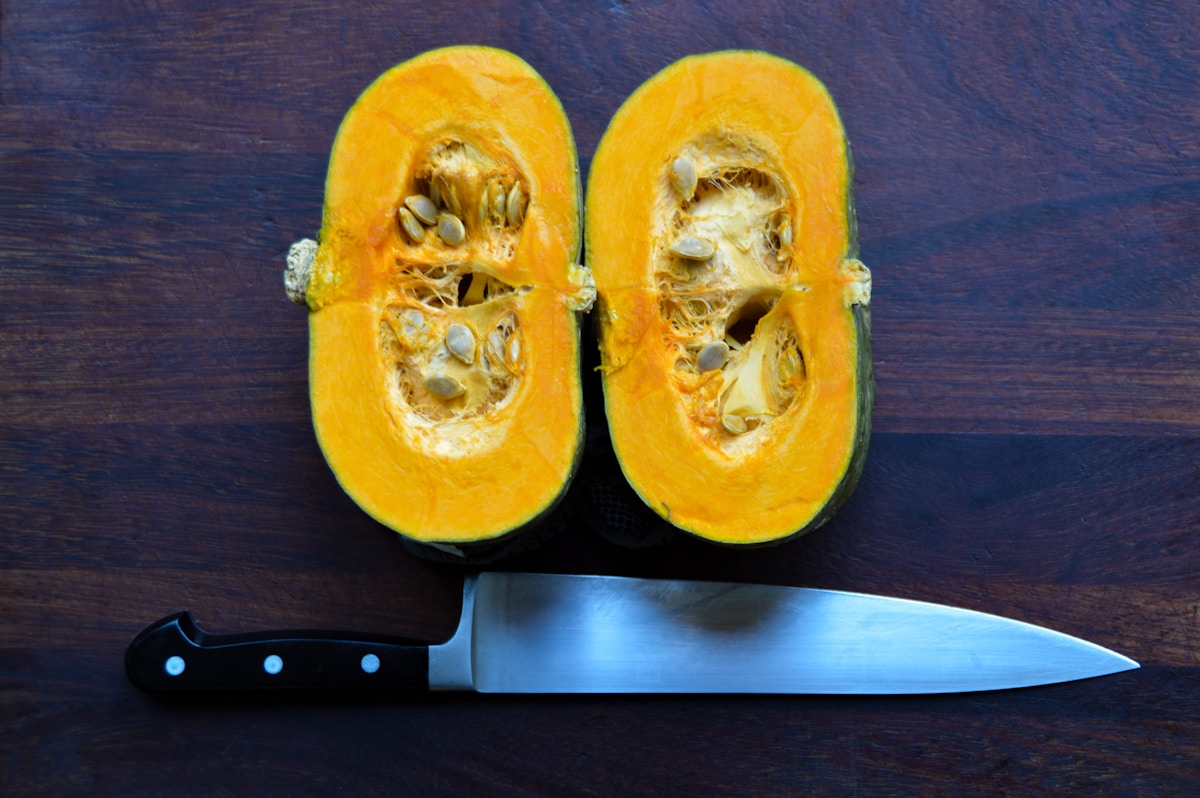
Oh, the witching hour. If you’re a parent to a little one, you know exactly what I’m talking about. It’s that magical time, somewhere between 4 PM and 6 PM, when the day’s patience has worn thin, tummies are rumbling, and your sweet cherub suddenly transforms into a leg-clinging, whining expert. And where are you? Right in the heart of the storm: the kitchen, trying to chop an onion while a tiny human demands a snack, a hug, and to be picked up, all at the same time.
I’ve been there more times than I can count. The sizzle of the pan, the timer beeping, the rising crescendo of a toddler meltdown—it can feel like a pressure cooker, and sometimes, we’re the ones who boil over. A sharp word escapes, the frustration bubbles up, and suddenly the place that should be the heart of the home feels like a battleground. If this sounds familiar, take a deep breath, my dear. You are not alone, and you are not a bad parent. You’re just a human trying to do one of the hardest jobs in the world. Let’s talk about how we can turn down the heat and bring a little peace back to our evening routine.
Why Dinnertime Feels Like a Pressure Cooker
First, let’s be kind to ourselves and understand what’s really happening during that pre-dinner rush. It’s not just your imagination; it’s a perfect storm of biology and logistics. For starters, everyone’s blood sugar is taking a nosedive. Yours, from a long day of work or parenting, and your child’s, from an afternoon of playing hard. Low blood sugar equals low patience and high emotions for everyone involved. It’s a physiological fact!
Then, add in the sensory overload. The kitchen is a busy place! There’s the sharp smell of garlic hitting hot oil, the clatter of pans, the bright overhead lights, and the constant hum of the refrigerator. For a little person who is already tired and hungry, this can be overwhelming. Their only way to communicate that overwhelm is often through behavior that, let’s be honest, drives us up the wall.
Finally, there’s the mental load you’re carrying. You’re juggling the recipe in your head, keeping an eye on the stove so nothing burns, and trying to fend off the endless requests from your tiny sous chef. It’s a high-stakes multitasking environment. Researchers and family therapists agree—this specific window of the day is a massive trigger for parental stress. So, the goal isn’t to create a perfectly silent, serene kitchen. The goal is to build a toolbox of strategies that help you manage the inevitable chaos with a little more grace.
Your New Best Friend The Weekend Prep Session
If you take away only one piece of advice from this article, let it be this: give your future self the gift of prep. I know, I know. The last thing you want to do on a Sunday is spend more time in the kitchen. But trust me, an hour of focused prep over the weekend can save you hours of stress during the week. This isn’t about making entire meals ahead of time; it’s about doing the annoying little tasks that slow you down on a busy Tuesday night.
Think of it as setting up your own personal cooking show. What do they always have? Tiny bowls of pre-chopped ingredients, all ready to go. You can do that, too! Here’s a simple prep routine to try:
- The Veggie Chop: This is the big one. Onions, carrots, celery, bell peppers—the base for so many meals. Chop them up and store them in airtight glass containers in the fridge. When a recipe calls for a diced onion, you just grab it. The relief is immeasurable.
- Wash Your Greens: Nothing is more tedious than washing and drying lettuce or spinach when you’re in a hurry. Do it on Sunday, spin it dry (a salad spinner is a fantastic investment), and store it in a container with a paper towel to absorb moisture. It’ll stay fresh for days.
- Cook Your Grains: A big batch of quinoa, brown rice, or farro can be the foundation for quick lunches and dinners all week. Store it in the fridge and simply reheat what you need.
- Mix Your Spices: Making tacos on Tuesday and stir-fry on Thursday? Measure out the spice blends for each meal into small jars or bags. It’s a tiny step that feels like a huge win when you’re rushing.
- The Protein Plan: At the very least, know what protein you’re using each night and make sure it’s thawed. If you’re really on a roll, you can portion out chicken breasts or marinate your tofu ahead of time.
This isn’t about perfection. Maybe one week you only get the onions chopped. Fantastic! That’s one less thing you have to do with a toddler attached to your leg.
The Art of Toddler Distraction and Inclusion
While you’re managing the food, you also need a plan for the toddler. The key is to find the sweet spot between safe distraction and simple inclusion. They want to be near you and they want to be involved, so let’s use that to our advantage.
One of the most successful tricks in my book is the “sink station.” Place a sturdy stool by a sink (one side, away from the hot water tap). Fill a big bowl with a few inches of water and some bubbles. Give them some plastic measuring cups, a small whisk, and a few plastic toys. Water play is mesmerizing for toddlers. (Yes, there will be some splashing. Keep a towel on the floor. A little water is easier to clean up than a full-blown tantrum.)
If you want to involve them in the actual cooking, give them a safe and age-appropriate “job.” Their job is not to chop the onions, but it can be one of these:
- The Official Washer: Give them their own bowl of water and some sturdy vegetables like potatoes or carrots and a little scrub brush. They can be in charge of getting the veggies clean.
- The Super Stirrer: If you have dry ingredients that need mixing—like flour and spices for breading—let them have at it with a spoon in a big bowl.
- The Leaf Ripper: Making a salad? Tearing lettuce or kale into bite-sized pieces is a perfect toddler task. It’s great for their fine motor skills, too!
- The Ingredient Transporter: Set out a few pre-measured, non-breakable bowls of ingredients (think shredded cheese, beans, or pasta) and have them carry it over to the counter for you. They love feeling helpful.
The most important rule here is safety. Gate off the area directly around the stove. All their activities should happen at a separate, small table or a counter far from any heat or sharp knives. Their “job” is to have fun and feel included, and your job is to keep them safe while you do the real work.
The Five-Minute Reset Button You Deserve
Sometimes, despite all your best prep and distraction tactics, you can still feel the frustration rising. Your toddler is still having a tough time, you just spilled something, and the smoke alarm is about to go off. In these moments, the most important thing you can cook is… nothing. The most important thing you can do is pause.
Give yourself permission to press the reset button. A five-minute break will not ruin dinner, but powering through in a state of agitation might ruin your evening. A calm parent is more important than a perfectly timed meal.
Here are a few ways to take that reset:
- Step Outside: Turn off the burner. Make sure your child is in a safe place (a high chair with a few crackers is perfect). Step out onto your porch or just stand by an open window and take five deep, slow breaths. The change of scenery and fresh air can work wonders.
- Turn On the Music: Create an “Emergency Dance Party” playlist. When things get tense, blast a favorite, upbeat song and have a silly dance party with your little one right there in the kitchen. It completely shifts the energy from stress to joy.
- Sit Down. Together.: Pull your toddler onto your lap, sit on a kitchen chair, and just be still for two minutes. Have a sip of water. Don’t try to talk or solve anything. Just reconnect and regulate your nervous systems together.
Remember, a bowl of cereal for dinner on a really tough night is not a failure. A slightly burnt vegetable is not a tragedy. Feeding your family is an act of love, and that love is felt most strongly when it comes from a place of peace, not pressure.
Simple Recipes for High-Stress Evenings
Having a few go-to, nearly-foolproof recipes in your back pocket is a game-changer. These are meals that require minimal active cooking time and are forgiving if you get distracted.
-
Sheet Pan Lemon Herb Chicken and Veggies: This is my number one recommendation for busy parents. Toss 1 lb of chicken pieces and 4-5 cups of pre-chopped, sturdy veggies (broccoli, carrots, potatoes, bell peppers) with olive oil, lemon juice, dried herbs (oregano, thyme), salt, and pepper. Spread it all on a single baking sheet. Bake at 400°F (200°C) for 25-30 minutes, until the chicken is cooked through and the veggies are tender. Minimal cleanup, minimal active work.
-
Deconstructed Burrito Bowls: This is more of an assembly job than a cooking job, which is perfect. Your main task is to brown some ground meat (turkey, beef) or simply heat up a can of black beans. Then, set out bowls of all the fixings: your pre-cooked rice, shredded cheese, salsa, corn (from a can!), and some washed lettuce. Everyone can build their own bowl. It’s interactive, kid-friendly, and incredibly low-stress.
Cooking with little ones will always have an element of chaos. Our goal isn’t to eliminate it, but to learn how to dance with it. By preparing ahead, engaging our kids safely, and giving ourselves grace, we can transform the dreaded dinner rush. We can slowly turn it from a time of stress into a time of connection, one chopped onion and one sink-full of bubbles at a time. You’ve got this.