


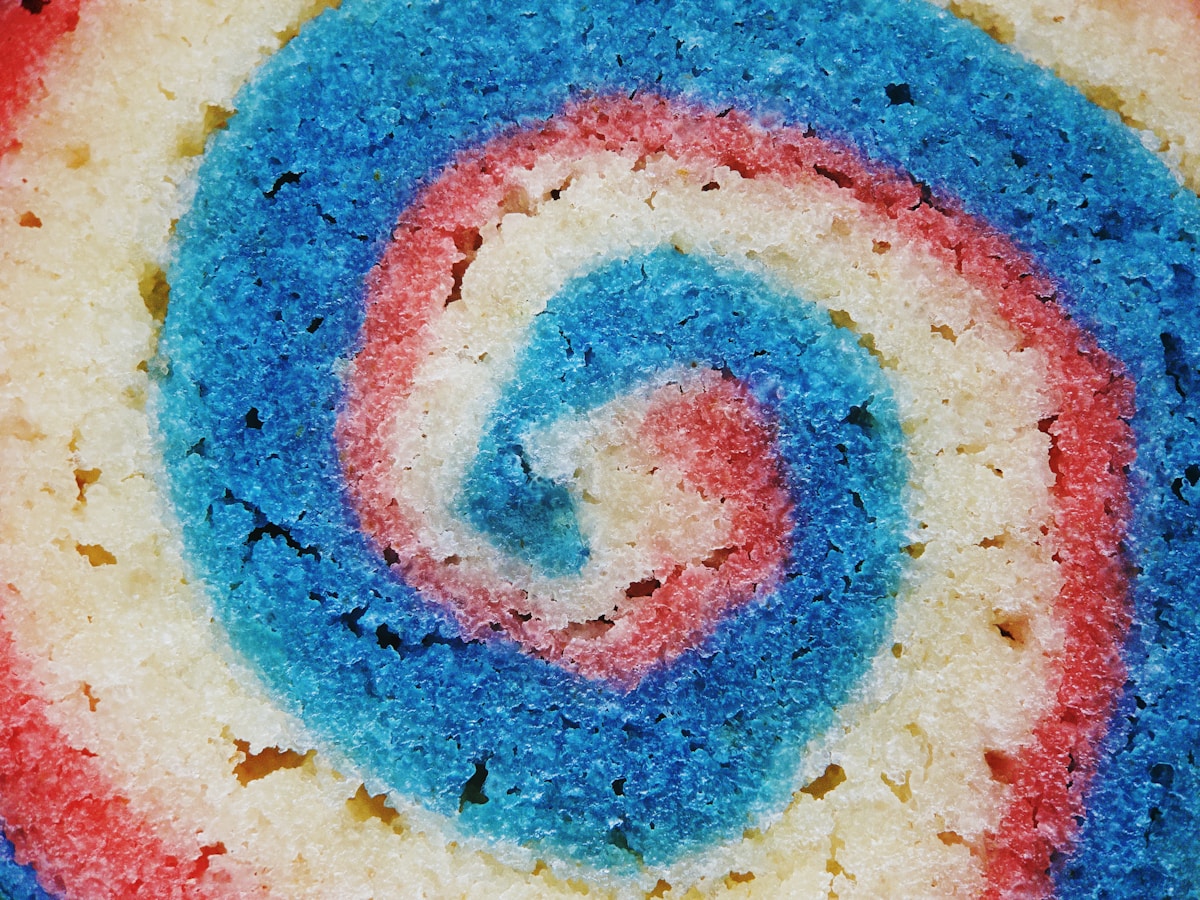
Have you ever spent a whole afternoon carefully kneading vibrant colors into dough, dreaming of the perfect rainbow babka or technicolor cinnamon rolls, only to pull a sad, brownish-grey swirl from the oven? It’s a uniquely specific kind of kitchen heartbreak. All that work, all that hope, dissolving into a muddy, indistinct mess. You followed the recipe, you used the best food coloring, so what went wrong?
If this sounds familiar, I want you to know you’re not alone, and the solution is simpler than you think. It isn’t about a secret ingredient or a complicated technique. The answer lies in mastering one fundamental element: temperature. Today, we’re going to explore the simple, game-changing power of your refrigerator and freezer to transform your colorful bakes from disappointing blurs into the crisp, show-stopping creations you’ve always imagined.
Why Colors Blend and How to Stop It
To understand the fix, we first need to understand the problem. Think about what your dough is made of: flour, yeast, liquid, and often, a generous amount of fat like butter or oil. When the dough is at room temperature, it’s soft, pliable, and sticky. The butter within it is also soft. When you stack different colored layers of this soft, fatty dough and start rolling, you’re applying pressure. That pressure squishes the layers together, and the soft butter acts like a lubricant, allowing the colors to smear and bleed into one another. It’s simple physics!
The proofing process, where the dough sits in a warm place to rise, only exacerbates the issue by making everything even softer and more prone to merging. So, how do we fight back? We change the state of the ingredients.
By chilling the dough, you achieve two critical things. First, you solidify the fats. Cold butter is hard, not greasy. It creates distinct layers rather than encouraging smearing. This is the exact same principle behind laminating dough for croissants or puff pastry—cold butter creates separation. Second, you firm up the gluten structure of the dough itself, making it less sticky and much easier to handle. Cold dough holds its shape. It resists being squished. Temperature isn’t just a baking variable; when it comes to color work, it’s your most powerful tool for control.
The Secret Weapon Your Refrigerator
This technique was recently shared by a brilliant home baker on Reddit who created stunningly sharp rainbow cinnamon rolls for a Pride celebration, and it perfectly illustrates the power of the chill. The magic happens in a few key stages, turning a potentially messy process into a controlled and rewarding one.
Step 1: Choose Your Color Wisely Forget liquid food coloring. It adds too much moisture to your dough, which can throw off the texture and lead to pale, washed-out colors. Your best friend here is a high-quality gel food coloring. Brands like Wilton or Americolor offer super-concentrated pigments that give you deep, vibrant hues with just a tiny amount. This means you get bold color without compromising your dough’s consistency.
Step 2: Divide and Color After the First Rise Prepare your favorite sweet dough recipe and let it go through its first bulk fermentation, until it’s doubled in size. Then, gently punch it down and divide it into as many pieces as you want colors. This is when you’ll knead in the gel coloring. A word to the wise: wear disposable kitchen gloves for this part. (Your future self will thank you.) Add a few drops of gel and knead each piece on a lightly floured surface until the color is uniform and streak-free.
Step 3: The First, Most Critical Chill Once colored, roll each piece of dough into a thin, uniform rectangle. Aim for them to be roughly the same size. Now, for the most important step of the entire process: lay each rectangle on a separate piece of parchment paper on a baking sheet and slide them into the refrigerator. Let them chill for a minimum of 30 to 45 minutes. If you’re in a hurry, 15 to 20 minutes in the freezer will also work. The goal is for the dough to be firm, cool, and no longer tacky to the touch. This step is non-negotiable. This is what will guarantee those crisp lines.
Step 4: Assemble Cold and Work Quickly Once your dough sheets are properly chilled, you can assemble your creation. Move with purpose, as the dough will start to warm up. If you’re making cinnamon rolls, this is when you’ll spread your softened butter and cinnamon-sugar mixture over each chilled sheet. Because the dough is cold, the filling will glide on smoothly instead of tearing the surface. Carefully stack the layered sheets on top of one another, using a bench scraper or large spatula to help you lift and align them. Once stacked, you can roll the entire block into a tight log, ready for slicing.
A Step-by-Step Guide Rainbow Cinnamon Rolls
Let’s put this all together into a practical guide. Imagine we’re making a three-color rainbow roll.
- 1. Prepare Your Dough: Use any trusted recipe for cinnamon roll dough. Let it complete its first rise (usually 60-90 minutes in a warm spot).
- 2. Color the Dough: Divide the risen dough into three equal portions. Wearing gloves, knead pink gel coloring into one, blue into another, and yellow into the third until the colors are vibrant and even.
- 3. Roll and Chill: Roll each colored ball into a rectangle approximately 9x12 inches (23x30 cm). Place each rectangle on parchment, slide them onto baking sheets, and chill in the fridge for at least 30 minutes. They should feel firm like a sheet of vinyl, not soft and pillowy.
- 4. Prepare the Filling: While the dough chills, mix together 1/2 cup (113g) of softened unsalted butter, 3/4 cup (150g) of packed brown sugar, and 2 tablespoons of ground cinnamon.
- 5. Assemble and Stack: Remove the chilled dough sheets. Place the blue layer down. Spread it with one-third of the filling. Place the yellow layer on top, spread with another third of the filling. Finally, add the pink layer and the remaining filling.
- 6. The Second Chill (Pro-Tip!): Tightly roll the stacked dough into a log starting from a long edge. Wrap the log in plastic wrap and place it in the freezer for 15-20 minutes. This makes slicing incredibly clean and easy, preventing the rolls from getting squashed.
- 7. Slice and Proof: Unwrap the chilled log. Use unflavored dental floss or a sharp serrated knife to slice it into 12 even rolls. The floss method is fantastic for getting a perfect cut without smooshing the layers. Arrange the rolls in a greased 9x13 inch baking pan. Cover and let them proof in a warm spot for 30-45 minutes, or until they look puffy.
- 8. Bake: Bake in a preheated oven at 375°F (190°C) for 20-25 minutes, until golden brown. Let them cool slightly before drizzling with a simple powdered sugar glaze. The result? Perfectly defined stripes of color in every single swirl.
Beyond Cinnamon Rolls
This chilling technique isn’t just for cinnamon rolls! It’s a foundational principle for any multi-colored dough project. Think about:
- Rainbow Babka: After layering your chilled, chocolate-spread-covered dough strips, a brief chill before twisting will keep the layers from squishing together.
- Striped Sugar Cookies: When you stack different colors of cookie dough to make a slice-and-bake log, chilling the log thoroughly before slicing is the key to getting sharp, checkerboard or striped patterns.
- Colorful Challah: For a braided loaf with different colored strands, briefly chilling the individual strands after rolling them makes them firmer and easier to braid without stretching or smearing.
Any time you are asking different pieces of dough to hold their own identity while being combined, cold is your greatest ally.
The Story in the Swirls
At the end of the day, food tells a story. Baking something with vibrant, joyful colors is a way of celebrating. It might be for a birthday, a holiday, or a Pride parade. These creations are meant to be special, to bring a little bit of magic to the table. When those colors turn muddy, it feels like the story gets muddled, too.
Taking the extra time to chill your dough is more than just a technical step; it’s an act of care. It’s the patience that honors the intention behind the bake. It ensures that the final product reflects the joy and effort you poured into it. So the next time you set out to create a colorful masterpiece, remember the power of a little patience and a cold refrigerator. You’ll be rewarded with crisp, beautiful lines that tell their story, clear as day.


