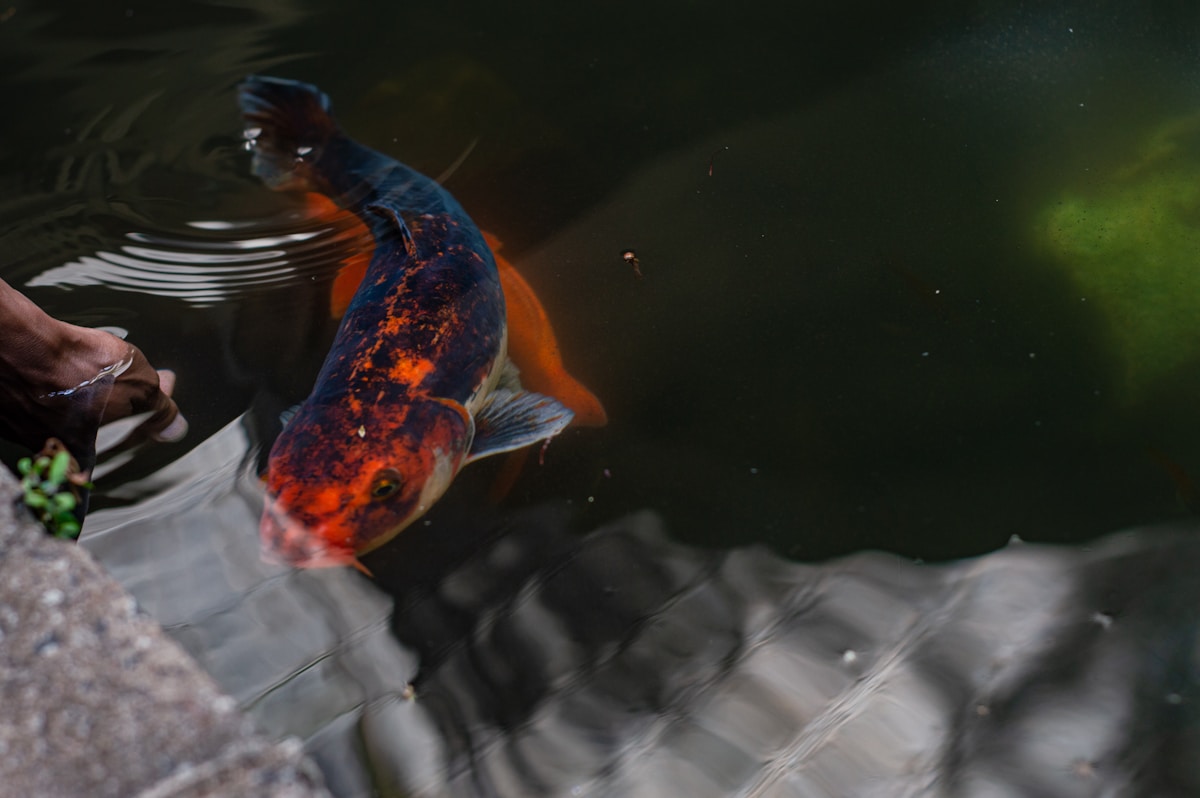
There’s something uniquely special about presenting a loved one with a cake that’s more than just a dessert—it’s a story. It’s a tribute to their passions, a tiny, edible world celebrating what they love. Have you ever seen someone’s eyes light up when they recognize their own hobby, their garden, or their favorite quiet spot reflected in frosting and sugar? That’s the magic we’re chasing today. And there are few designs as serene and captivating as a garden pond cake.
It might look like a masterpiece from a professional bakery, but I’m here to show you how you can create this tranquil scene right in your own kitchen. Let’s dive in, shall we?
The Foundation A Sturdy Cake for a Serene Scene
Before we even think about shimmering water or delicate lily pads, we need to build our landscape on solid ground. A themed cake, especially one with indentations and heavy decorations, requires a base that won’t crumble under pressure. This is not the time for an airy, delicate angel food cake. We need structure!
Your best friends for this project are cakes with a tight, dense crumb that can be carved without falling apart. My top recommendations are:
- Classic Vanilla Butter Cake: This is a crowd-pleaser for a reason. Its firm yet tender texture is perfect for carving, and its flavor is a wonderful canvas for any buttercream you choose.
- Pound Cake: The undisputed champion of structural integrity. Its dense, buttery nature makes it incredibly stable.
- Chocolate Mud Cake: If you’re catering to chocolate lovers, a rich mud cake offers fantastic stability and a decadent flavor profile that pairs beautifully with earthy, “sandy” decorations.
For a reliable vanilla butter cake, you’ll want to use the classic creaming method. Beat 1 cup (227g) of unsalted butter with 1.5 cups (300g) of granulated sugar until it’s light and fluffy. This step is crucial; it whips air into the fat, which is the foundation of your cake’s texture. Beat in 4 large eggs one at a time, followed by a tablespoon of pure vanilla extract. In a separate bowl, whisk together 3 cups (360g) of all-purpose flour, 1 tablespoon of baking powder, and a half teaspoon of salt. Alternate adding the dry ingredients and 1 cup (240ml) of whole milk to the butter mixture, starting and ending with the dry ingredients. Mix only until just combined—overmixing develops gluten and makes the cake tough.
Bake in two 8-inch round pans at 350°F (175°C) for 30-35 minutes, or until a wooden skewer inserted into the center comes out clean. Let the layers cool completely before you even think about carving. (This is the hardest part—patience!)
Sculpting Your Landscape Carving and the Magic Crumb Coat
With your cooled cake layers ready, it’s time to become a landscape artist. Decide which layer will be your top and place it on your cake board or serving platter. Now, let’s create the pond.
Using a small, serrated knife, gently carve a shallow, basin-shaped depression into the center of the cake. Don’t go too deep—you don’t want to pierce through the bottom. Aim for about half an inch to an inch deep, with gently sloping sides. You’re creating a reservoir for our “water.”
Now for a non-negotiable step that separates clean cakes from crumbly messes: the crumb coat. This is a thin, sacrificial layer of buttercream that traps all the loose crumbs. Take your chosen buttercream (a simple American buttercream or a silky Swiss meringue both work wonderfully) and apply a very thin layer over the entire cake, including inside the pond basin. Use an offset spatula to smooth it out. It doesn’t have to be perfect; its only job is to seal the cake.
Kitchen Hack: After applying the crumb coat, pop the entire cake into the refrigerator for at least 30 minutes. This firms up the buttercream, creating a solid, sealed surface. When you apply your final, beautiful layer of frosting, no pesky crumbs will dare ruin your smooth finish. Your future self will thank you.
Once chilled, apply your final coat of frosting. You can tint it a grassy green, an earthy brown, or leave it a clean white. Smooth the sides with a bench scraper for a professional look. For the area around the pond, you can use your spatula to create gentle, earthy textures.
The Shimmering Centerpiece Crafting Realistic Edible Water
This is where the real magic happens. Turning a dent in a cake into a glistening pond is an incredibly satisfying process. You have a few fantastic options, ranging from simple to showstopper.
-
Blue Piping Gel: This is the most straightforward method. Piping gel is a translucent, shiny gel that you can buy pre-made (Wilton makes a great one) or make at home. To color it, use a tiny drop of blue or teal gel food coloring. (A little goes a long way!) Spoon the gel into your carved pond basin and gently spread it with a small offset spatula or the back of a spoon. You can create little swirls and ripples to mimic the movement of water. It’s quick, effective, and looks wonderfully wet.
-
Set Jello (Jelly): A wonderfully fun and kid-friendly option! For this to work, you must first build a small, sturdy “dam” of stiff buttercream around the rim of your pond. This will contain the liquid jello as it sets. Prepare a box of blue jello according to the package directions, but perhaps use slightly less water to ensure a firm set. Let it cool to room temperature (this is critical—hot jello will melt your buttercream dam). Carefully pour the cooled, liquid jello into the pond and refrigerate the entire cake until it’s fully set. The result is a translucent, jiggly pond that’s pure fun.
-
Mirror Glaze (The Showstopper): If you’re feeling ambitious, a mirror glaze will give you a stunningly realistic, reflective water surface. This involves cooking a mixture of sugar, water, sweetened condensed milk, and bloomed gelatin, then pouring it over white chocolate to create an emulsion. It’s then colored and cooled to a precise temperature (around 90-95°F or 32-35°C) before being poured into the pond. It sets into a high-gloss, glass-like finish that is absolutely breathtaking. While it requires a candy thermometer and some patience, the result is unparalleled.
Bringing the Ecosystem to Life Details and Decorations
A pond is more than just water; it’s a bustling little ecosystem. This is your chance to personalize the cake and tell a story. Spend some time collecting your elements; as the crafting community notes, the hunt for the perfect little details is part of the joy.
-
Pond Life: This is where you can really capture the recipient’s heart. Search artisan marketplaces like Etsy for “edible koi fish,” “fondant frog toppers,” or “sugar water lilies.” You can find incredibly detailed, handmade sugar art that will elevate your cake instantly. Alternatively, high-quality miniature resin figures work beautifully, but remember to place a small piece of parchment paper underneath them and inform everyone they are not edible!
-
Banks and Shoreline: Create a natural-looking shore. Crushed graham crackers or Biscoff cookies make for perfect, textured sand. For a more gravelly look, use a mix of crushed cookies and brown sugar. Sprinkle this generously around the perimeter of your pond.
-
Rocks and Boulders: No pond is complete without some rocks. You can use chocolate rocks (a classic candy!), grey-tinted balls of fondant, or even chocolate-covered nuts like almonds or hazelnuts for a more organic feel. Cluster them in small groups for a natural look.
-
Greenery and Flora: This is what makes the scene feel alive.
- Piping: Use a grass piping tip (like a Wilton #233) with green buttercream to pipe little tufts of grass along the shoreline. A leaf tip (#352) can create beautiful, broad leaves.
- Fondant: Roll out green fondant and use small cutters to create lily pads. A simple white or pink flower on top completes the look.
- Fresh Herbs: For a touch of rustic elegance, fresh mint leaves make surprisingly convincing lily pads! Just be sure to add them right before serving so they don’t wilt.
More Than a Cake A Story in Sugar
As you place that final sugar frog on a lily pad or sprinkle the last bit of “sand” along the shore, take a step back. What you’ve created isn’t just a dessert. It’s a landscape born from care and attention. This trend of hyper-personal, themed cakes is about so much more than baking; it’s about connection. It’s about showing someone you see them, you listen to their stories about the fish in their pond or the garden they so carefully tend.
Spending time, whether it’s an hour or weeks, collecting the perfect little decorations transforms the cake from a simple treat into a deeply meaningful gift. The final reveal becomes a moment of shared joy and recognition.
So don’t be afraid to try. Your lines don’t have to be perfect, and your fondant frog might be a little lopsided. It doesn’t matter. The love and thought baked into every layer and piped onto every blade of grass is the real magic. You’re not just making a cake; you’re building a world, and that’s one of the most wonderful things you can do in a kitchen.